Soups
Lily Bulb Polygonatum Dried-Conch Soup (bai he yu zhu xiang luo gan tang)
Traditionally nourishes yin and calms the mind
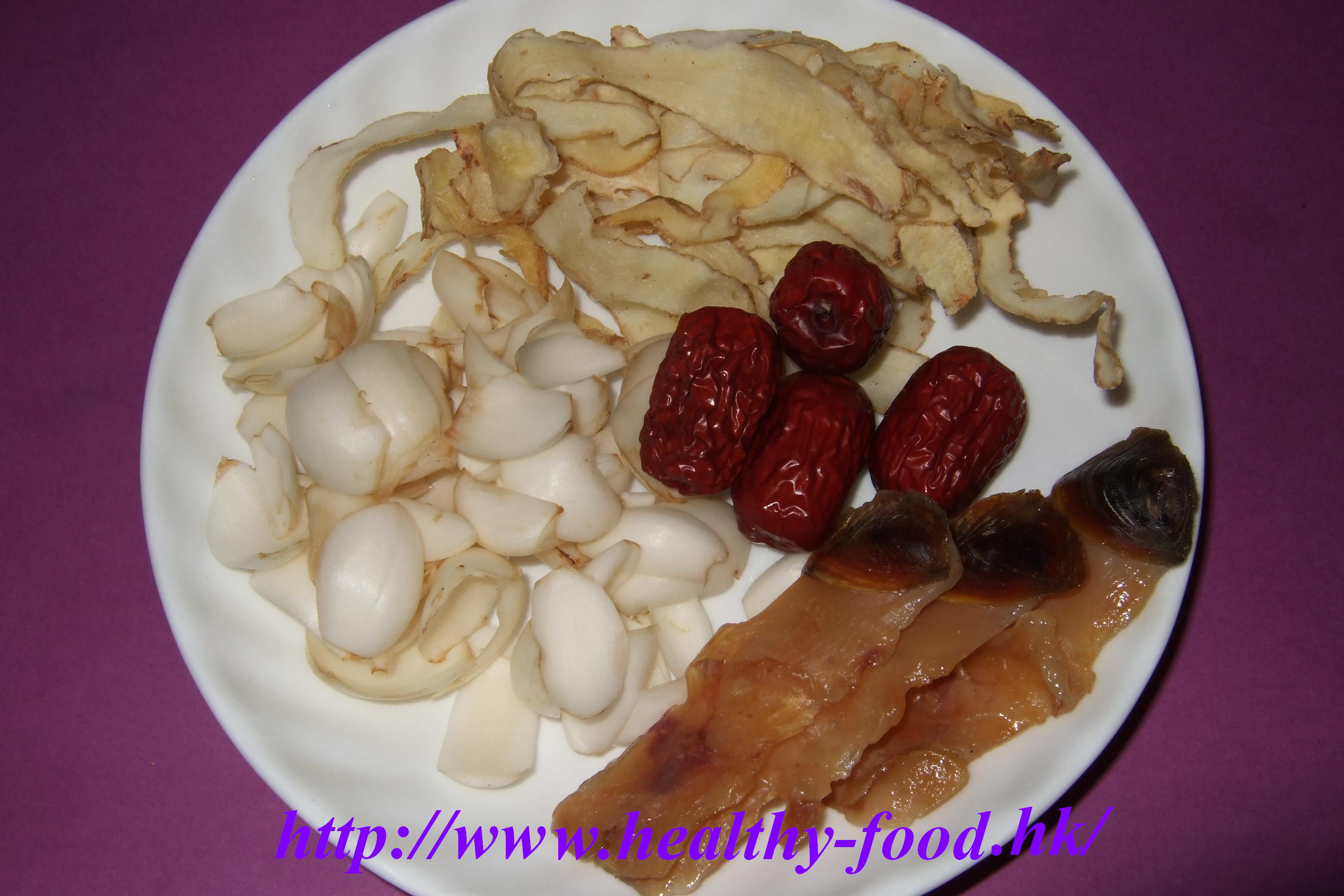
Why people make this soup
City life frays the nerves, and Bro Niu says the most common complaint he hears is poor sleep. When sleep runs short, people feel jittery and moody, with a dry mouth, a dry sore throat and warm palms and soles. This soup of lily bulb, polygonatum and dried conch is moistening and calming — traditionally it nourishes yin and settles the mind, a gentle bowl for those whose restlessness comes with that dry, depleted feeling.
Who it suits / who should be cautious
- Suits people with restless sleep and a dry, warm, yin-depleted feel (dry mouth, dry throat, warm palms).
- Not suitable for a cold-type cough or a cough that comes with a cold/flu.
Why these ingredients (the food-therapy logic)
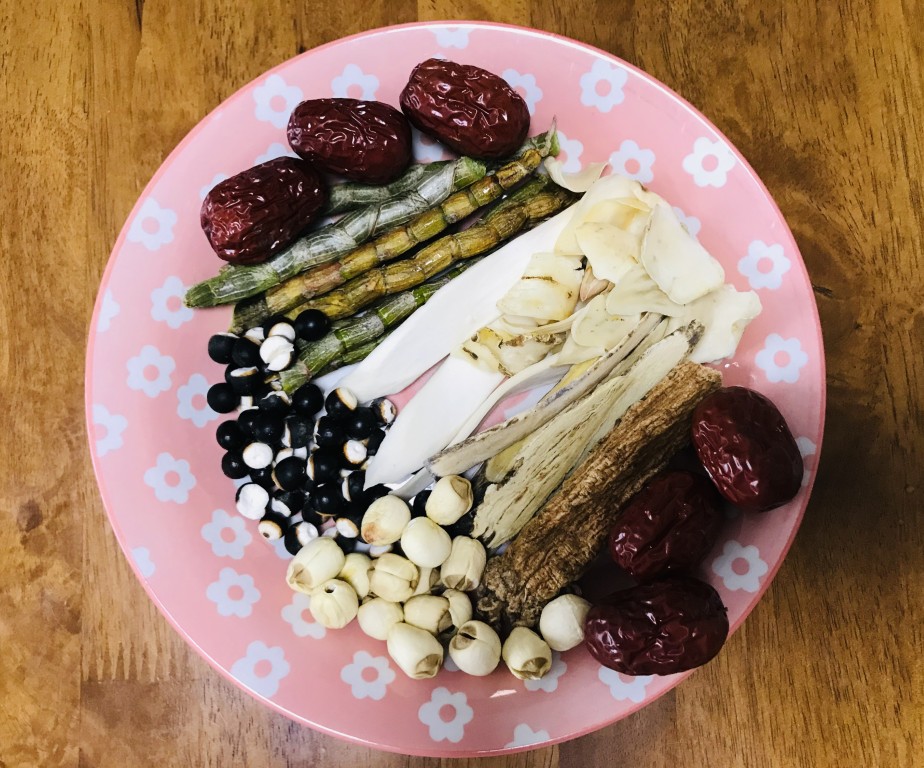
- Lily bulb (bai he): traditionally calms the mind and moistens the lungs.
- Polygonatum (yu zhu): traditionally nourishes yin and moistens dryness.
- Dried conch (xiang luo gan): traditionally nourishing and well-suited to yin-deficient, “false-fire” constitutions.
- Red jujube (hong zao): traditionally harmonizes and gently nourishes.
Ingredients (3–4 bowls)
| Ingredient | Amount | Notes |
|---|---|---|
| Dried lily bulb (bai he) | 1 liang (~38 g) | soaked, rinsed |
| Polygonatum (yu zhu) | 5 qian (~19 g) | |
| Dried conch (xiang luo gan) | 2 liang (~75 g) | soaked, rinsed |
| Red jujube | 6 pieces |
Method
- Soak and rinse the dried conch, lily bulb and the other ingredients.
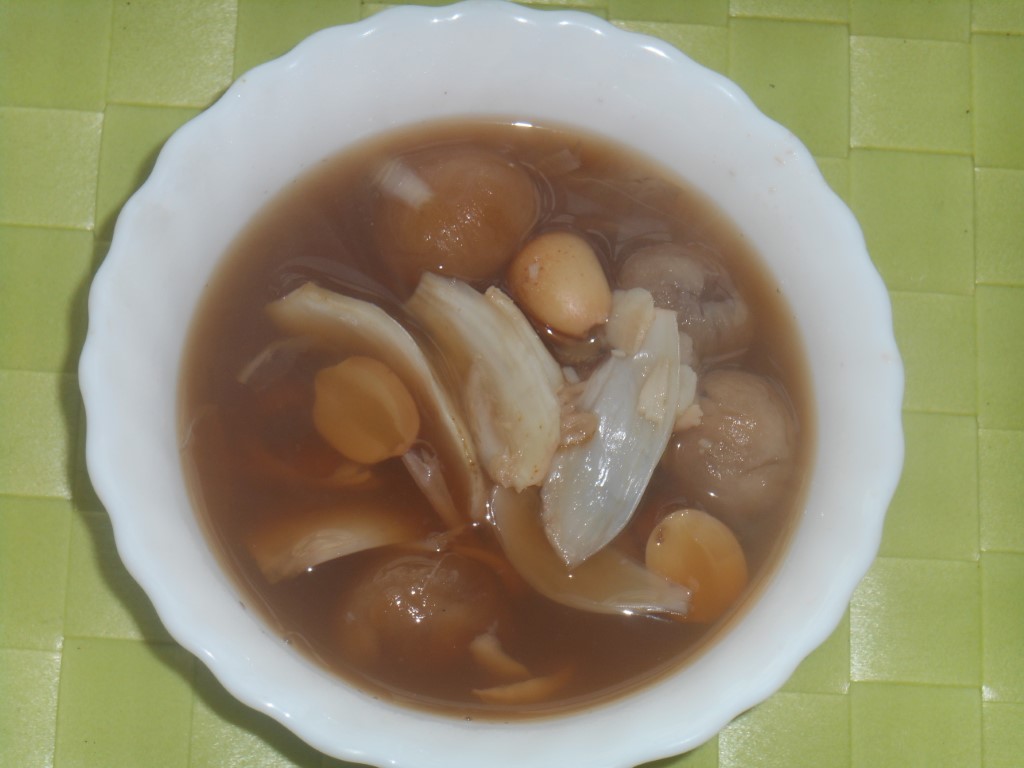
- Put everything in a pot with 6 bowls of water and simmer about 2 hours down to 3–4 bowls. Serve.
Bro Niu’s tips
This soup calms the mind and traditionally moistens the throat and eases a dry cough — but it is not for a cold-type cough or a cough from a cold/flu. Bro Niu likes a flat, amber-brown dried conch with a glossy, lively sheen.
Community questions answered (selected)
- Q (reader): Which is better for a soup like this — dried conch or frozen fresh conch? Bro Niu: Dried conch is better, because frozen fresh conch isn’t ideal for those who are damp-heavy.
- Q (Cat Chow): A shop assistant said conch is seafood so it’s “damp” — is that right? I’m a heaty, false-fire type. Bro Niu: Conch suits yin-deficient, internally-hot, false-fire people best. The fresh kind, eaten in excess, can be cold-damp; the dried kind is more suitable for soup.
- Q (Fat A): What’s the difference between the dried conch in your photo and the cheaper, shell-less round kind from the dried-goods shop? Bro Niu: The one in the photo is American dried conch — tasty, safer to eat, with less worry about heavy metals, but pricier. The round kind is pressed from large sea-snail meat with seasoning added, lower cost and cheaper.
Published July 12, 2011 · Adapted and translated for Nourilo from a traditional home-kitchen recipe. Approx. 2 min read.