Herbal & Flower Teas
Lavender & European Mint Tea with Honey
traditionally used to calm the mind, relieve tension headaches, ease anxiety, and support restful sleep
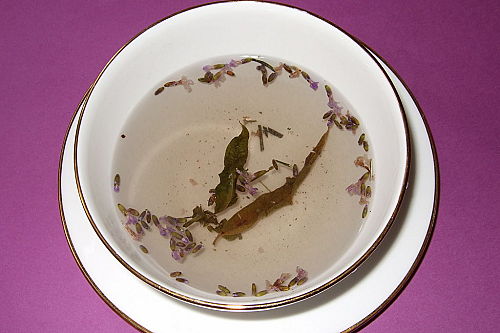
Why people make this tea
A friend gave Bro Niu a bottle of lavender essential oil, and a few drops on the pillow made it noticeably easier to fall asleep. That prompted this tea — a gentle herbal brew that brings together the relaxing properties of lavender with the clear-headed freshness of European peppermint. In Chinese food therapy, peppermint is associated with dispersing wind-heat, clearing the head, and relieving the liver’s stagnation of energy — the pattern behind anxious, frustrated feelings and tension headaches. Lavender adds a calming, nerve-soothing effect long recognised in both Western herbalism and Chinese wellness practice. Together, a small cup of this tea after a stressful day can feel quietly restorative.
Who it suits / who should be cautious
- Suited to adults dealing with anxiety, tension headaches, mild insomnia, or general stress and mental fatigue
- Also pleasant for those who feel mentally foggy or irritable
- Pregnant women must NOT drink this tea
- Use only a small amount of each herb — this tea is quite aromatic and potent in flavour; too much can be overwhelming or cause stomach discomfort
- Do not confuse European peppermint (Mentha x piperita) with regular Chinese spearmint — the European variety is more intensely fragrant; regular mint can be substituted if unavailable, but the flavour will be milder
Why these ingredients (the food-therapy logic)
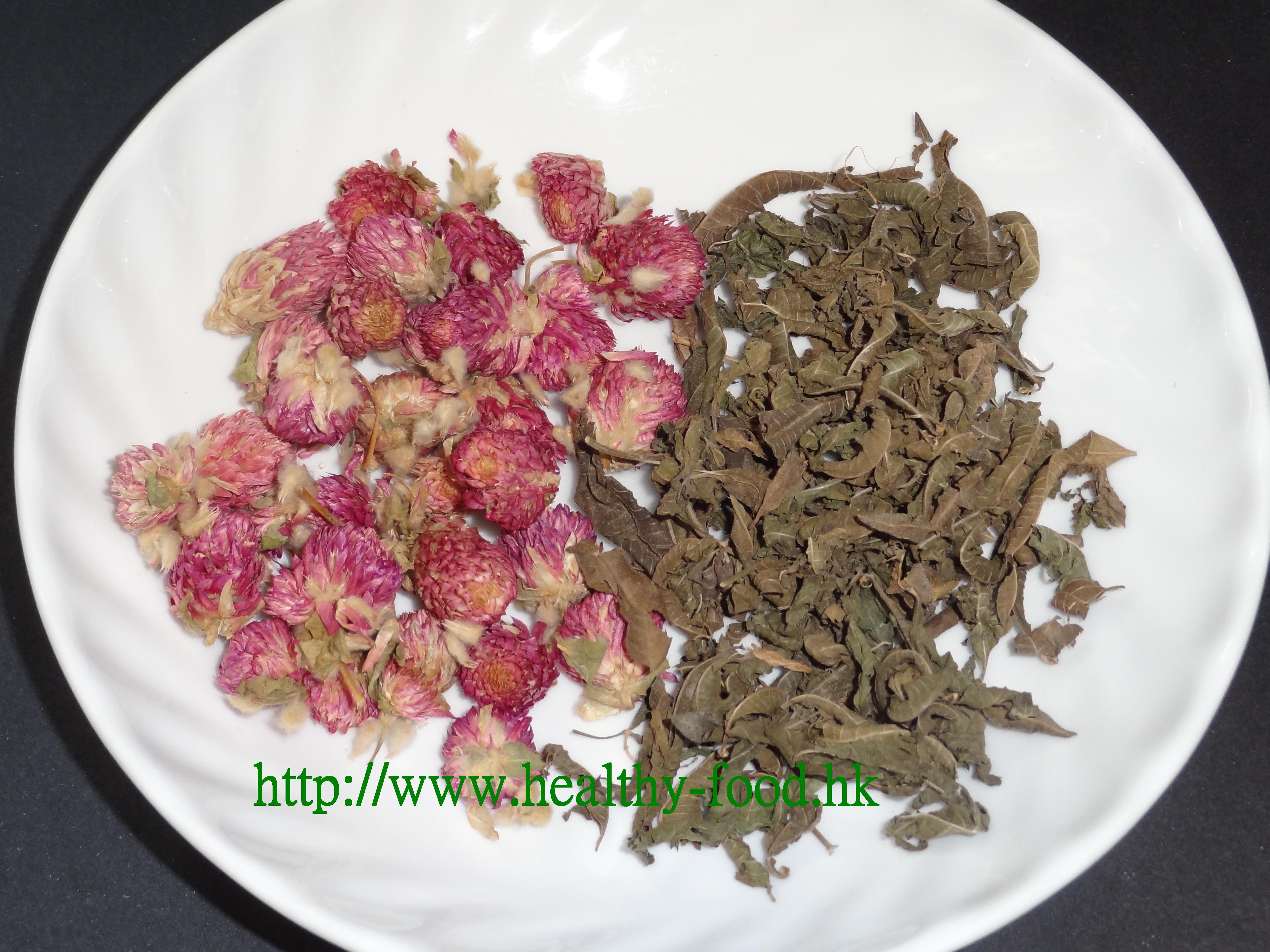
- Lavender (xun yi cao, Lavandula angustifolia): Contains linalool and linalyl acetate, compounds associated with calming the nervous system; traditionally used to soothe anxiety, ease palpitations, and prepare the body for sleep. Both the scent and the tea form are valued.
- European peppermint (ou bo he, Mentha x piperita): More intense than common mint; associated in traditional practice with dispersing wind-heat from the head and throat, relieving headaches and eye strain, and gently lifting the liver’s energy stagnation — the pattern linked to frustration, repressed emotions, and digestive tension.
- Honey: Nourishing and naturally calming; pairs beautifully with the floral-herbal combination and softens the slightly sharp quality of the mint. Do not add honey to boiling water — let the tea cool slightly first to preserve its enzymes.
Ingredients (1 cup)
| Ingredient | Amount | Notes |
|---|---|---|
| Dried lavender flowers | A small pinch (~1/2 tsp) | Do not use too much — the flavour concentrates quickly |
| European peppermint leaves (or regular mint) | A small pinch (~1/2 tsp) | Dried; regular mint can substitute |
| Honey | To taste | Add after the tea has cooled slightly |
| Hot water | 1 cup (~200–250 ml) | Freshly boiled, then allowed to cool ~30 seconds |
Method
- Place the lavender flowers and peppermint leaves in a teapot or infuser cup.
- Pour in freshly boiled water (slightly cooled — around 85–90°C is ideal to preserve the aromatic compounds).
- Steep for 5 minutes.
- Strain into a cup.
- Allow to cool slightly, then stir in honey to taste.
- Drink warm and slowly.
Bro Niu’s tips
European peppermint (grown in Europe) has a more intensely fragrant and complex scent than regular Chinese mint; its leaves are also more delicate and crumble easily. Regular peppermint or spearmint can be substituted if the European variety is unavailable — the tea will be milder but still pleasant. Do not use too much of either herb; the flavour is concentrated and a little goes a long way. This tea is a nice way to unwind after dinner or during a stressful evening — but do not drink too close to bedtime if you are sensitive to any herb. Pregnant women should skip this tea entirely.
Published February 26, 2010 · Adapted and translated for Nourilo from a traditional home-kitchen recipe. Approx. 3 min read.