Congee & Porridge
Fu Ge (Kudzu) and Brown Rice Congee
Traditionally used to release the surface, ease fever and relax a stiff neck and shoulders
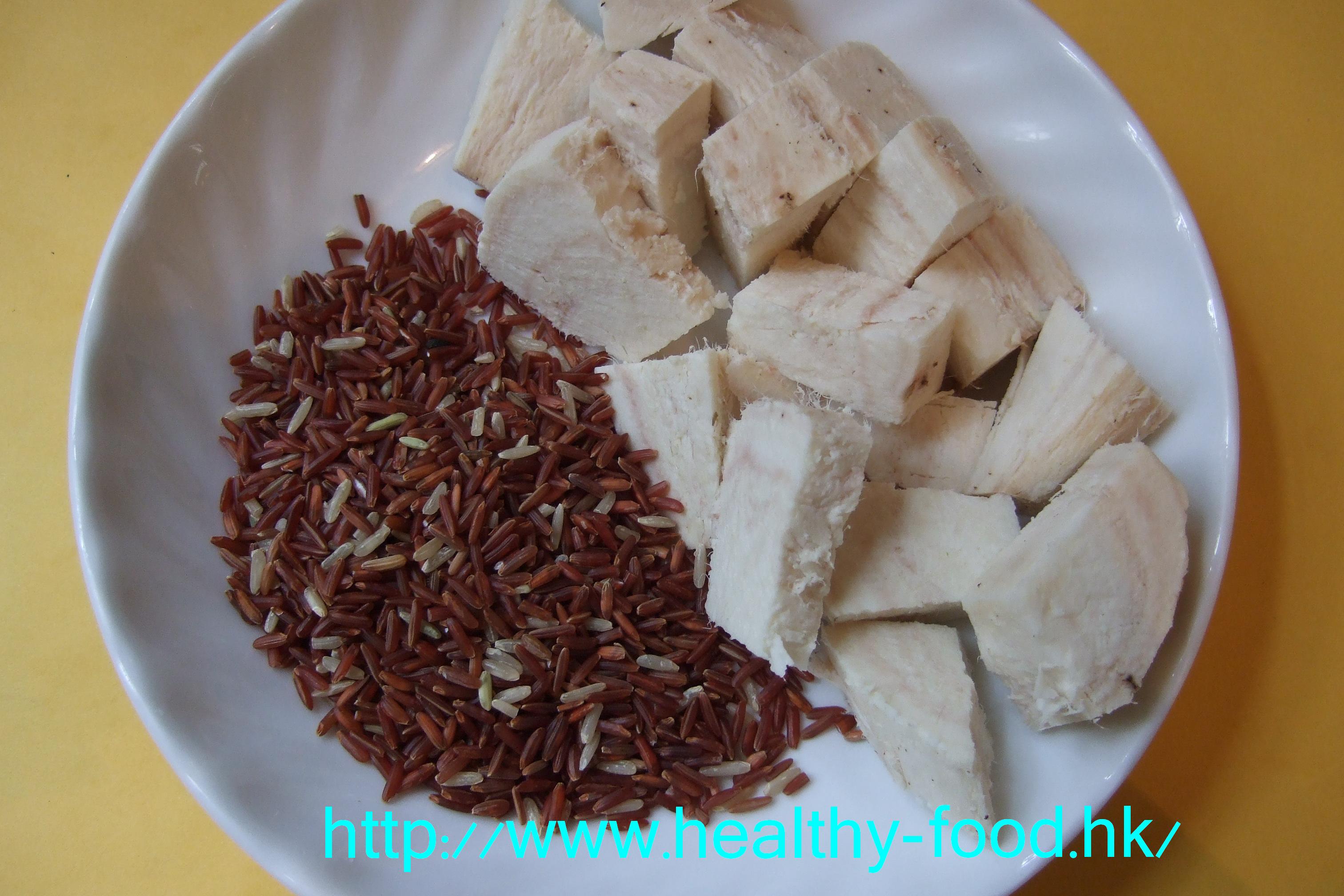
Why people make this congee
Bro Niu often reaches for kudzu (fu ge) because it is traditionally used to “open and disperse” pent-up heat. Cooked into a congee, it is traditionally associated with releasing the surface and easing fever, lifting the yang, calming the stomach, and quenching thirst. It’s a gentle, comforting bowl for a wind-heat cold with fever, headache and that tight, stiff neck-and-shoulder feeling — and is also traditionally used for a child’s wind-heat fever and queasiness.
Who it suits / who should be cautious
- People with a wind-heat cold: fever without sweat, headache, a stiff neck and tight shoulders; also a child’s wind-heat fever.
- It is also traditionally considered helpful for high-blood-pressure headache, angina, and weak-spleen loose stools.
- If a fever is high or won’t settle — especially in a child — please see a doctor.
Why these ingredients (the food-therapy logic)
- Kudzu root (fu ge): traditionally used to release the surface, ease fever, lift the yang and relax tight neck-and-shoulder muscles.
- Brown rice (hong zao mi): the gentle, nourishing congee base; ordinary white rice can be used instead.
Ingredients (1 pot)
| Ingredient | Amount | Notes |
|---|---|---|
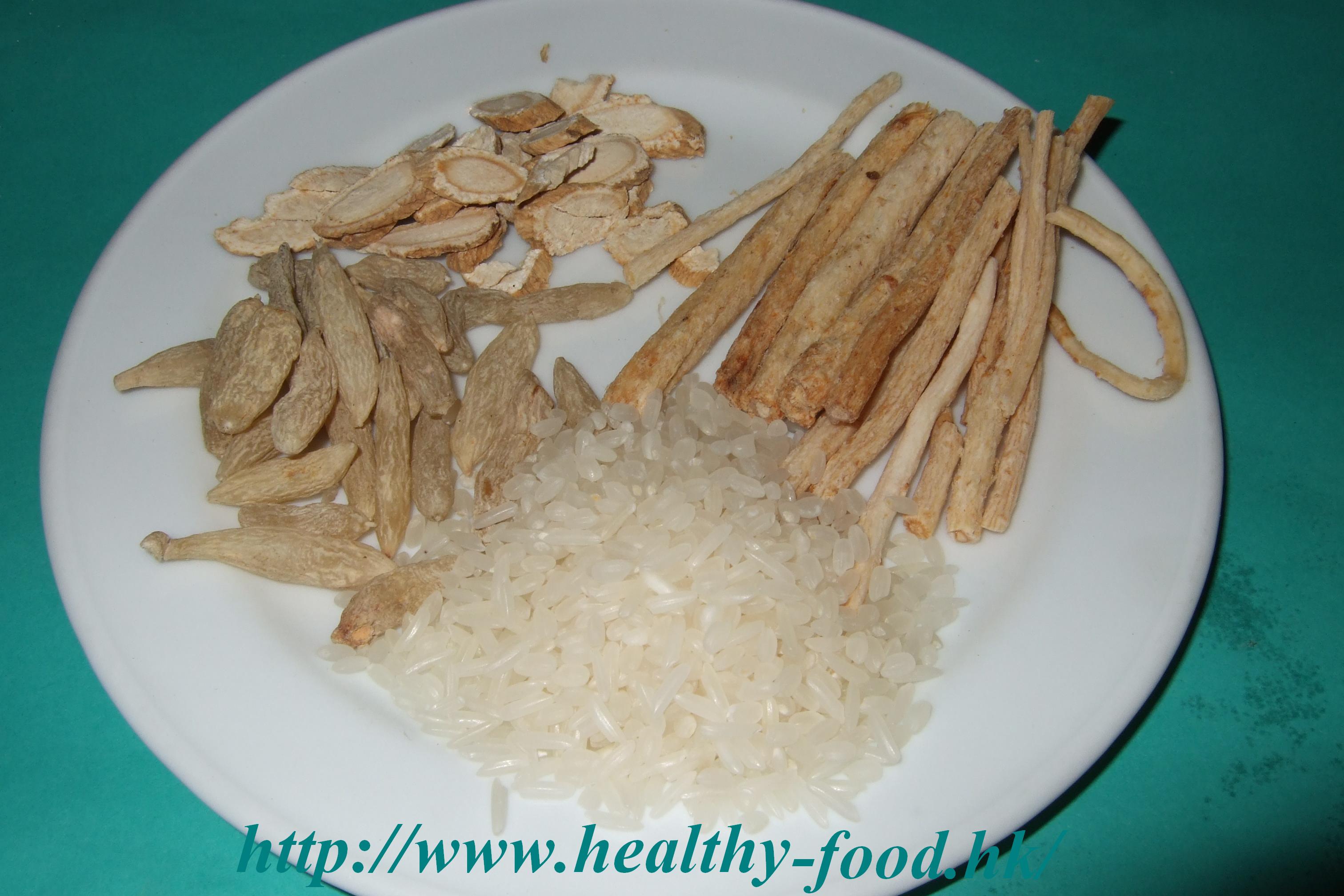
| Kudzu root (fu ge) | ~113 g (3 liang) | Peeled, cut into small chunks |
| Red brown rice | ~75 g (2 liang) | Soak 3–4 hours first; or use white rice |
Method
- Peel the kudzu and cut into small chunks.
- Combine with the brown rice and water and cook into a congee of medium-thick consistency.
- Serve to taste.
Bro Niu’s tips
This congee is fragrant and pleasant, and is associated with helping high-blood-pressure headache, angina and weak-spleen loose stools. Note: red brown rice should be soaked for 3–4 hours so it softens easily; eating the kudzu pieces, not just the congee, gives a better effect.
Community questions answered (selected)
- Q (San): My daughter has had a 38–39°C fever for 5 days; can she eat kudzu congee? Should I add lean pork? Any way to bring the fever down? Bro Niu: Kudzu congee helps release the surface and sweat; you can add lean pork. You can also simmer ~19 g reed root (lu gen), ~38 g Job’s tears (yi mi), 1 cored snow pear and ~19 g raw gypsum (shi gao) in 5 bowls of water down to 2, or use that broth to cook a lean-pork congee — both traditionally help ease a fever; take up to 3 doses. (For a fever this high and long-lasting, keep close contact with the doctor.)
- Q (Amy): Can I use a rice other than red brown rice? Bro Niu: Yes, you can use another rice — no problem.
- Q (Cara): If I just eat the congee without the kudzu, is the effect the same? About how long to cook? Bro Niu: Just the congee works, but eating some of the kudzu gives a better effect.
Published February 23, 2011 · Adapted and translated for Nourilo from a traditional home-kitchen recipe. Approx. 2 min read.