Herbal & Flower Teas
Jiaogulan Tea
Traditionally associated with immune support, antioxidant activity, and adaptogenic effects similar to ginseng
Why people make this tea
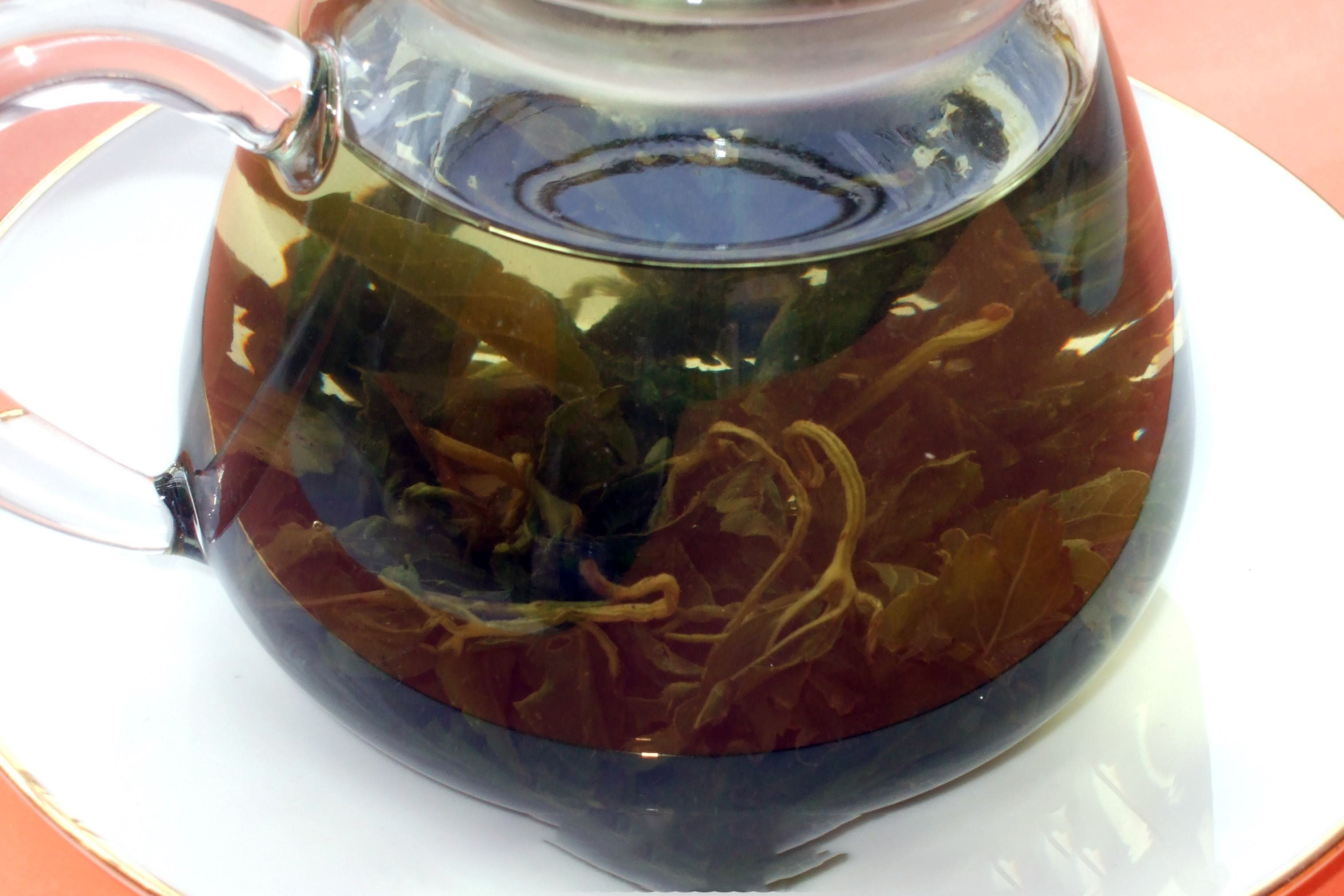
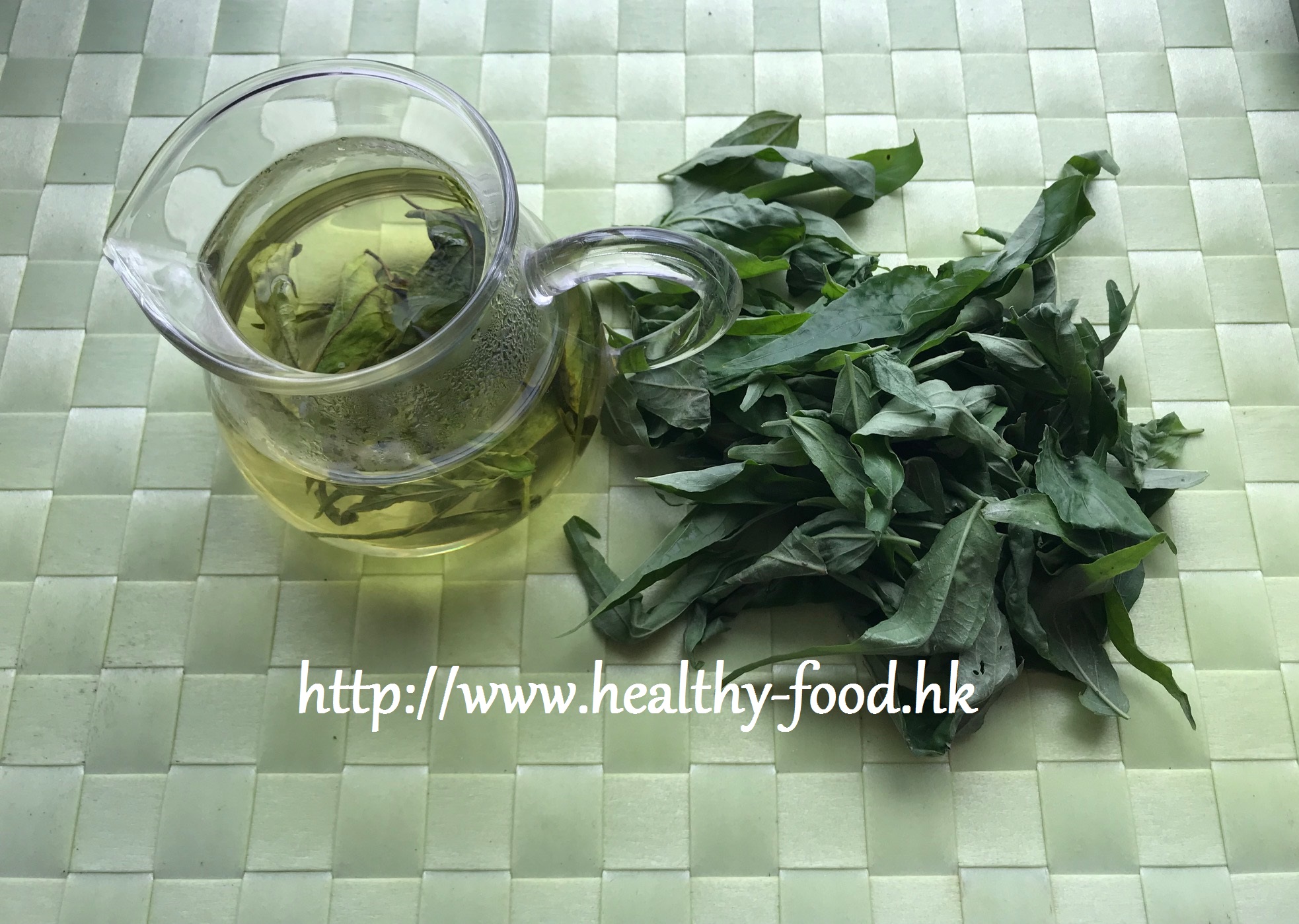
Jiaogulan (Gynostemma pentaphyllum) is sometimes called “southern ginseng” because it contains gypenosides — compounds closely related to the ginsenosides that make ginseng famous. In traditional Chinese food therapy, it is valued as an adaptogen: something that helps the body cope with stress, supports immune defences, and contributes to overall vitality. Some research has explored its potential in supporting cardiovascular health and blood lipid regulation, though human clinical evidence is still developing. Its tea has a rich, lingering flavour and a beautiful deep green colour — pleasantly different from most herbal teas.
Method
- Place the jiaogulan leaves into a teapot or heatproof cup.
- Pour in a small amount of boiling water; swirl briefly to rinse and discard.
- Pour in fresh boiling water to fill the pot.
- Steep for about 3 minutes, then pour and drink.
- Re-steep with additional boiling water as needed until the flavour is spent.
Nourilo’s Tips
The flavour of jiaogulan is rich and lingering — quite distinctive. Look for a tender-leaf (young shoot) grade at a Chinese herbal medicine shop for the best steeped cup; the whole-plant version with stems is very affordable and suits simmering with red dates for a slightly sweeter, less intense drink. Jiaogulan is also known as “jin sang zi” at some shops — do not let the different name confuse you. It pairs nicely with a piece of dried fig to warm and mellow the tea slightly.
Comments
Join the conversation — sign in or create a free account to comment.
Continue with GoogleLoading comments…