Herbal & Flower Teas
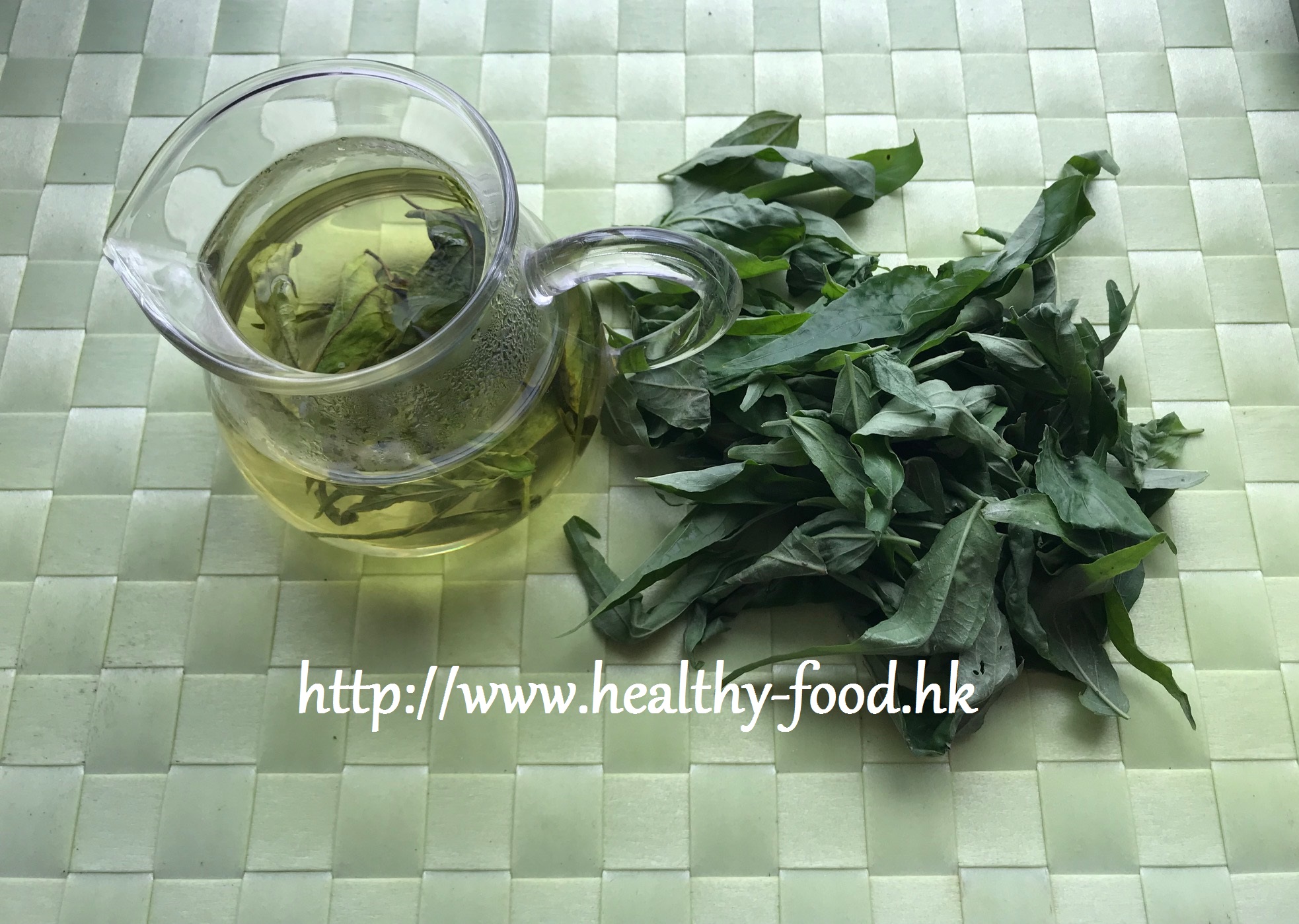
Jiaogulan Tea (Gynostemma pentaphyllum)
Traditionally associated with antioxidant support and immune-system wellness
Why people make this tea
Jiaogulan — called “the poor man’s ginseng” in parts of Asia — has been used as a folk remedy and daily tea in regions of southern China and Southeast Asia for centuries. What makes it interesting to the modern reader is that it is one of the better-studied traditional herbs: it contains a family of plant compounds called gypenosides (saponins) that are structurally similar to the ginsenosides in ginseng and the active compounds in several anti-cancer agents. Research has explored its effects on immune function, lipid metabolism, and cellular health, though the evidence for specific health claims remains ongoing. Nourilo recommends it as a pleasant, accessible daily tea — particularly for those who want a caffeine-free alternative with a good traditional track record. It tastes mildly grassy, clean, and slightly sweet; most people find it easy to drink.
Method
- Place the jiaogulan tea leaves in a teapot or heatproof vessel.
- Rinse the leaves once with boiling water; pour this water away. This brief rinse awakens the leaves and removes any dust.
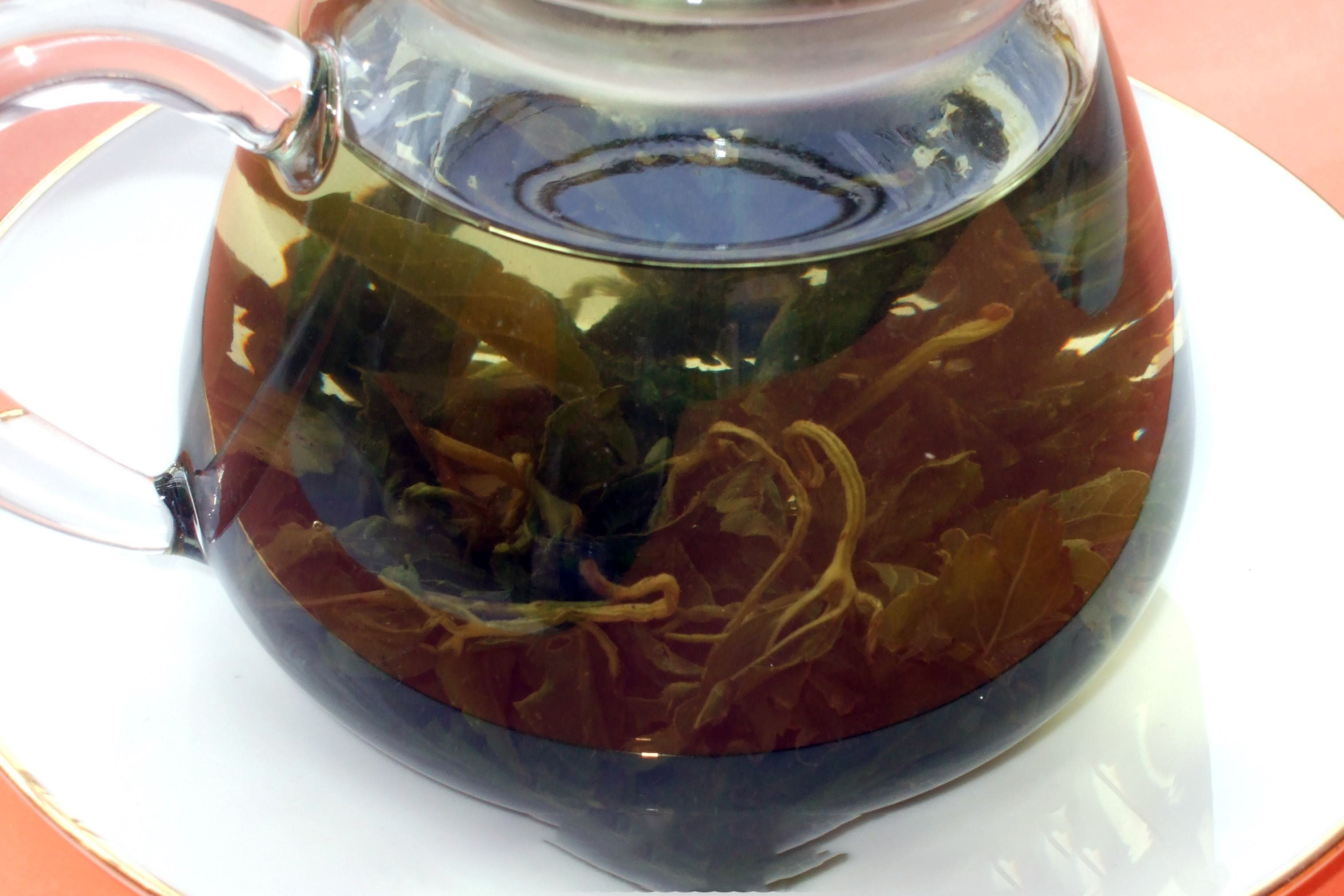
- Pour in fresh boiling water. Cover and steep for 5 minutes.
- Pour and enjoy. The same leaves can be re-steeped 4–5 times throughout the day, each time steeping a little longer than the last.
Nourilo’s Tips
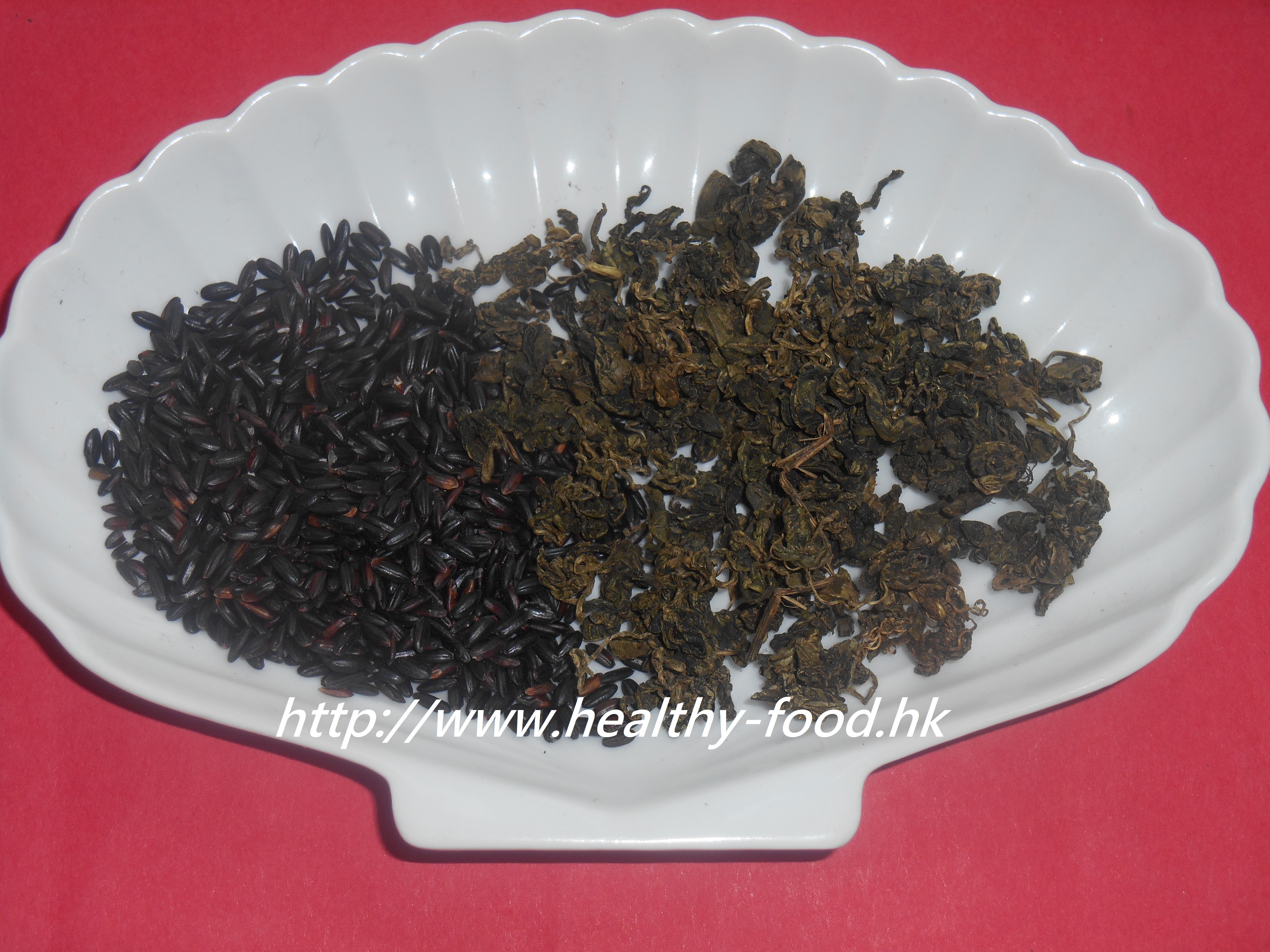
Jiaogulan is known in traditional Chinese medicine as “golden throat” (jin sang zi) and is associated with helping sore throats, mental fatigue, low white blood cell count (e.g. after chemotherapy), high cholesterol, viral hepatitis, chronic bronchitis, and chronic gastritis. Nourilo specifically recommends choosing the tender-leaf type that has been processed like tea — it has a cleaner aroma and will not conflict with other herbs if you blend it. For cancer patients or those wishing to add a warming element, add a slice or two of dried tangerine peel to the pot. The cooling nature of jiaogulan is worth keeping in mind: if your stomach feels sensitive after drinking, add the tangerine peel and reduce the amount slightly.

Comments
Join the conversation — sign in or create a free account to comment.
Continue with GoogleLoading comments…