Home-Style Dishes
Honey-Preserved Kumquats (Mi Jin Ju)
Traditionally supports relief of cough, indigestion, and post-alcohol discomfort; associated with liver detoxification and skin health
Why people make this
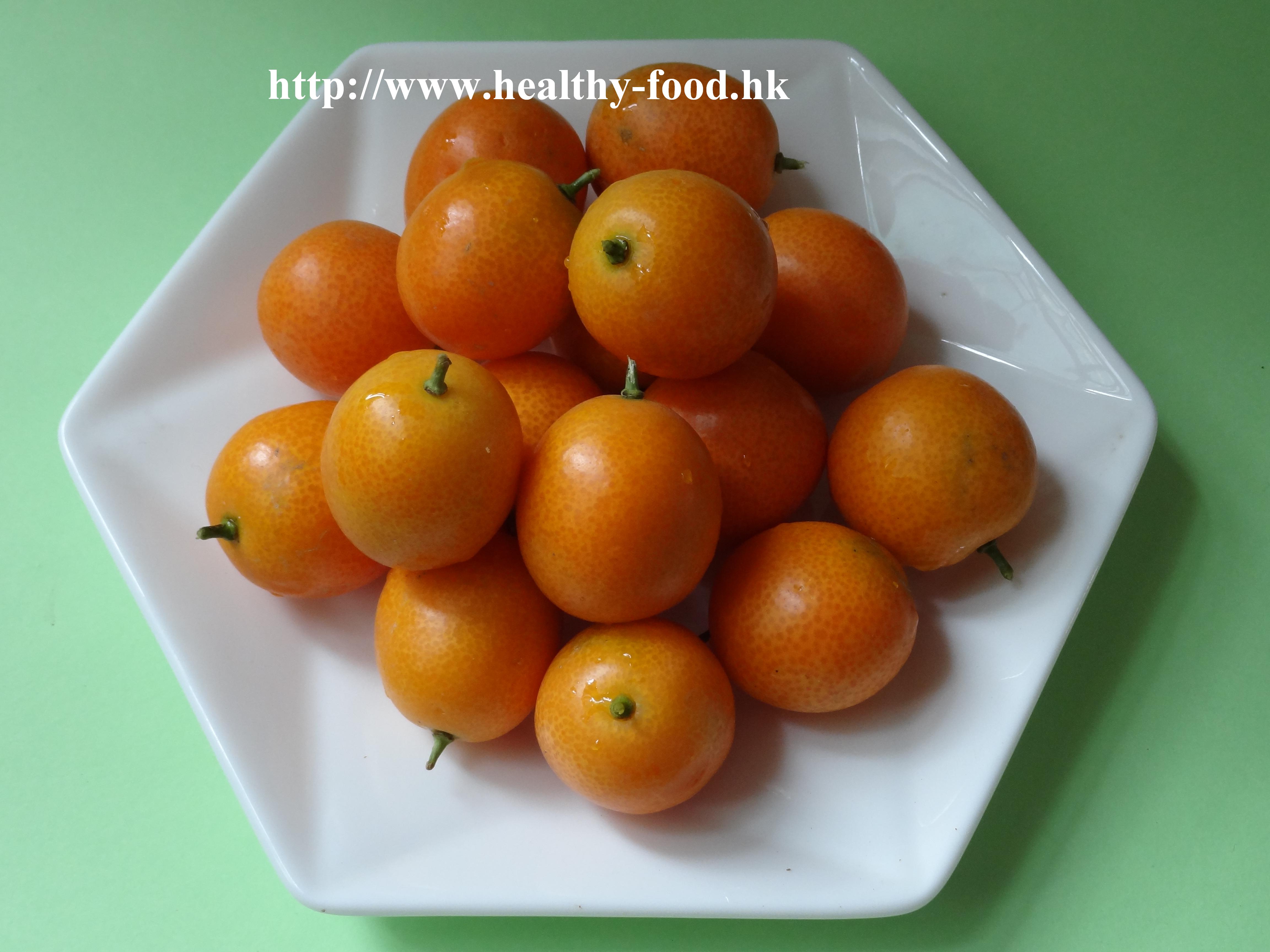
Preserved kumquats are one of those old-fashioned pantry staples that seem modest but turn out to be quietly indispensable. Keep a jar on hand, and you have a ready remedy for the moment a cough won’t quit, a big meal sits heavily in your stomach, or someone has had a glass too many at dinner. Kumquats are unusual among citrus fruits in that you eat the entire fruit — peel included — and in fact, about 80% of their vitamins A, C, and P are concentrated in the fragrant skin. Traditional food therapy values kumquats for warming and moving qi in the lungs and stomach: the kind of gentle, aromatic push that helps ease a tight chest, dissolve stubborn phlegm, or coax a sluggish digestion back to life. Curing them with salt first and then layering with rock sugar creates a sweet-sour, slightly salty syrup over the course of a month — a process that concentrates and mellows the fruit. Bro Niu first made salt-preserved kumquats, but this rock-sugar version is sweeter and more versatile.
Who it suits / who should be cautious
- Well suited to those with a nagging cold-type (productive, whitish phlegm) cough, indigestion, loss of appetite, food stagnation, or mild nausea after overindulgence
- Also associated with supporting asthma and bronchitis prevention when used regularly
- Suitable for adults and older children; can be brewed as a gentle tea
- Avoid drinking milk within one hour of consuming kumquats — the acid-protein combination can cause bloating and discomfort
- People with diabetes or blood-sugar concerns should use with caution due to the rock sugar content, or reduce the amount of rock sugar significantly
- The preserve can be stored for 1–2 years; unlike aged tangerine peel (chen pi), it does not need to be aged — it is best used 3–4 months after making, once it has fully absorbed the sugar and developed flavour
Why these ingredients (the food-therapy logic)
- Kumquat (jin ju), whole fruit including peel: Warm in nature; traditionally used to move lung and stomach qi, stop cough, strengthen the spleen, dissolve phlegm, aid digestion, and counteract alcohol. The peel is particularly valued for its detoxifying effect on the liver, its eye-protective properties, and its ability to support skin elasticity. Eating the peel is essential — most of the nutritional and therapeutic value lives there
- Salt: Used initially to draw out water content and begin the curing process; also has a mild preserving and throat-soothing effect
- Rock sugar (bing tang): Gently sweet and neutral; moister and less cloying than white sugar; acts as a natural preservative while adding a clean sweetness. Crushed yellow rock sugar (huang bing tang) is considered to have a better flavour, though white crushed rock sugar from the supermarket is more commonly available
Ingredients (1 large jar)
| Ingredient | Amount | Notes |
|---|---|---|
| Fresh kumquats | 3 lb (approx. 1.35 kg) | Ripe and firm; rinse well |
| Salt | 2 tablespoons | For the initial rubbing step |
| Crushed rock sugar (sui bing tang) | 500 g (1 jin) | Crushed yellow rock sugar preferred; white works too |
Method
- Remove the stem end from each kumquat and wash thoroughly.
- Place the kumquats in a large bowl, add 2 tablespoons of salt, and rub the salt all over the fruit.
- Place a sheet of cling film directly over the kumquats, then set a heavy weight on top (a pot of water works well) to press out the moisture. Leave for about half a day (6–8 hours).
- Drain off the liquid and pat the kumquats dry.
- Into a clean glass jar, place a layer of kumquats, then cover with a generous layer of crushed rock sugar. Repeat — kumquats, then rock sugar — until the jar is full, finishing with a layer of rock sugar on top.
- Seal the jar and store in a cool, dark place. The sugar will gradually dissolve and create a syrup.
- The preserve is ready to use after about 1 month. For best flavour, wait 3–4 months.
To use: Take 2–3 preserved kumquats per serving. Add to a cup of hot water or black tea, crush the kumquats gently in the cup, and drink warm. Eat the fruit as well.
Bro Niu’s tips
Honey-preserved kumquat tea is best enjoyed when you have a lingering cough, especially a cold-type cough with thin or white phlegm. It also helps after a heavy meal that sits uncomfortably in the stomach, or after drinking alcohol. It is said to be beneficial for people prone to asthma or bronchitis when taken regularly as a preventive. One important note: do not drink milk within an hour of eating kumquats — the combination is known to cause bloating. The preserve keeps for 1–2 years, though it does not improve with age the way tangerine peel does; most people find it at its best around 3–4 months in.
Community questions answered (selected)
-
Q (Angel): Bro Niu, I preserved a batch in late January. Now some of the ones on the surface have gone mouldy after 11 days. Why? Bro Niu: The most likely cause is that one or two kumquats were starting to go bad before you put them in, which spread to the rest. Remove the mouldy ones immediately. The key fix is to make sure every fruit is well coated in sugar syrup — if the top layer is dry, add more crushed rock sugar, and shake or turn the jar every 2–3 days so all the fruit stays in contact with the syrup. That will prevent further mould.
-
Q (meimei): For preserving kumquats, is white rock sugar better, or yellow rock sugar? Bro Niu: Yellow crushed rock sugar gives a better flavour. Most grocery stores only carry white crushed rock sugar — that works fine too. If you can find yellow rock sugar, crush it yourself before using.
-
Q (Ting): I have had a persistent dry cough since recovering from a fever. I see a little thin white phlegm sometimes, and my throat is itchy. What might help? Bro Niu: Try making a porridge with 10 pitted ginkgo nuts, 37 g walnut meat, and 37 g mixed apricot kernels — this can help ease the cough and reduce breathlessness. For the itchy throat, a simple tea of peppermint, mulberry leaf, and chrysanthemum (a small pinch of each) can bring relief.
Published December 30, 2011 · Adapted and translated for Nourilo from a traditional home-kitchen recipe. Approx. 5 min read.