Soups
Guava, Corn, and Pork Rib Soup
traditionally associated with supporting healthy blood sugar levels and cardiovascular wellness
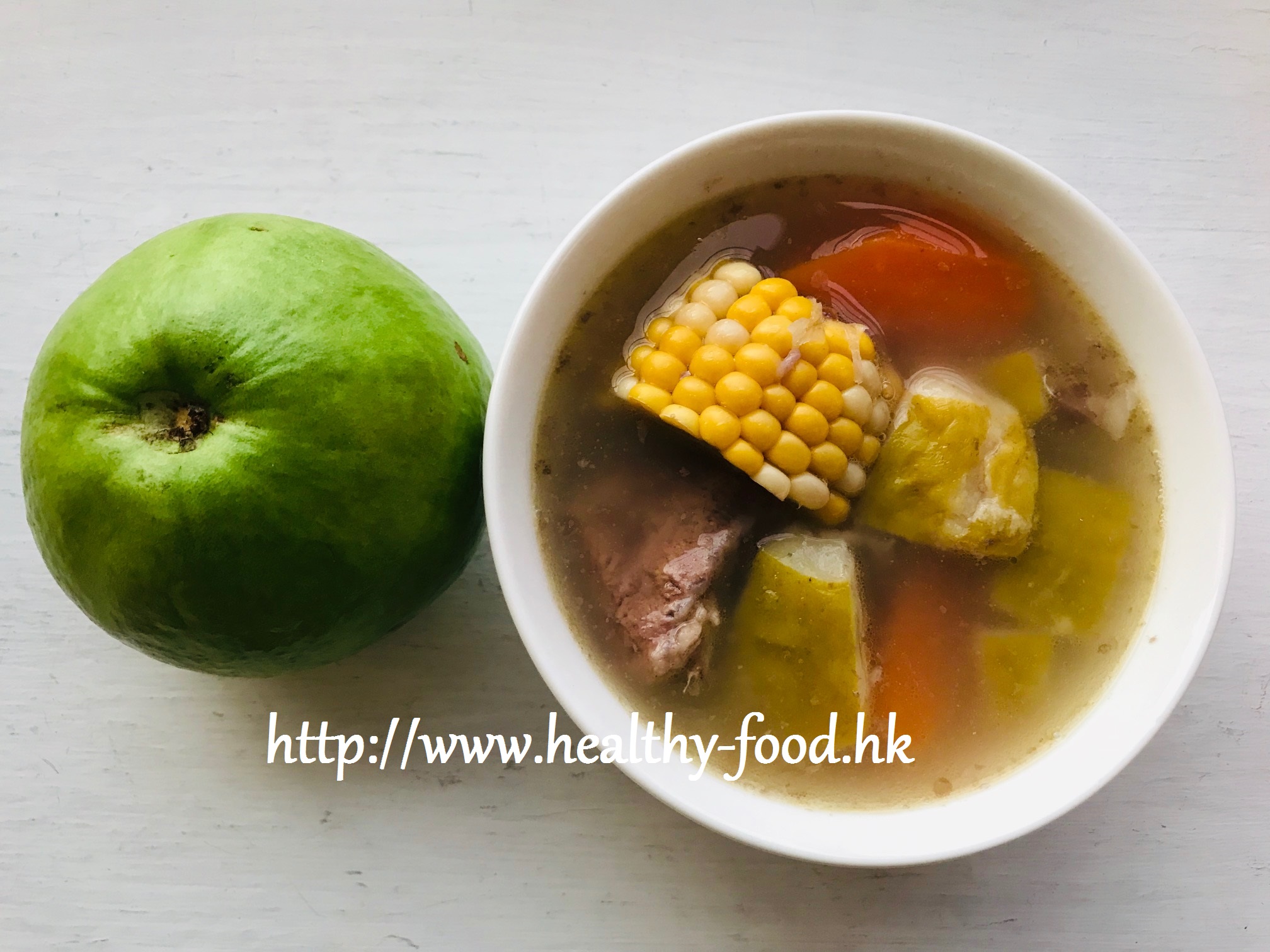
Why people make this soup
Years ago, a relative of Bro Niu living in Australia was diagnosed with diabetes. Despite taking Western medication, his blood sugar remained stubbornly difficult to manage. A friend with Chinese medicine knowledge noticed that there were two guava trees in his garden, and suggested picking a handful of guava leaves each day to brew as a tea, and eating several ripe guavas daily when they were in season. After following this for some time, he found that his excessive thirst, frequent urination, and the characteristic foamy appearance of his urine all improved considerably.
Fresh guava is now widely available in Asian grocery stores — and the smaller, deep-red “ruby” varieties are deliciously sweet, while the larger, firm, green-skinned guavas from Southeast Asia (sometimes called “ba le” or “guayaba”) have particularly strong associations with supporting insulin secretion and blood sugar regulation. Bro Niu pairs them here with corn and carrot to make a gentle, everyday family soup.
Who it suits / who should be cautious
- Suitable for those managing or at risk of elevated blood sugar; generally good for the whole family as a protective everyday soup
- Those with constipation or weak bowel movement should note: guava seeds do not digest and may increase difficulty of passage — remove the seeds before cooking, or keep portion sizes moderate
- The soup is not cooling or heating, and is suitable for most constitutions
- Guava leaves (available in some herbal stores as a dried tea, or in commercial “anti-sugar” teabags) can be used as a supplementary tea alongside this soup
Why these ingredients (the food-therapy logic)
- Guava (ba le / fan shi liu): Rich in dietary fibre, vitamin C, and quercetin. Studies have explored compounds in both the fruit and leaves that may help stimulate insulin secretion and support blood sugar regulation. High fibre content also supports bowel regularity and may help reduce arterial cholesterol. Traditional food-therapy associates guava with supporting cardiovascular health and managing blood pressure.
- Carrot (hong luo bo): Rich in beta-carotene and pectin; associated with supporting healthy blood sugar metabolism and eye health.
- Corn (su mi): Naturally sweet; its natural sugars are released slowly, and it is associated with supporting the stomach and promoting fluid metabolism.
- Pork ribs (pai gu): Provide protein and natural collagen; give the broth richness without excessive fat.
Ingredients (4–5 bowls)
| Ingredient | Amount | Notes |
|---|---|---|
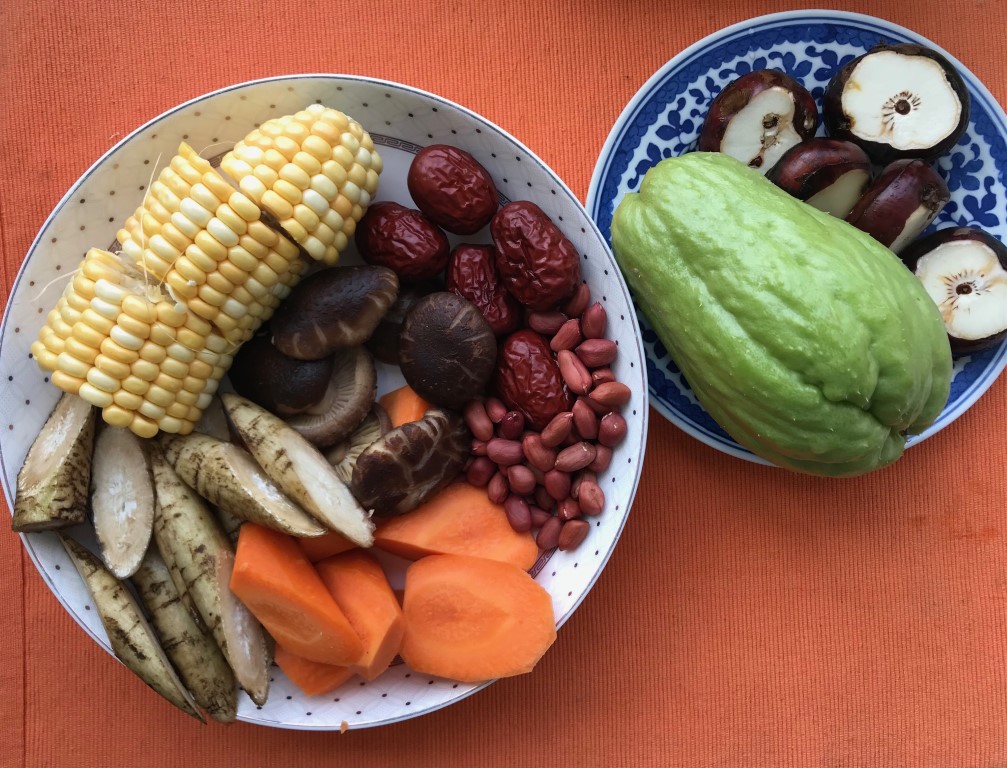
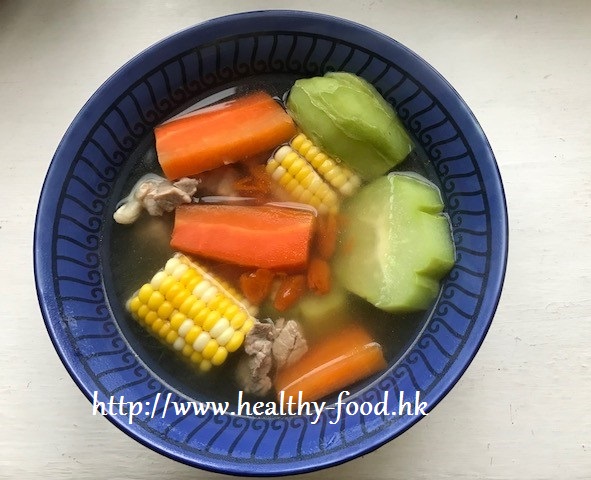
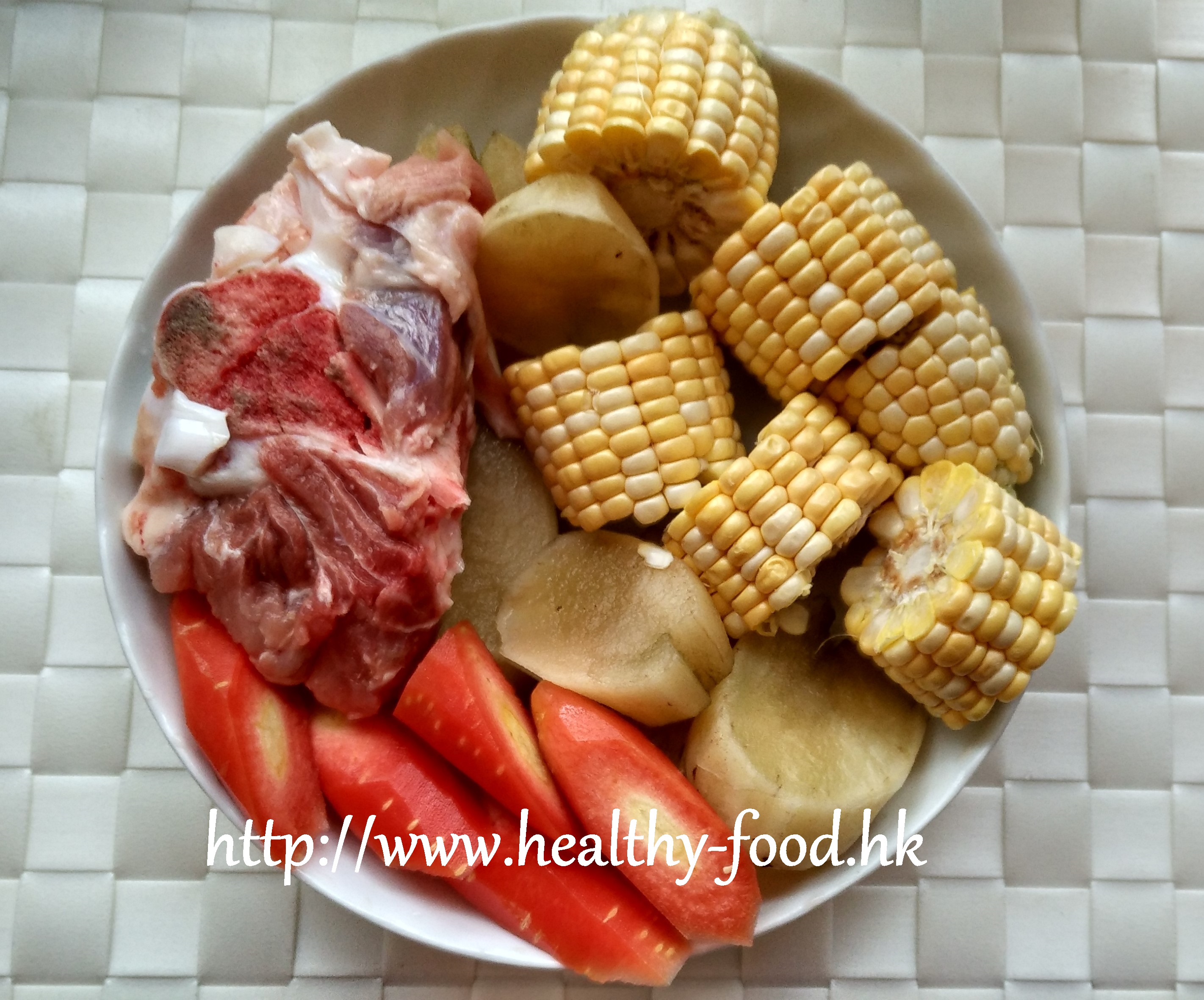
| Guava | 2 medium | Rinse; keep skin on; cut into chunks; seeds may be removed |
| Carrot | 1 medium | Peeled, cut into chunks |
| Corn on the cob | 1 | Husked, cut into sections |
| Pork ribs | ~225 g (6 liang) | Blanched in boiling water first |
| Water | 7–8 bowls (~1.5 litres) |
Method
- Rinse the guavas and cut into chunks with skin on (the skin also contains beneficial compounds). Remove seeds if desired.
- Peel and cut the carrot into chunks. Husk the corn and cut into sections.
- Blanch the pork ribs in boiling water for 2–3 minutes; drain and rinse.
- Combine all ingredients with 7–8 bowls of water in a pot.
- Bring to a boil, then reduce to a steady simmer and cook for 1 hour until reduced to 4–5 bowls.
- Serve and eat both the soup and the solid ingredients — including the guava flesh — for full benefit.
Bro Niu’s tips
The red-fleshed “ruby” guava is sweeter and better for eating fresh; the harder, green-skinned variety is better for soups and has stronger blood sugar associations. Both types are high in fibre, which helps clear intestinal waste and supports healthy bowel movement — but the seeds are indigestible, so those prone to constipation or who strain to pass stools should remove the seeds before cooking or eat only moderate portions. If you remove the seeds, add an extra guava to compensate for the reduced volume.
Community questions answered (selected)
-
Q (JK): My parents have severe diabetes with poor vision and memory. Can I add goji berries and walnuts to this soup? Where can I find guava leaves? Bro Niu: Your parents can certainly drink this soup, and yes — adding goji berries and walnut pieces is a great idea. For guava leaves, look for commercial “anti-sugar” teabags, which are primarily made from guava leaves. Dried guava pieces are also available at Chinese or Asian herbal stores. Dried guava is not cooling, and can be brewed daily as a tea.
-
Q (Christine): If I remove the seeds from the guava before making the soup, does it have the same effect? Bro Niu: Yes, removing the seeds does not affect the soup’s therapeutic properties — just add an extra guava to make up the volume.
-
Q (Esther): My mother is in her eighties, has diabetes and dementia, and has difficulty swallowing. She also tends to have phlegm. What can help with the phlegm? Bro Niu: Try using one-sixth of a golden monk fruit (jin luo han guo) along with a tablespoon of ophiopogon root (mai dong), steeped as a drink. This nourishes yin, produces fluids, and helps thin phlegm. Golden monk fruit is sweeter than regular monk fruit — about 300 times sweeter than sugar — so only a small piece is needed. It is suitable for diabetics.
Published May 5, 2020 · Adapted and translated for Nourilo from a traditional home-kitchen recipe. Approx. 4 min read.