Herbal & Flower Teas
Goji and Sour Jujube Seed Tea (Qi Zi Zao Ren Cha)
traditionally used to nourish liver and kidney, calm the mind, and support restful sleep

Why people make this tea
During exam season, many parents rush to give their children tonics and rich supplements — but Bro Niu cautions that overdoing it can backfire: too rich or too heating, and the child becomes agitated, has a poor appetite, and loses focus. Instead, gentle and balanced food therapy works better. This goji and sour jujube seed tea is one of the simplest calming drinks in the traditional Chinese repertoire. Two ingredients, twenty minutes, and a cup of naturally sweet, mildly earthy tea that supports the liver, calms the mind, and may help with restful sleep. It is equally useful for adults dealing with work stress, early-morning fatigue, or the brain fog that comes with overwork.
Who it suits / who should be cautious
- Suitable for students, professionals, and older adults experiencing mental fatigue, mild dizziness, restlessness, or poor sleep with many dreams
- Also helpful for those with a constitution that Chinese medicine describes as “liver and kidney deficiency” — symptoms might include blurry vision, mild tinnitus, or feeling depleted after mental exertion
- Suitable for children aged around 10 and above (at smaller quantities), including teenagers under exam pressure
- Those with excess interior dampness and a thick, greasy tongue coating should be cautious — this tea is nourishing and may not be appropriate if the constitution is very damp
Why these ingredients (the food-therapy logic)
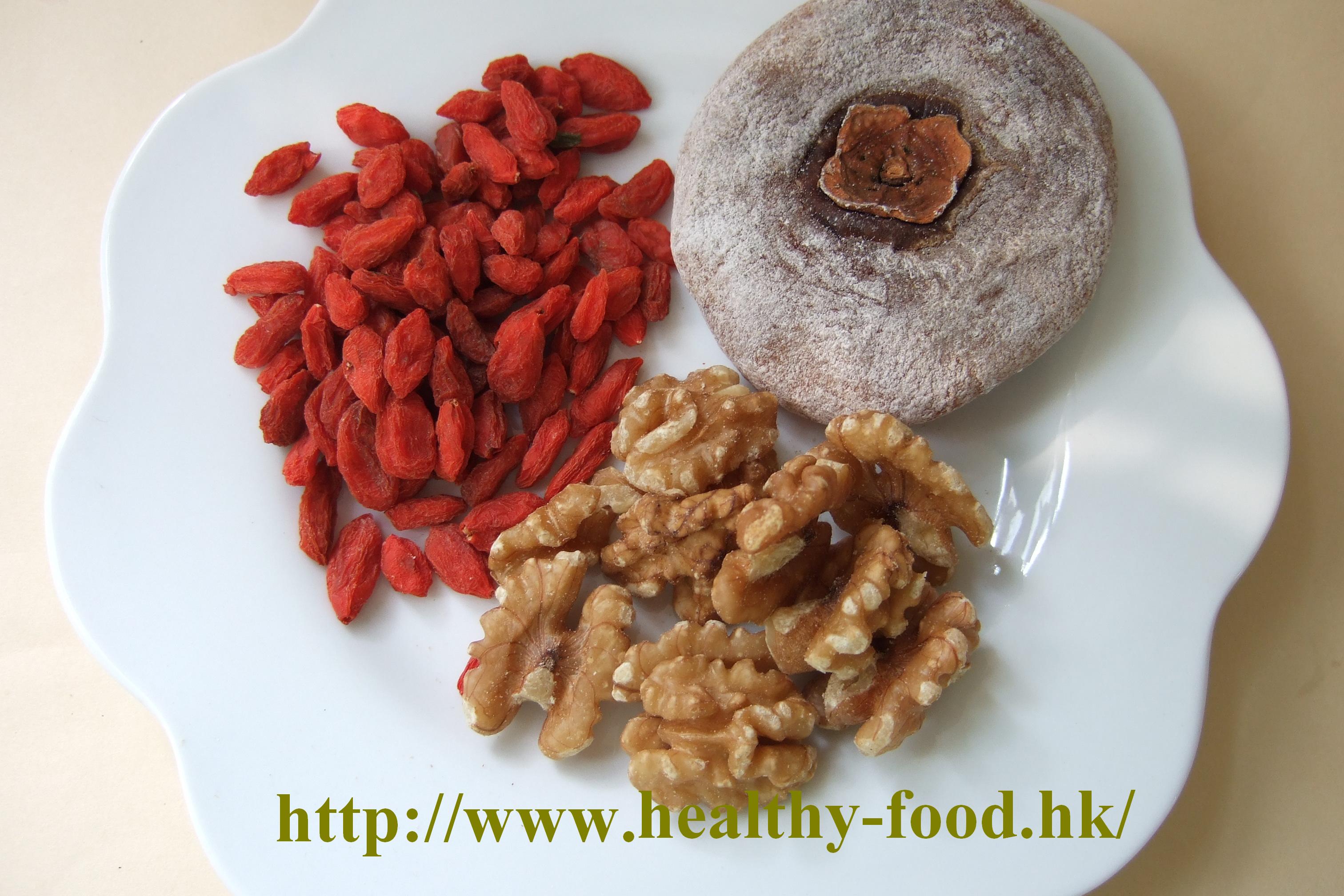
- Goji berries (gou qi zi): A beloved everyday food-therapy ingredient; sweet and neutral in nature. Traditionally associated with nourishing liver and kidney, supporting clear vision, and gently tonifying blood and yin.
- Sour jujube seeds (suan zao ren): One of the classical herbs for calming the mind in Chinese medicine. The seeds are sour and sweet in flavour; they are associated with nourishing heart yin, quieting the spirit, and supporting the transition to sleep. Crushing the seeds before steeping is important — it releases the active constituents.
Ingredients (1–2 cups)
| Ingredient | Amount | Notes |
|---|---|---|
| Goji berries | 3 qian (~11 g) | Rinse briefly with boiling water |
| Sour jujube seeds (suan zao ren) | 3 qian (~11 g) | Crush or pound before use |
| Rock sugar or brown sugar | To taste |
Method
- Rinse the goji berries briefly with boiling water to clean them.
- Crush or pound the sour jujube seeds (a mortar and pestle or a zip-lock bag and rolling pin both work).
- Place the goji berries, crushed jujube seeds, and sugar in a teapot or heatproof cup.
- Pour in freshly boiled water and steep, covered, for about 20 minutes.
- Strain out the solids and drink while warm.
Bro Niu’s tips
This tea is simple but genuinely effective for those who are mentally overtaxed. It suits those with nervous exhaustion and insomnia with vivid dreams — a pattern often seen in students and people who work long hours. For best results, drink it consistently rather than just once or twice. A thick, greasy tongue coating (indicating excess dampness) suggests this tea is not the right fit; address the dampness first.
Community questions answered (selected)
-
Q (Li Tai): My 16-year-old son has a weak spleen and stomach but is exhausted from exams. Can he drink this tea? Bro Niu: Yes, he can drink this tea. Also try making a four-herb pork rib soup (si shen tang) for his spleen and stomach — you can find the recipe by searching “si shen tang” on my site.
-
Q (Xiao Yao): Is this tea suitable for those with a yin-deficient constitution? Bro Niu: Yes, this tea is suitable for a yin-deficient constitution.
Published December 16, 2013 · Adapted and translated for Nourilo from a traditional home-kitchen recipe. Approx. 3 min read.