Herbal & Flower Teas
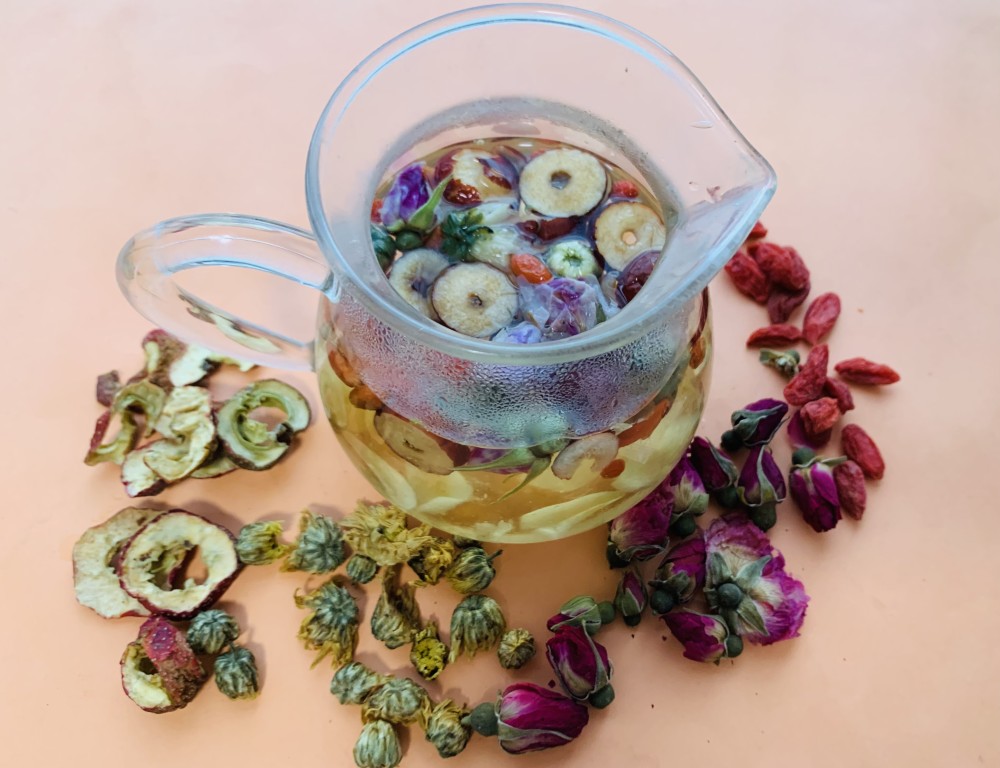
Goji Berry, Chrysanthemum & Hawthorn Tea
Traditionally associated with supporting liver function, reducing fat accumulation, and easing eye fatigue
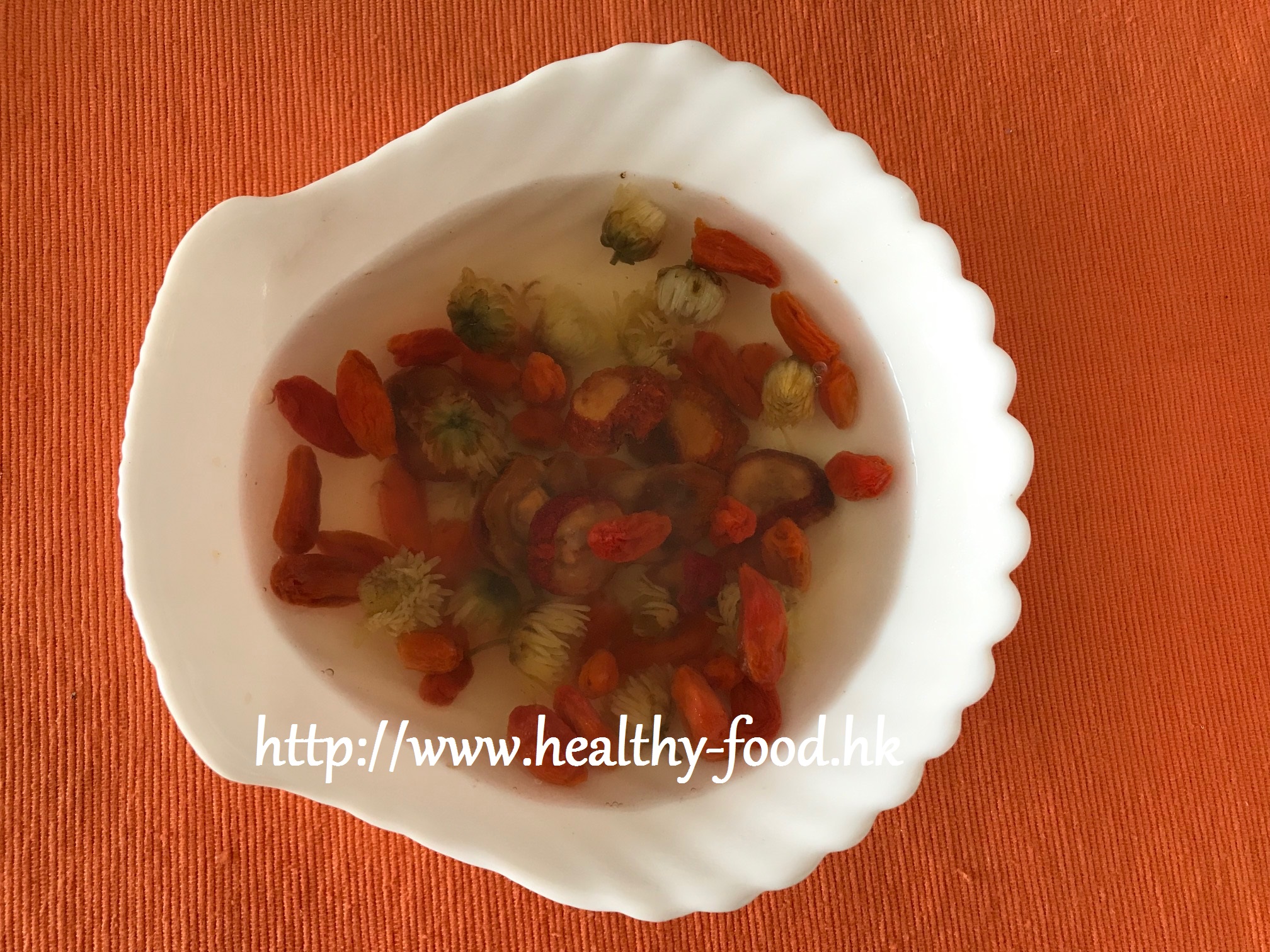
Why people make this tea
Fatty liver has become one of the most common lifestyle-related conditions in modern cities — driven by sedentary work, irregular eating, excess alcohol, and family history of obesity. Research on goji berries suggests they may help inhibit fat deposition within liver cells and support the regeneration of liver tissue. Chrysanthemum has long been used in Chinese food therapy to soothe tired, irritated eyes and clear heat from the liver. Hawthorn is famous as a digestive aid, known in traditional practice for moving stagnant food, dissolving fat, and gently lowering blood pressure. Together, these three make a tea that is easy to drink daily and grounded in both tradition and modern nutritional interest.
Who it suits / who should be cautious
- Suitable for adults of most constitutions; a warming pinch of tangerine peel or a few red dates can be added to temper the slight cooling nature of chrysanthemum
- People managing obesity, high blood pressure, high blood lipids, or blood sugar concerns may also find this tea useful as a supportive drink
- Pregnant women should not drink this tea (hawthorn is traditionally contraindicated)
- Chrysanthemum is mildly cooling; people with a cold spleen-stomach constitution should add a piece of dried tangerine peel (chen pi) or a few slices of ginger
Why these ingredients (the food-therapy logic)
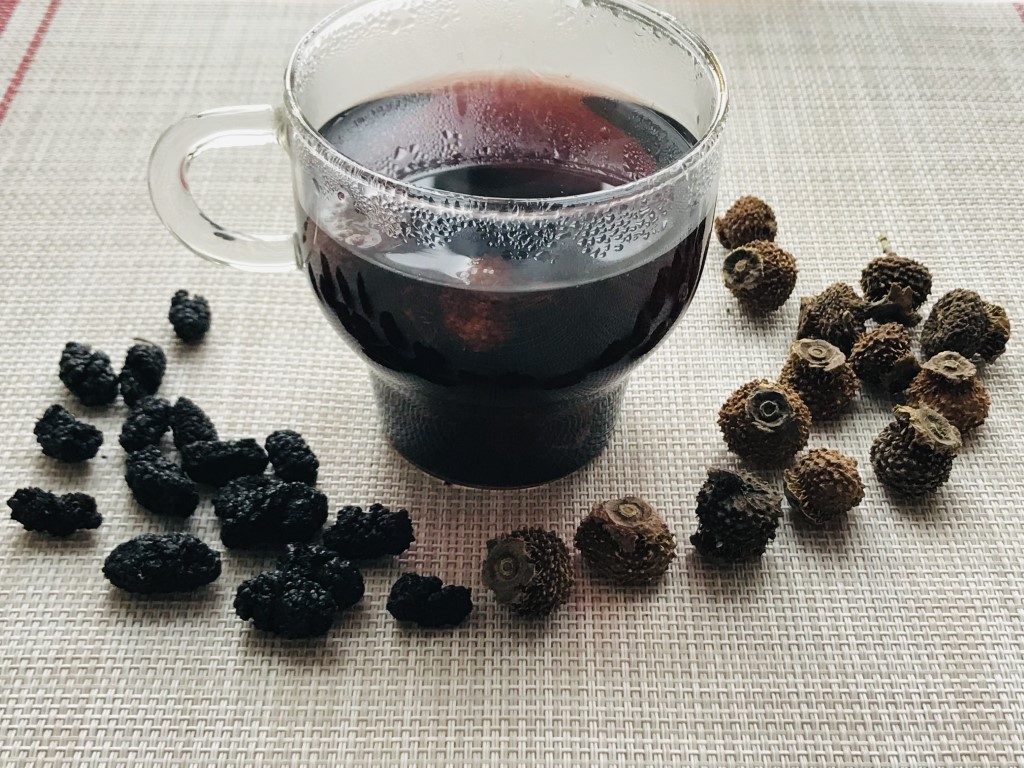
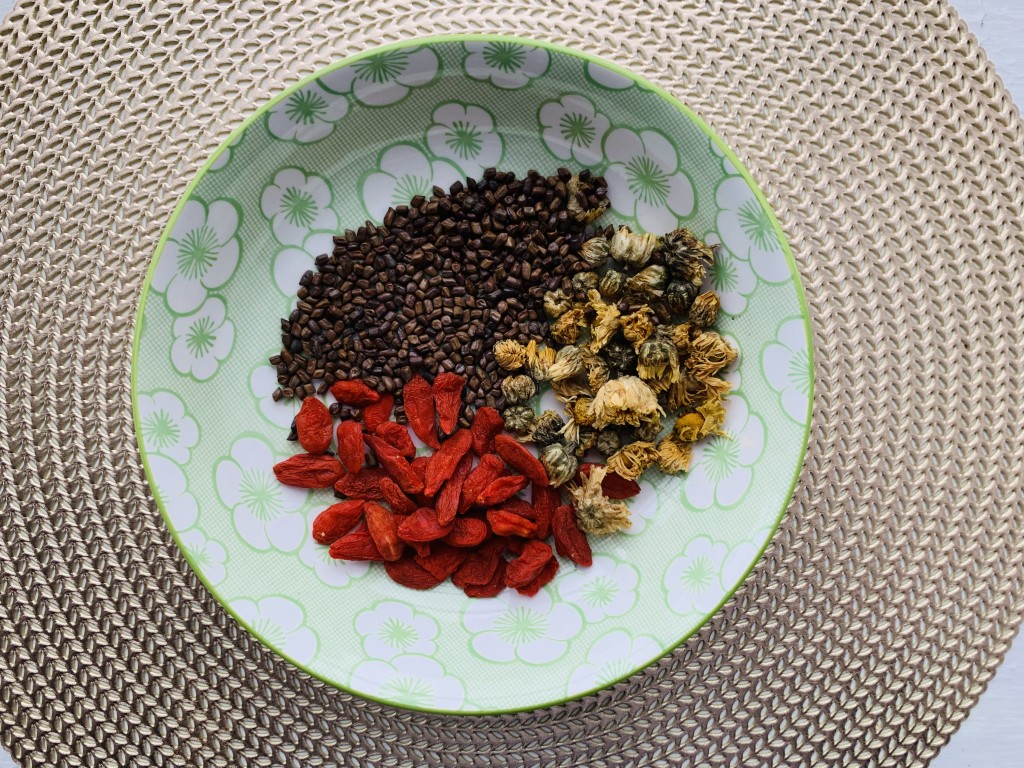
- Goji berries (gou qi zi): Rich in polysaccharides and antioxidants; in Chinese food therapy, valued for nourishing liver and kidney yin, brightening the eyes, and supporting the body’s anti-aging capacity; some studies indicate goji polysaccharides may protect liver cells
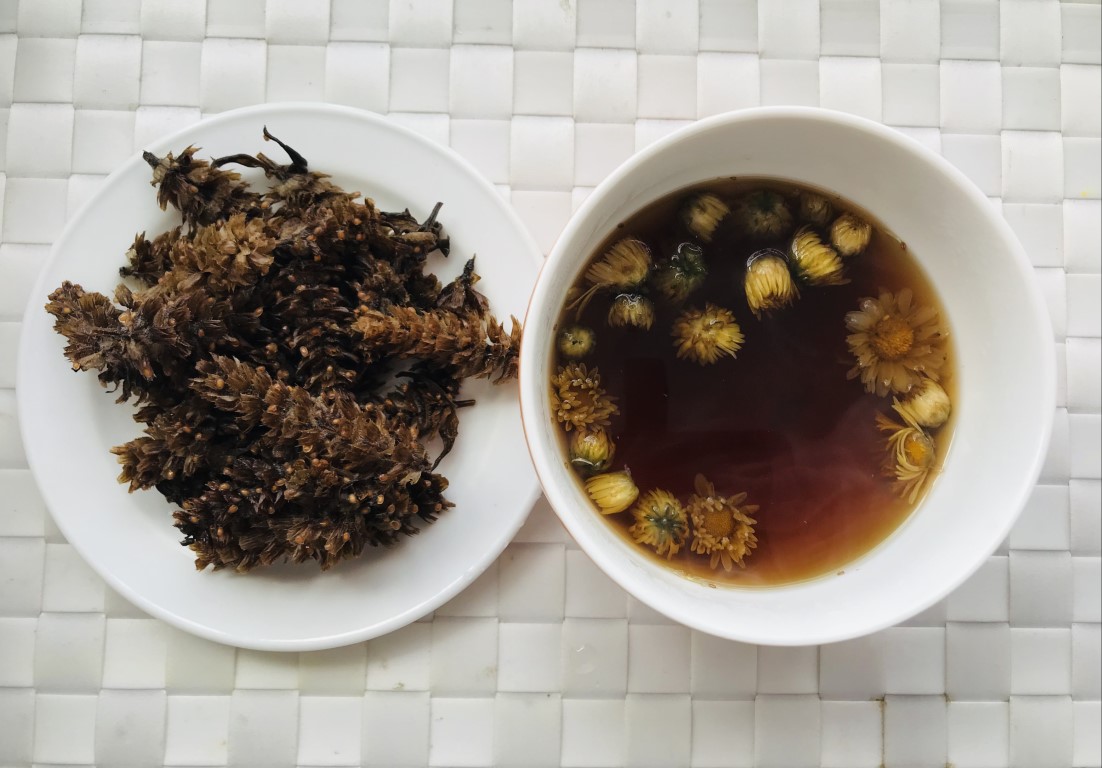
- Chrysanthemum (ju hua): Gently disperses wind-heat from the liver channel; traditionally used for red, fatigued eyes; also mildly calming and mentally clarifying
- Hawthorn (shan zha): Well known in both Chinese and Western herbal practice for supporting digestion, breaking down fats, promoting circulation, and helping manage blood lipids and blood pressure
Ingredients (1–2 cups)
| Ingredient | Amount | Notes |
|---|---|---|
| Goji berries | 1 tablespoon | |
| Chrysanthemum flowers | 1 tablespoon | Tai ju (bud chrysanthemum) or hang ju both work well |
| Dried hawthorn slices | 1 tablespoon | |
| Boiling water | Enough to fill a teapot |
Method
- Place all three ingredients into a teapot or mug.
- Pour in a small amount of boiling water to rinse the ingredients once; discard this rinse water.
- Pour in fresh boiling water to fill the pot.
- Steep for 10 minutes, then pour and drink.
- This tea can be re-steeped with additional hot water until the flavour is exhausted.
Bro Niu’s tips
This tea has a pleasant, slightly fruity-floral character. Drinking it 4–5 times a week is a good rhythm — not every single day, as it is good practice to let the body do its own work without over-relying on any one remedy. It is perfectly fine served at room temperature, but avoid drinking it ice-cold habitually, as cold drinks weaken the spleen and digestive function over time.
Community questions answered (selected)
-
Q (pearl): I have moderate fatty liver. Can I drink this tea, and do I need to cook it on the stove or just steep it? Bro Niu: You can either simmer it for 5 minutes on the stove or steep it in boiling water for 10 minutes — both work. Fresh fruits and vegetables, including kiwi, are also beneficial for people with fatty liver.
-
Q (anonymous): Chrysanthemum is cooling — can I add red dates to balance it? I have fatty liver but a cold constitution. Bro Niu: Chrysanthemum is only mildly cooling, and goji berry is neutral, so this tea suits both warm and cold constitutions. You can absolutely add a piece of tangerine peel to reduce the cooling nature further, and a few red dates are fine too.
-
Q (Bobby): Can I use German chamomile instead? And should I brew it or simmer it? Bro Niu: German chamomile works as a substitute, but chamomile is better steeped than simmered. Instead, simmer the hawthorn in water for about 10 minutes first, then add the chamomile and goji berry, turn off the heat, and steep for 5 minutes before drinking.
Published April 28, 2019 · Adapted and translated for Nourilo from a traditional home-kitchen recipe. Approx. 3 min read.