Soups
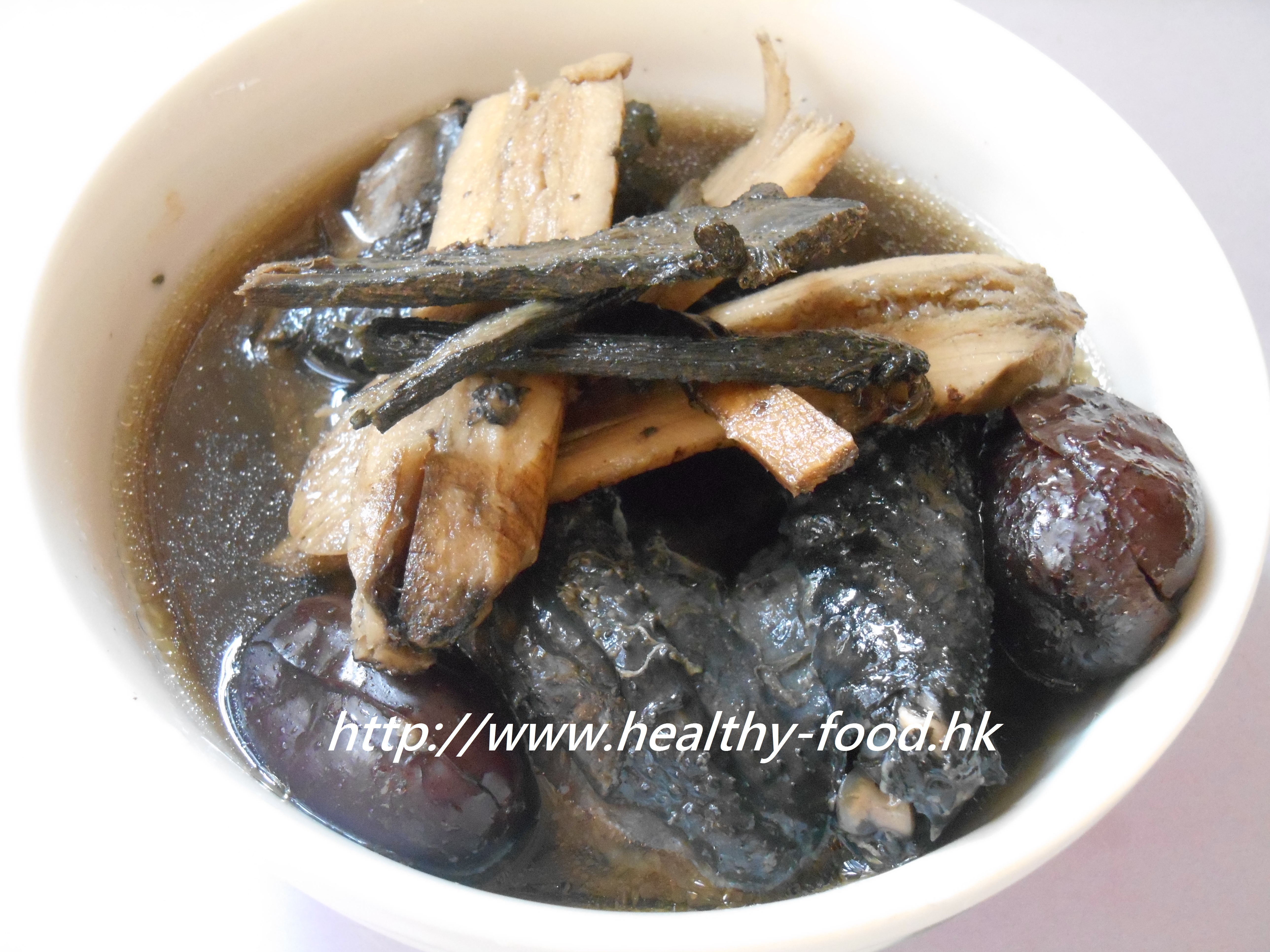
Astragalus Root, Cimicifuga and Silkie Chicken Soup
traditionally used to lift sinking qi and support recovery from organ prolapse conditions
Why people make this soup
Gastroptosis — where the stomach drops lower than its normal position — is more common than many people realise, and it often goes undiagnosed for years. The pattern that leads to it is familiar: work stress, irregular eating, binge-and-fast cycles, and not enough rest. Common signs include a persistent feeling of fullness or pressure after meals, bloating, fatigue, irritability, and, in some cases, actual stomach pain or visible sagging of the abdomen. Traditional Chinese food therapy addresses this under the concept of “sinking qi” — the body’s upward-holding energy is insufficient, and the internal organs lose their proper tone and position. The classic remedy is to supplement and raise qi using astragalus (bei qi) paired with cimicifuga (sheng ma), a combination that appears repeatedly across classical Chinese medical texts for treating this exact pattern.
Bro Niu notes that the same formula was previously featured for uterine prolapse — two very different anatomical locations, but the same underlying pattern of sinking qi. In Chinese medicine, this is described as “treating different diseases by the same method.”
Who it suits / who should be cautious
- Suitable for those with confirmed or suspected gastroptosis, uterine prolapse, or rectal prolapse, as a supportive food-therapy alongside medical care.
- Also suitable for chronic dysentery with rectal prolapse.
- Can be taken 2–3 times per week until symptoms improve.
- Consult a doctor before using if you are on medication, especially for blood pressure or immune-related conditions, as astragalus has active pharmacological effects.
Why these ingredients (the food-therapy logic)
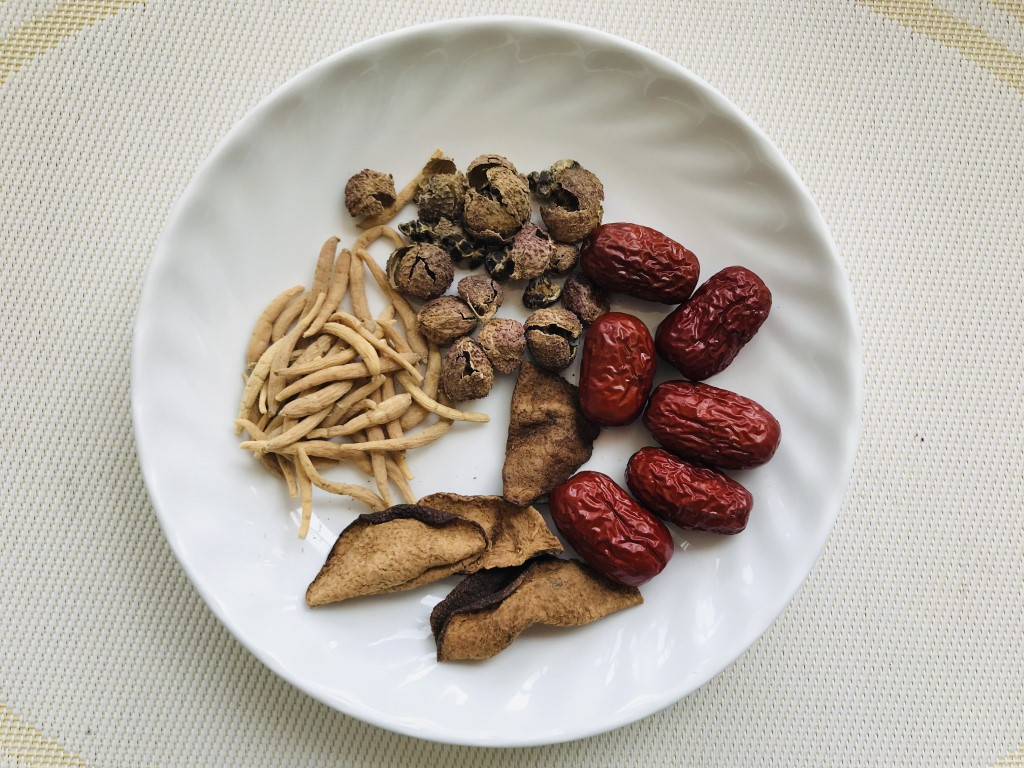
- Astragalus root (bei qi / huang qi, Astragalus membranaceus): One of the most important qi-tonifying herbs in Chinese medicine. Traditionally used to strengthen the middle (digestive) qi, raise sinking organs, and support immune function. Modern research has confirmed its adaptogenic and immune-modulating properties.
- Cimicifuga rhizome (sheng ma, Cimicifuga foetida): The classical herb for “ascending” or lifting downward-sinking qi. Always paired with astragalus for prolapse patterns — astragalus provides the qi, and cimicifuga directs it upward.
- Dried tangerine peel (chen pi): Regulates qi and aids digestion; prevents the astragalus from causing bloating in sensitive individuals.
- Red dates (hong zao): Harmonise the formula, supplement blood and spleen qi, and improve the flavour of the broth.
- Silkie chicken (zhu si ji / wu ji): A black-boned, dark-fleshed chicken variety with a long history in Chinese tonic cooking. Traditionally considered more potent than regular chicken for nourishing qi and blood, especially for the liver and kidneys. Lean, tender, and delicately flavoured.
Ingredients (3–4 bowls)
| Ingredient | Amount | Notes |
|---|---|---|
| Astragalus root (bei qi) | ~19 g (5 qian) | Available at Chinese herb shops |
| Cimicifuga rhizome (sheng ma) | ~11 g (3 qian) | Available at Chinese herb shops |
| Dried tangerine peel (chen pi) | 1 piece | Soak briefly to soften |
| Red dates (hong zao), pitted | 6 pieces | Pit before cooking |
| Silkie chicken (wu ji) | half a bird | Cleaned and cut into pieces; blanch before cooking |
| Water | 6–7 bowls (~1.2–1.3 L) |
Method
- Pit the red dates; rinse and briefly soak the tangerine peel to soften.
- Rinse the astragalus and cimicifuga.
- Cut the silkie chicken into pieces. Bring water to the boil in a separate pot and blanch the chicken briefly; remove and rinse.
- Place all ingredients in a pot with 6–7 bowls of fresh water.
- Bring to a boil, then reduce heat to a low simmer. Cook for 1.5 hours.
- Season lightly with salt and serve warm.
Bro Niu’s tips
This soup can be taken 2–3 times per week until symptoms improve. It is also effective for chronic dysentery with rectal prolapse. Silkie chicken is the traditional choice here; if unavailable, lean pork can be substituted. Gastroptosis responds best to lifestyle changes alongside food therapy — eat smaller meals, chew slowly, rest after eating (lying down briefly is fine), avoid strenuous exercise immediately after meals, and avoid prolonged standing. Addressing the emotional and stress dimension is also important, as anxiety and tension can worsen gut motility significantly.
Community questions answered (selected)
-
Q (Anita): My mother has quite severe uterine prolapse. She is over 80, has diabetes, and has had a cardiac stent. Surgery is too risky. Is there a food-therapy option, and how long would it take to see improvement? Bro Niu: You can try this astragalus and cimicifuga soup. Use lean pork instead of silkie chicken. For diabetes, reduce the red dates to 3 pieces. Drink 3 times a week. Because of her age, the effect may be modest — but food therapy is always better than doing nothing.
-
Q (Ms Yiu): Can honey dates and red dates be used together? Bro Niu: If there’s no diabetes, using both honey dates and red dates together is perfectly fine.
-
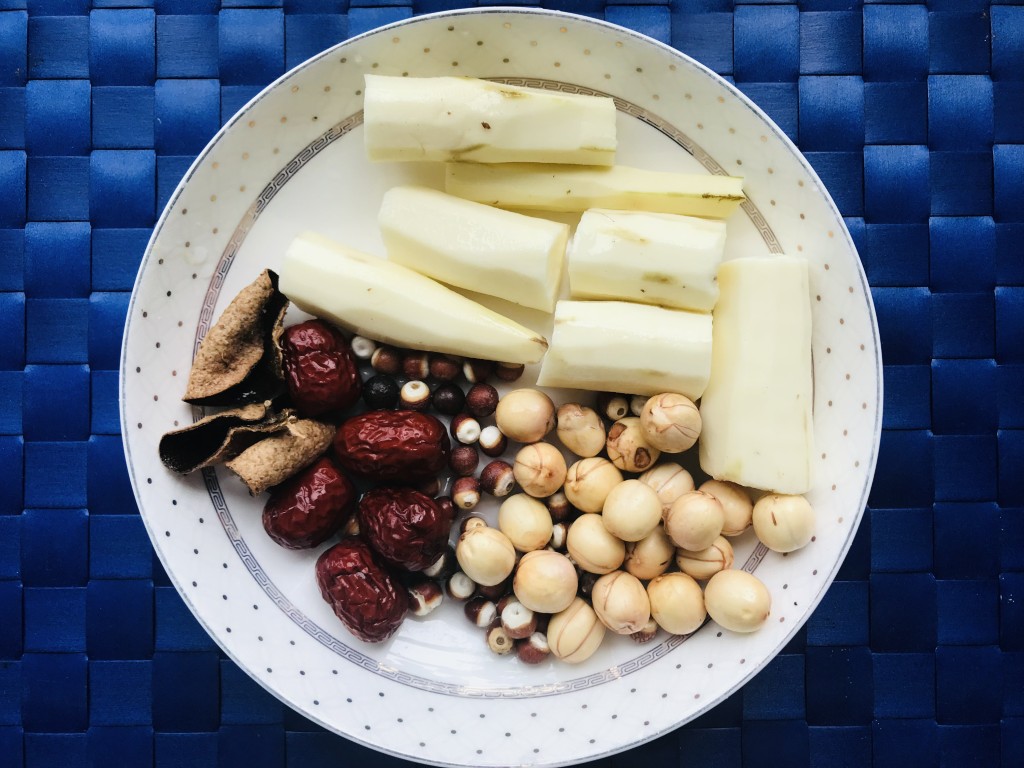
Q (甜心屋): My father vomited everything after eating oily takeaway food. He has no appetite now. What soup would help settle the stomach? Bro Niu: Try cooking 3 qian of perilla leaves (su ye) with 3–5 slices of fresh ginger and brown sugar in 3 bowls of water until reduced to 2 bowls. This helps stop nausea and warm the stomach. Follow up with a gentle spleen-strengthening soup: yam, lotus seeds, poria, euryale seeds (5 qian each), red dates, and tangerine peel with lean pork.
Published June 12, 2018 · Adapted and translated for Nourilo from a traditional home-kitchen recipe. Approx. 4 min read.