Soups
Fresh Lily Bulb and Pear Sweet Soup
traditionally used to moisten the lungs, ease a lingering cough, and calm restless sleep
Why people make this soup
A cough that lingers for weeks after a cold is one of the most common complaints Bro Niu hears. The infection may be long gone, but the lungs are left dried out, irritated, and prone to coughing at the slightest trigger. This is what traditional food therapy calls a “lung-heat” or “yin-deficient” cough — the kind that is dry, persistent, and worse at night or in warm conditions. Fresh lily bulb (xian bai he) is one of the most beloved food-herbs for this exact situation. Its taste is mild and slightly sweet, its nature gently cool, and its traditional action is to moisturize the lungs from within and calm the mind simultaneously. In traditional thought, the lungs and the emotions are closely linked — a troubled lung often comes with disturbed sleep, restlessness, and low-grade anxiety. Simmered together with snow pear and a little rock sugar, this sweet soup becomes a remedy that is both genuinely pleasant to eat and effective as a slow, restorative habit.
Who it suits / who should be cautious
- Well suited for adults and children of all ages with a heat-type or dry-type cough that has persisted after a cold
- Safe during pregnancy and postpartum recovery
- Also traditionally used for people experiencing mild insomnia, restless dreams, or anxiety alongside their cough
- If there is still some phlegm, dried lily bulb (1 liang / ~38 g) may provide better results than fresh
- Those with an unresolved active cold (runny nose, chills, fever) should wait until the acute stage has passed before using this soup
Why these ingredients (the food-therapy logic)
- Fresh lily bulb (bai he): Classically used to moisten and cool the lungs, arrest cough, and calm the nervous system; in traditional food therapy it sits at the intersection of lung and heart care — it is particularly associated with the emotional dimension of respiratory illness
- Snow pear (xue li): Lubricates and cools; its natural juice is famous for dissolving phlegm and soothing the throat; enhances the lung-moistening action of the lily bulb
- Rock sugar (bing tang): Adds sweetness without being too warm; in traditional terms, it also mildly supports yin and does not aggravate heat the way brown sugar or regular sugar might
Ingredients (2–3 bowls)
| Ingredient | Amount | Notes |
|---|---|---|
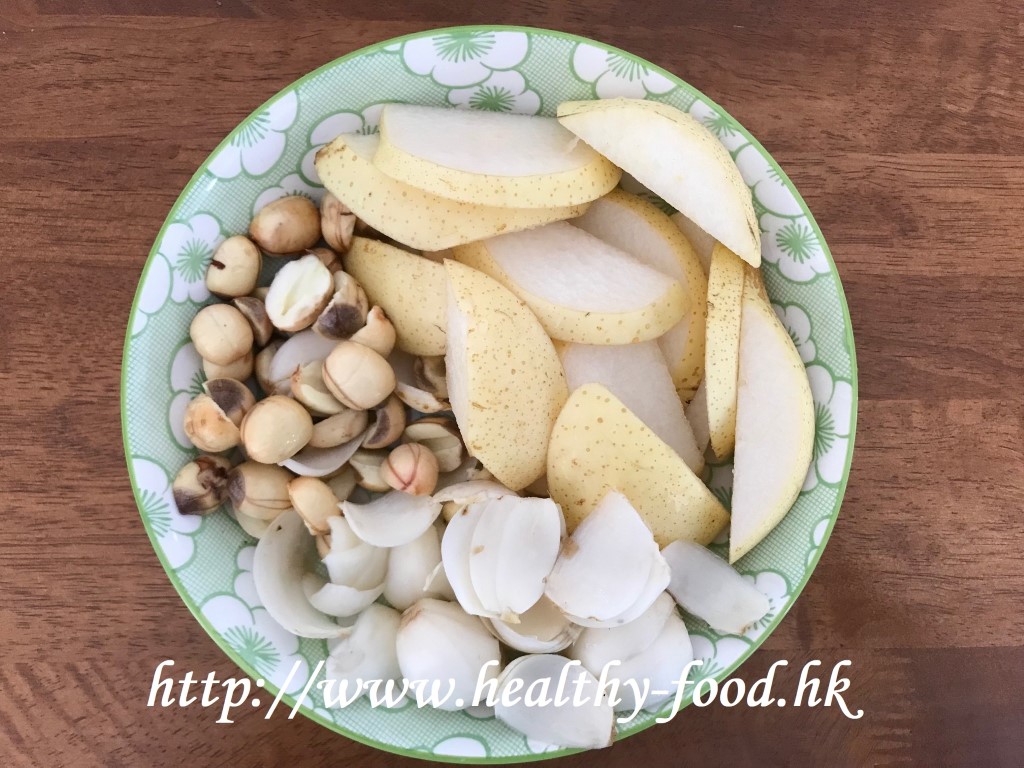
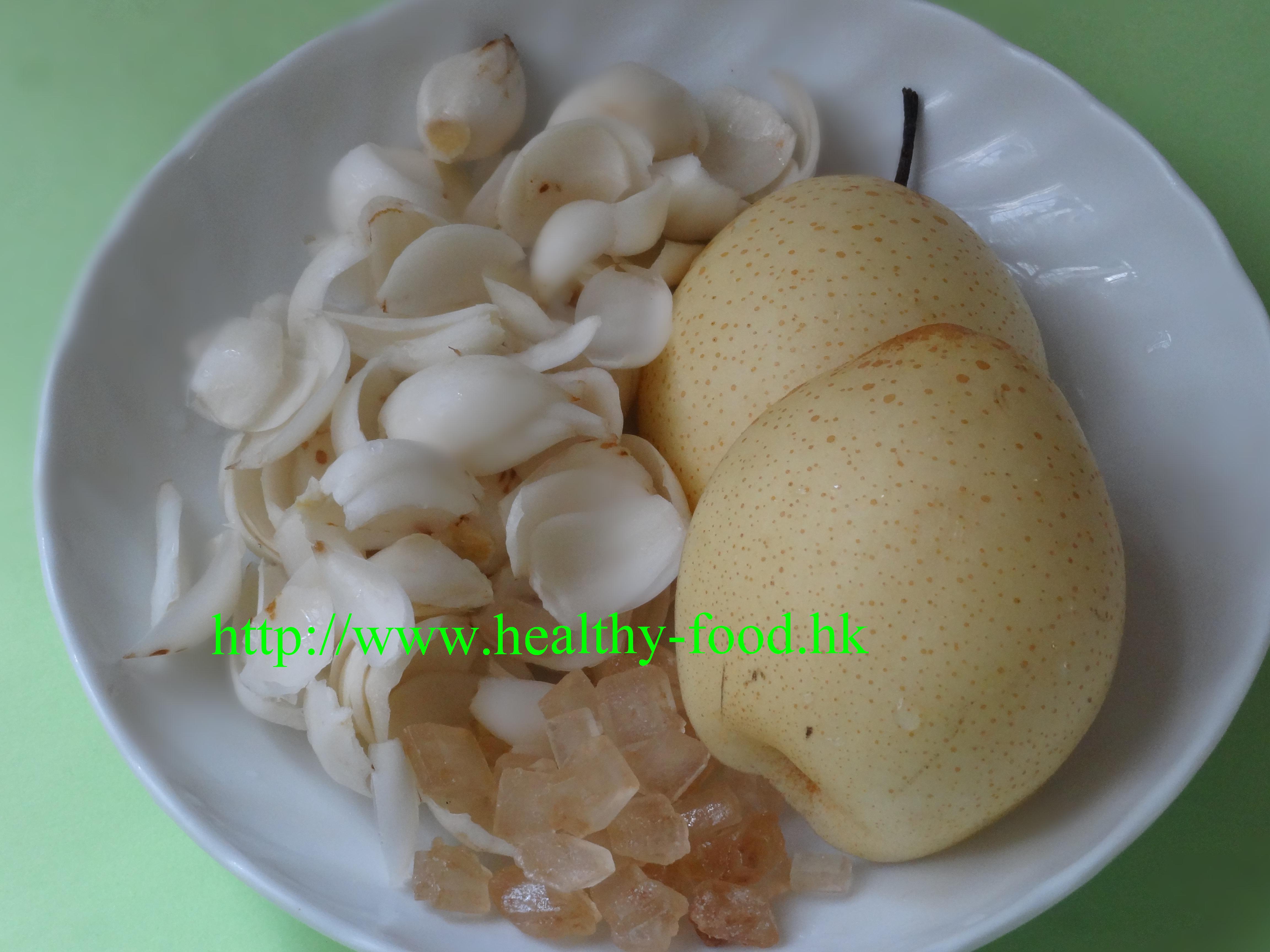
| Fresh lily bulb | ~75 g (2 liang) | Rinse gently; separate the petals |
| Asian pear (snow pear) | 2 medium | Rinse well, keep the skin, cut into chunks, remove core and seeds |
| Rock sugar | To taste | Add near the end to dissolve |
Method
- Rinse the lily bulb petals gently and set aside.
- Rinse the pears well. Cut into chunks with the skin on; remove the core and seeds (the seeds have a mild toxic quality and should be discarded).
- Place the pear chunks in a pot with 4 bowls of water. Bring to a boil, then reduce heat and simmer for about 20 minutes until the pear softens.
- Add the lily bulb petals and simmer for a further 10 minutes until the petals are soft and slightly translucent.
- Add rock sugar to taste and stir until dissolved.
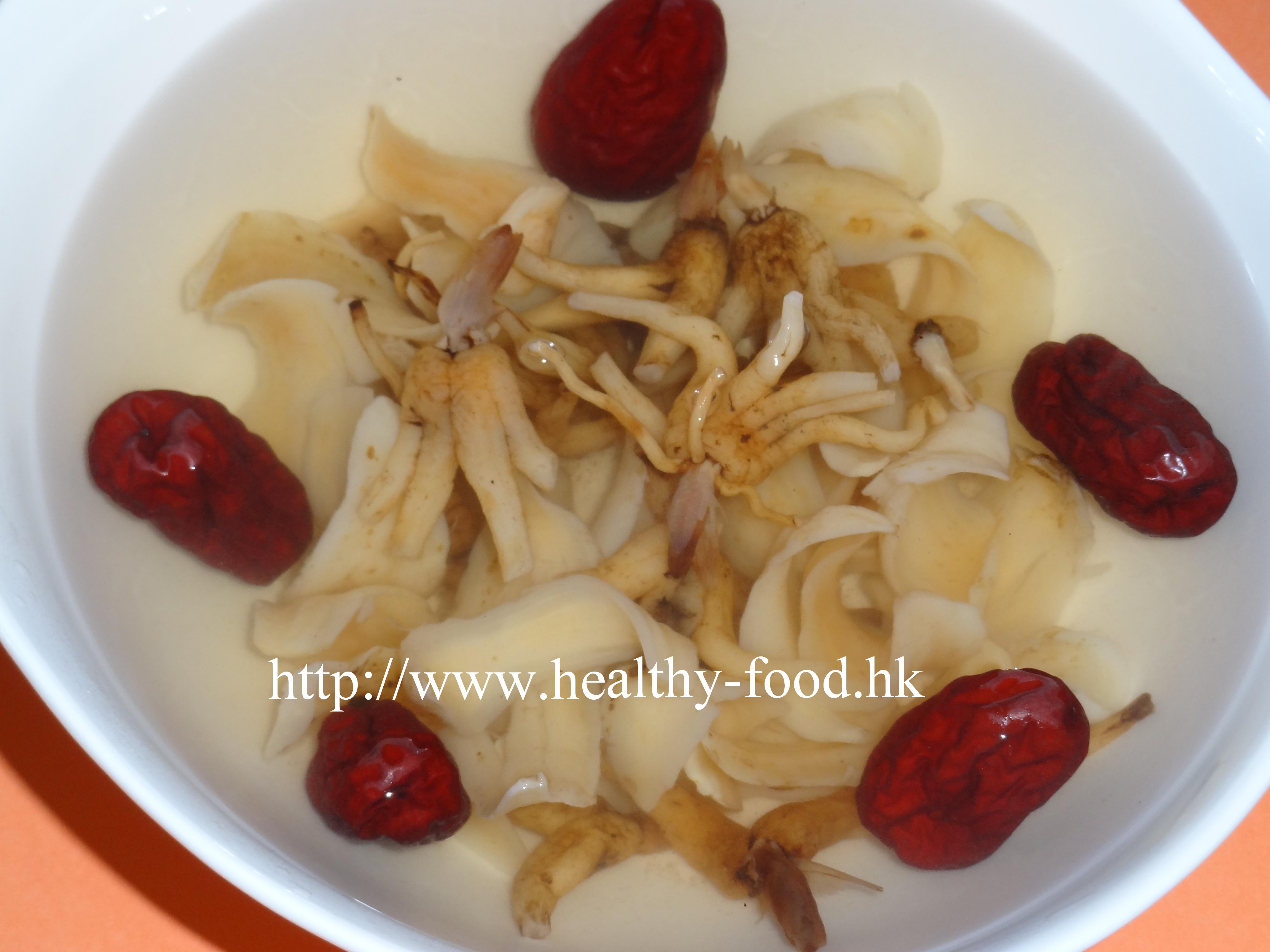
- Serve warm. Eat both the pear and the lily bulb along with the soup.
Bro Niu’s tips
- Fresh lily bulb is effective; dried lily bulb (1 liang, soaked first) may actually provide slightly stronger therapeutic results for those with significant lung-heat
- Remove the pear seeds before cooking — they have a mild toxic quality
- This sweet soup can be eaten regularly as a household food therapy; it is suitable for all ages and all seasons when lung-heat or dryness is present
- Do not use while an external cold is still active (chills, fever, runny nose) — wait until the acute stage resolves
- Modern research has suggested that lily bulb decoctions may help counteract histamine-induced bronchospasm; regular use may benefit people with mild respiratory sensitivity
Community questions answered (selected)
-
Q (tiffany): My son has finished his cold but still has some phlegm and a cough. Is this soup right for him? Can I use dried lily bulb? Bro Niu: Yes, this soup suits him. Dried lily bulb (1 liang) works fine.
-
Q (JJ): My son is 16 months old and has G6PD. He has a runny nose and cough. What congee can help with his nose and cough? Bro Niu: You can steam a whole onion (skin removed, sliced, placed in a bowl with no added water) over water for half an hour. You will get about 2 tablespoons of onion juice — give it to him twice a day. This can help soothe the runny nose and cough. You can also cook a congee with fresh lily bulb for him.
-
Q (sheep lady): Can pregnant women or those sitting the month (zuo yue) drink this soup? Bro Niu: Yes, this soup is safe during pregnancy and postpartum recovery.
Published July 17, 2012 · Adapted and translated for Nourilo from a traditional home-kitchen recipe. Approx. 4 min read.