Soups
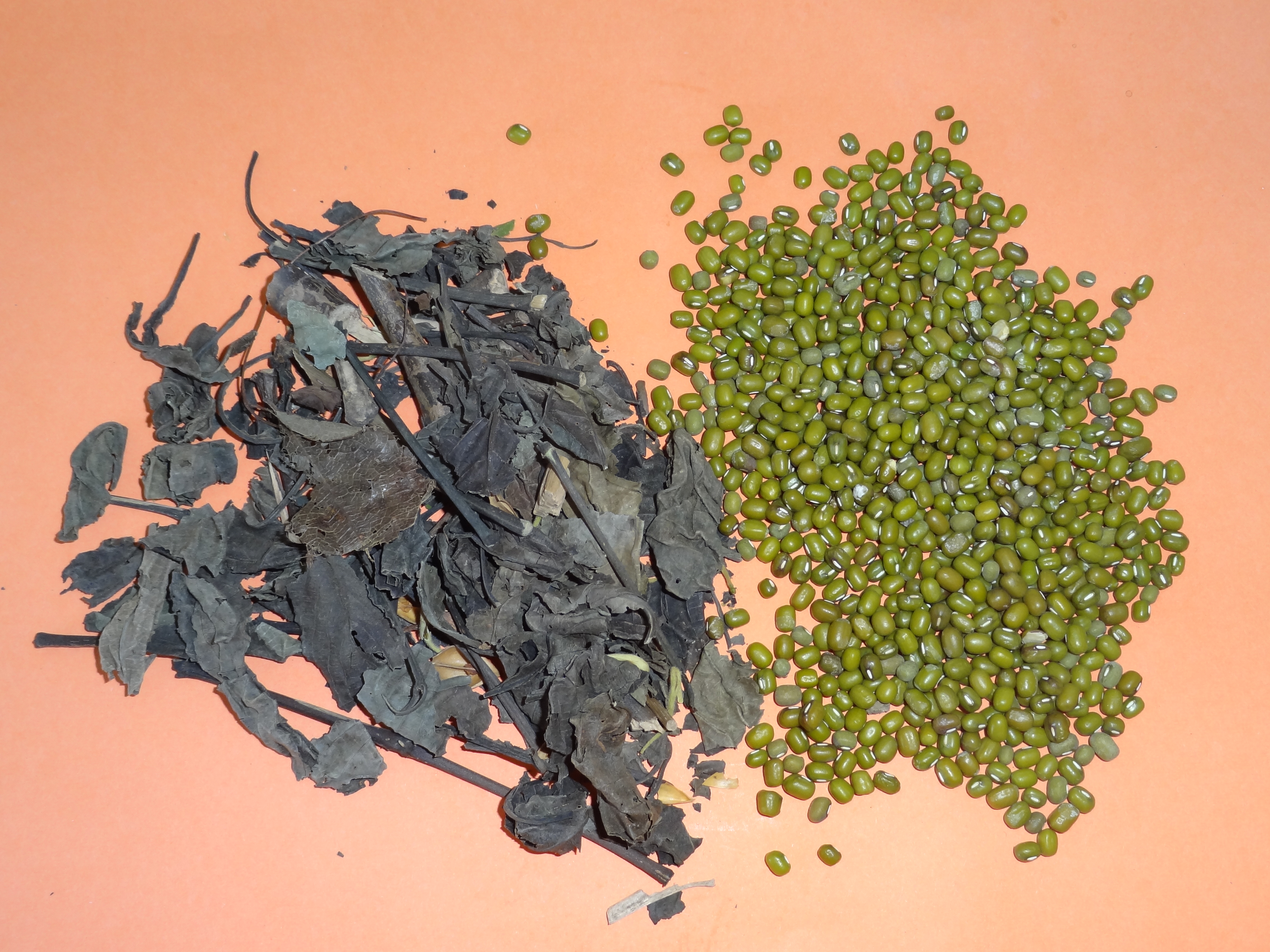
Isatis Leaf Mung Bean Soup; Lotus Leaf Winter Melon Coix Water
Two traditional summer drinks used to support flu prevention, clear heat, and resolve dampness
Why people make these drinks
When flu season strikes — or when the weather is hot and humid and people around you are falling sick — these two drinks are Bro Niu’s recommended preventive measures. They work on different angles of summer illness:
The first, Isatis Leaf and Mung Bean Soup, leans into its strong heat-clearing and detoxifying reputation. Isatis leaf (da qing ye) is the same plant whose root (ban lan gen) became famous during SARS in Hong Kong and is widely used in Chinese herbal medicine for its antiviral and antibacterial associations. Combined with mung beans, this is a simple, potent summer protective drink.
The second, Lotus Leaf Winter Melon Coix Water, takes a slightly gentler, more aromatic approach — it drains summer dampness, helps with summer heat, clears fluid retention, and lifts the mood with the fragrance of fresh spearmint.
Who it suits / who should be cautious
- Both drinks are suitable for the whole family, including nursing mothers
- Not suitable for pregnant women
- Not suitable for those who already have a wind-cold cold (chills, clear nasal discharge, absence of sore throat — this is a cold caused by cold-wind rather than heat, and cooling herbs will make it worse)
- Those with a cold-dampness constitution should be cautious with these drinks
Why these ingredients (the food-therapy logic)
Recipe 1:
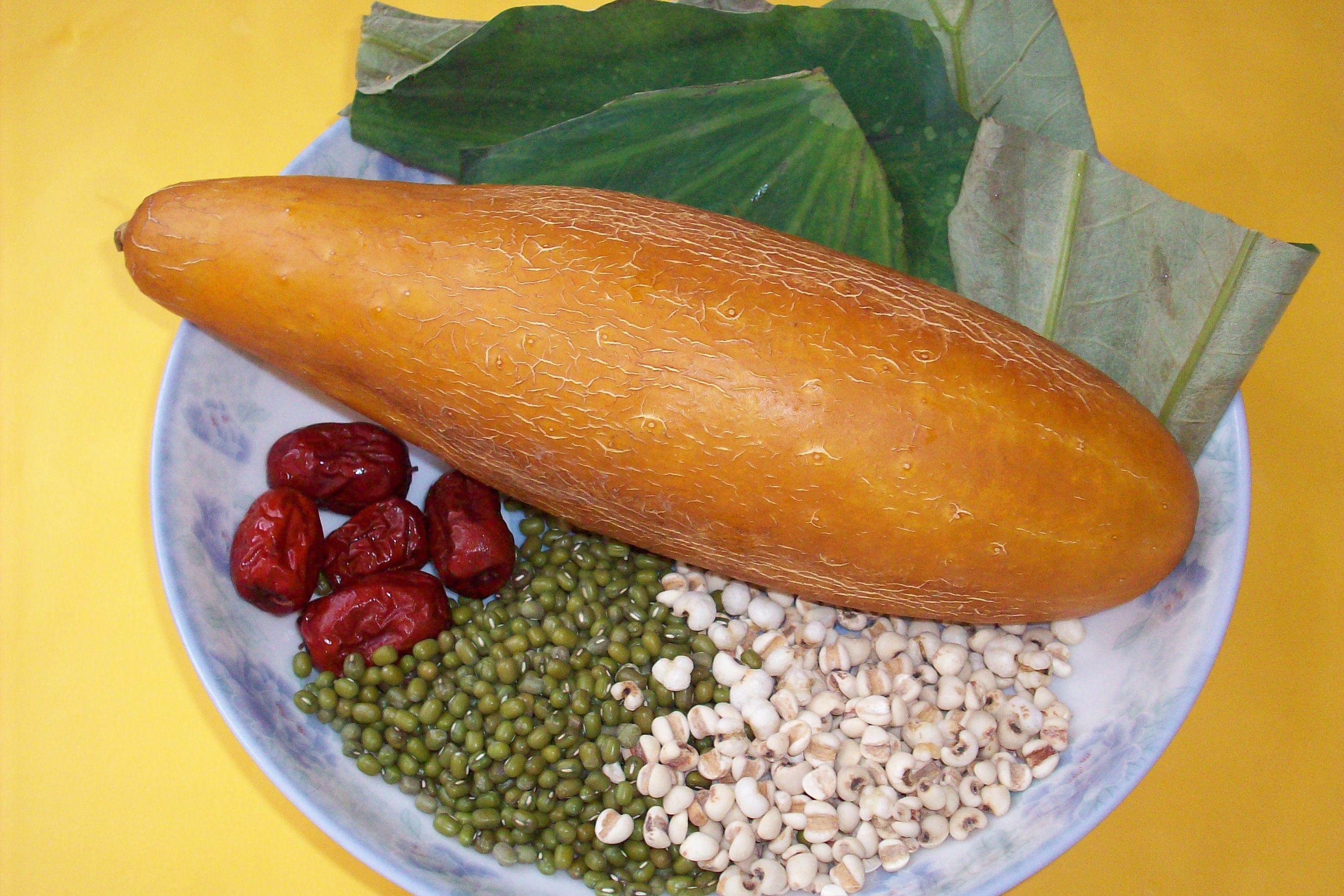
- Isatis leaf (da qing ye): Traditionally associated with clearing heat, removing toxins, and supporting the body against viral and bacterial pathogens; related to ban lan gen (isatis root), a widely known antiviral herb in TCM
- Mung beans (lu dou): Classically used to clear summer heat, detoxify, and support digestion
Recipe 2:
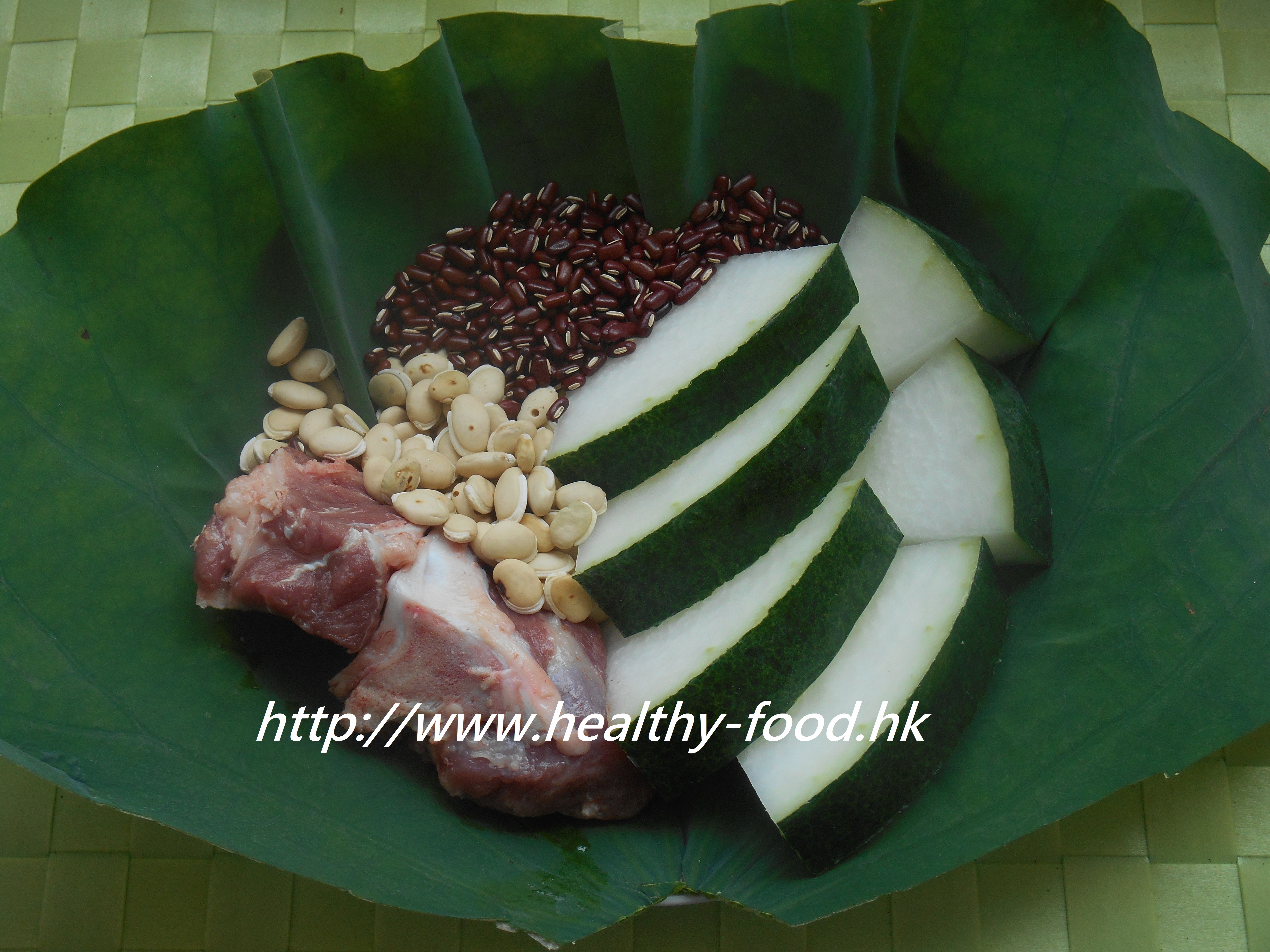
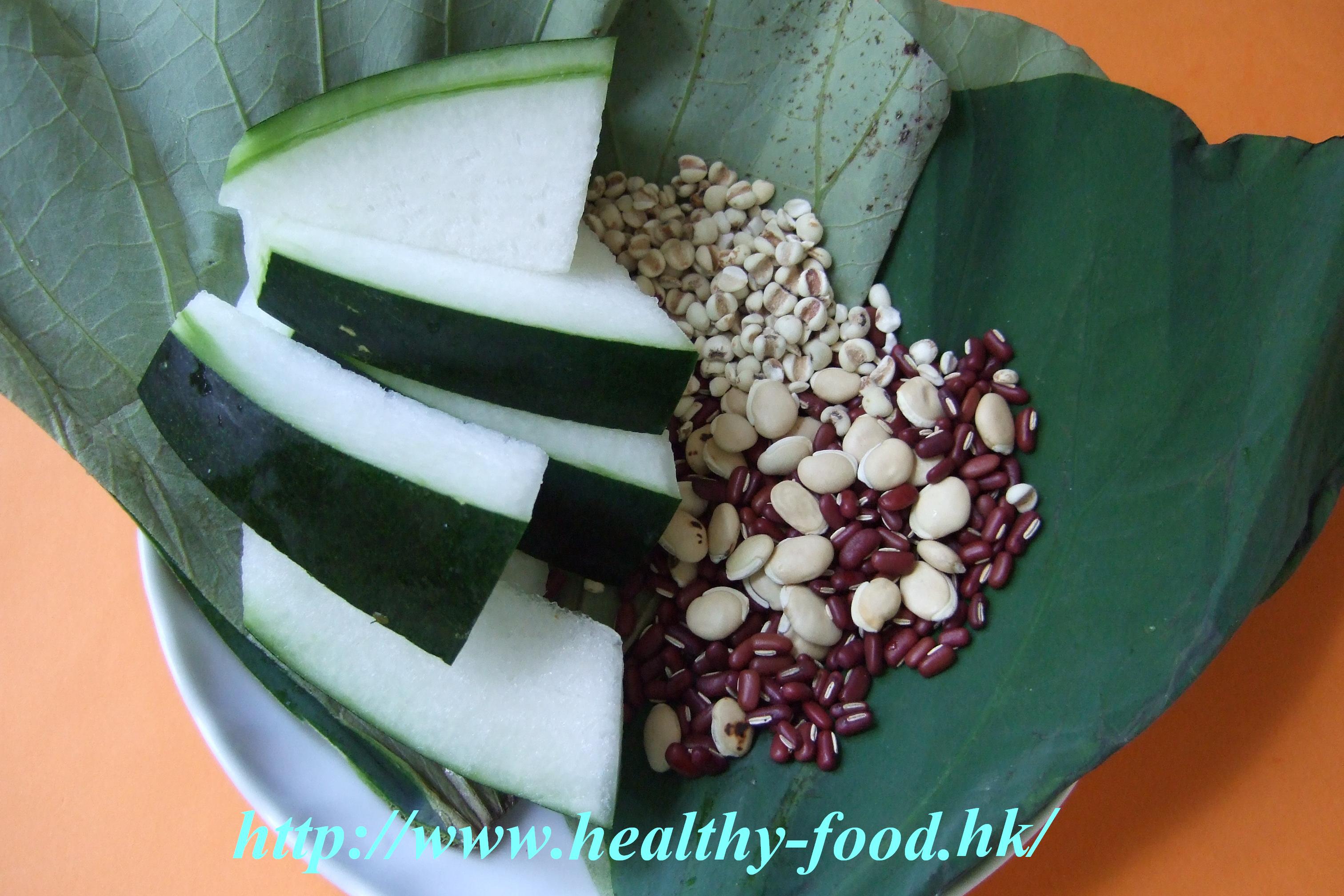
- Fresh lotus leaf (he ye): Aromatic, cooling, and traditionally associated with draining dampness, reducing summer heat, and supporting digestion; the fresh leaf has a cleaner, less bitter taste than dried
- Winter melon (dong gua): Cooling and diuretic; traditionally associated with clearing heat, reducing swelling, and supporting kidney function; the skin adds extra benefit
- Raw Job’s tears (sheng yi mi): Supports spleen function and drains dampness; slightly cooling
- Spearmint (xiang hua cai): Provides fragrance and aids in clearing heat from the head; also called “green mint” — available at Asian grocers, Southeast Asian food stores, and some supermarkets
Ingredients
Recipe 1 — Isatis Leaf Mung Bean Soup (3–4 bowls)
| Ingredient | Amount | Notes |
|---|---|---|
| Isatis leaf (da qing ye) | 38 g (1 liang) | Rinse |
| Mung beans (lu dou) | 76 g (2 liang) | Rinse and soak briefly |
Recipe 2 — Lotus Leaf Winter Melon Coix Water (3–4 bowls)
| Ingredient | Amount | Notes |
|---|---|---|
| Fresh lotus leaf (he ye) | 1 large sheet | Rinse, cut into pieces |
| Winter melon (dong gua) | 600 g (1 jin) | Keep skin on; wash well, cut into chunks |
| Raw Job’s tears (sheng yi mi) | 38 g (1 liang) | Rinse and soak briefly |
| Spearmint (xiang hua cai) | 76 g (2 liang) | Remove stems, rinse; added at the end |
Method
Recipe 1:
- Rinse and soak the mung beans for 20 minutes.
- Combine mung beans and isatis leaf with 7 bowls of water.
- Bring to a boil, then simmer for 1 hour until reduced to 3–4 bowls.
- Strain if preferred, or drink as-is. Serve warm or at room temperature.
Recipe 2:
- Rinse the lotus leaf and cut into large pieces.
- Wash the winter melon — keep the skin on; cut into chunks.
- Rinse and soak the coix seed for 20 minutes.
- Combine lotus leaf, winter melon, and coix seed with 7 bowls of water.
- Bring to a boil, then simmer for 1 hour until reduced to 3–4 bowls.
- Add the spearmint leaves; bring back to a brief boil and simmer a further 10 minutes.
- Serve warm or at room temperature.
Bro Niu’s tips
Both drinks are simple, accessible summer staples. For Recipe 2, if you cannot find spearmint, you can omit it and instead add poria mushroom (fu ling) 5 qian — this helps with spleen-dampness without adding coldness. For the lotus leaf: try to use a fresh, deeply green leaf; older leaves that have turned yellow or brown will be bitter and much less pleasant. A very fresh lotus leaf will be slightly fragrant even when raw. If using dried lotus leaf, half a sheet is usually sufficient.
Community questions answered (selected)
-
Q (Bobby): What is spearmint (xiang hua cai) and where can I buy it? Bro Niu: Spearmint (xiang hua cai) is also called green mint. You can find it at Asian grocers, Southeast Asian food stores, and some supermarkets.
-
Q (Ross): Can I leave out the spearmint and add ginger to reduce the coldness? Bro Niu: You can leave out the spearmint. Ginger is not usually added — a better pairing would be poria mushroom (fu ling) 5 qian, which strengthens the spleen and dampens the coldness without making the drink spicy.
-
Q (Bobby): The lotus leaf I bought was not bright green — it was yellowish-brown and the drink came out very bitter. Why? Bro Niu: Fresh lotus leaf should be bright green and aromatic. Once it has sat too long it loses colour and becomes bitter. Source it as fresh as possible and use only half a sheet to keep the flavour pleasant.
Published May 28, 2019 · Adapted and translated for Nourilo from a traditional home-kitchen recipe. Approx. 4 min read.