Soups
Psoralea, Walnut and Lotus Seed Soup
traditionally used to warm the spleen and kidneys and support a healthier complexion
Why people make this soup
A healthy complexion — in traditional Cantonese thinking — reflects the state of the inner body. When the kidneys and spleen are functioning well, the face tends to look vibrant and well-rested. When these systems are depleted, the complexion can turn dull, grey, or even slightly dark, and the person often feels cold, fatigued, and generally below par. This soup was designed for exactly that pattern.
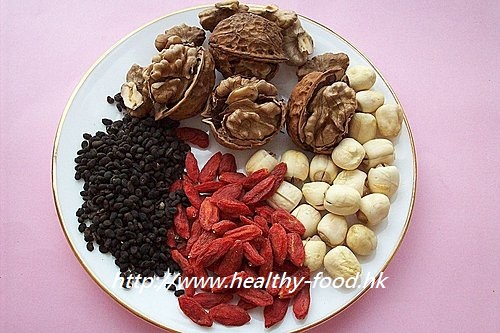
Psoralea seed (bu gu zhi) is the central herb here — warm in nature, it is traditionally associated with tonifying kidney yang and supporting the spleen’s digestive function. Combined with walnuts (which also warm and nourish the kidneys), lotus seeds (which calm and ground the spirit while nourishing the spleen), and goji berries (for their broad nourishing action), this becomes a gently warming soup suited to regular use across cooler months.
Who it suits / who should be cautious
- Suits those with a cold constitution who experience dull or grey complexion, chronic low back ache, frequent night urination, low energy, or a tendency toward loose stools.
- Not suitable for those with a yin-deficient overheated constitution (signs: hot palms and soles, night sweats, dry cough, irritability, dry stools, dry skin). This soup would be too warming for them.
- Not suitable during any active cold, fever, or flu. Please wait until fully recovered before using this soup.
- For those who are unsure of their constitution, consult a traditional Chinese medicine practitioner.
Why these ingredients (the food-therapy logic)
- Psoralea seed (bu gu zhi): A seed from a legume plant with a warm, slightly bitter nature. Traditionally associated with kidney yang tonification, supporting the spleen’s ability to stop chronic loose stools, and helping to reduce frequent urination. Because of its warming and strongly tonifying nature, it is used in moderate amounts in food therapy.
- Walnut kernel (he tao rou): Also warming; in traditional practice, walnuts are associated with nourishing the kidneys, supporting the lower back, and warming the lungs. Eating a few walnuts with the soup is encouraged.
- Goji berries (gou qi zi): A broadly nourishing ingredient, associated with supporting the liver and kidneys and brightening the eyes.
- Lotus seeds (lian zi): Mildly sweet and astringent; traditionally associated with calming the spirit, supporting the spleen and stomach, and helping to manage frequent urination.
- Lean pork: A neutral base that builds the broth and adds protein without being excessively warming.
Ingredients (4 bowls)
| Ingredient | Amount | Notes |
|---|---|---|
| Psoralea seed | ~11 g (3 qian) | Available at Chinese herb shops |
| Walnut kernels | ~38 g (1 liang) | Eat some with the soup |
| Goji berries | ~19 g (5 qian) | |
| Lotus seeds | ~38 g (1 liang) | Soaked; eat with the soup |
| Lean pork | ~225 g (6 liang) | Sliced; blanched first |
| Water | 8 bowls (~2 L) |
Method
- Slice the lean pork, then blanch briefly in boiling water to remove impurities. Drain.
- Rinse all remaining ingredients and soak if needed.
- Combine all ingredients in a pot with 8 bowls of water.
- Bring to a boil, then reduce heat and simmer gently for 2 hours, until reduced to about 4 bowls.
- Serve warm. Encourage eating the walnuts and lotus seeds along with the soup — much of the benefit comes from the ingredients, not just the broth.
Bro Niu’s tips
Regular use of this soup — two servings a week — can, over time, support a rosier, healthier-looking complexion. However, remember that this soup warms and tonifies, so it is not appropriate for everyone. If you have a hot or overheated constitution, please do not use this soup. If you are unsure which constitution type you are, look for descriptions of spleen-kidney yang deficiency versus yin deficiency — the distinction matters here.
Community questions answered (selected)
-
Q (scy): Can I add bone-break supplement herb (gu sui bu, Drynaria) 3 qian to this soup? I read online that psoralea and gu sui bu together have a stronger effect. Bro Niu: Yes, you can add 3 qian of gu sui bu — that is fine.
-
Q (reader — Vivian Fan): My 14-year-old daughter has been having her period since 2019. In the last several months she has developed period pain, very dark under-eye circles, and an overall dull complexion. A Chinese doctor said her blood was stagnant. How should I support her long term? Bro Niu: For a teenager with period irregularities, the most important thing first is to make sure she avoids iced drinks and raw cold food during and before her period — cold can cause painful cramping. When cramps occur, brown sugar ginger tea and a warm compress on the lower abdomen both help. For the complexion, try Four Reds Soup: red beans, red-skinned peanuts, goji berries, and red dates, simmered until soft. Eat the ingredients as well as drinking the soup. Hold off on medicinal herbs for now.
-
Q (queenie): What exactly is “yin deficiency with fire”? Bro Niu: The typical signs include: dry mouth and throat, warm palms and soles, irritability, difficulty sleeping or restless dreaming, night sweats, dry stools, a dry cough with little phlegm, and dry skin. If you recognise several of these signs in yourself, this warming soup is not the right choice — seek something more cooling and nourishing instead.
Published October 21, 2013 · Adapted and translated for Nourilo from a traditional home-kitchen recipe. Approx. 4 min read.