Herbal & Flower Teas
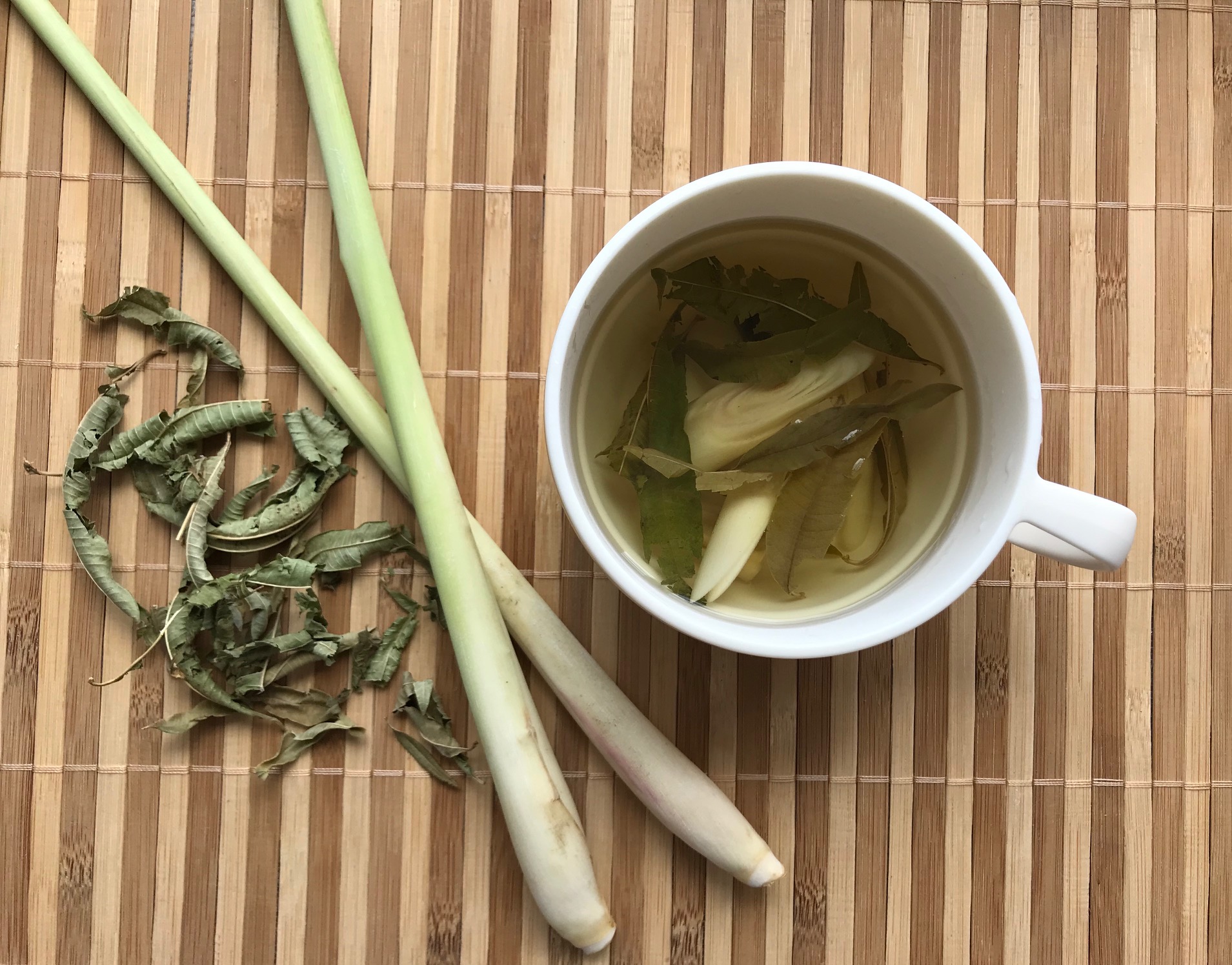
Lemongrass and Lemon Verbena Tea
traditionally associated with relaxing the nervous system and supporting alertness
Why people make this tea
Modern life is full of low-grade, chronic tiredness — not the satisfying tiredness after a good workout, but the foggy, heavy-limbed fatigue that follows a restless night or a stressful week. Sometimes even after adequate sleep, people still feel like they can’t quite wake up. This can be linked to thyroid issues, depression, obesity, or just the cumulative toll of a high-pressure lifestyle. Lemongrass has a wonderfully bright, lemony character that feels reviving and uplifting, and lemon verbena brings a delicate floral note alongside its traditional reputation for calming the nervous system and easing headaches. Brewing these two together creates a fragrant cup that is genuinely refreshing without the jitteriness of caffeine. A simple, pleasant daily ritual.
Method
- Bruise the lemongrass stalks with a rolling pin or the flat of a knife, then slice or roughly chop.
- Place the lemongrass in a pot with 1.2 L of water and bring to a boil.
- Simmer for about 15 minutes.
- Add the lemon verbena and continue to simmer for a further 5 minutes.
- Pour through a strainer into cups and enjoy warm.
Nourilo’s Tips
This tea has a clean, bright, citrusy fragrance and is very pleasant to drink daily. It is naturally caffeine-free. The lemongrass must be bruised before cooking to release its aromatic oils — this step makes a real difference to the flavour. Dried lemongrass can also be used if fresh is not available; look for it alongside other dried herbs and flower teas at Chinese medicine shops or spice markets.
A word of caution: while this tea can help with mild everyday tiredness, persistent or extreme daytime drowsiness can sometimes signal a more serious health issue — including cardiovascular problems, early stroke risk, or thyroid disorders — especially in older people. If in doubt, please see a doctor.


Comments
Join the conversation — sign in or create a free account to comment.
Continue with GoogleLoading comments…