Soups
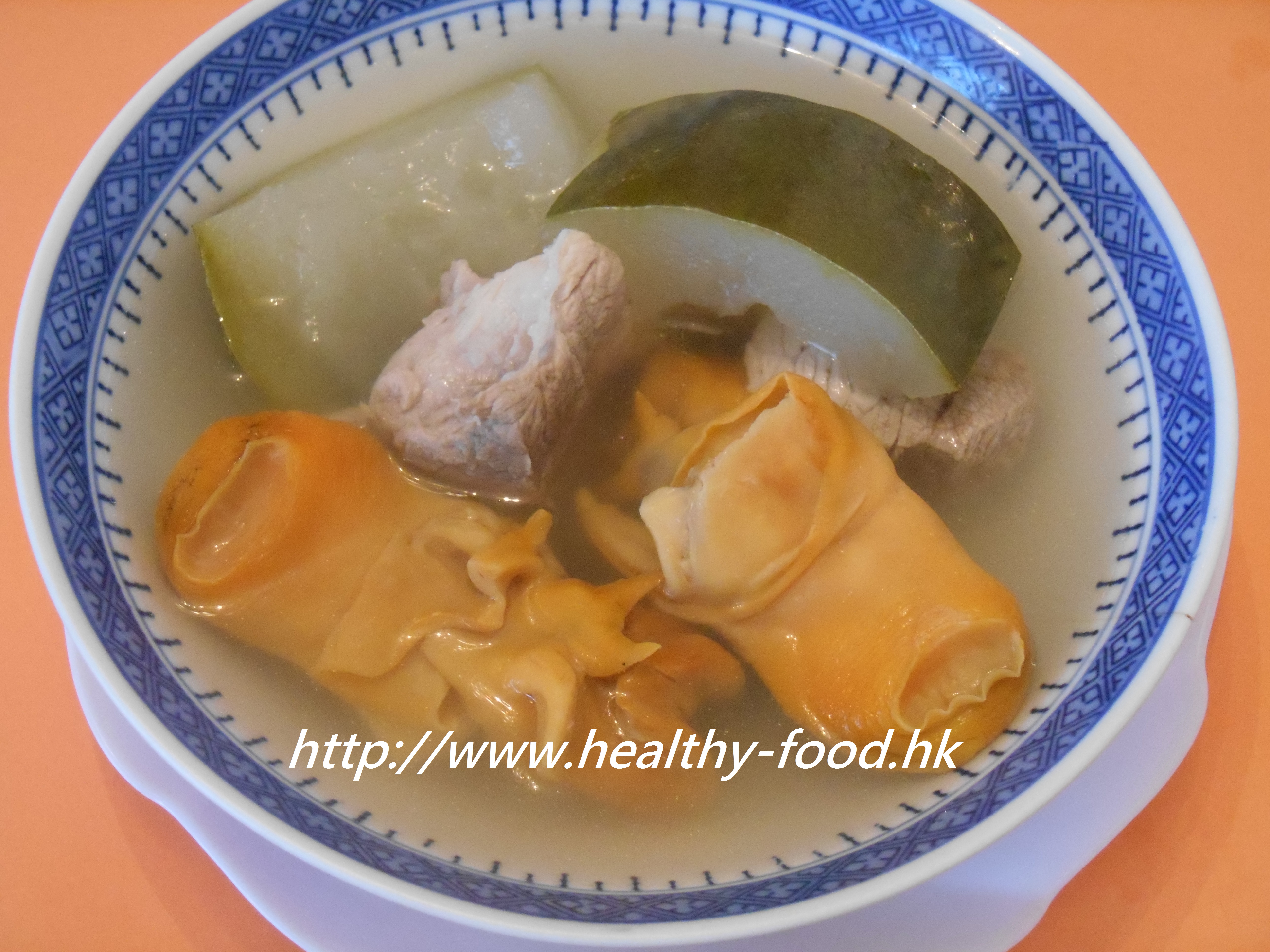
Winter Melon, Lean Pork, and Dried Conch Soup
traditionally associated with nourishing yin, supporting kidney function, and promoting fluid balance
Why people make this soup
When someone in a Chinese household has been told to watch their blood sugar, one of the first instincts is to re-examine what goes into the family soup pot. Rich, fatty broths and strongly warming herbs are typically set aside; instead, the focus shifts to ingredients that are lighter, naturally hydrating, and easier on the system. Winter melon is a star in this context: it has a very high water content, is low in calories, and has a long history in Chinese dietary tradition of supporting fluid balance and gentle urinary clearing. Paired with dried conch — prized for its deeply nourishing, yin-supporting properties — and the practical protein of lean pork, this soup is a genuinely tasty everyday option that the whole family can share.
Who it suits / who should be cautious
- Suitable for most family members; especially considered helpful in traditional terms for those experiencing patterns of yin deficiency, puffiness, or pronounced thirst
- Dried conch (the US-sourced variety is considered superior in quality) is used as a dried ingredient — no need to blanch it, just soak and rinse
- People who tend toward a cold constitution (cold hands and feet, easy fatigue) may wish to add extra ginger; those who run very hot may find the soup naturally comfortable
- This is a complementary food choice, not a substitute for medical management of diabetes
Why these ingredients (the food-therapy logic)
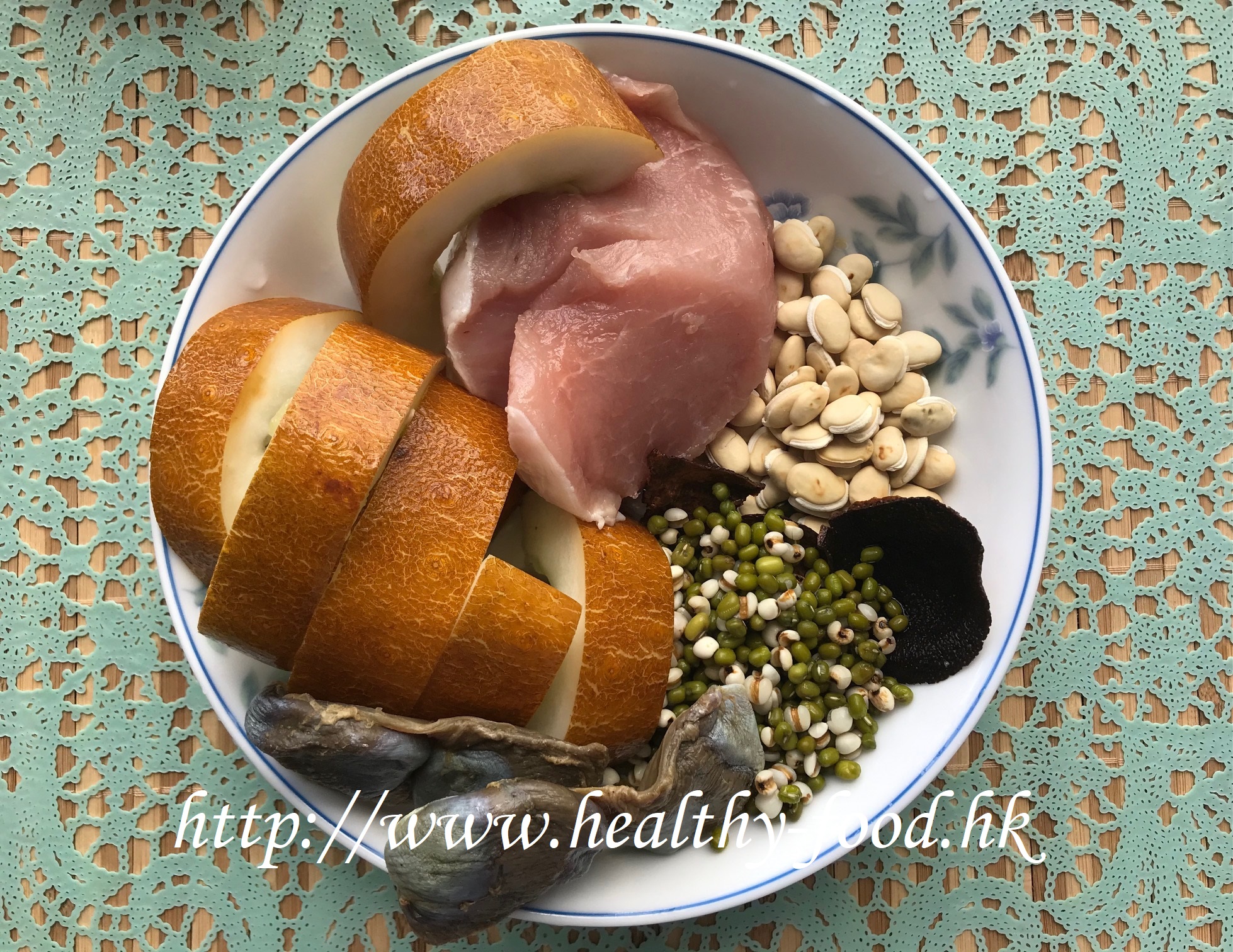
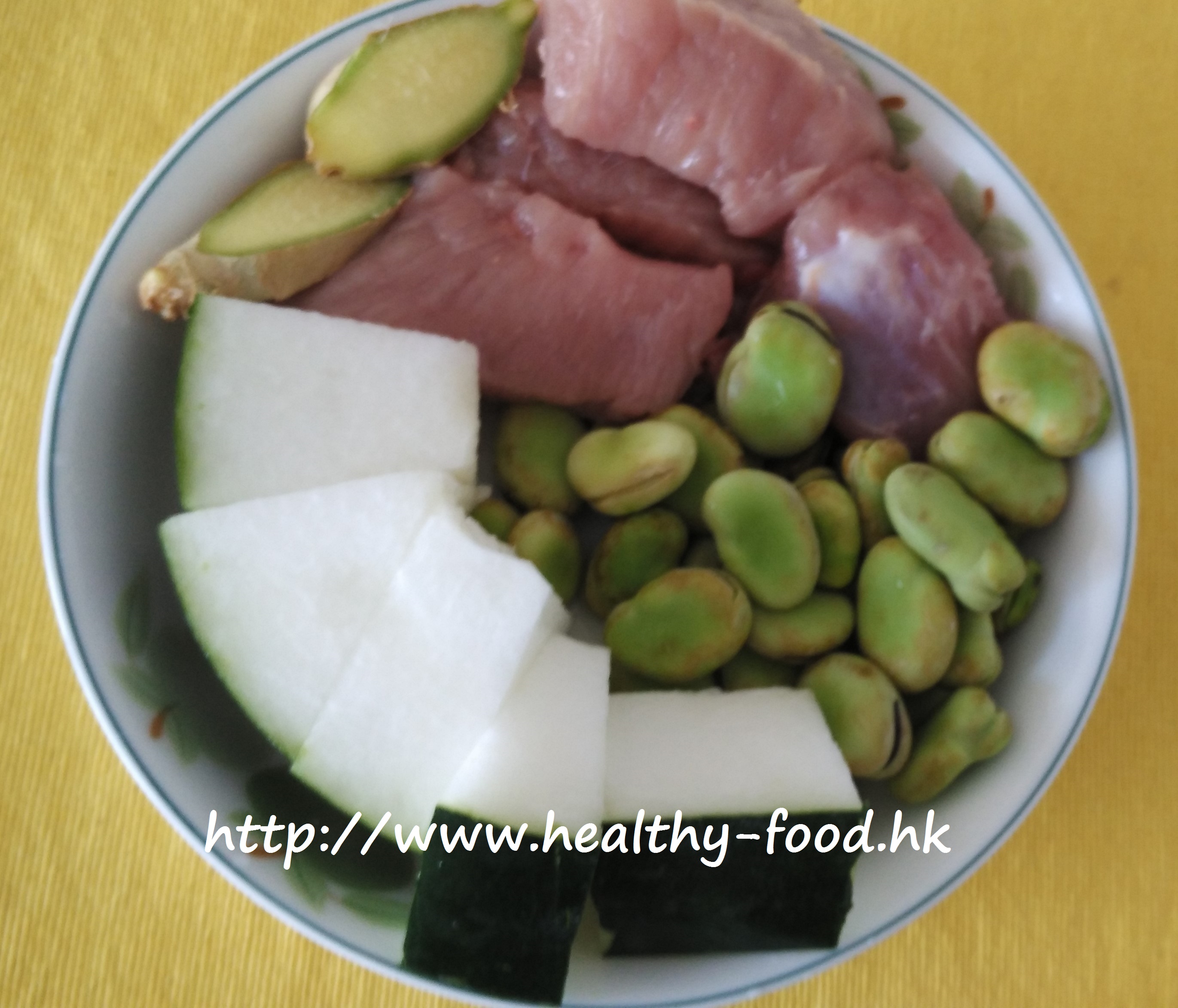
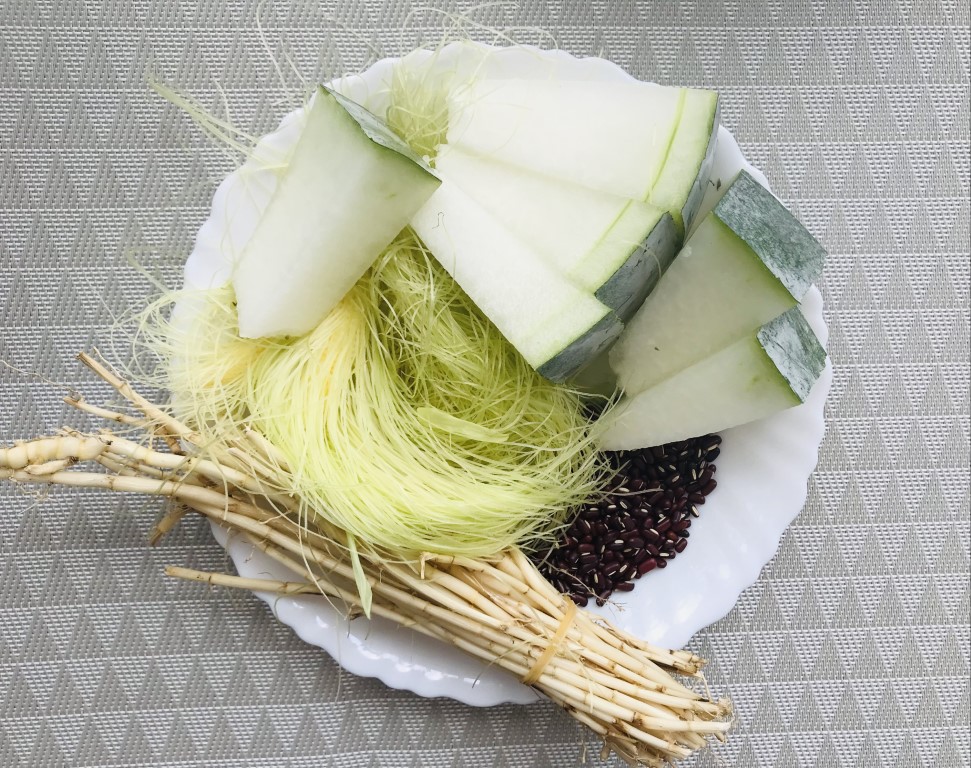
- Winter melon with skin (dong gua): The skin of winter melon is considered especially useful in traditional food therapy for its diuretic and fluid-regulating properties. The flesh itself is cooling, gentle on the stomach, and very low in sugar, making it a longstanding favourite among Chinese practitioners advising people with blood sugar concerns.
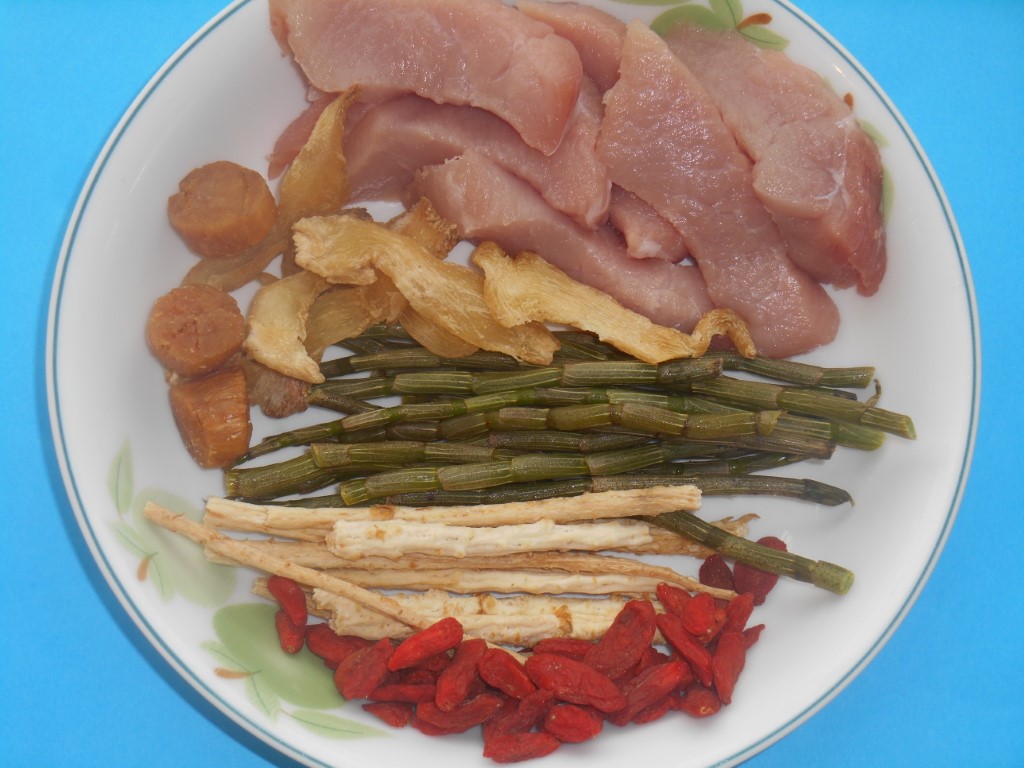
- Dried conch (xiang luo gan): Dried is actually preferred over fresh for food-therapy purposes according to traditional thinking. It is associated with nourishing yin, supporting the liver and kidney, and providing a deeply satisfying, sweet flavour to the broth.
- Dried tangerine peel (chen pi): Adds fragrance and is traditionally considered to help with digestion and qi movement, keeping the soup from feeling heavy.
- Ginger: Warms and harmonises; balances the cooler nature of winter melon.
Ingredients (3–4 bowls)
| Ingredient | Amount | Notes |
|---|---|---|
| Dried conch (xiang luo gan) | 2 pieces | Soak and rinse; no need to blanch |
| Lean pork | 225 g | Cut into chunks; blanch briefly |
| Winter melon | 600 g | Keep the skin on; scrub well and cut into chunks |
| Fresh ginger | 2 slices | |
| Dried tangerine peel (chen pi) | 1 piece | Soak and rinse |
| Water | ~7 bowls (~1.75 L) |
Method
- Soak the dried conch in cold water for 30 to 60 minutes until softened, then rinse well. No blanching needed.
- Blanch the lean pork briefly in boiling water to remove impurities; drain and rinse.
- Scrub the winter melon skin thoroughly and cut into large chunks — leave the skin on.
- Soak and rinse the dried tangerine peel.
- Place all ingredients in a pot with about 7 bowls of water. Bring to a boil, then reduce to a gentle simmer for 1.5 hours.
- Serve the broth and eat the solid ingredients — the conch, pork, and winter melon are all worth eating.
Bro Niu’s tips
This soup has a naturally sweet, clean flavour and the whole family can enjoy it — young and old alike. It is particularly well suited to those who tend to retain fluid or run warm. When winter melon is very concentrated and thirst is intense, Bro Niu notes that in traditional practice, the skin of an entire jin of winter melon can be simmered alone as a tea to help with fluid balance. Dried US conch is considered superior to fresh for its food-therapy qualities. You may add dried scallop (yao zhu) to the soup for extra umami — it works very nicely.
Community questions answered (selected)
-
Q (Wendy): Can I add dried scallop (yao zhu) to this soup? Bro Niu: Yes, you can add dried scallop — it goes well here.
-
Q (FANFANNY): Should dried conch be blanched with ginger to remove fishiness like fresh conch would be? Bro Niu: Dried conch just needs soaking and rinsing — no need to blanch. It is only fresh conch that requires blanching to remove the raw smell.
-
Q (FANFANNY): Is fresh conch better than dried for this soup? Bro Niu: Actually, dried US conch tends to be superior for food-therapy purposes. If you are dealing with dampness or water retention, the dried variety is the better choice.
Published September 21, 2014 · Adapted and translated for Nourilo from a traditional home-kitchen recipe. Approx. 4 min read.