Soups
Fresh Dendrobium, White Peony and Ophiopogon Soup
traditionally used to nourish stomach yin and ease discomfort
Why people make this soup
There is a feeling many people recognise but struggle to name: not quite hunger, not quite nausea, just a restless, burning unease in the upper stomach. In traditional Chinese food-therapy, this is linked to what practitioners call “stomach yin deficiency” — a state where the stomach lacks adequate moistening and cooling. Fresh dendrobium (shi hu) is one of the classic herbs for this pattern, and combining it with white peony and ophiopogon creates a straightforward soup that Bro Niu has long recommended for those chronically dry, easily irritated digestive systems. It is mild enough for regular use and gentle on the palate.
Who it suits / who should be cautious
- Suits adults who experience a burning or gnawing sensation in the upper abdomen, dry mouth and throat, mild thirst, low appetite, or sluggish digestion
- Also traditionally used for those with mild tooth pain from “deficiency fire,” children teething with low-grade fever, or dry, red eyes
- This soup is slightly cooling in nature — those with a cold constitution or loose stools should use with care and may wish to reduce frequency
- Children and pregnant women should consult a practitioner before regular use
Why these ingredients (the food-therapy logic)
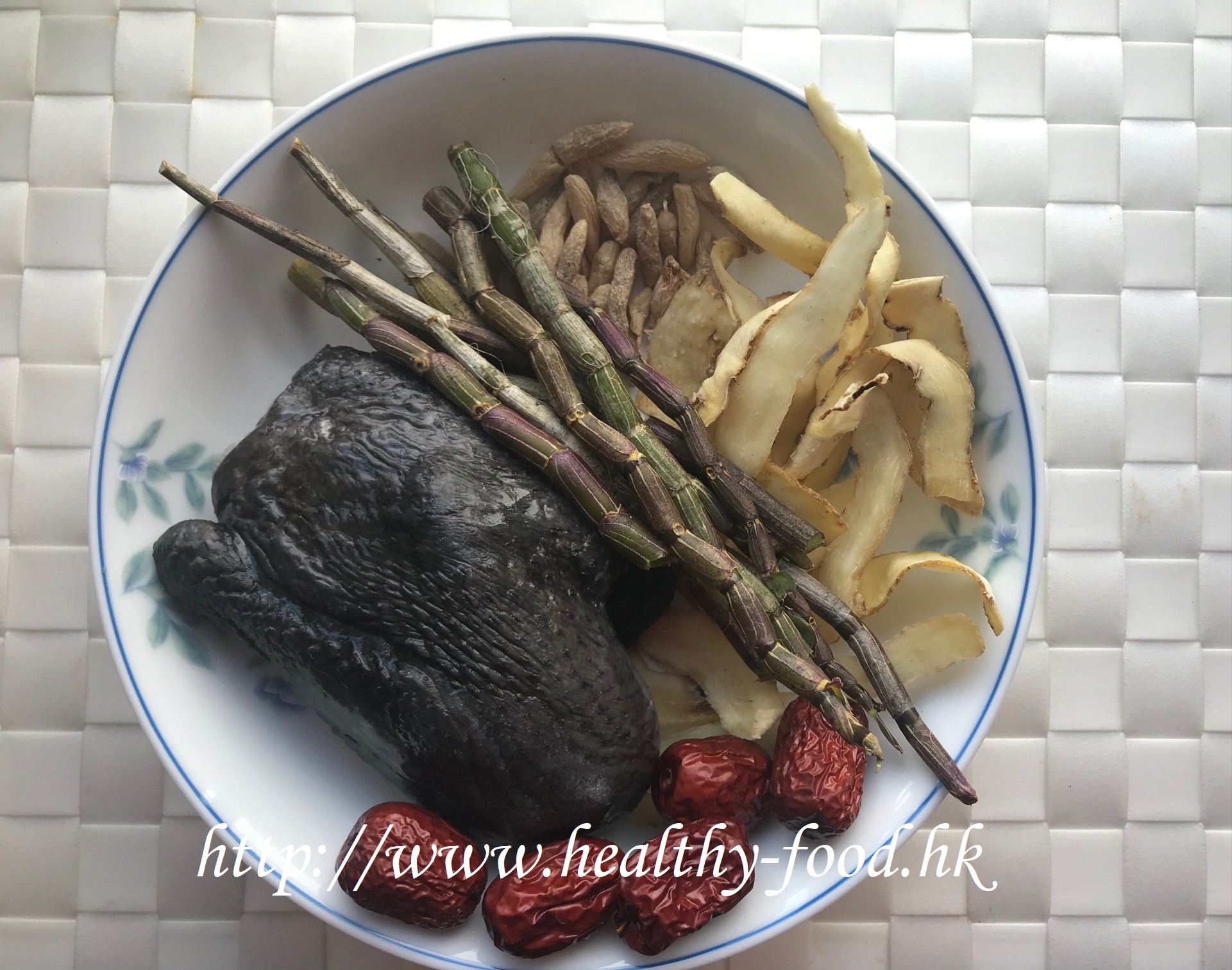
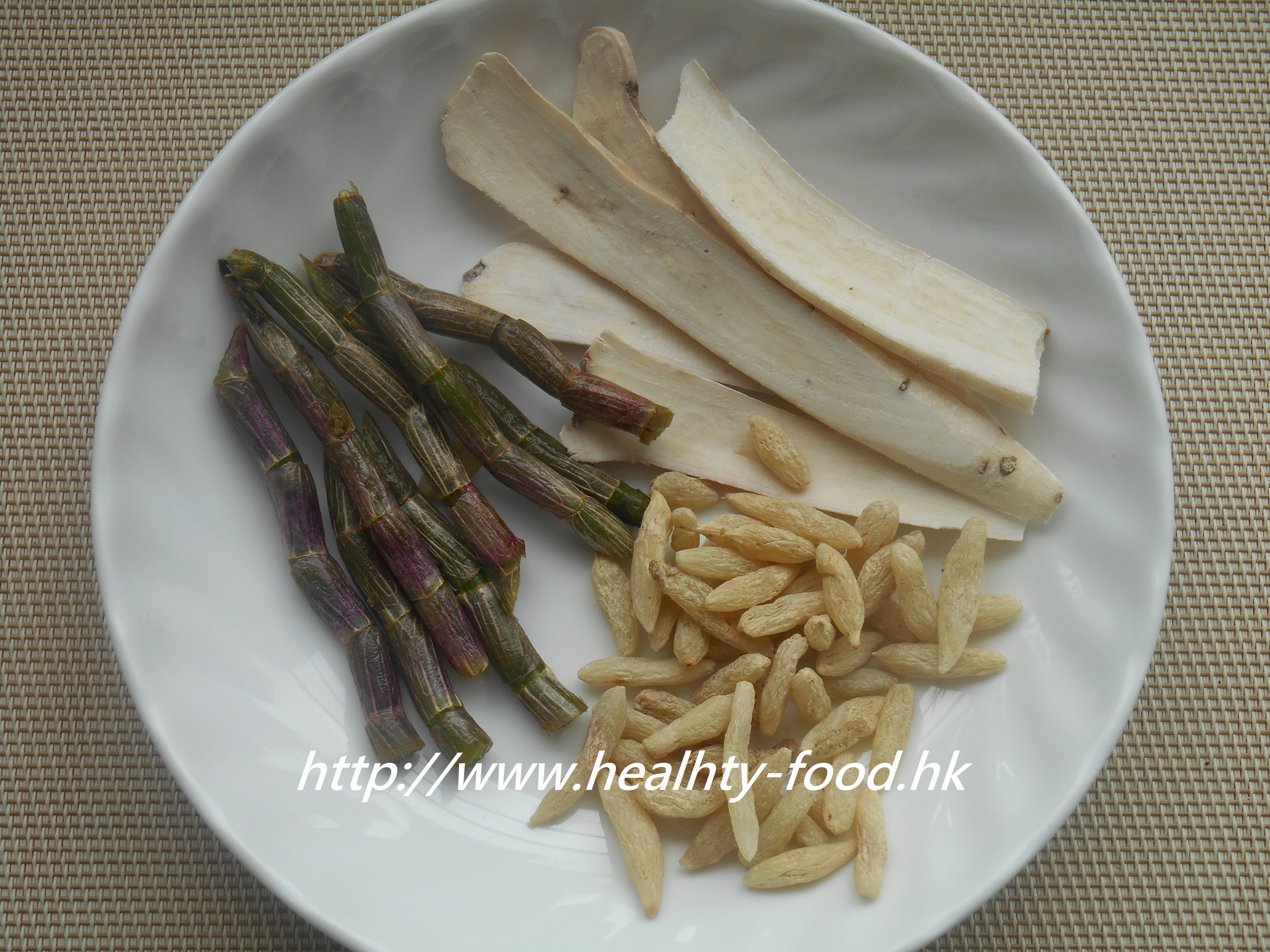
- Fresh dendrobium stem (xian shi hu): Considered one of the finest herbs for nourishing the stomach’s yin and generating fluids; fresh stems are richer in moisture than dried forms and are associated with clearing deficiency heat, relieving pain, and supporting the eyes and metabolism
- White peony root (bai shao): Traditionally valued for calming the liver, relieving abdominal cramping and discomfort, and nourishing the blood; pairs well with herbs that nourish yin
- Ophiopogon root (mai dong): A cooling, moistening root that supports the lungs and stomach, eases dryness, and is associated with calming mild restlessness; a classic companion to dendrobium in stomach-yin formulas
Ingredients (2 bowls)
| Ingredient | Amount | Notes |
|---|---|---|
| Fresh dendrobium stem (xian shi hu) | 18 g (5 qian) | Available at Chinese herb shops and specialty herb suppliers; purple-skinned varieties are considered particularly potent |
| White peony root (bai shao) | 18 g (5 qian) | Rinse and soak briefly before use |
| Ophiopogon root (mai dong) | 18 g (5 qian) | Rinse and soak briefly before use |
Method
- Rinse the fresh dendrobium stems thoroughly. Use the flat of a knife to lightly crush or bruise them — this helps release the active compounds during cooking.
- Rinse and briefly soak the white peony root and ophiopogon root.
- Place all three ingredients into a pot with 5 bowls of water.
- Bring to a boil, then reduce heat and simmer for 1 hour until approximately 2 bowls of liquid remain.
- Strain into cups and serve warm. Drink the soup; you may also chew on the cooked dendrobium stems if you wish.
Bro Niu’s tips
The purple-skinned dendrobium is one of the more prized varieties — the quality is worth seeking out when you can find it. After cooking, try placing a piece of the stem in your mouth and chewing it: it has a pleasant sticky, glutinous texture, a bit like soft glutinous rice, and is traditionally said to help stimulate digestive secretions. Enjoy this soup two to three times a week while symptoms persist.
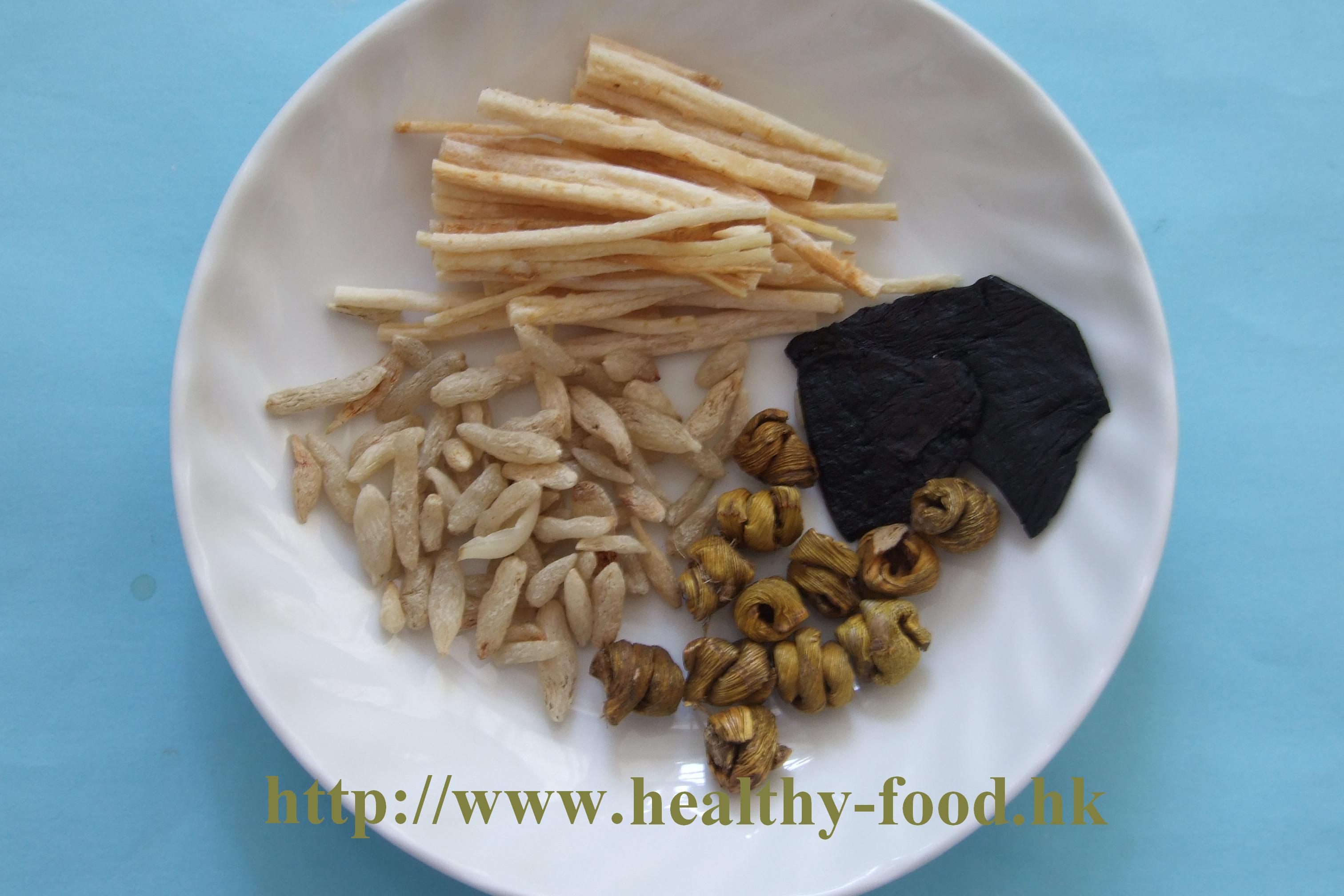
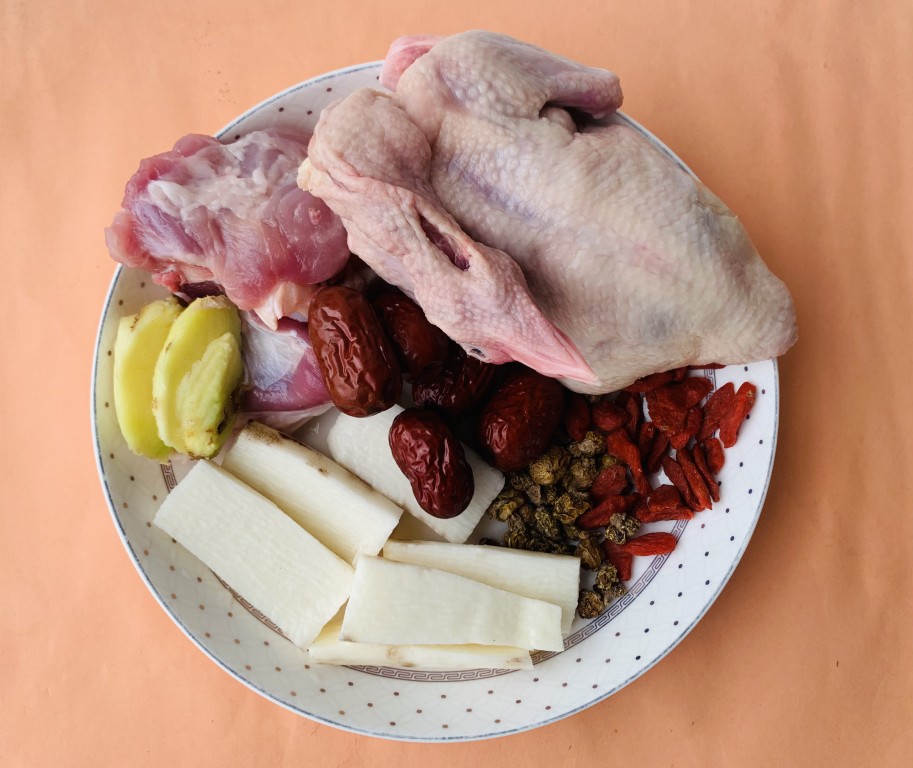
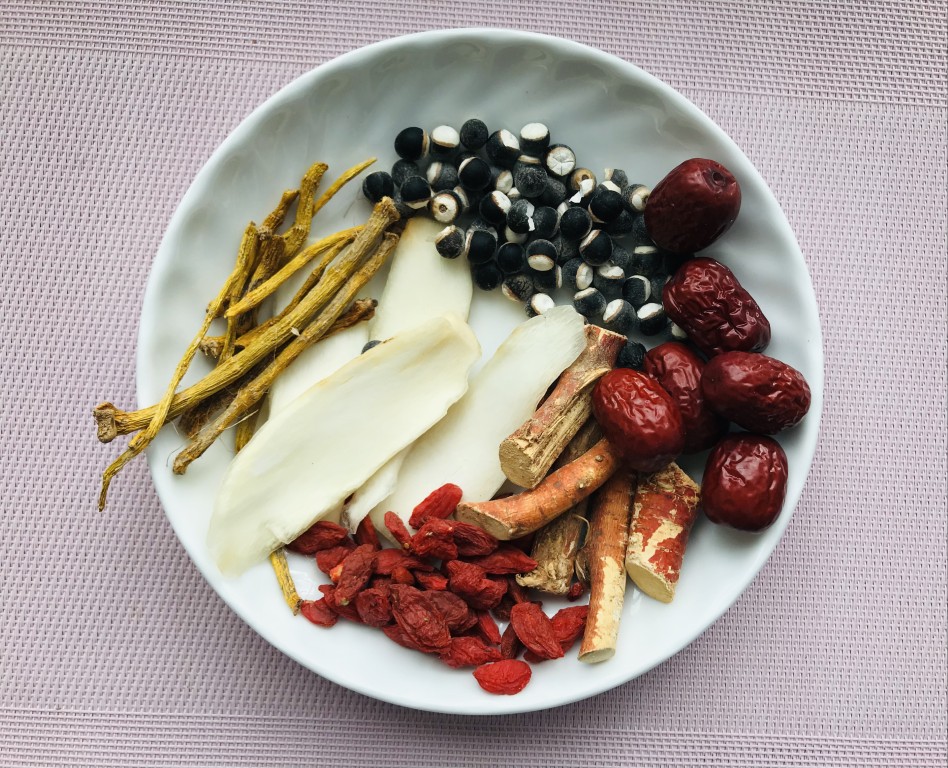
If you cannot find fresh dendrobium, Bro Niu suggests replacing it with a combination of Chinese yam (huai shan), sand ginseng (sha shen), Solomon’s seal (yu zhu), snow fungus (xue er), and red dates — a broader yin-nourishing soup that is easier to source.
Community questions answered (selected)
-
Q (Gu Shi Nai, reader): I have a generally weak digestive system, eat too little, often feel bloated, and frequently get mouth sores. My lips crack even in mild weather. Is this soup suitable for me? Bro Niu: Yes, you can drink this soup — two to three times a week until your symptoms improve.
-
Q (reader): Can meat be added to this soup? Bro Niu: Adding meat is perfectly fine.
-
Q (May Leung): I was recently told by a Chinese medicine practitioner that I have both yin and yang deficiency. If I cannot find fresh dendrobium, what else can I use? Bro Niu: For yin and yang deficiency together, you can make a soup with dang shen (codonopsis), huai shan (Chinese yam), sha shen (glehnia root), yu zhu (Solomon’s seal), snow fungus, and red dates — use each in an appropriate amount, cook with lean pork, and drink two to three times a week.
Published April 24, 2016 · Adapted and translated for Nourilo from a traditional home-kitchen recipe. Approx. 4 min read.