Herbal & Flower Teas
Dendrobium Flower Tea
Traditionally associated with nourishing stomach yin, supporting liver and eye health, and easing stress-related fatigue
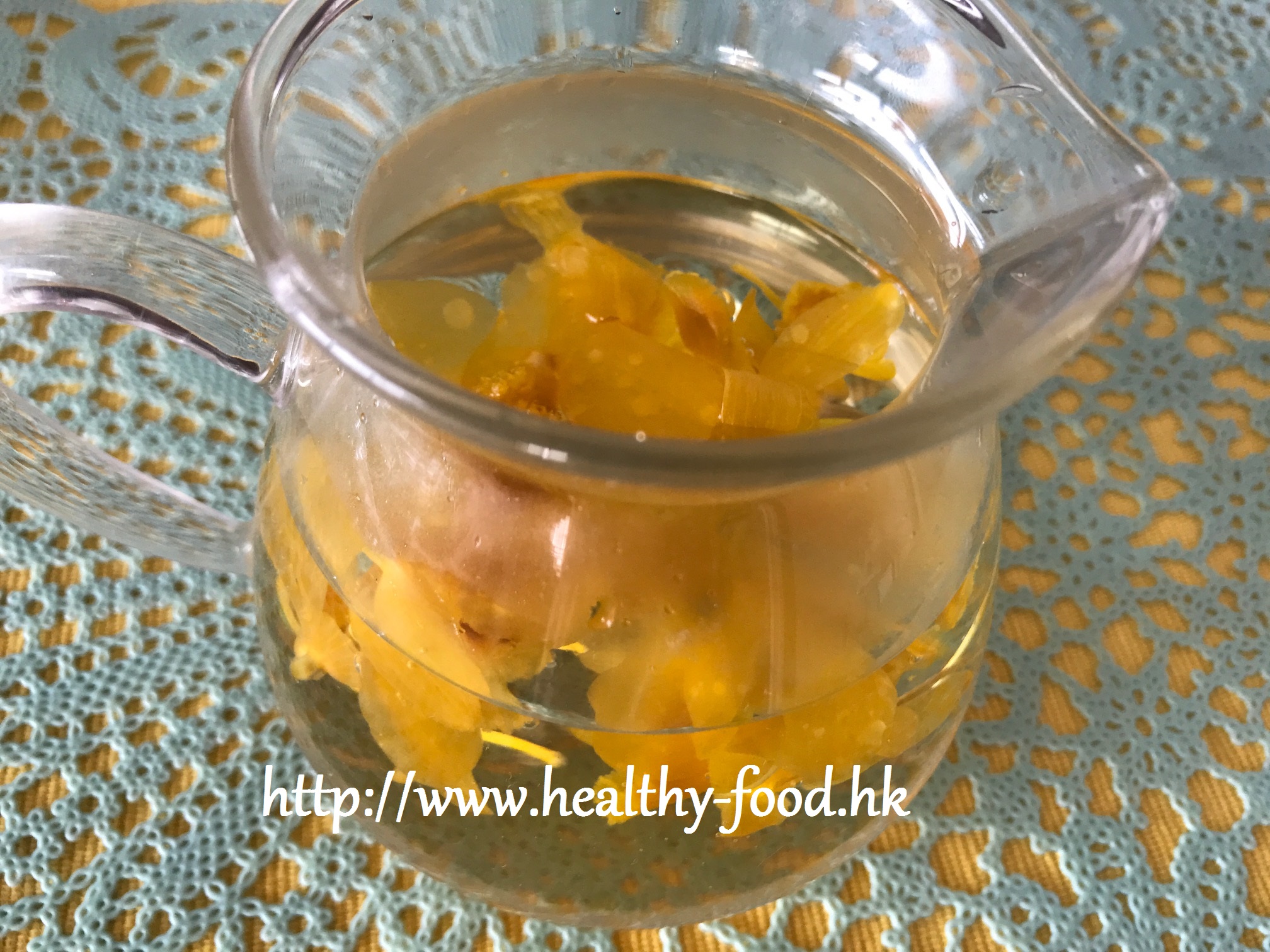
Why people make this tea
Dendrobium (shi hu) is one of the more celebrated herbs in Chinese tonic medicine — the stem is used in soups and congees for nourishing stomach yin and body fluids, while the dried flowers are a rarer, more delicate product that has become more widely available in specialist herb-and-flower tea shops. What makes dendrobium flower tea special is that it carries the full nourishing profile of the stem — stomach support, liver clarifying, eye brightening — with an additional layer of mood-lifting and fatigue-easing qualities. Though the dried flowers are not always stocked at mainstream Chinese medicine shops, they can be found at specialist herb-and-flower tea retailers, and one liang goes a long way. For anyone whose days are filled with meetings, screens, and social obligations, this is a beautifully restorative little cup of tea.
Who it suits / who should be cautious
- Suitable for most adults, including elderly; old and young alike can drink this
- Particularly well suited to people under work pressure, those who frequently entertain or socialise, and those with screen-heavy lifestyles
- Also appropriate for people managing diabetes or chronic gastritis
- Do not steep for too long — the volatile aromatic compounds that give this tea its mood-lifting quality are best preserved with a short steep of about 5 minutes
Why these ingredients (the food-therapy logic)
- Dendrobium flower (shi hu hua / Dendrobium spp.): Shares the traditional properties of dendrobium stem — nourishes stomach and kidney yin, generates fluids, clears deficiency heat; the flowers specifically are associated in food-therapy tradition with lifting the spirit, easing anxiety and fatigue, and gently supporting liver function and eye clarity; also associated with anti-aging effects and suitability for people with blood sugar concerns
Ingredients (1–2 cups)
| Ingredient | Amount | Notes |
|---|---|---|
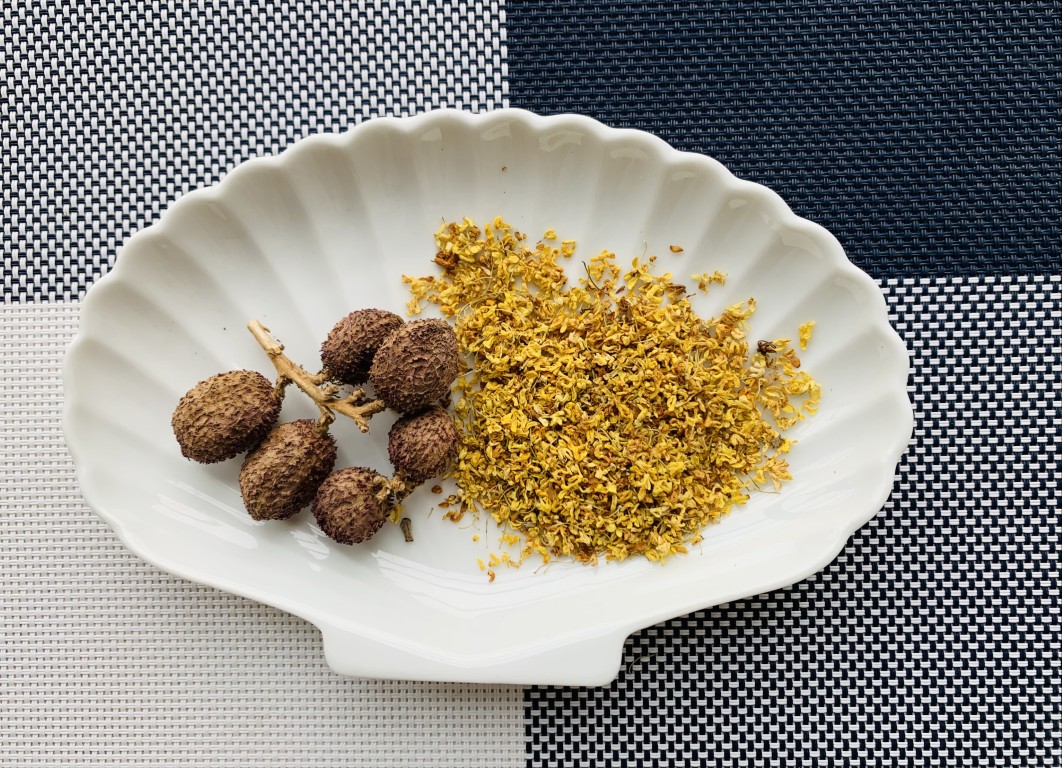
| Dried dendrobium flowers | 1–2 tablespoons | Available at specialist herb-and-flower tea shops |
Method
- Place the dried dendrobium flowers into a teapot or cup.
- Pour in boiling water.
- Steep for about 5 minutes — no longer, to preserve the volatile oils.
- Pour and drink. The tea can be re-steeped once or twice.
Bro Niu’s tips
This flower tea has a light, clean, faintly grassy fragrance. Because it contains volatile oils, do not leave it steeping for a long time — a short, firm brew of 5 minutes is ideal. Dendrobium flower tea is a thoughtful choice for people with high work pressure or busy social lives — it is a restorative, not a stimulant. Look for it at specialist herb-and-flower tea shops; the herb is very light in weight, so even a small quantity yields many brews.
Community questions answered (selected)
-
Q (Lee): Where can I buy dendrobium flowers? Should I use fresh or dried? Bro Niu: Dendrobium flower is not commonly stocked at regular Chinese medicine shops — look for it at specialist herb-and-flower tea retailers. Of course use the dried form for tea — the fresh flowers are too beautiful to steep!
-
Q (Ling, menstrual period): Can I drink dendrobium flower tea during my period? My stomach feels full of gas and there is a dull ache when I wake up. Bro Niu: Yes, you can drink this tea during your menstrual period. For the gas and stomach discomfort, try steeping 3 qian of sha ren (cardamom) and one piece of tangerine peel, cut small, as a separate tea. If symptoms persist, please see a doctor.
Published May 11, 2019 · Adapted and translated for Nourilo from a traditional home-kitchen recipe. Approx. 3 min read.