Herbal & Flower Teas
Dandelion, Wormwood & Honey Date Tea
Traditionally associated with supporting bile flow, liver cell regeneration, and reducing jaundice
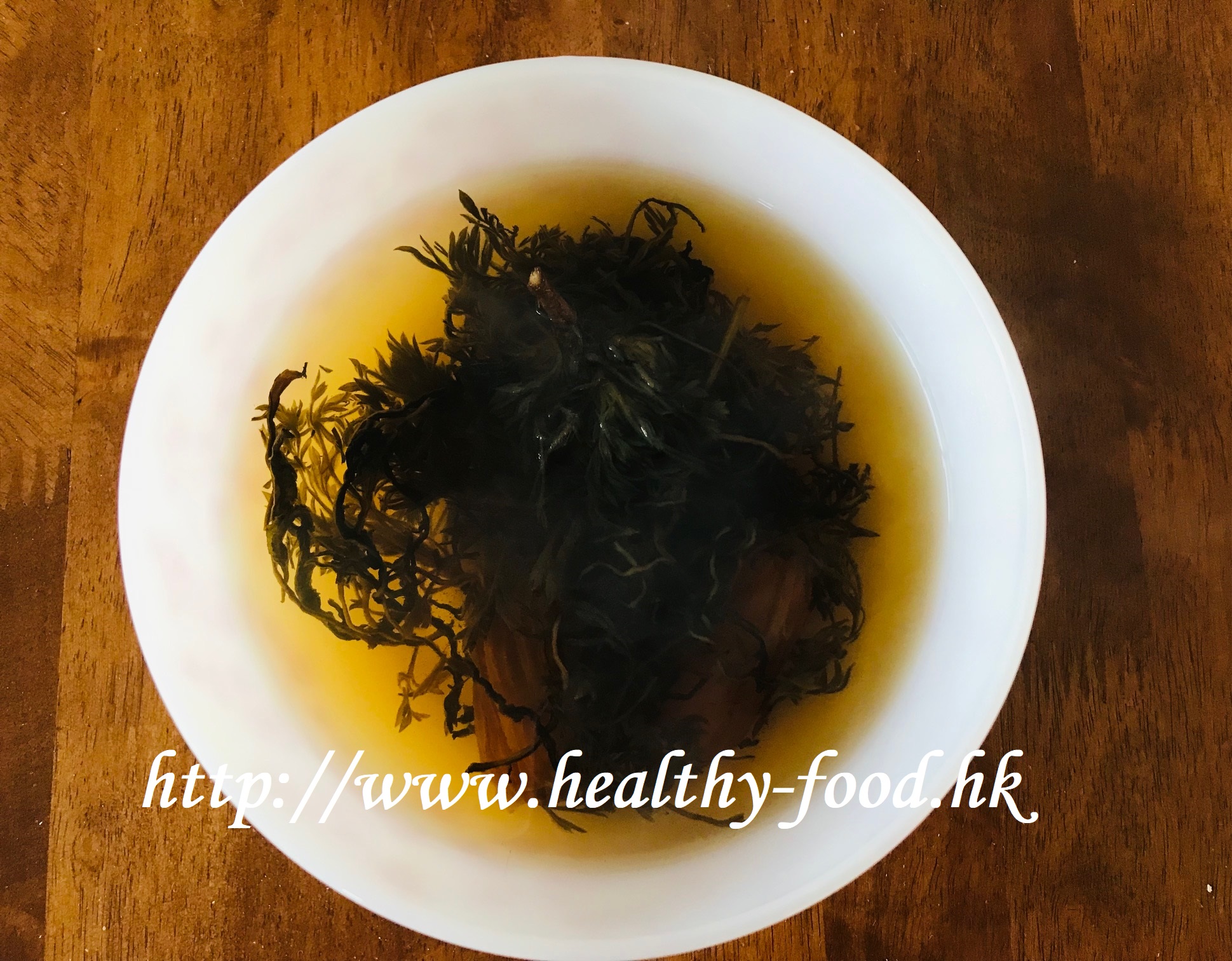
Why people make this tea
Dandelion is one of those plants that grows absolutely everywhere — roadside cracks, riverbanks, sandy fields, the edges of farmland — and Bro Niu has always felt that plants with this kind of tenacious vitality tend to be among the most medicinally potent. If a plant can thrive in almost any environment and resist whatever nature throws at it, that resilience often translates into strong anti-inflammatory and antimicrobial properties.
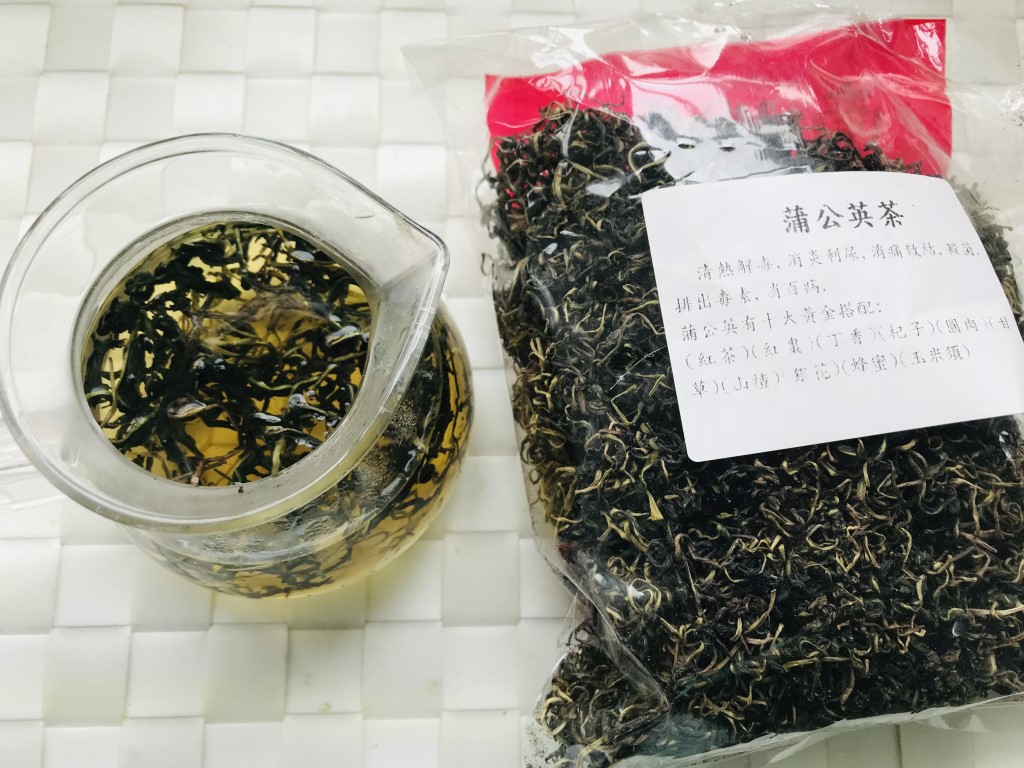
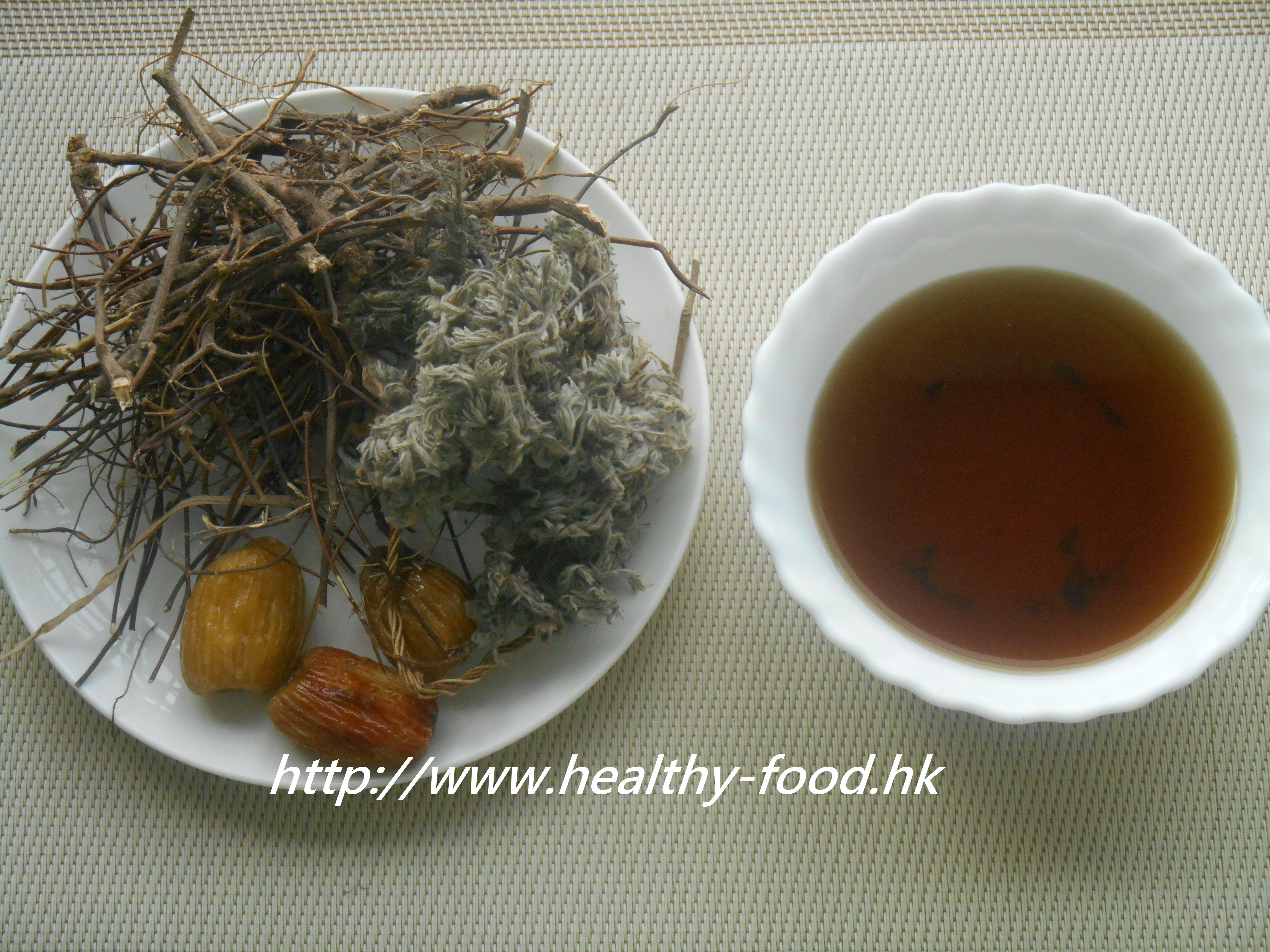
The entire dandelion plant has been used in traditional Chinese medicine for centuries — roots, leaves, and flowers alike. It is associated with clearing heat and toxins, reducing swelling, promoting urination, and traditionally supporting conditions involving the breast, bronchial tubes, gallbladder, liver, and urinary tract. Today, many Chinese herbal stores carry both the dried leaf version (good for tea) and a coarser roasted root cut (stronger flavour, also good for tea).
Paired with virgate wormwood (yin chen), which is one of the most classical herbs in Chinese medicine for supporting bile production and liver cell function, this two-herb tea is a simple, time-tested approach to gentle liver support. The honey dates make it palatable and moderate the cooling nature of the other two ingredients.
Who it suits / who should be cautious
- People with hepatitis, mild jaundice, or elevated liver enzymes who want a gentle complementary food-therapy tea alongside medical treatment
- Those with gallbladder inflammation or a tendency toward skin fungal infections or damp-heat related skin conditions
- Caution: Both herbs are cooling in nature. Those with a habitually cold stomach, weak digestion, or loose stools should add extra red jujube dates (hong zao) and a piece of dried tangerine peel (chen pi) to temper the cooling quality
- This tea is a complementary wellness choice — liver disease requires medical monitoring and treatment; please see a doctor
Why these ingredients (the food-therapy logic)
- Dandelion (pu gong ying / Taraxacum officinale): One of the most versatile herbs in Chinese food therapy; associated with clearing heat and toxic fire, reducing swelling, and supporting liver and gallbladder function; traditionally used for breast inflammation, acute bronchitis, gallbladder inflammation, and urinary infections
- Virgate wormwood (mian yin chen / Artemisia capillaris): The classical Chinese herb for jaundice; associated with promoting bile secretion and liver cell regeneration; a key component in many classical liver-support formulas
- Honey dates (mi zao): Naturally sweet, warming, and gentle on the stomach; used here to balance the cooling nature of the other two herbs and make the tea more pleasant to drink
Ingredients (2 cups)
| Ingredient | Amount | Notes |
|---|---|---|
| Dandelion (leaf or root) | ~19 g (5 qian) | Soaked and rinsed briefly |
| Virgate wormwood | ~19 g (5 qian) | Soaked and rinsed briefly |
| Honey dates | 2 pieces | |
| Water | 4 bowls (~800 ml) |
Method
- Soak and rinse both the dandelion and wormwood briefly.
- Combine all ingredients in a pot with 4 bowls of water.
- Bring to a boil, then reduce heat and simmer for 20 minutes until the liquid reduces to about 2 cups.
- Strain into cups and drink warm.
- If the tea is too bitter or cooling for your taste, add one or two red jujube dates and a piece of dried tangerine peel when cooking.
Bro Niu’s tips
The dandelion available in Chinese herbal stores comes in two forms: the dried young leaf (good for light, fragrant tea) and the chopped roasted root (stronger, earthier flavour). Either works well in this recipe. The tea has a mild medicinal taste — the honey dates help considerably. It is cooling in nature, so those with cold constitutions or sensitive stomachs should add chen pi and hong zao. Beyond liver support, this tea is also traditionally helpful for suppressing skin fungal infections and relieving damp-heat related itch. Do note that dandelion contains caffeic acid, which is distinct from caffeine — people sensitive to caffeine can generally drink this without concern.
Community questions answered (selected)
-
Q (匿名 / reader): Does dandelion contain caffeine? Bro Niu: Dandelion contains caffeic acid, which is present in coffee beans in very small amounts. Caffeic acid and caffeine are different substances — dandelion tea should be fine for those avoiding caffeine.
-
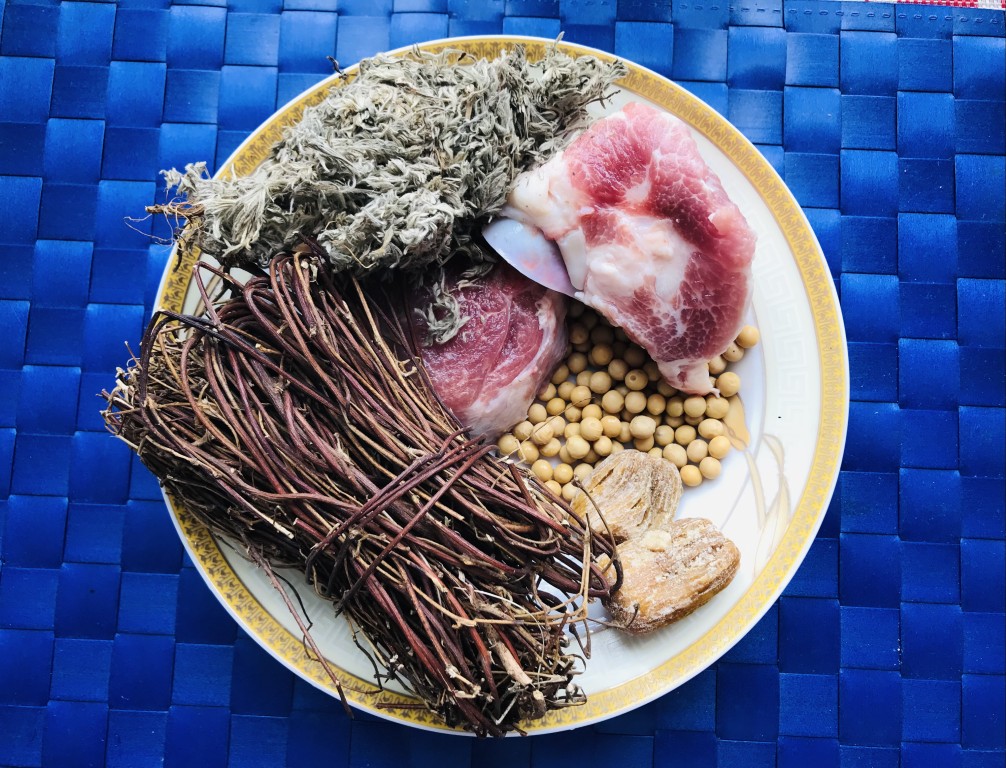
Q (YIYI / reader): My mother is about 70 and has high liver enzymes. What soup or tea can help? She also has a urinary infection. Bro Niu: For high liver enzymes, try steeping hawthorn berry (shan zha), roasted cassia seeds (chao jue ming zi), and chrysanthemum — a small handful of each — as a regular tea. For the urinary infection, cook a soup with fresh cogon grass root (xian mao gen), 1 liang of raw coix seeds (sheng yi mi), and 2 liang of plantain herb (che qian cao) with lean pork; take three batches, and continue monitoring urine until fully clear.
-
Q (Wing / reader): I have hepatitis. My husband has a gallbladder duct issue. Is the tea bag blend I found (containing cassia, dandelion, chrysanthemum, goji, liquorice, tangerine peel, burdock, gardenia) suitable for us? Bro Niu: The tea blend is fine for hepatitis. For the gallbladder duct condition, that is more specialised — please consult a doctor for that one.
Published January 9, 2022 · Adapted and translated for Nourilo from a traditional home-kitchen recipe. Approx. 4 min read.