Soups
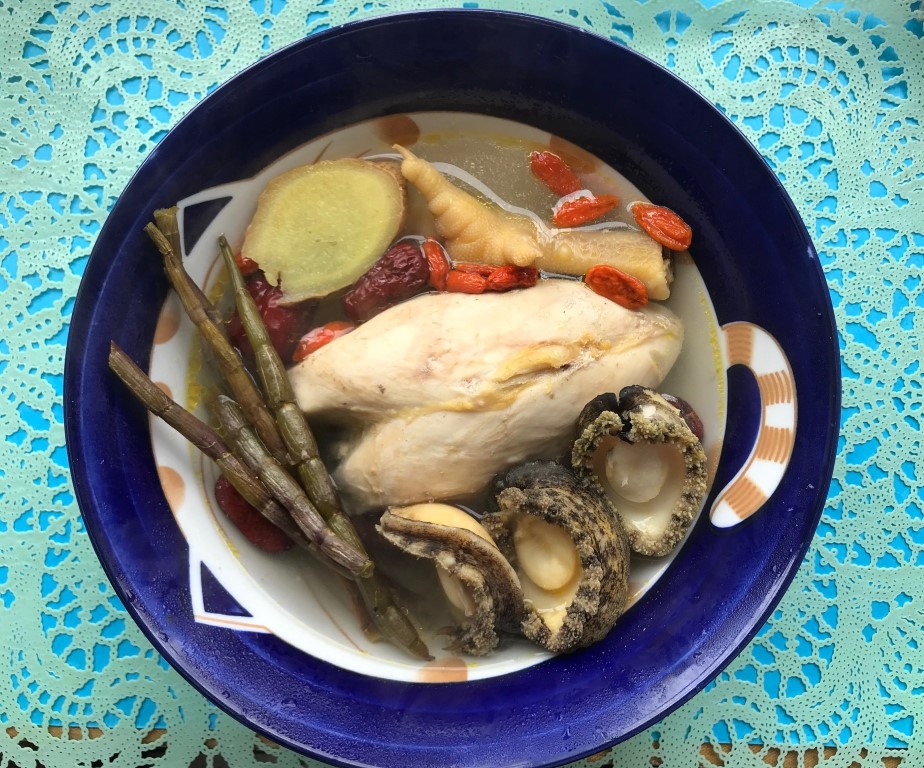
Cordyceps Flower, Pearl Oyster Meat and Green-Lip Abalone Soup
traditionally used to nourish the liver, support eye health, and promote general vitality
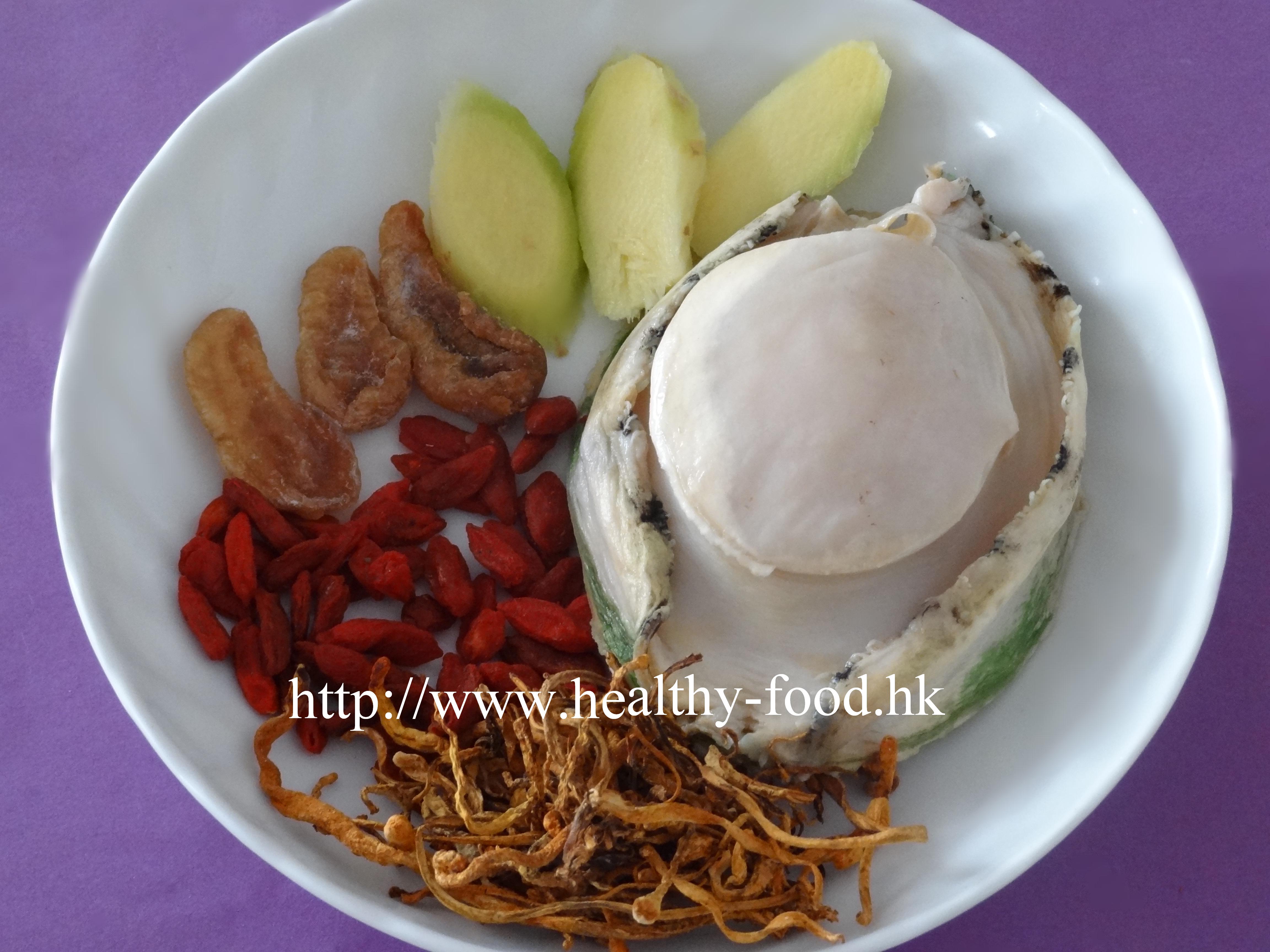
Why people make this soup
Abalone has long been known in Cantonese cuisine as “ming mu yu” — the eye-brightening fish — and in traditional food therapy it is associated with calming internal heat, nourishing the liver and supporting comfortable vision. Combined with pearl oyster meat, which is deeply nourishing and associated with the eyes and kidneys, and cordyceps flower, which adds kidney-protecting and anti-fatigue properties, the result is a soup that is exceptional in both flavour and nourishing effect. Rich and beautifully fragrant, it is one of those recipes reserved for when you want to give someone — or yourself — a genuine boost.
Who it suits / who should be cautious
- Suitable for the whole family, including children and older adults
- Particularly good for those who spend a lot of time in front of screens, those recovering from illness or surgery, and anyone who feels physically depleted
- If cooking for more people, simply add lean pork or pork shank (zhu zhan) alongside the abalone and pearl meat
Why these ingredients (the food-therapy logic)
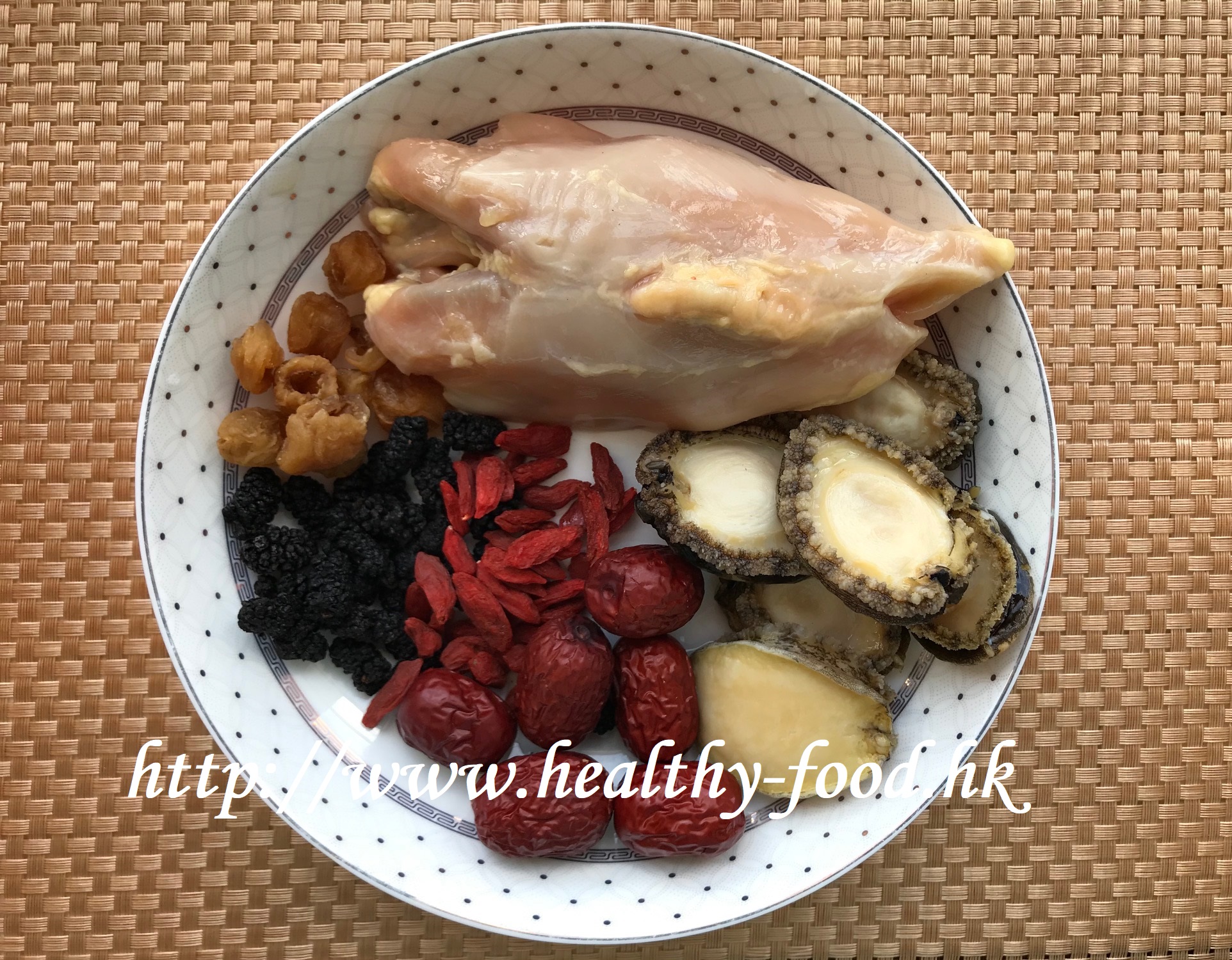
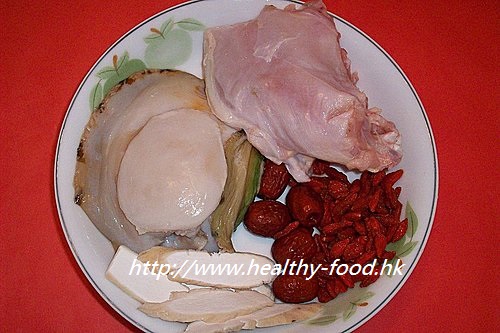
- Green-lip abalone (qing bian bao): Considered one of the most nourishing seafoods in traditional Cantonese medicine; associated with nourishing liver yin, clearing heat, and supporting eye comfort. Known traditionally as “the fish that brightens the eyes”
- Pearl oyster meat (zhen zhu rou): The adductor muscle of the pearl-bearing oyster (not pearl barley); deeply nourishing, associated with yin nourishment, eye health and calming the spirit. Available at Chinese or Asian dry-goods stores or online
- Cordyceps flower (chong cao hua; Cordyceps militaris): A cultivated form of cordyceps mushroom (more widely available than wild cordyceps); associated with supporting kidney and liver health, reducing fatigue and supporting the immune system. Not the same as wild cordyceps sinensis, but still valued in modern food therapy
- Ginger: Balances the cooling nature of the seafood and aids digestion
Ingredients (4 bowls)
| Ingredient | Amount | Notes |
|---|---|---|
| Cordyceps flower (chong cao hua), dried | ~37 g (1 liang) | Rinse and soak briefly |
| Pearl oyster meat (zhen zhu rou), dried | 3 pieces | Soak until fully softened, about 30–60 min |
| Frozen green-lip abalone | 1 piece | Defrost; trim away the intestinal sac; blanch briefly |
| Fresh ginger | 3 slices | No need to peel |
| Water | 8 bowls (~1.6 L) | Reduce to about 4 bowls |
Method
- Rinse the cordyceps flower and soak briefly in cold water for 10–15 minutes.
- Soak the pearl oyster meat in cold water until fully softened (30–60 minutes or longer).
- Defrost the frozen green-lip abalone. Trim away the intestinal sac (the dark portion). Blanch briefly in boiling water to remove impurities.
- Place all ingredients together in a pot with 8 bowls of water.
- Bring to the boil over high heat, then reduce to a low simmer.
- Cook for 3 hours, until the broth reduces to about 4 bowls.
- The abalone must be cooked whole and only sliced into pieces to serve at the table — cutting it before cooking makes the flesh tough and chewy.
- Drink the broth and eat the abalone, pearl meat and cordyceps flower.
Bro Niu’s tips
- When selecting cordyceps flower, look for pieces that are dry, aromatic and deep orange in colour. The yellow colouring that appears when you soak it is natural pigment — perfectly normal, just like the yellow from goji berries.
- The green-lip abalone must be cooked whole throughout the simmering process. Slice it only when you are about to eat — this is the key to keeping the flesh tender rather than rubbery.
- If pearl oyster meat is not available or too expensive, you can substitute dried whelk (xiang luo gan) or dried scallop column (yao zhu), or simply add extra goji berries and skip the pearl meat. Pearl oyster meat is available at Chinese or Asian dry-goods stores or online.
- This soup is also suitable as a restorative after surgery or serious illness. It can be made more substantial by adding lean pork or pork shank for a larger group.
Community questions answered (selected)
-
Q (英): Can I make this without pearl oyster meat? What could I substitute? Bro Niu: You can use dried whelk or scallop column (yao zhu) — both are yin-nourishing and eye-supporting. Or simply skip the pearl meat and add a bit more goji berries.
-
Q (糖糖): Is there a way to tell if cordyceps flower is genuine? The price varies enormously. What should I look for? Bro Niu: The yellow-orange colouring in the soaking water is natural — it is just pigment coming off, like goji berries. Look for pieces that are dry, with a good fragrance, and not damp or clumped together. Smell it before buying and check that it is dry and aromatic.
-
Q (royalcanin): My mother has a cataract that her doctor says is not ready for surgery yet. Her vision is blurry and she often has burst blood vessels in her eyes. Is there a good soup for her? Bro Niu: For cataracts and eye fragility, you can look for Lanzhou brand Qi Ju Di Huang Wan (a traditional patent formula) from a good Chinese medicine shop and take it consistently over a longer period — it is very supportive for the eyes. For a soup, use jin chan hua (cicada flower) 4 qian, goji berries 4 qian, rui ren rou (Semen Prinsepiae) 3 qian and carrot 1 piece, simmered with lean pork in 8 bowls of water for 1.5 hours. This helps reduce the fragility of the eye’s tiny blood vessels.
Published August 13, 2012 · Adapted and translated for Nourilo from a traditional home-kitchen recipe. Approx. 4 min read.