Home-Style Dishes
Donkey-Hide Gelatin Tonic Paste (Gu Yuan Gao)
Traditionally nourishes yin and blood, supports a weak constitution
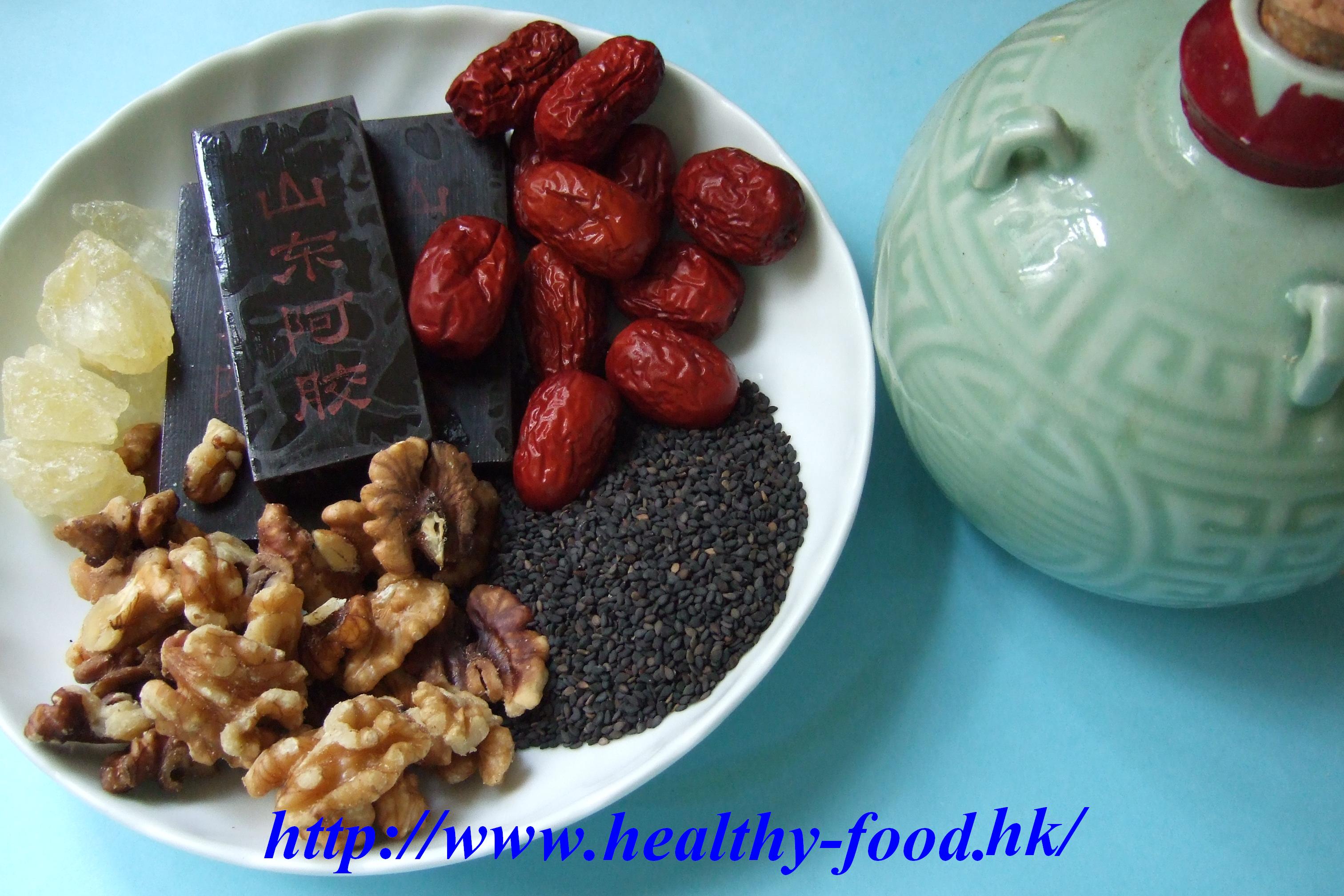
Why people make this paste
A friend of mine had a run-down constitution — often dizzy, with sore lower back, easily cold, and catching colds at the drop of a hat. She had bought a box of donkey-hide gelatin (e jiao) but had no idea how to use it. To help build her up steadily, I suggested turning it into a sweet paste with a few nourishing add-ins, taken a spoonful or two a day. The ingredients are simple, but the making takes patience. For women especially, this paste is a well-loved traditional tonic — taken regularly it is associated with a brighter complexion and with nourishing yin and blood.
Who it suits / who should be cautious
- Run-down, cold-prone adults; gentle for both men and women, and for frail children at half the amount (use the milder osmanthus wine for children)
- Avoid if your spleen and stomach are weak, or if you have an unresolved cold or flu
- Do not take during menstruation — wait until your period has finished
- E jiao is hard to digest; only take it once your digestion is in good shape
Why these ingredients (the food-therapy logic)
- Donkey-hide gelatin (e jiao): the classic blood-nourishing tonic in traditional Chinese food therapy.
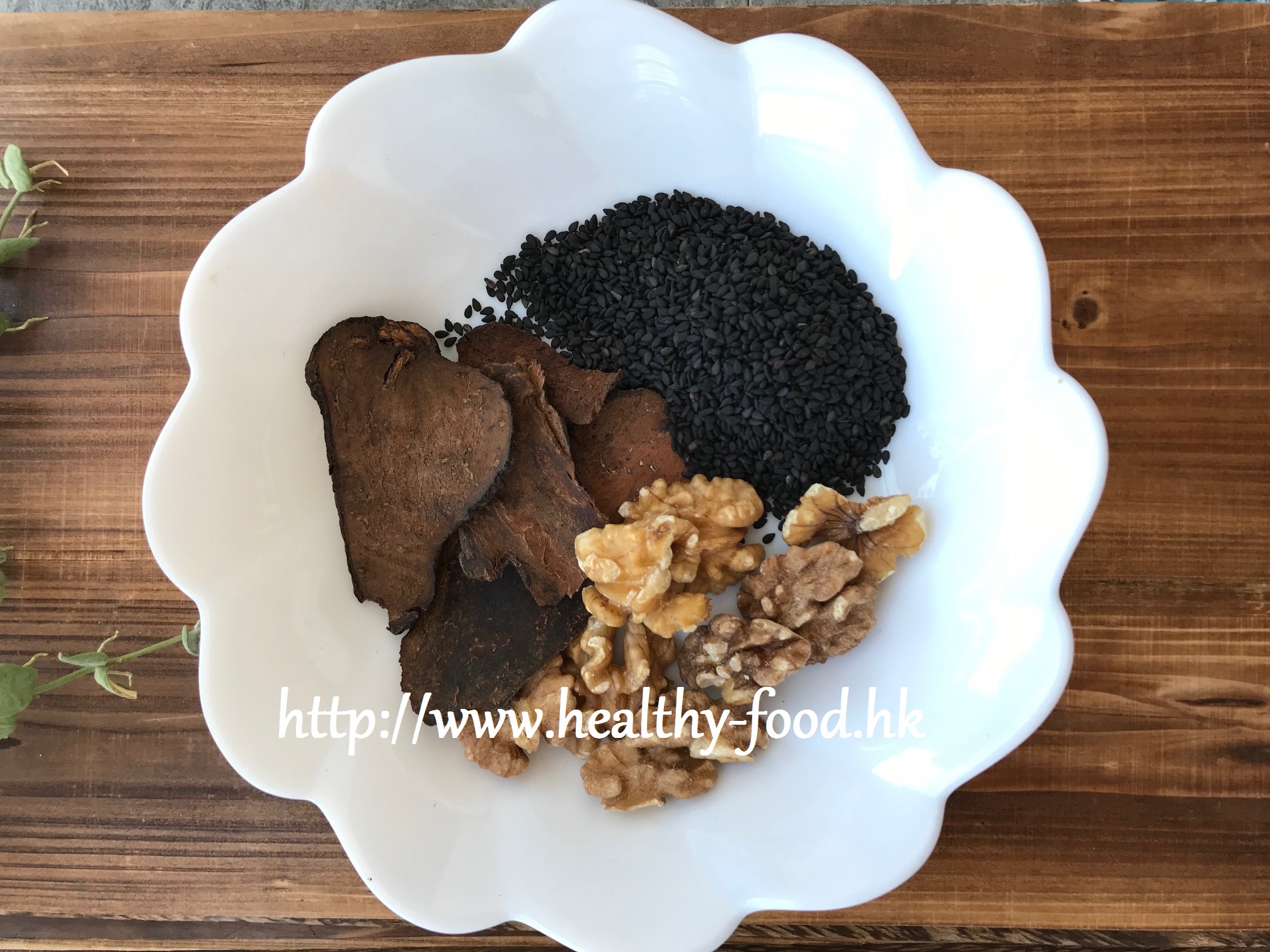
- Walnut kernels (he tao rou): traditionally warming and nourishing.
- Black sesame (hei zhi ma): associated with nourishing the blood and moistening dryness.
- Red dates (hong zao): traditionally support blood and harmonise the other ingredients.
- Rock sugar (bing tang): softens the flavour and adds a moistening sweetness.
Ingredients (several jars)
| Ingredient | Amount | Notes |
|---|---|---|
| Donkey-hide gelatin (e jiao) | 300 g | Broken into pieces, soaked in wine 1 day |
| Walnut kernels | 300 g | Dry-toasted, then ground fine |
| Black sesame | 300 g | Dry-toasted, then ground fine |
| Red dates | 300 g | Washed, pitted, ground fine |
| Shaoxing (or osmanthus) wine | 1 bottle | Osmanthus wine is milder, better for children |
| Rock sugar | ~225 g | To taste |
Method
- Break the e jiao into small pieces and soak in the Shaoxing wine for 1 day.
- Dry-toast the walnuts and black sesame in a clean pan until fragrant. Wash and pit the red dates. Grind the walnuts and red dates fine in a food processor (or chop fine by hand).
- Steam the wine-soaked e jiao over water until fully melted. Stir in the walnut, sesame and date mixture plus the rock sugar, then steam about 1 more hour, stirring now and then with chopsticks to keep it even.
- Let cool and divide into clean glass jars. Take 1–2 tablespoons a day with warm water.
Bro Niu’s tips
The paste tastes good and suits men, women and frail children — but skip it if your spleen and stomach are weak or you have an unresolved cold. For frail children, halve the dose and use the milder osmanthus aged wine. Keep one small jar at room temperature for everyday use and refrigerate the rest; a quick 5-minute steam refreshes refrigerated paste.
Community questions answered (selected)
-
Q (Amon): After a Caesarean section, when can I eat e jiao? Bro Niu: From the second week after a C-section, once your spleen-and-stomach function has recovered, you can take e jiao.
-
Q (Monki): Can e jiao be cooked together with any kind of soup? Bro Niu: E jiao is best added to a hot congee or a nourishing soup. Break a piece into a bowl, add water to about 80% full, and steam over water until it melts into a gelatin liquid — then you can stir 2–3 tablespoons of that liquid into hot soup or congee anytime.
-
Q (reader): Can I eat e jiao during my period? Bro Niu: Don’t take e jiao while menstruating — take it after your period has finished.
Published October 15, 2010 · Adapted and translated for Nourilo from a traditional home-kitchen recipe. Approx. 3 min read.