Home-Style Dishes
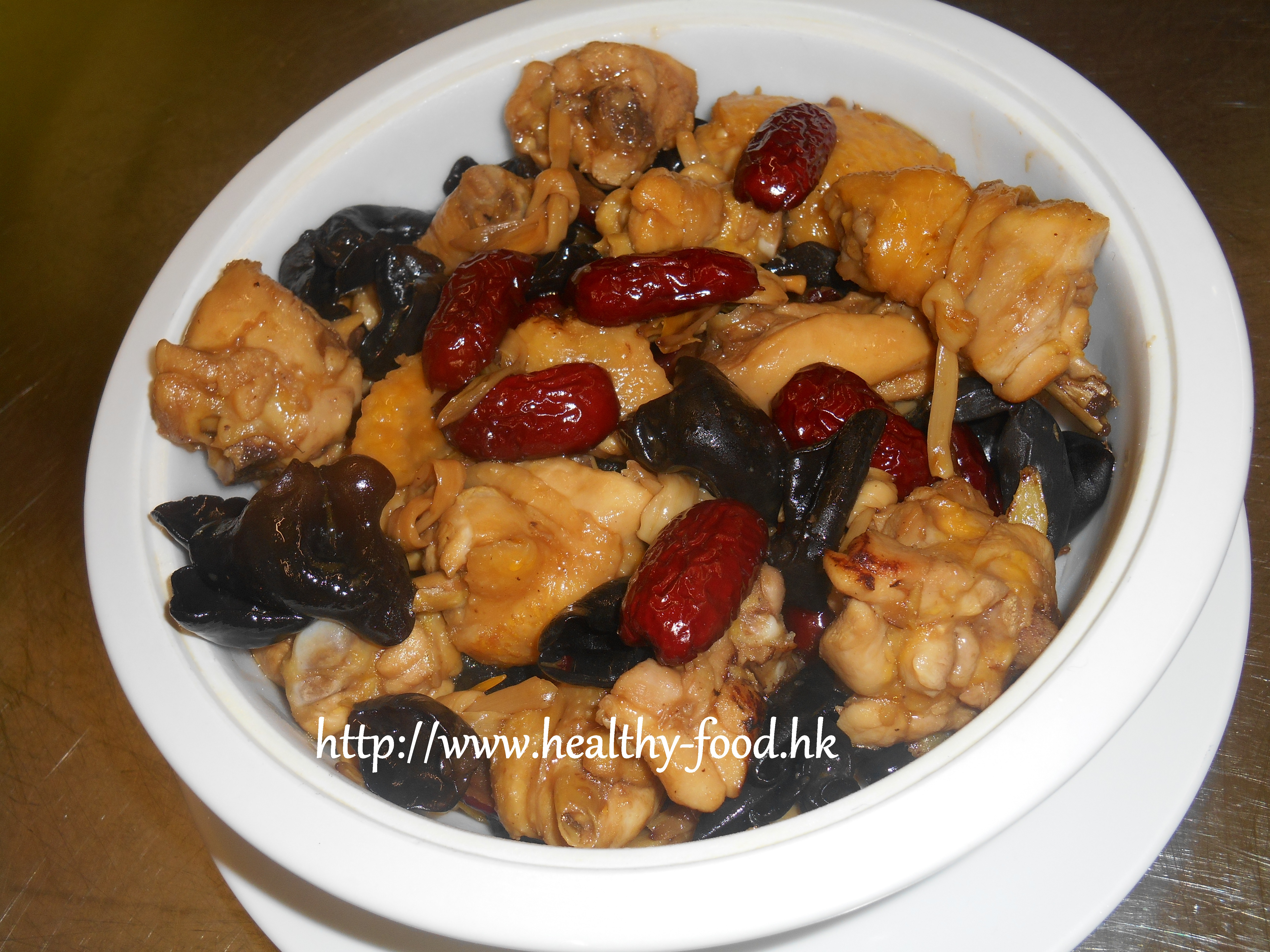
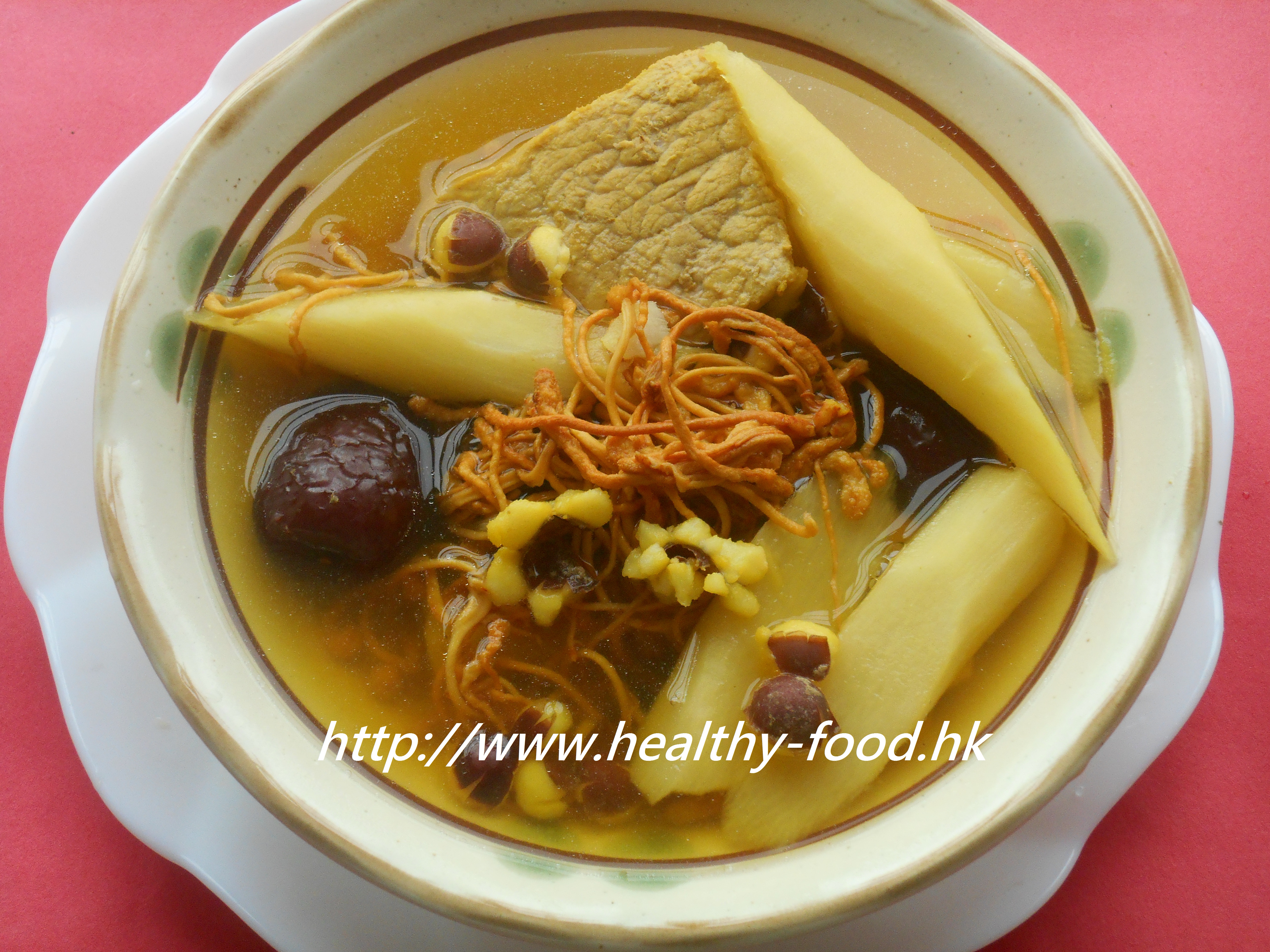
Codonopsis Old Chicken & Fish Maw Double-Steamed Stew
Traditionally associated with replenishing qi and blood after childbirth and supporting wound healing
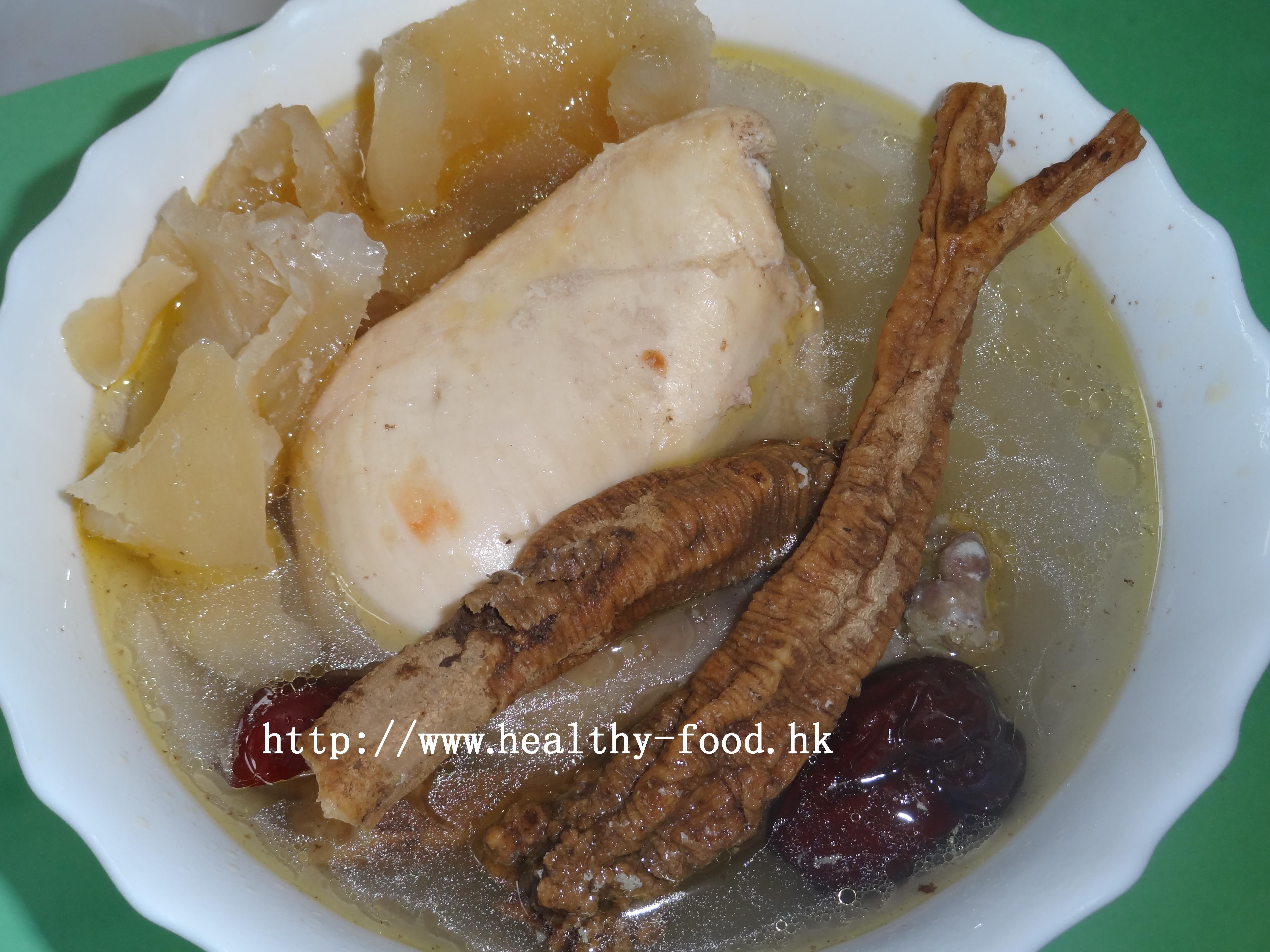
Why people make this stew
Childbirth — whether natural or by caesarean section — places enormous demands on a woman’s body. In Cantonese traditional practice, postpartum recovery (做月, “sitting the month”) is taken seriously, with specific foods chosen to rebuild qi, blood, and collagen-like substances lost during delivery. Bro Niu particularly recommends this stew for new mothers, noting that old hen (an older laying hen rather than a young broiler) produces a broth with far more natural gelatin — you can observe this by letting the cooled soup set into a jelly. Fish maw (the dried swim bladder of large fish, rehydrated) is prized in Chinese food culture as a natural source of collagen and nourishing protein, traditionally thought to help the body regenerate tissue and rebuild strength. Together with codonopsis — a gentler alternative to ginseng that supports qi without excessive heat — this makes one of the most practical and delicious postpartum tonics Bro Niu knows.
Who it suits / who should be cautious
- Suits: new mothers after lochia has fully resolved; anyone recovering from surgery or serious illness who needs to rebuild strength
- Do NOT take before lochia has cleared — traditional practice strongly cautions against tonic soups too early after birth, as they can impede the clearing of post-birth discharge
- For caesarean section: the same guidance applies — wait for discharge to resolve before starting tonic foods
- Fish maw is nourishing but can feel heavy on the stomach in large quantities; eat the size of a palm per serving
Why these ingredients (the food-therapy logic)
- Old hen: The collagen-rich broth from an older laying hen is considered far superior for postpartum recovery compared to young broilers; the soup gels like jelly when cooled, indicating high natural gelatin content
- Codonopsis root (dang shen): A widely-used Chinese herb that supports qi and spleen function; gentler than ginseng and less likely to cause heat or dry mouth, making it well-suited for new mothers
- Fish maw (hua jiao): The dried and rehydrated swim bladder of large fish; traditionally revered as a natural collagen source that supports tissue healing, skin nourishment, and blood rebuilding
- Red dates: Support blood nourishment and add natural sweetness
- Fresh ginger: Warms the stomach and helps prevent the soup from feeling too heavy
Ingredients (3–4 servings)
| Ingredient | Amount | Notes |
|---|---|---|
| Codonopsis root (dang shen) | 2 sticks | Rinse and soak briefly |
| Old hen | Half a bird | Skin removed; blanch before use |
| Fish maw (soaked and ready) | 113 g (3 liang) | Blanch before use |
| Red dates | 6 pieces | Rinse |
| Fresh ginger | 2 slices | |
| Boiling water | Enough to fill the steaming vessel |
Method
- Blanch the old hen (skin removed) briefly in boiling water to clean; drain.
- Blanch the soaked fish maw briefly in boiling water; drain.
- Rinse the codonopsis and red dates.
- Place all ingredients into a large steaming vessel (炖盅) or covered ceramic pot.
- Pour in enough boiling water to cover the ingredients.
- Place the covered vessel in a larger pot of boiling water and double-steam for 3 hours, replenishing the outer water as needed.
- Serve directly from the vessel, drinking the broth and eating the meat, fish maw, and dates.
Bro Niu’s tips
If a double-steaming vessel is not available, this stew can be made in a regular pot — but add more water (about 8 bowls) and be aware that the fish maw will dissolve and thicken the soup rather than remaining in pieces. If making it in a pot, add the fish maw only in the last 30 minutes to preserve some texture. This stew is equally nourishing for anyone recovering from surgery, not just new mothers. After surgery, wait 4–5 days before introducing fish maw; the amount should be about the size of one palm per serving — it will not cause scar tissue complications.
Community questions answered (selected)
-
Q (Aibee): My younger sister just delivered her second child. She did not rest properly after her first birth and now has anaemia and poor health. What should she eat? Bro Niu: Right after delivery, start with lotus root, red kidney beans (or red beans), longan flesh, and red dates simmered with pork ribs — this helps rebuild blood. I recently shared a detailed postpartum recovery recipe on a parenting programme, including a milk-boosting soup. The key principles are: first, clear lochia; then build blood; and finally strengthen qi.
-
Q (豆豆 / Doudou): I am 20 days postpartum and lochia has not yet fully cleared. Can I start eating fish maw, bird’s nest, sea cucumber, or ejiao (donkey hide gelatin)? Bro Niu: While lochia is still present, first take a few batches of motherwort herb (yi mu cao, 19 g), hawthorn berries (shan zha, 11 g), and brown sugar in 4 bowls of water simmered to 2 bowls — this supports the body in clearing the discharge. Once lochia turns light pink or becomes transparent, you can then begin fish maw, sea cucumber, and other tonic foods.
-
Q (Joyce): How soon after general surgery can fish maw be eaten? Will it cause keloid scar tissue? Bro Niu: After surgery, if appetite returns by day 4–5, fish maw can be introduced. One palm-sized piece per serving is appropriate. It will not cause keloid scars.
Published February 23, 2012 · Adapted and translated for Nourilo from a traditional home-kitchen recipe. Approx. 4 min read.