Soups
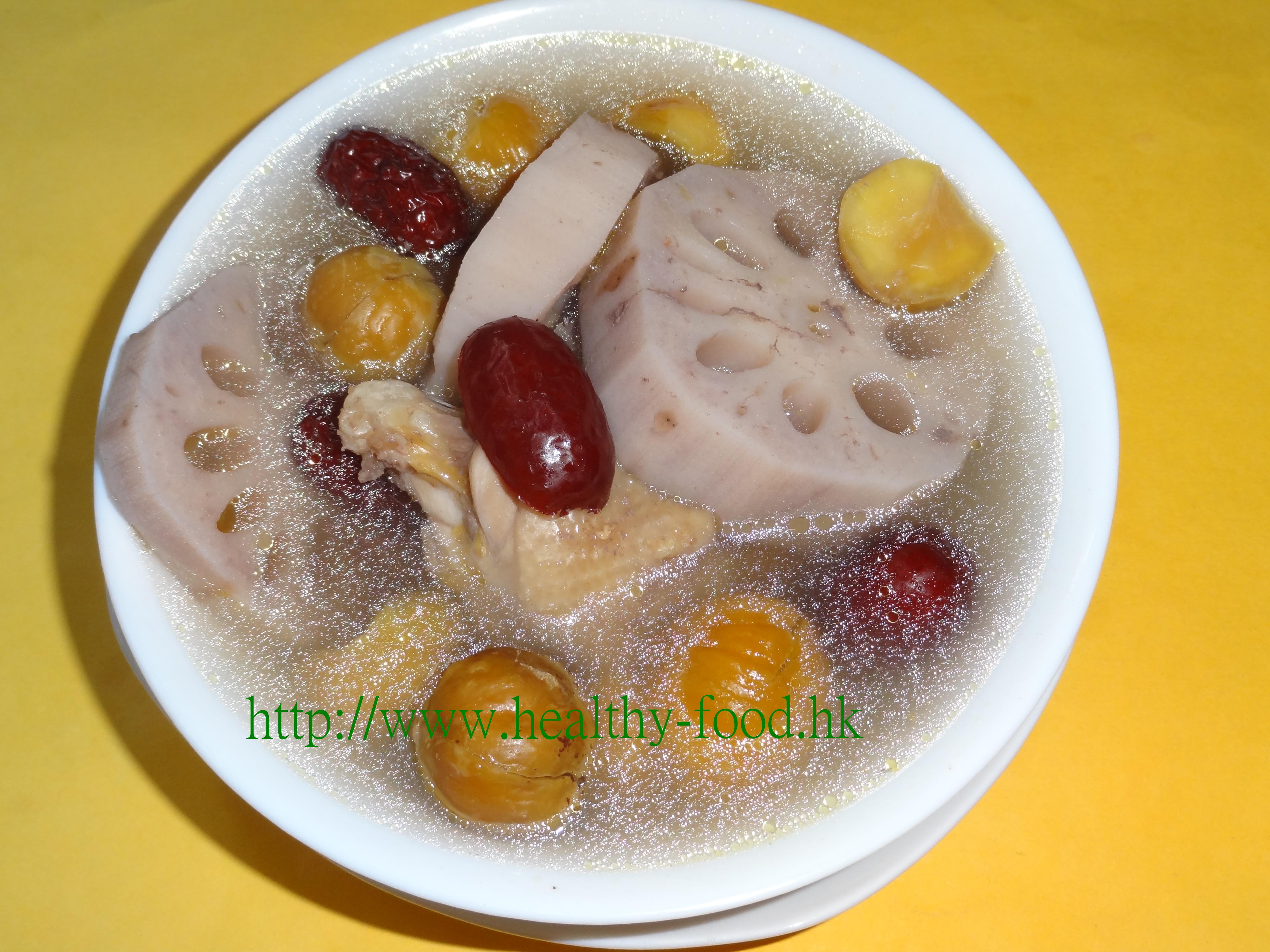
Codonopsis, Lotus Seed, and Chicken Soup
traditionally associated with nourishing the spleen and stomach, replenishing qi and blood, and supporting recovery after illness or fatigue
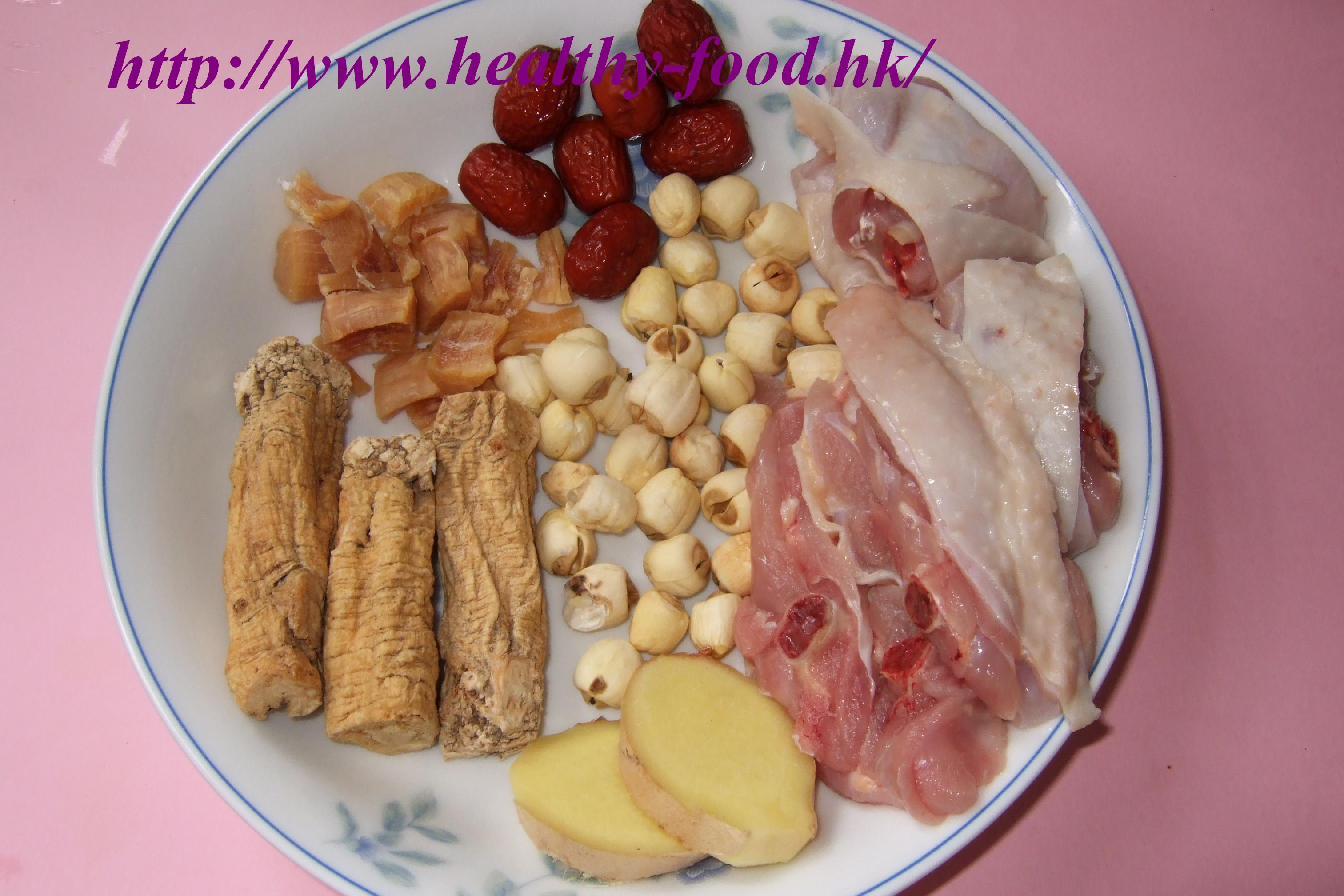
Why people make this soup
There are times in life when the body simply runs low — after a prolonged illness, after carrying too much worry, or after pushing too hard for too long without rest. Traditional Chinese food therapy describes this as the heart-spleen being overtaxed: blood and qi become insufficient, leading to fatigue, pallor, reduced appetite, and a general sense of depletion. This Codonopsis and Lotus Seed Chicken Soup is one of Bro Niu’s foundational tonic soups for that situation. It nourishes qi and blood simultaneously, is gentle enough to be eaten every day, and is not heating or excessive — truly a meal and a remedy in one bowl. The broth is deeply flavourful thanks to the dried scallops, and the lotus seeds and chicken add satisfying texture.
Who it suits / who should be cautious
- People recovering from illness or who have been overtaxed physically or emotionally.
- Those with chronically poor appetite, pale complexion, easy fatigue, or mild breathlessness on exertion.
- Children with spleen deficiency and poor appetite.
- Also beneficial for those living in damp environments — adding 19 g of poria (fu ling) enhances the dampness-clearing effect.
- Caution: Those with gastrointestinal heat-damp (heavy, sticky tongue coating, digestive inflammation) should avoid this soup, as the tonic ingredients may be too supplementing for an already stagnant digestive system. Please see a doctor if unsure.
Why these ingredients (the food-therapy logic)
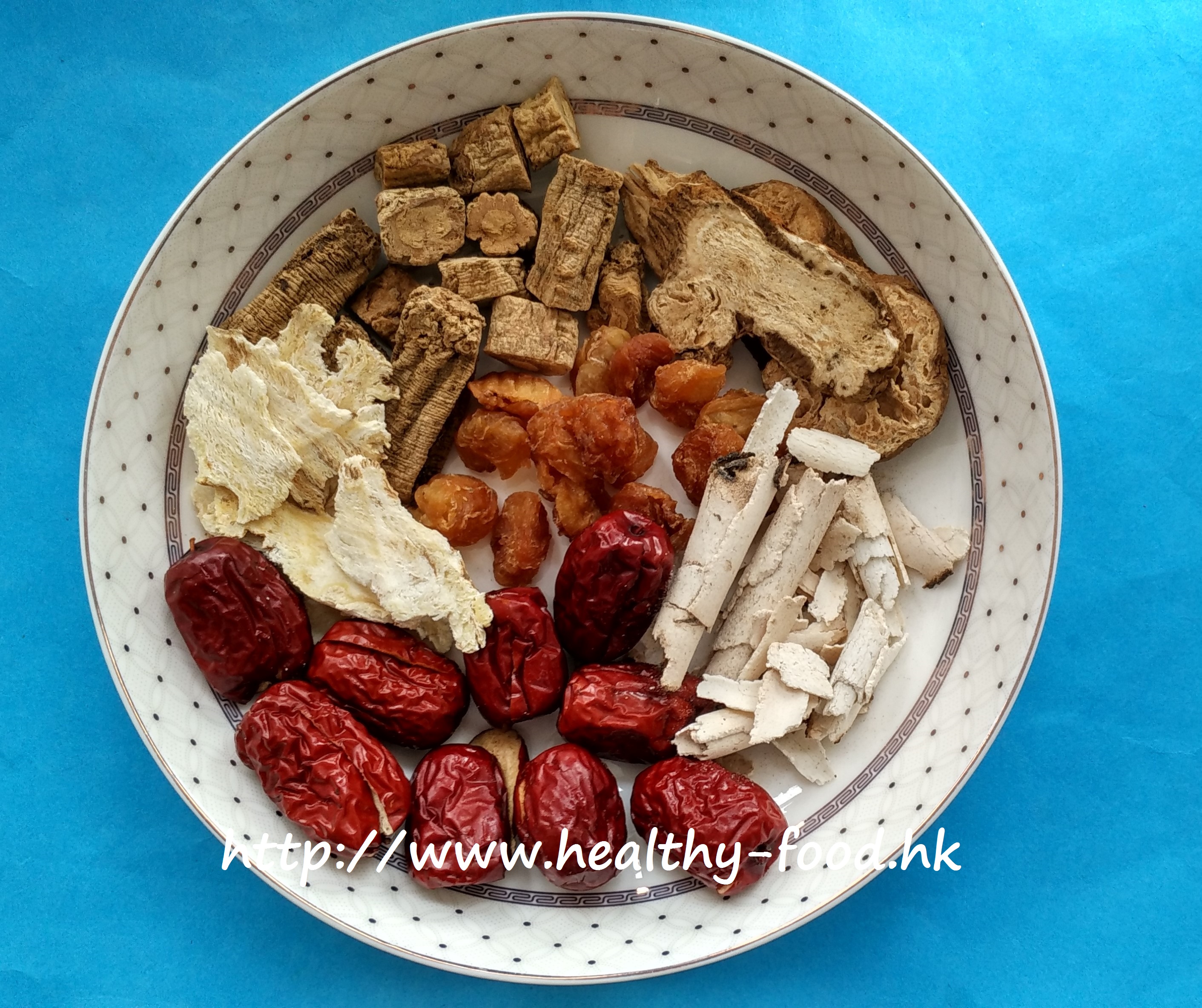
- Codonopsis root (dang shen): The gentle workhorse of Chinese tonic cooking — associated with strengthening central qi, improving digestion, and building energy without the intensity of ginseng. It has a mild, slightly sweet flavour that blends well in soups. Note: “prepared” (zhi) codonopsis is not significantly different in food therapy from plain codonopsis; the plain form is what Bro Niu recommends.
- Lotus seeds (lian zi): Astringent and tonifying; traditionally used to strengthen the spleen, calm the mind, and help with loose stools. Using seeds with the bitter green core (you xin) adds heart-clearing properties.
- Dried scallops (jiang yao zhu): An umami powerhouse; they also carry traditional associations with nourishing yin and supporting kidney function. Just 3 pieces transform the depth of the broth.
- Red dates (hong zao): Complement the qi and blood tonification; natural sweetness balances the savoury elements.
- Chicken: Warms and nourishes; free-range or organic chicken is preferred for its leaner, more flavourful meat and lower hormone content.
- Ginger: Helps the stomach receive the tonic ingredients without discomfort.
Ingredients (4 bowls)
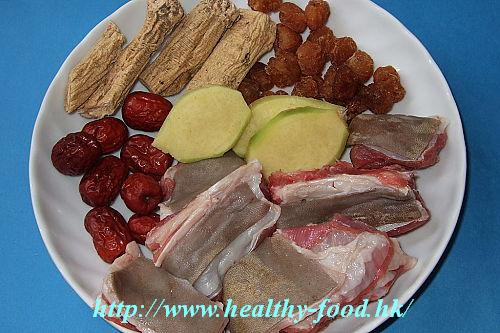
| Ingredient | Amount | Notes |
|---|---|---|
| Organic/free-range chicken | ~700 g (half a bird) | Chop into pieces; blanch and rinse |
| Lotus seeds | 75 g | Rinse; dried or fresh both fine |
| Dried scallops (conpoy) | 3 pieces | Soak in cold water 20 min before use |
| Codonopsis root (dang shen) | 30 g | Rinse; slice thinly |
| Red dates | 8 pieces | Remove pits |
| Fresh ginger | 3 slices | |
| Water | 8 bowls (~1.4 L) |
Method
- Soak the dried scallops in cold water for 20 minutes to hydrate them; set aside (keep the soaking water to add to the pot for extra flavour — strain it first).
- Rinse the codonopsis root and slice thinly. Rinse the lotus seeds. Pit the red dates.
- Chop the chicken into pieces. Blanch in boiling water for 2–3 minutes to remove impurities; rinse thoroughly and set aside.
- Place all ingredients — chicken, scallops (with their soaking water), codonopsis, lotus seeds, dates, and ginger — into a large pot with 8 bowls of water.
- Bring to a boil over high heat, then reduce to a gentle simmer. Cook for about 2 hours until the broth reduces to approximately 4 bowls and is rich and savoury.
- Season lightly with salt to taste. Serve warm; eat some of the chicken and lotus seeds along with the soup.
Bro Niu’s tips
This is a foundational tonic soup — Bro Niu calls it a “household wellness staple.” It is flavourful from the dried scallops and mild enough to eat two or three times a week as a regular restorative meal. For young children with spleen deficiency and small appetite, a variation using codonopsis, red dates, and a small amount of toasted rice (chao mi) in 5 bowls of water cooked to 2 bowls is even simpler and very accessible. Cook the rice in a dry pan until lightly golden before adding to the pot.
For families living in humid conditions, add 19 g of poria (fu ling) to the base recipe — it enhances the dampness-clearing effect without changing the flavour much.
There is no need to remove the codonopsis head from the body before cooking — this is a folk belief without practical foundation in everyday food therapy. Simply slice the root thinly for better flavour extraction.
Community questions answered (selected)
-
Q (Yen): My husband comes home exhausted every day and we live somewhere quite damp — is this soup suitable? Bro Niu: Yes, this soup suits him well. If your home is damp, add 19 g of poria (fu ling) to the pot when cooking — it helps the body handle the humidity.
-
Q (maruko): I’ve been told to cut off the head of the codonopsis root before cooking and use them separately. Is that necessary? Bro Niu: For codonopsis, there is no need to separate the head from the body before cooking. They can go in together — no problem at all.
-
Q (reader, digestive issues): My husband has a tender stomach that always feels full, and he goes to the toilet 3–4 times a day with soft stools — can he drink this soup? Bro Niu: Try this combination: bai zhu (white atractylodes) 15 g, fang feng 11 g, chen pi 8 g, gan cao 4 g, sha ren 11 g — simmer in 5 bowls of water down to 2 bowls. Drink for 3 days and see if things improve.
Published March 7, 2010 · Adapted and translated for Nourilo from a traditional home-kitchen recipe. Approx. 5 min read.