Soups
Codonopsis, Hyacinth Bean, Lotus Seed, Euryale Seed & Loach Fish Soup
Traditionally associated with strengthening the spleen and stomach, supporting nutrient absorption, and improving appetite
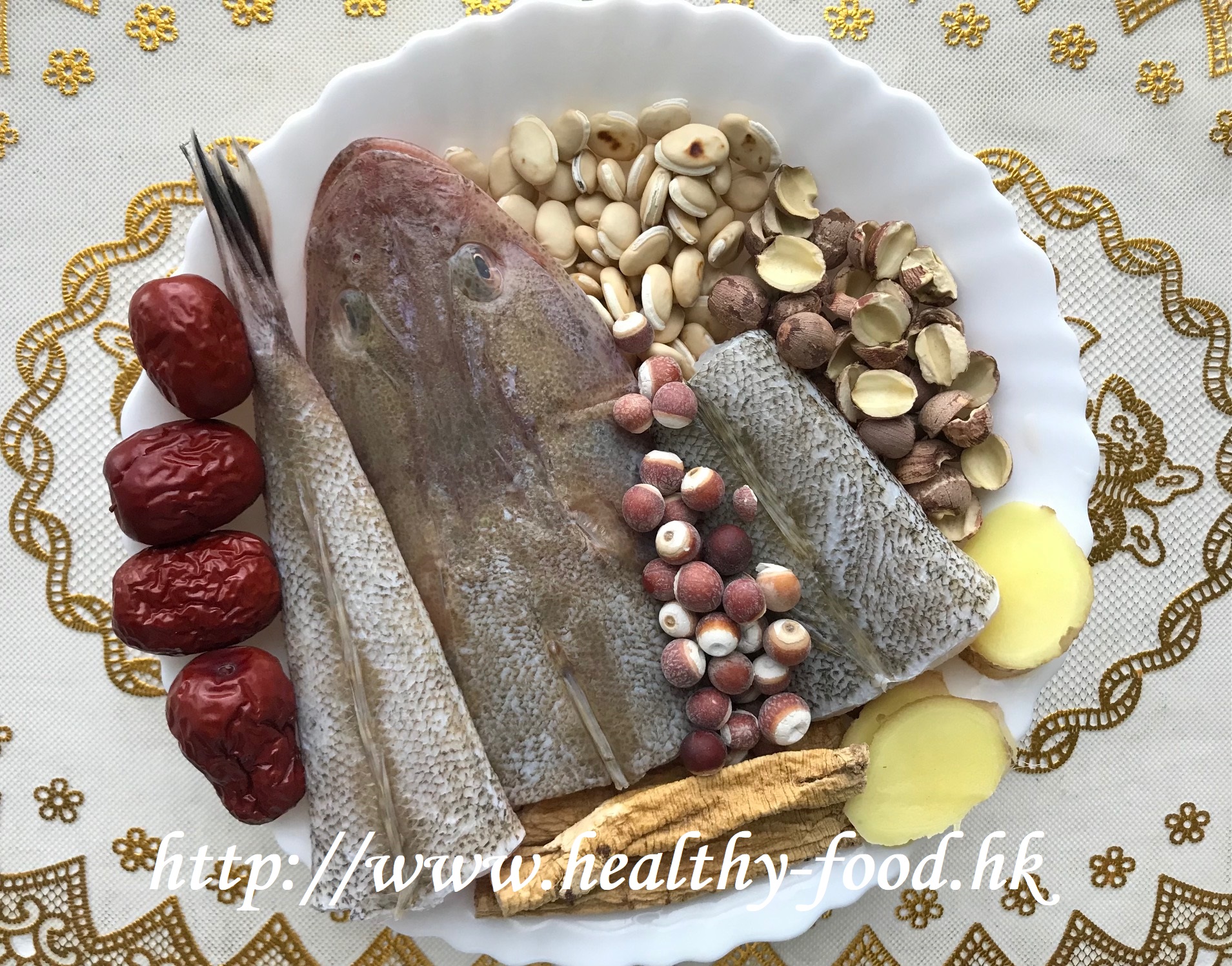
Why people make this soup
Loach fish (牛鳅鱼, niu qiu yu) is one of Bro Niu’s favourite soup fish — clean in flavour and well suited to long, slow simmering. When you pan-fry the fish first and then simmer it slowly, the resulting broth is richly savoury, milky-white, and deeply warming. Paired with a classic combination of spleen-supporting Chinese herbs — codonopsis, lotus seeds, euryale seeds, and toasted hyacinth beans — the soup becomes one of the most complete digestive-support soups in the Cantonese repertoire. It works for the whole family: for children who seem to eat but never seem to grow, for adults whose stomachs feel perpetually tired, and for anyone whose absorption just seems off.
Who it suits / who should be cautious
- Suitable for adults and older children with poor appetite, sluggish digestion, or weak constitution
- Particularly well suited to those who eat adequately but struggle to absorb nutrients properly
- Adults with vaginal discharge (white discharge) or tendency toward loose stools may find this soup supportive
- Not recommended for those with habitual constipation — the astringent herbs can make constipation worse
- Infants under one year should have only the plain fish broth without the herbs; children over one year can have small amounts with guidance
Why these ingredients (the food-therapy logic)
- Codonopsis root (dang shen / 党参; Codonopsis pilosula): A gentle tonic root widely used as a milder substitute for ginseng; traditionally associated with tonifying the middle qi, strengthening the spleen, and supporting the body’s energy without overheating it
- Toasted hyacinth beans (chao bian dou / 炒扁豆): Toasting strengthens their spleen-supporting properties; traditionally used to clear dampness and support normal digestive function
- Lotus seeds (lian zi / 莲子): Known in Chinese food therapy as the “fruit of the spleen”; calms the mind, supports the digestive system, and has a mildly astringent action
- Euryale seeds (qian shi / 芡实; Euryale ferox): Traditionally used to tonify the kidneys, support the spleen, reduce abnormal discharge (white or seminal), and ease loose stools; one of the key “consolidating” herbs in Chinese dietary medicine
- Loach fish (niu qiu yu / 牛鳅鱼): A small freshwater fish with a naturally sweet and mild flavour; pan-frying first gives the broth its characteristic richness without making it heavy
Ingredients (4–5 bowls)
| Ingredient | Amount | Notes |
|---|---|---|
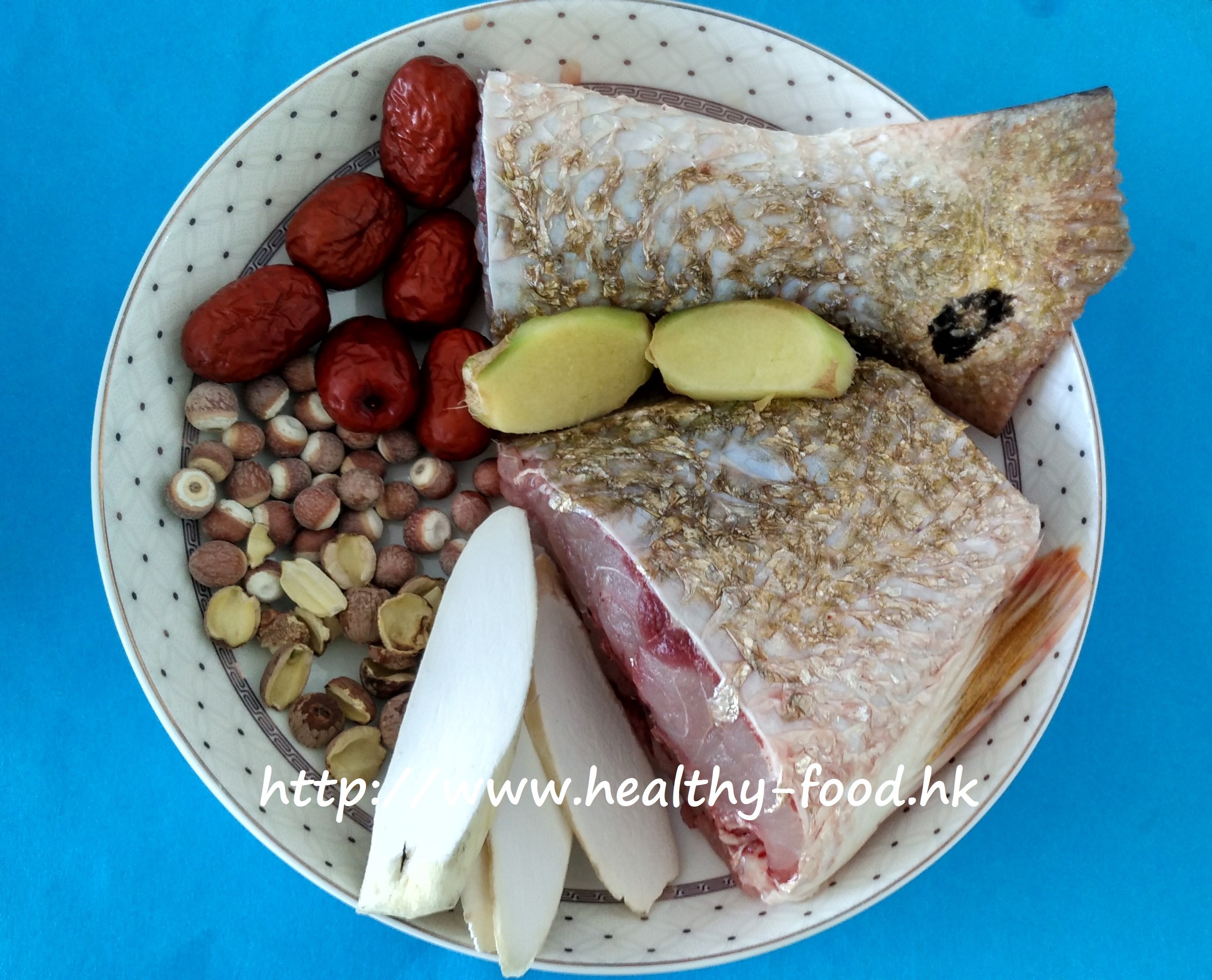
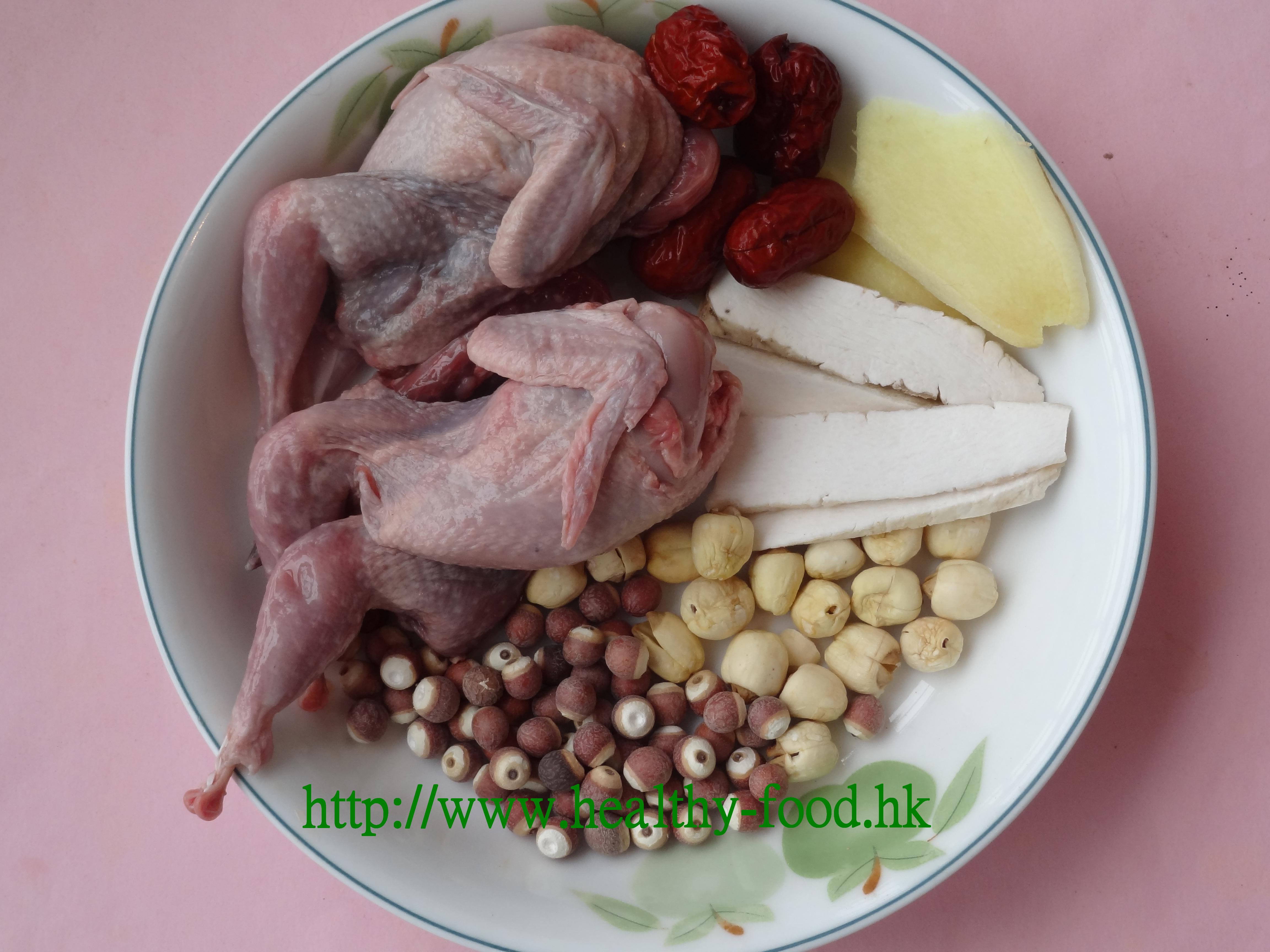
| Codonopsis root (dang shen) | ~19 g (5 qian) | Rinse briefly |
| Toasted hyacinth beans (chao bian dou) | ~38 g | Rinse and soak briefly |
| Lotus seeds (lian zi) | ~38 g | Rinse; de-bitter the green core if using fresh |
| Euryale seeds (qian shi) | ~38 g | Rinse and soak briefly |
| Fresh ginger | 3 slices | Peeled |
| Red dates (hong zao), pitted | 4 | Remove stones |
| Loach fish (niu qiu yu) | 1 whole (~300–400 g) | Cleaned and gutted by the fishmonger |
| Oil | 1 tsp | For pan-frying the fish |
| Water | 8 bowls |
Method
- Heat a little oil in a frying pan over medium heat. Pan-fry the loach fish on both sides until lightly golden and fragrant. (This step creates a richer, more flavourful broth.)
- Rinse and briefly soak the codonopsis root, hyacinth beans, lotus seeds, euryale seeds, and dried tangerine peel. Drain.
- Remove the pitted stones from the red dates.
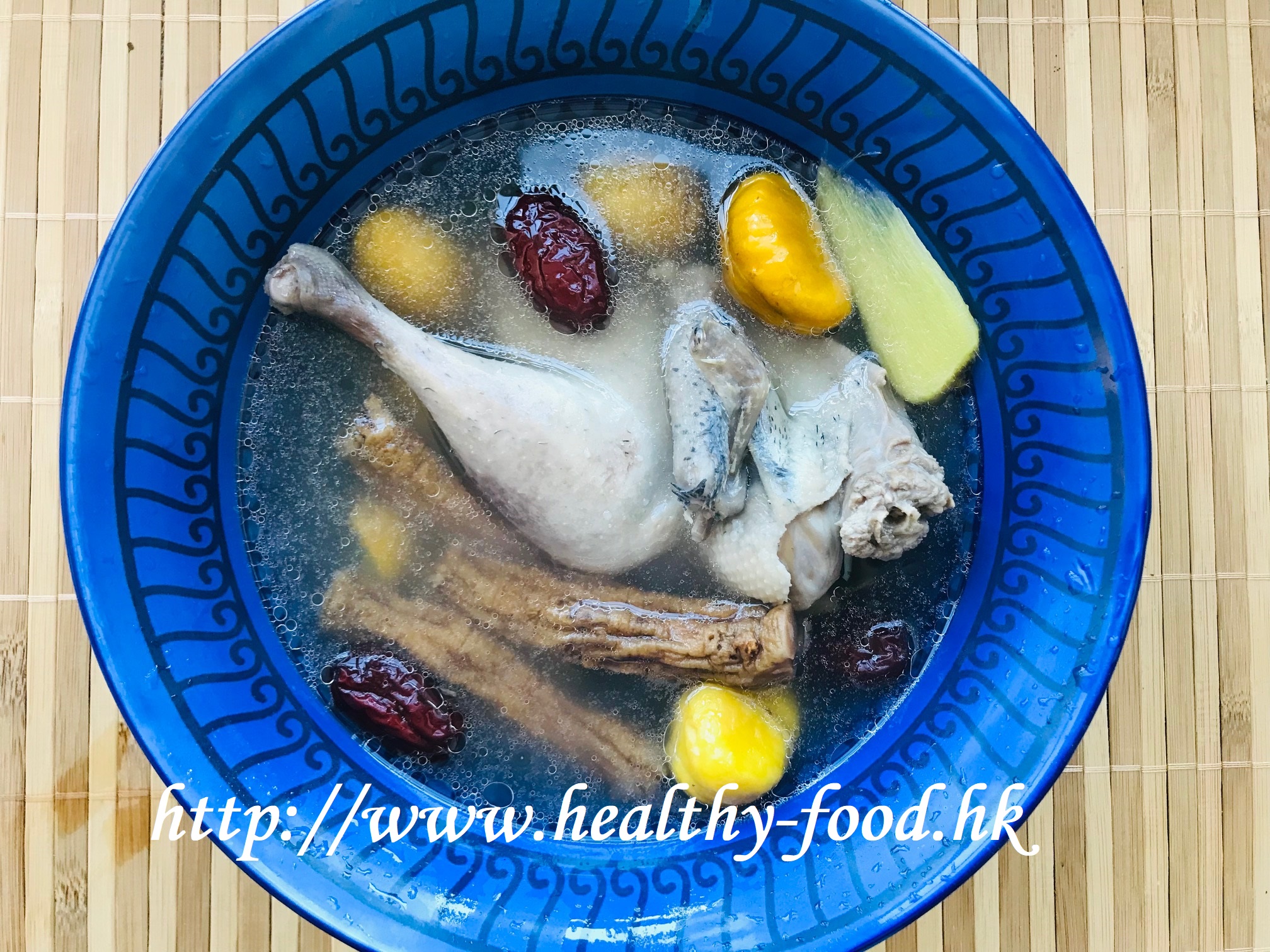
- Bring 8 bowls of water to a boil in a large pot. Add all the ingredients, including the pan-fried fish (place it in a mesh soup bag if you want to eat the other ingredients cleanly afterwards).
- Reduce heat to a low simmer and cook gently for 1 hour.
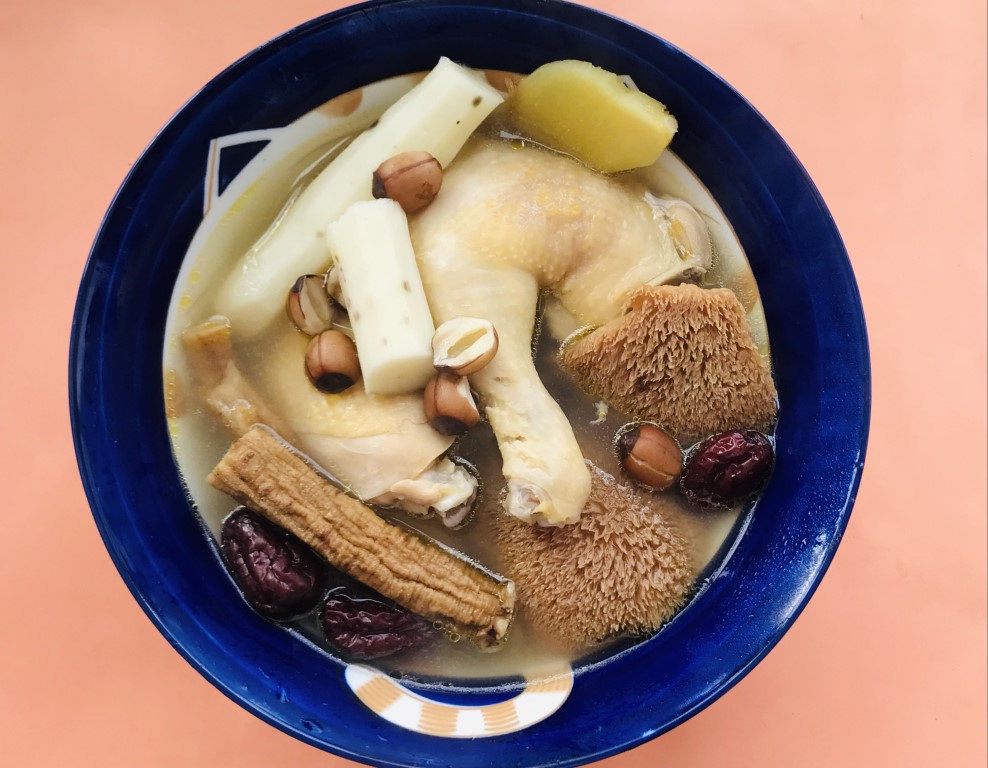
- Remove the fish bag if used. Serve the soup hot, drinking the broth and eating the herb and vegetable ingredients.
Bro Niu’s tips
The pan-fried fish can be placed in a mesh soup bag (available at Chinese kitchenware shops) before going into the pot. This way, when the soup is ready, you simply lift out the bag and the rest of the ingredients — lotus seeds, euryale seeds, and so on — are easy to eat without bones getting in the way. The soup is naturally sweet and delicious. Those with habitual constipation should give this one a miss, as the astringent herbs will not help the situation. If loach fish is hard to find, carp (鲩鱼) or small red snapper (红衫鱼仔) work equally well.
Community questions answered (selected)
-
Q (李太): If I cannot find loach fish, can I use grass carp instead? My local store also sometimes has small red snapper. Bro Niu: Yes — grass carp or small red snapper both work well. As long as the fish is fresh, you’re good to go.
-
Q (mandy): I’ve been getting a dull stomach ache when hungry, plus general digestive discomfort. Can I use a different fish? Bro Niu: You can make this soup with any small sea fish to support your digestion. But please do pay attention to whether your symptoms might indicate excess stomach acid or a stomach ulcer — it’s worth seeing a doctor for a proper check if the pain is persistent.
-
Q (hihi): Can I add Chinese yam and lily bulb to this soup? And can a 16-month-old baby drink it? Bro Niu: Yes, you can add Chinese yam and lily bulb — both are gentle. A 16-month-old can have small amounts. However, if the child has constipation, hold off on this soup as the ingredients have a binding effect.
Published October 8, 2021 · Adapted and translated for Nourilo from a traditional home-kitchen recipe. Approx. 4 min read.