Soups
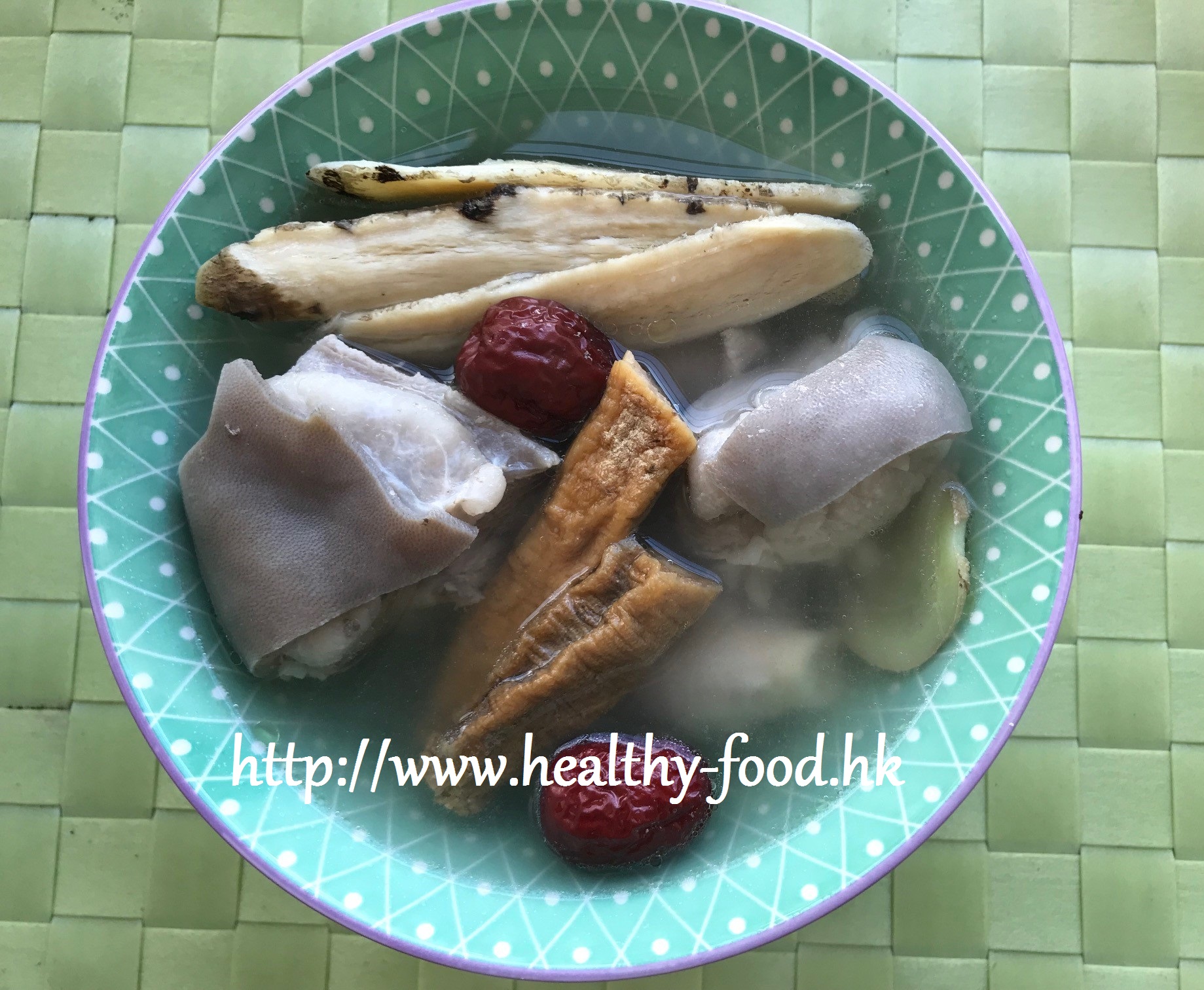
Codonopsis, Amomum and Pork Tripe Soup (Dang Shen Sha Ren Zhu Du Tang)
traditionally used to warm and strengthen a cold, deficient stomach and ease bloating after meals
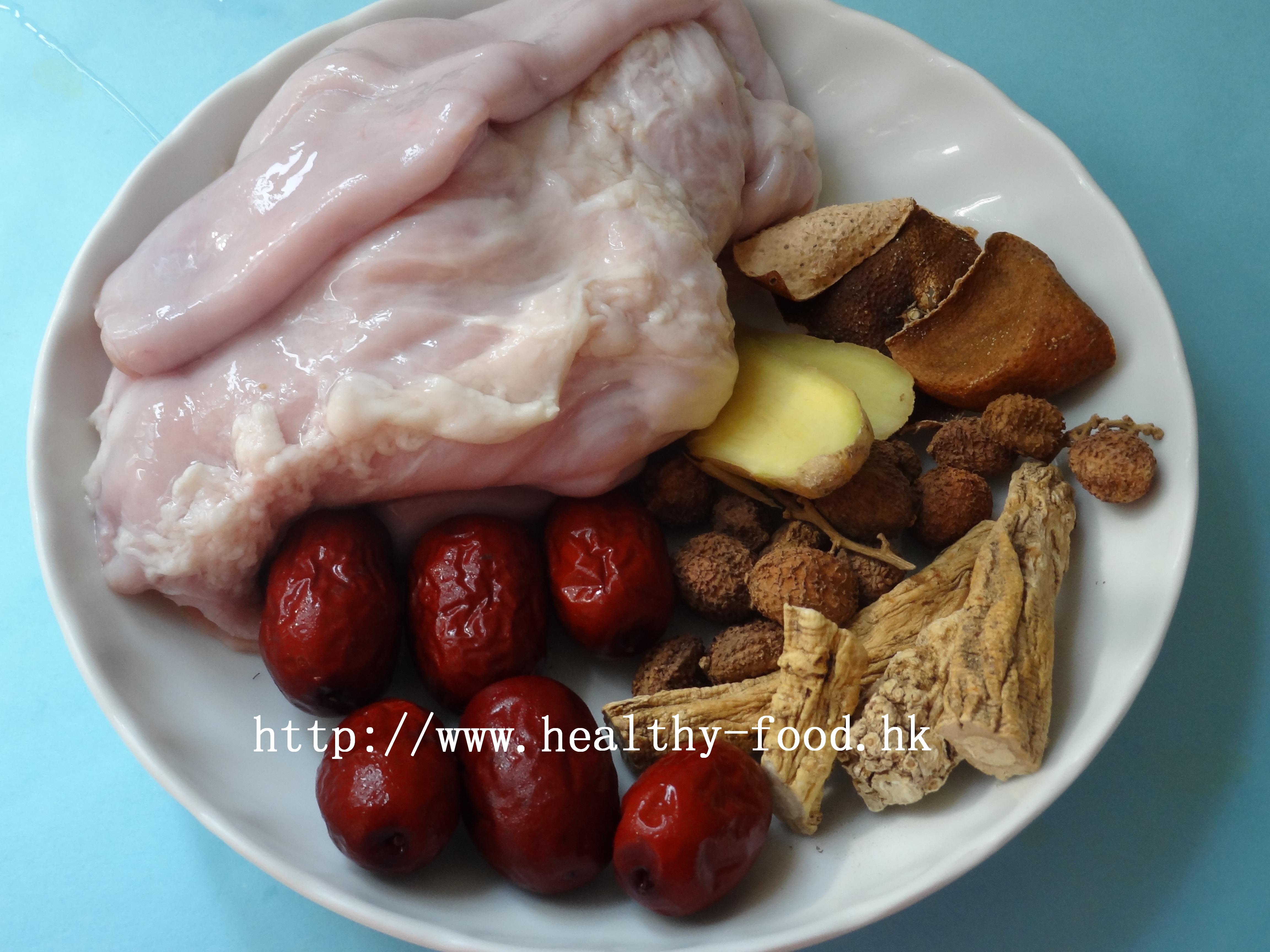
Why people make this soup
Irregular meal times, chronic stress, and a habit of eating cold or raw foods can gradually leave the stomach feeling weakened and chilled — what Chinese medicine calls “spleen-stomach deficiency-cold.” The signs are familiar to many: feeling uncomfortably full after eating only a small amount, persistent belching, a thin watery fluid rising in the mouth, and a general lack of appetite. Left unaddressed, this pattern can progress toward more serious gastric conditions. This soup brings together several ingredients that are, in traditional practice, warming and qi-moving, helping to restore digestive ease and strength. The taste is mild and savory, and the pork tripe has a satisfying, tender texture after long cooking.
Who it suits / who should be cautious
- Those with a chronically cold, weak stomach — post-meal bloating, excessive belching, watery saliva, poor appetite, and easily feeling cold.
- Adults of all ages can benefit; the soup is mild enough for regular consumption (2–3 times per week during a period of recovery).
- People with active fever or an acute cold or flu should avoid this soup until they recover — the warming herbs could worsen the condition.
- If codonopsis feels too heating for your constitution, it can be replaced with American ginseng (hua qi shen) 3 qian — add it in the last 20 minutes of cooking.
Why these ingredients (the food-therapy logic)
- Codonopsis root (dang shen): A gentle, accessible substitute for ginseng in everyday cooking. Traditionally used to tonify qi, strengthen the spleen and stomach, and improve energy and appetite. Warming in nature.
- Amomum fruit (sha ren): Aromatic and warming. Traditionally used to move stagnant qi in the middle burner, resolve dampness, ease bloating, and calm belching and nausea. Can be used even during a common cold.
- Dried tangerine peel (chen pi): Moves qi, aids digestion, and helps reduce phlegm. A common and gentle digestive aid in Cantonese cooking.
- Pork tripe (zhu du): In the traditional “like nourishes like” concept, pork tripe is considered beneficial for the human stomach. Its collagen-rich walls become soft and nourishing with long cooking.
- Ginger and red dates: Ginger adds warmth and rounds out the flavor; red dates provide gentle sweetness and are traditionally used to harmonize the other herbs.
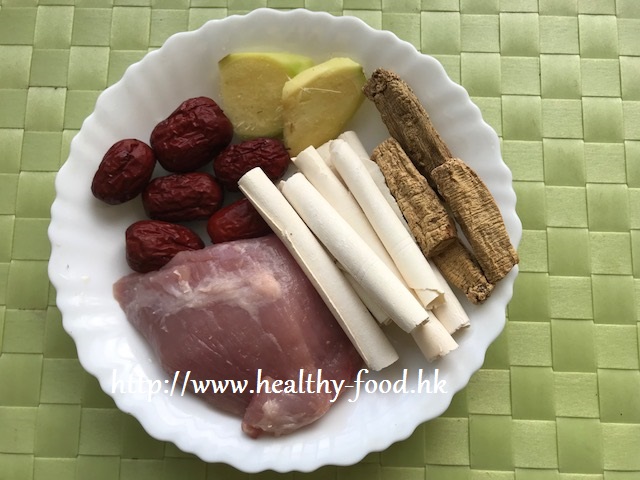
Ingredients (4 bowls)
| Ingredient | Amount | Notes |
|---|---|---|
| Codonopsis root (dang shen) | 12 g (4 qian) | Rinsed |
| Amomum fruit (sha ren) | 9 g (3 qian) | Rinsed |
| Dried tangerine peel (chen pi) | 1 piece | Rinsed, soaked briefly |
| Fresh ginger | 3 slices | |
| Red dates | 6 pieces | |
| Pork tripe | 1 whole | Cleaned thoroughly (see tips) |
Method
- Clean the pork tripe very thoroughly (see tips below). Blanch in boiling water for a few minutes, then remove, rinse, and slice into thick strips.
- Rinse and soak the codonopsis, amomum, tangerine peel, and red dates briefly.
- Place all ingredients in a pot with 8 bowls (about 2 liters) of cold water.
- Bring to a boil, then reduce to a medium-low simmer and cook for about 2 hours until the liquid reduces to approximately 4 bowls.
- Drink the soup and eat the tripe. Season lightly with salt if desired.
Bro Niu’s tips
Cleaning pork tripe is the most important step — without proper preparation it can have a strong odor that overpowers the soup. Here is the method: rub the tripe vigorously inside and out with salt and cornstarch three times, rinsing thoroughly each time. For a completely odor-free result, after the salt-and-cornstarch wash, soak the tripe in a small amount of rice vinegar for 5 minutes, then rinse clean before cooking. Taking this extra few minutes of effort makes a real difference. If you prefer not to use pork tripe, or want a non-meat option, monkey head mushroom (hou tou gu) makes an excellent substitute — it has a similarly stomach-protective action.
Community questions answered (selected)
-
Q (Joyce): Can I add huang qi (astragalus) to this soup? Bro Niu: Yes, you can add 3 qian of huang qi (bei qi) to cook together with the rest.
-
Q (Marty): Is there anything that can replace the pork tripe while giving a similar effect? Bro Niu: Monkey head mushroom (hou tou gu) is the best substitute — it is excellent for the spleen and stomach and has a broad supporting effect on any type of gastritis. Use 2–3 pieces and add some lean pork to improve the flavor.
-
Q (mimi): Will the codonopsis amomum pork tripe soup be too warming and drying? I tend to get “heatiness” easily. Bro Niu: If you are worried about it being too warming, simply replace codonopsis with 3 qian of American ginseng (hua qi shen) — add it near the end of cooking.
Published April 25, 2012 · Adapted and translated for Nourilo from a traditional home-kitchen recipe. Approx. 4 min read.