Herbal & Flower Teas
Chrysanthemum Licorice Green Tea
Traditionally used to support respiratory health and immune defence
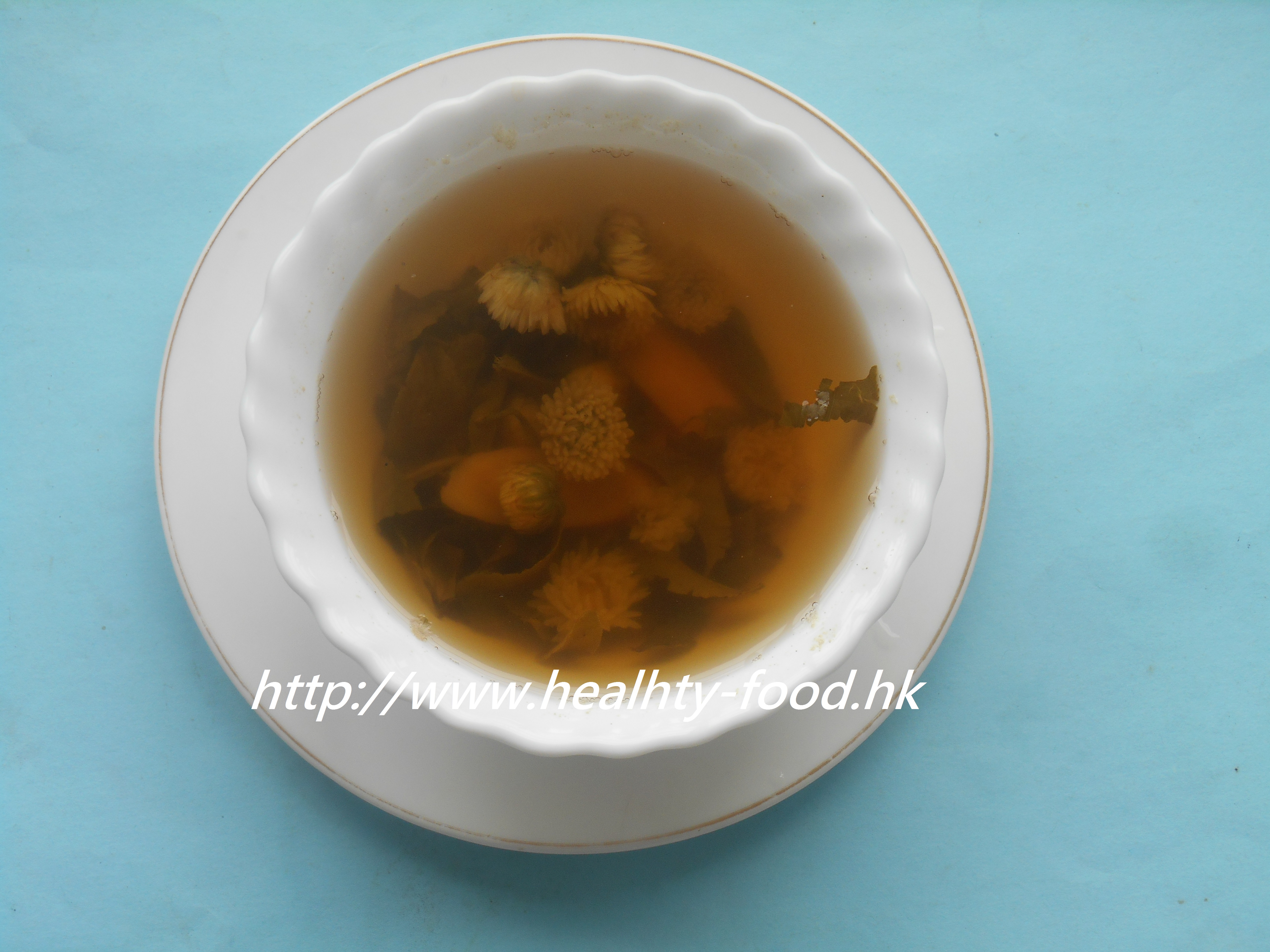
Why people make this tea
Green tea has long been prized for its high catechin content — naturally occurring antioxidant compounds that are most concentrated in unfermented or lightly fermented teas. Chrysanthemum has been used in Chinese food-therapy for centuries to help clear heat from the upper body and soothe the throat. Paired with a touch of liquorice, which is traditionally considered balancing and soothing to the digestive system, this trio makes a pleasant and practical daily brew during the colder months or whenever respiratory bugs are going around. Bro Niu keeps a stash of pre-made tea bags to take along while travelling.
Who it suits / who should be cautious
- Suits people with a warm or average constitution looking for a light, antioxidant-rich daily tea during flu season
- People with a cold or weak stomach (spleen-stomach deficiency cold) should not drink large amounts
- Women who are menstruating or pregnant should avoid this tea
- Not a substitute for medical care if you are already ill
Why these ingredients (the food-therapy logic)
- Chrysanthemum (ju hua): Traditionally described as mildly cooling; associated with clearing heat from the head, supporting the eyes, and helping disperse wind-heat from the upper respiratory tract
- Liquorice root (gan cao): Considered neutral in nature; traditionally used to harmonise and balance other herbs, soothe the throat, and support digestive comfort; modern research has noted its anti-inflammatory properties
- Green tea (lü cha): The least fermented of all teas, retaining the highest levels of catechins — polyphenol compounds with strong antioxidant activity; good choices include Longjing (Dragon Well), Biluochun, or Huangshan Maofeng; lightly fermented teas such as oolong also retain 70–80% of their catechins and can be substituted
Ingredients (1 cup / 2–3 re-steeps)
| Ingredient | Amount | Notes |
|---|---|---|
| Chrysanthemum flowers (ju hua) | 10 blooms | Dried; available at Chinese herbal shops |
| Liquorice root slices (gan cao) | 5 slices | Use raw (sheng) liquorice, not honey-processed |
| Green tea leaves (lü cha) | 2 teaspoons | Longjing, Biluochun, or Huangshan Maofeng recommended |
Method
- Place all three ingredients into a tea bag or infuser.
- Set the tea bag in a cup or teapot.
- Pour in freshly boiled water.
- Steep for 7–8 minutes.
- Drink while warm. The bag can be re-steeped until the flavour is depleted.
Bro Niu’s tips
The key to this tea’s antioxidant benefit is using genuine unfermented green tea — Longjing, Biluochun, and Huangshan Maofeng are all good choices. Lightly fermented teas like oolong and tieguanyin still retain a significant amount of catechins and can work as well. This tea is also said to help with fat metabolism and mild blood-pressure support, but people with a cold constitution should limit their intake. Women should avoid it during menstruation and pregnancy.
Community questions answered (selected)
-
Q (anonymous reader): Can green tea powder be used instead? And is this raw or honey-processed liquorice? Bro Niu: Yes, green tea powder works. Use raw (sheng) liquorice — the honey-processed kind is warming and tonifying, not suitable for clearing heat.
-
Q (Susanna): I drank a poria, white atractylodes, and hyacinth bean skin brew and felt dizzy afterwards — was it too cooling? Bro Niu: That combination is not cold at all. The dizziness may have another cause. Try adding 5 red or southern dates (nan zao) to the brew next time to help nourish the blood.
-
Q (reader,芊颍妈妈): My husband has had a slight cough for a few days and now his throat is sore and his voice has changed — is there a food-therapy remedy? Bro Niu: Try simmering 1/4 of a golden monk fruit (jin luo han guo), 3 qian banlangen (isatis root), 3 qian pangdahai (boat-fruited sterculia seed), and 1 qian licorice root in 4 bowls of water down to 2 bowls. Take for 3 consecutive doses — this helps reduce throat inflammation.
Published February 27, 2020 · Adapted and translated for Nourilo from a traditional home-kitchen recipe. Approx. 3 min read.