Soups
Chuan Bei, Lingzhi, Cordyceps and Gecko Soup
Traditionally warms the kidney, supports the lungs and eases cough and wheeze
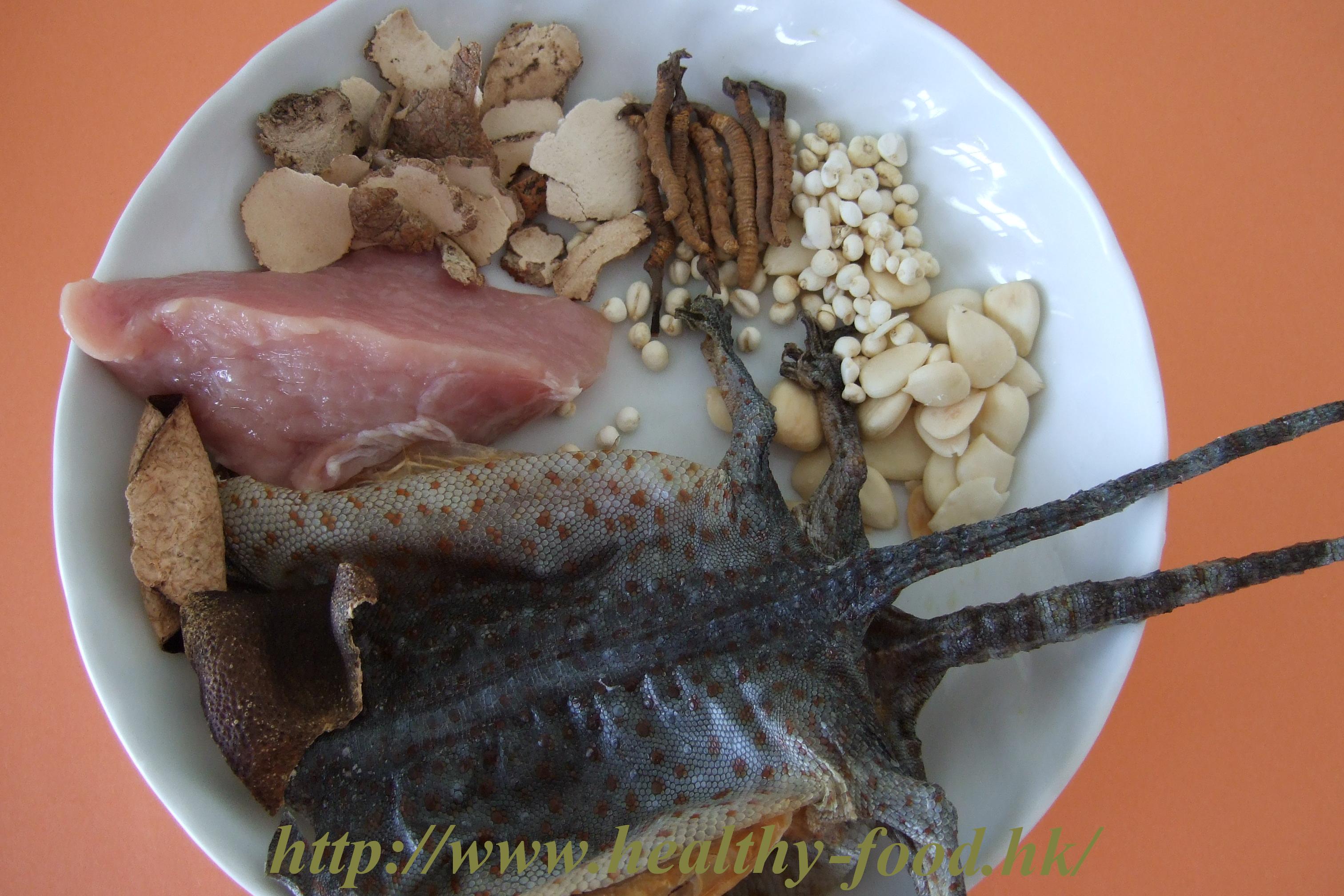
Why people make this soup
Bro Niu tells of an old friend he hadn’t seen in years, now glowing and full of energy — utterly different from before, when asthma kept her up whole nights, unable even to lie down without wheezing. Someone suggested she gently double-boil a little cordyceps daily; she did so for the better part of a year and stopped having attacks. So, where budget allows, those with a weak, wheezy chronic cough sometimes turn to richer tonic ingredients like cordyceps, lingzhi and these. This soup is traditionally used to warm the kidney, support the lungs, and settle a chronic cough and wheeze.
Who it suits / who should be cautious
- Suits people with a weak, long-standing cough or wheeze and weak lung-and-kidney energy; the source says it tends to suit a “cold-type” cough and helps both adults and children sleep.
- Do not take while feverish or with a sore throat. People on blood-thinners (including aspirin) should limit cordyceps. Buy gecko and cordyceps from a trusted shop — imitations are common. For young children use much less (see Q&A); for very young infants, prefer gentler lung-moistening soups instead.
Why these ingredients (the food-therapy logic)
- Sichuan fritillaria (chuan bei): traditionally eases cough and is associated with reducing airway spasm.
- Tiger-milk lingzhi (hu ru ling zhi): a Southeast-Asian fungus (not true lingzhi), mild in taste, traditionally used to support lung energy.
- Cordyceps (dong chong cao): a premium tonic traditionally associated with the lungs and kidney; cordyceps flower is a cheaper stand-in.
- Gecko (ge jie): traditionally used to support the lungs and ease wheeze; the tail is considered the most valued part.
- Apricot kernels (nan bei xing): traditionally moisten the lungs and ease cough.
- Tangerine peel (chen pi): regulates qi and helps balance the richness.
Ingredients (2–3 bowls)
| Ingredient | Amount | Notes |
|---|---|---|
| Sichuan fritillaria (chuan bei) | ~11 g (3 qian) | |
| Tiger-milk lingzhi (hu ru ling zhi) | ~11 g (3 qian) | |
| Cordyceps (dong chong cao) | 7–8 pieces | or cordyceps flower ~38 g |
| Apricot kernels (nan bei xing) | ~38 g (1 tael) | |
| Gecko (ge jie) | 1 pair | heads removed |
| Lean pork | ~225 g (6 taels) | |
| Tangerine peel (chen pi) | 1 piece | |
| Boiling water | ~3.5 bowls | for double-boiling |
Method
- Remove the heads from the gecko, rinse, and blanch with the lean pork. Soak and rinse the other ingredients.
- Place everything in a double-boiling vessel and pour in about 3.5 bowls of boiling water.
- Double-boil over water for about 3 hours, until you have about 3 bowls of soup. Drink the soup and eat the cordyceps.
Bro Niu’s tips
Gecko is sold in pairs; remove the heads, and note the tail is the most prized part. For a child’s cough and wheeze, you can simmer gecko tail with tangerine peel into a congee, to good effect. If cordyceps is too dear, substitute about 38 g of cordyceps flower. Adults and children alike tend to sleep better after this soup.
Community questions answered (selected)
- Q (M): Can a 10-year-old and a 3-year-old drink it? And how many bowls of water for two of them? Bro Niu: The amount shown is for 2–3 people. A 10-year-old can have 2 bowls split through the day; for a 3-year-old, 1 bowl is enough.
- Q (Joyce): Is this soup for a hot cough or a cold cough? My 3-year-old is coughing with a phlegmy sound — can they drink it? Bro Niu: This soup suits a cold-type cough more. It’s fine with phlegm.
- Q (麒麟臂 / “Qilin”): I read that people with diabetes or on blood-thinners shouldn’t take cordyceps — is that right? Does aspirin count as a blood-thinner? Bro Niu: Cordyceps may slow clotting, so people on blood-thinners should take little of it. Aspirin is a blood-thinner, so don’t over-use cordyceps; an occasional small amount (around 3 g) should be fine.
Published November 5, 2010 · Adapted and translated for Nourilo from a traditional home-kitchen recipe. Approx. 3 min read.