Home-Style Dishes
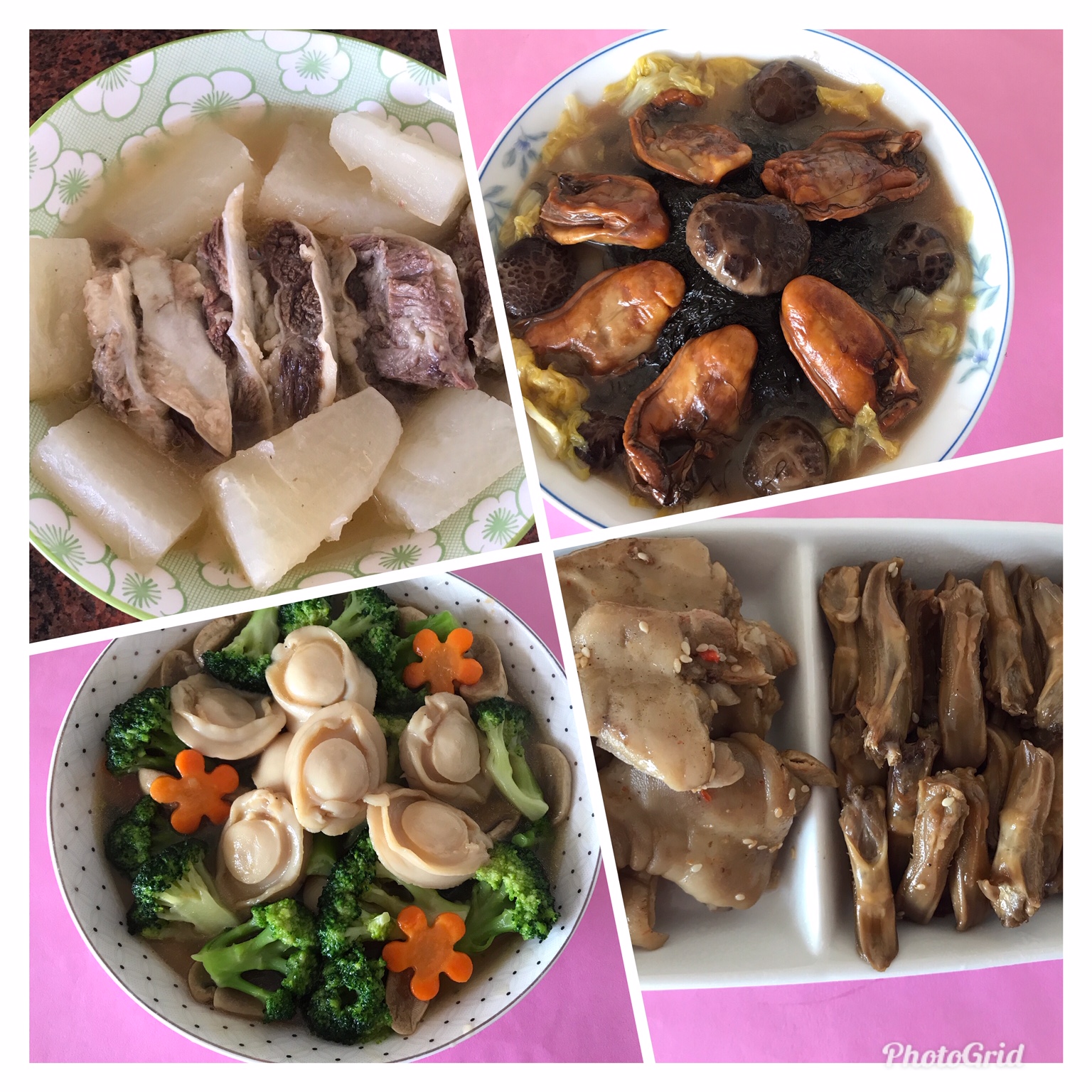
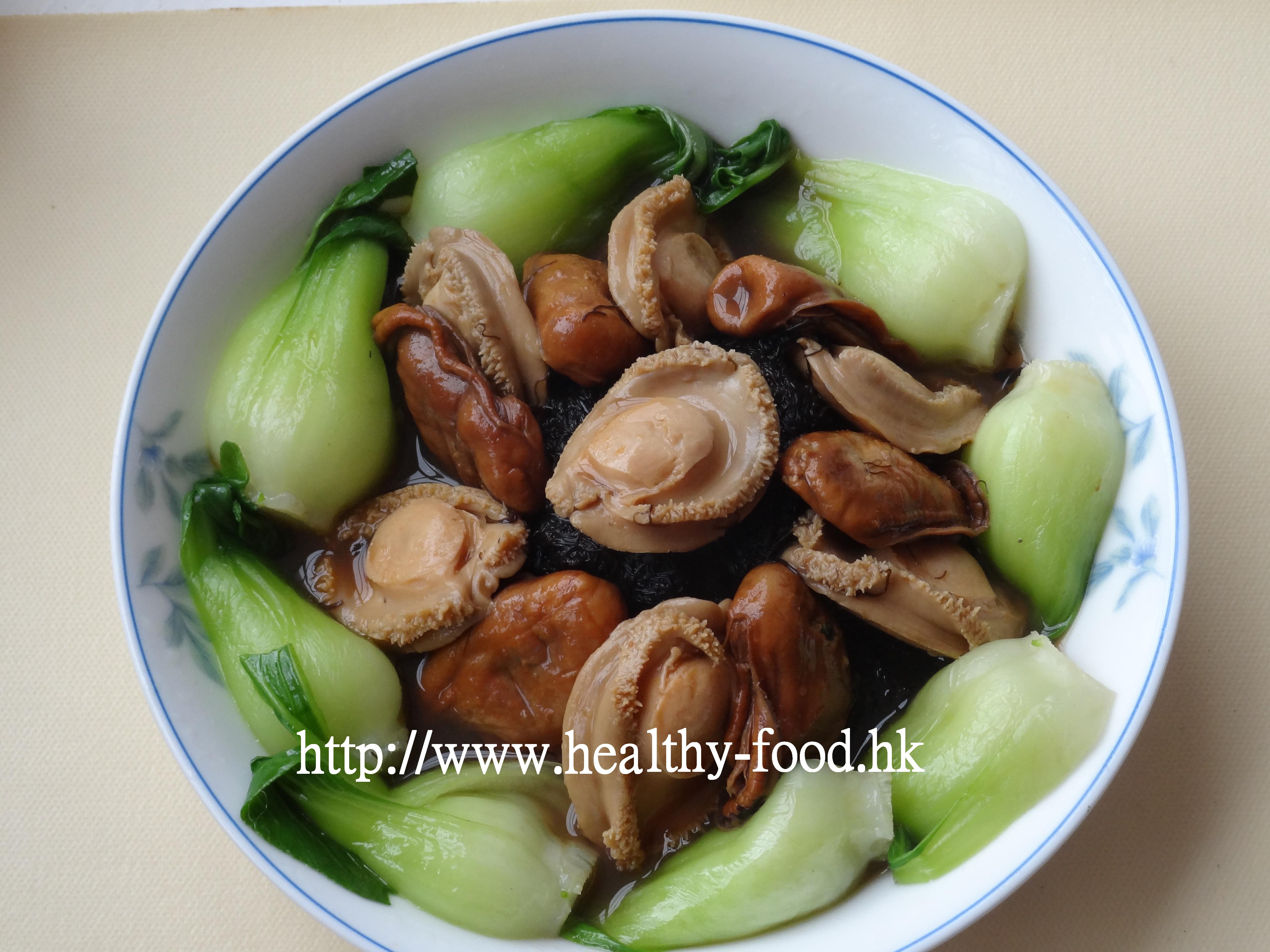
Braised Abalone with Dried Oyster and Hair Moss
nourishes yin, supports blood health, and carries traditional Lunar New Year auspicious meaning
Why people make this dish
Certain dishes exist at the intersection of flavor, nutrition, and cultural meaning — and this is one of them. In Cantonese, the combination of “ho si” (dried oyster) and “fa cai” (hair moss) sounds like “good things and prosperity,” while abalone sounds like “guaranteed abundance.” These ingredients together have graced Cantonese New Year tables for generations. Beyond the wordplay, dried oysters are genuinely nourishing: rich in zinc, traditionally considered to tonify yin and nourish blood, and particularly beneficial for children’s development and for women going through menopause or pregnancy. Hair moss (fa cai) is similarly valued — it clears heat, dissolves phlegm, and contains nutrients that support thyroid health and reduce edema. Cantonese food wisdom balances the two: oysters are rich and nourishing, while hair moss is “lean” and clearing, so they naturally counterbalance each other.
Who it suits / who should be cautious
- Suitable for most adults and children as a festive or occasional nourishing dish
- Dried oysters are especially beneficial for children’s growth (zinc), pregnant women, and women in perimenopause
- Hair moss is nutritious but should be consumed in moderate quantities — it is a wild-harvested or cultivated aquatic algae; quality and sourcing matters; do not overconsume
- Those with thyroid conditions should be aware that hair moss is iodine-rich; consult a doctor about appropriate intake
Why these ingredients (the food-therapy logic)
- Dried oyster (hao chi): In traditional food therapy, oyster is considered to nourish yin, supplement blood deficiency, and tonify the middle; the high zinc content supports immune function and growth and development; beneficial for pregnant women and menopausal women
- Hair moss (fa cai, Nostoc flagelliforme): Traditionally considered to clear heat and toxins, dissolve phlegm and cough, support urination and reduce dampness; contains nutrients supportive of people with anemia, malnutrition, edema, and thyroid swelling; Cantonese wisdom notes it is “lean” in nature, which balances the richness of oyster
- Baby abalone (bao yu): Rich in protein and natural sea minerals; traditionally associated with nourishing the liver, clearing heat, and benefiting the eyes
- Bok choy (tang cai): Provides fresh green balance to the richness of the other components; lightly cooling and cleansing
Ingredients (2–3 servings)
| Ingredient | Amount | Notes |
|---|---|---|
| Dried oysters | 6–8 pieces | Soak until rehydrated; keep the soaking water if not too gritty |
| Canned baby abalone | 6–8 pieces | From a can; drain and rinse |
| Dried hair moss (fa cai) | 1 small bunch (~1 tsp dried) | Soak and rinse very thoroughly in warm water |
| Baby bok choy | 3 heads | Halve lengthwise; blanch in stock |
| Oyster sauce | to taste | |
| Stock | 1–2 cups | Chicken or pork stock |
| Cooking oil | a small amount | For pan-frying the oysters |
Method
- Soak the dried oysters until plump. Rinse thoroughly. Heat a small amount of oil in a pan and lightly pan-fry the oysters until golden and fragrant on both sides.
- Transfer the pan-fried oysters to a steaming vessel. Steam over water for 1 hour until tender.
- Meanwhile, rinse the soaked hair moss carefully, removing any debris. Place in a small pot with stock and seasoning (oyster sauce, salt). Simmer gently until the hair moss is fully flavored and glossy.
- Blanch the bok choy halves in hot stock briefly until just cooked. Arrange on the serving plate around the edges.
- Drain and rinse the canned abalone. Place in a small pot with oyster sauce and stock. Simmer gently for about 10 minutes to infuse with flavor.
- Arrange the steamed oysters, braised hair moss, and abalone on the serving plate alongside the bok choy. When ready to serve, steam the whole assembled plate until heated through.
Bro Niu’s tips
- The key step is pan-frying the dried oysters before steaming — this crisps the surface and removes any residual fishy smell. Do not skip this step.
- Leftover dried oysters and hair moss can be added to yellow soybeans and pork ribs to make a soup — it helps reduce accumulated food stagnation and has a yin-nourishing, fire-clearing effect.
- If you have leftover dried oysters after this dish, they store well in the freezer.
Community questions answered (selected)
-
Q (Luci): I pass urine very frequently — sometimes within 20 minutes of drinking. Is there a food remedy? Bro Niu: For frequent urination, try Chinese yam (huai shan) and euryale seeds (qian shi) 1 liang each, and jin ying zi (Cherokee rose fruit, Rosa laevigata) 5 qian — cook as a congee or soup. Use 6 bowls of water down to 2, divide and drink throughout the day. Take 3–5 consecutive servings; if effective, reduce to 1–2 times a week for maintenance.
-
Q (reader): Can people with thyroid nodules eat hair moss and other related foods? Bro Niu: For thyroid nodules or swelling, hair moss and sea algae (spiral seaweed, sea vegetables), water chestnuts, luo han guo (monk fruit), and black wood ear are all helpful — they are associated with clearing heat and dispersing nodules. Spirulina tablets are also a practical option for daily use.
Published February 13, 2013 · Adapted and translated for Nourilo from a traditional home-kitchen recipe. Approx. 4 min read.