Soups
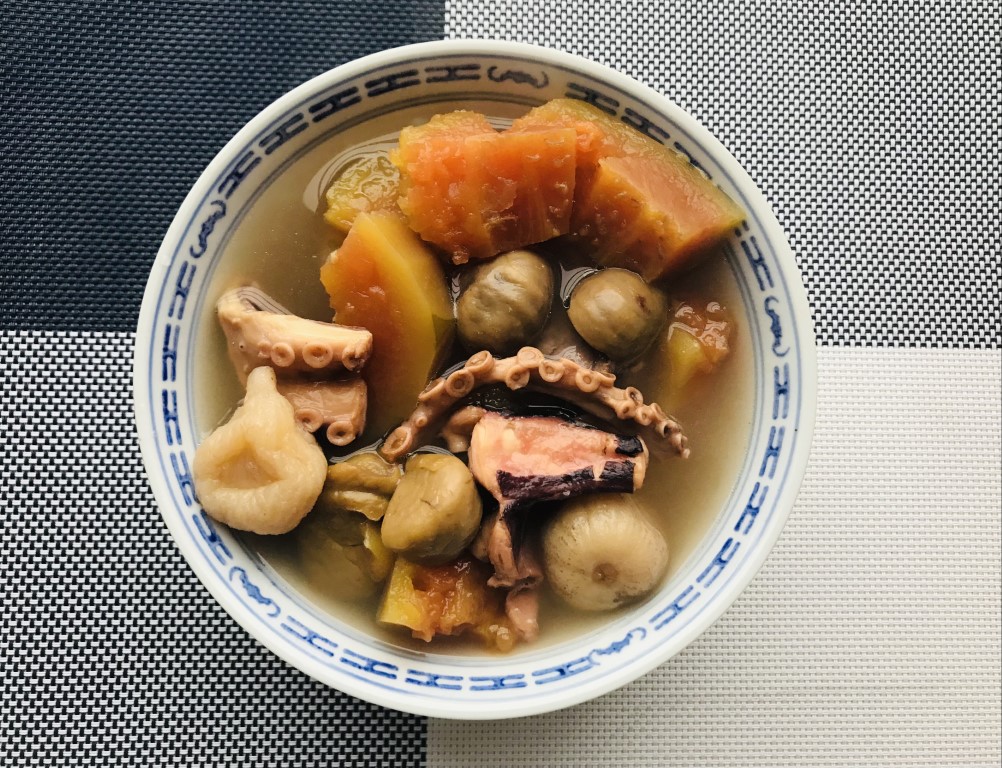
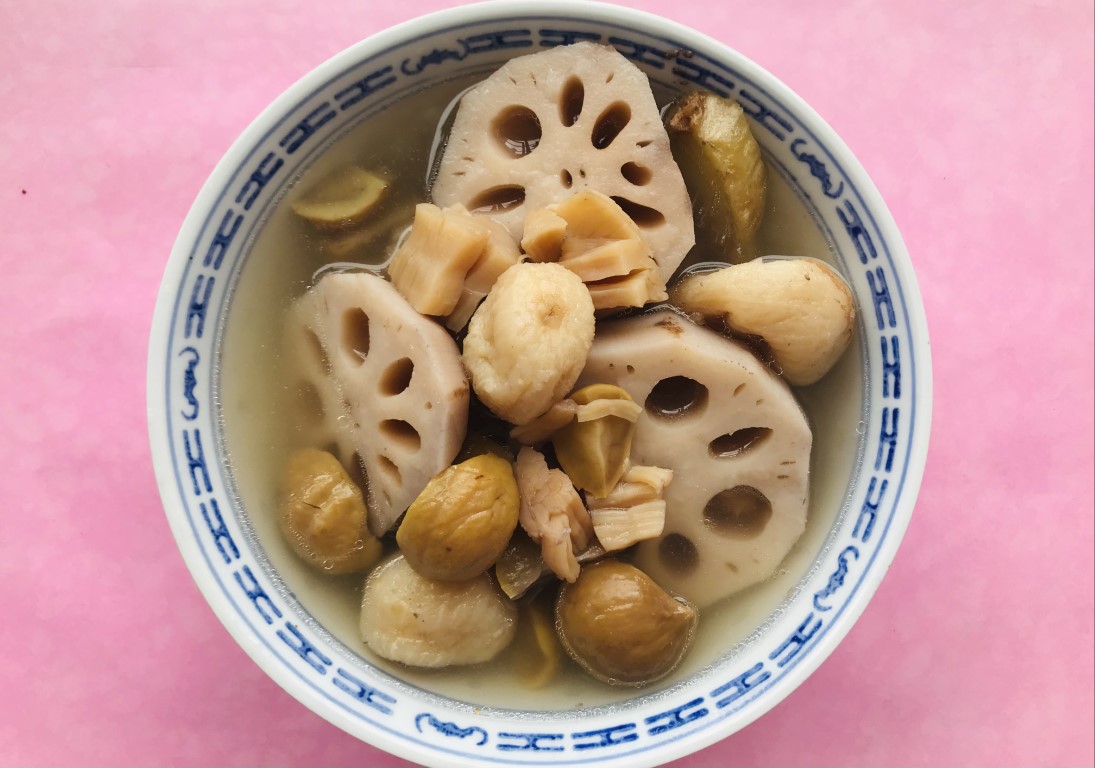
Fresh Callerya Root, Chestnut and Pig-Tail Bone Soup
Traditionally taken to strengthen the sinews and bones and support the lower back and knees

Why people make this soup
The old saying about preventing trouble before it starts rings especially true when it comes to bones and joints. Bro Niu shares this strengthening soup as a gentle, everyday measure: fresh callerya root, which in traditional kitchens is valued for clearing heat, moistening the lungs and easing the sinews; chestnuts, long called “the fruit of the kidney” and associated with supporting the lower back; and figs, which are high in calcium among fruits. Simmered with pig-tail bone, it’s a comforting bowl for those with weak bones or sore, aching backs and knees.
Who it suits / who should be cautious
- Anyone with weak bones or a sore, aching lower back and knees who wants a nourishing, strengthening soup. (Readers asked — those with diabetes can use just 3 red dates if added; people on blood-thinners can drink it; for dried ingredients, use 8–10 chestnuts and ~38 g dried callerya.)
- Bone or joint conditions should be assessed by a doctor; this soup supports, it does not replace medical care.
Why these ingredients (the food-therapy logic)
- Fresh callerya root (niu da li): traditionally used to clear heat, moisten the lungs, ease coughing, and strengthen and relax the sinews.
- Chestnut (li zi): long called “the fruit of the kidney”; traditionally used to support the kidneys and the lower back.
- Fig (wu hua guo): among the higher-calcium fruits; adds natural sweetness.
- Pig-tail bone (zhu wei gu): a hearty base traditionally regarded as helpful for the bones.
Ingredients (4 bowls)
| Ingredient | Amount | Notes |
|---|---|---|
| Fresh callerya root | ~150 g (4 tael) | Rinse, soak |
| Chestnuts | ~150 g (4 tael) | Shelled |
| Dried figs | 3–4 | |
| Pig-tail bone | 1 | Blanched |
Method
- Blanch the pig-tail bone; shell the chestnuts; rinse and soak the callerya root.
- Put everything in the pot with 8 bowls of water.
- Simmer for about 3 hours, reducing to about 4 bowls. Serve.
Bro Niu’s tips
Fresh callerya root is available at Chinese or Asian grocers, or online. When choosing, opt for slimmer, firmer roots — thick ones tend to be hollow or rotten in the middle.
Community questions answered (selected)
- Q (Maggie): My friend’s mother walks unsteadily after a stroke — is this soup or another remedy suitable? And there’s no fresh callerya in Australia; what can I substitute? Bro Niu: Fresh burdock is very good for stroke patients — pair it with shiitake, white radish (and its tender leaves) and carrot in a pork soup. The callerya-chestnut-pig-tail soup is also beneficial and can be taken regularly. For recovery, you can also use morinda root, eucommia and cyathula (~11 g each) with ~38 g black bean and 5 black dates in a pig-tail bone soup to support the kidneys and strengthen the bones; 2–3 times a week, simmered 2 hours.
- Q (Maggie): If she’s taking blood-thinners, is it okay? Bro Niu: Yes, you can drink it while on blood-thinners.
- Q (scy): Callerya, cyathula, tinospora, club moss, morinda, eucommia, mulberry mistletoe are all bone-strengthening — can I simmer them all together? Bro Niu: Throwing everything in isn’t a good idea; 3–4 items is plenty. Too many together won’t taste good. You can add either cyathula or tinospora to this soup — cyathula guides the action downward, best for rheumatic pain from the lower back down.
Published June 26, 2010 · Adapted and translated for Nourilo from a traditional home-kitchen recipe. Approx. 3 min read.