Soups
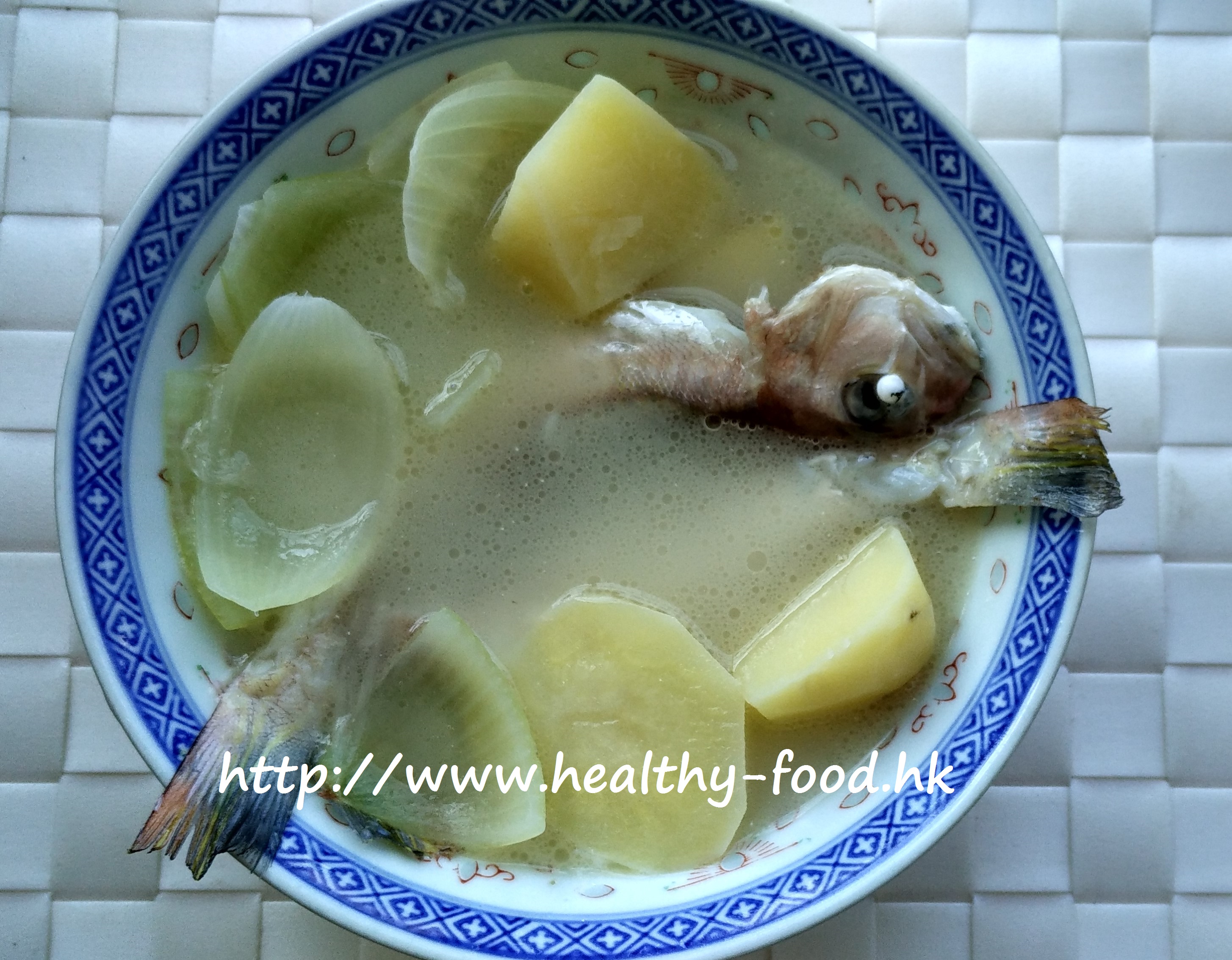
Onion, Potato and Fresh Sea Fish Soup
traditionally associated with supporting calcium intake, bone health, and cardiovascular wellness
Why people make this soup
Onion may seem like a humble, everyday vegetable — but it has an impressive nutritional profile that Bro Niu considers worth highlighting. Onions contain quercetin, a flavonoid compound that research has shown can exhibit oestrogen-like activity in the body. This means regular consumption may help support bone density in women, particularly around and after menopause when natural oestrogen levels decline and bone loss accelerates. In this soup, onion is paired with potato — another underestimated vegetable that is rich in potassium, has wound-healing properties, and supports muscle and nerve function — and pan-fried sea fish for calcium and clean protein. The result is a light, comforting everyday soup that is approachable for all ages.
Who it suits / who should be cautious
- Well suited to women approaching or in menopause, the elderly, those recovering from fractures or surgery, pregnant and postpartum women, and people with cardiovascular concerns.
- The potato is specifically good for those who take diuretics or laxatives regularly, as these medications can deplete potassium.
- Generally suitable for all ages including young children.
Why these ingredients (the food-therapy logic)
- Onion (yang cong): Contains quercetin flavonoids with oestrogen-like properties. Traditionally associated with protecting the heart and blood vessels, reducing fatigue, supporting the immune system, and having potential cancer-preventive properties. The steamed onion juice trick (steamed for 20 minutes, then squeezed to extract juice) is also a well-known Cantonese folk remedy for children’s cough.
- Potato (shu zai): Rich in potassium. Traditionally associated with supporting wound healing, reducing spasms, relieving nerve pain, and benefiting the joints and heart.
- Fresh sea fish: A good source of calcium and lean protein. Pan-frying before adding to the pot removes the raw fish smell and enriches the flavour of the broth.
- Fresh ginger: Warms the stomach and supports digestion; also helps neutralise any remaining fishiness.
Ingredients (about 4 bowls, 3–4 servings)
| Ingredient | Amount | Notes |
|---|---|---|
| Onion | 1 large | Remove outer skin, cut into chunks |
| Potatoes | 2, medium | Peel, cut into chunks |
| Fresh ginger | 3 slices | |
| Fresh sea fish | ~450 g (12 liang) | Cleaned; pan-fry in a little oil until lightly golden |
Method
- Remove the skin from the onion and cut into chunks.
- Peel the potatoes and cut into chunks.
- Clean the sea fish. Heat a little oil in a pan and pan-fry the fish on both sides until lightly golden. This step is important for removing any raw-fish odour and adding depth to the broth.
- Bring 7 to 8 bowls of water (about 1.7–1.9 litres) to a boil in a pot.
- Add all ingredients: onion, potato, ginger, and the pan-fried fish.
- When the water returns to a rolling boil, reduce to medium heat and cook for 40 minutes.
- Serve the soup with the vegetables and fish.
Bro Niu’s tips
This soup is suitable for the whole family — old and young alike. It is particularly beneficial for pregnant women, new mothers, people recovering from surgery, and those with cardiovascular conditions. Onion is a remarkably versatile ingredient in Chinese food therapy: aside from this soup, a cut onion placed in the bedroom is said to help kill bacteria in the air during cold and flu season, and steamed onion juice (steam a whole peeled onion for 20 minutes, then press out about 3 tablespoons of juice) is a gentle, effective cough remedy for young children.
Community questions answered (selected)
-
Q (Cherry, reader): I’m going through menopause and am noticing some signs of bladder leakage. What food therapy might help? Bro Niu: Try 15 white ginkgo nuts, one liang of euryale seeds (qian shi), three qian each of Chinese raspberry (fu pen zi) and Cherokee rosehip (jin ying zi), and six black or red dates, with pork shin (or two pork bladders for stronger effect). Cook as a soup, two to three times a week, until symptoms improve.
-
Q (MANDY, reader): My father, in his 60s, has been coughing persistently for months. The doctor says it is throat sensitivity. He also has slightly elevated blood sugar — what soup can I make for him? Bro Niu: Try three prunes (wu mei), three qian of chrysanthemum flowers, two qian of licorice (gan cao), and three bowls of water, simmered for 10 minutes. Drink once a day for a week. This tea combination is traditionally used for allergy-type or wind-type cough. It is safe for people with elevated blood sugar.
Published February 18, 2019 · Adapted and translated for Nourilo from a traditional home-kitchen recipe. Approx. 3 min read.