Herbal & Flower Teas
Fresh Cogongrass Root and Corn Silk Tea
Traditionally associated with supporting healthy blood pressure, urinary comfort and reducing heat-dampness
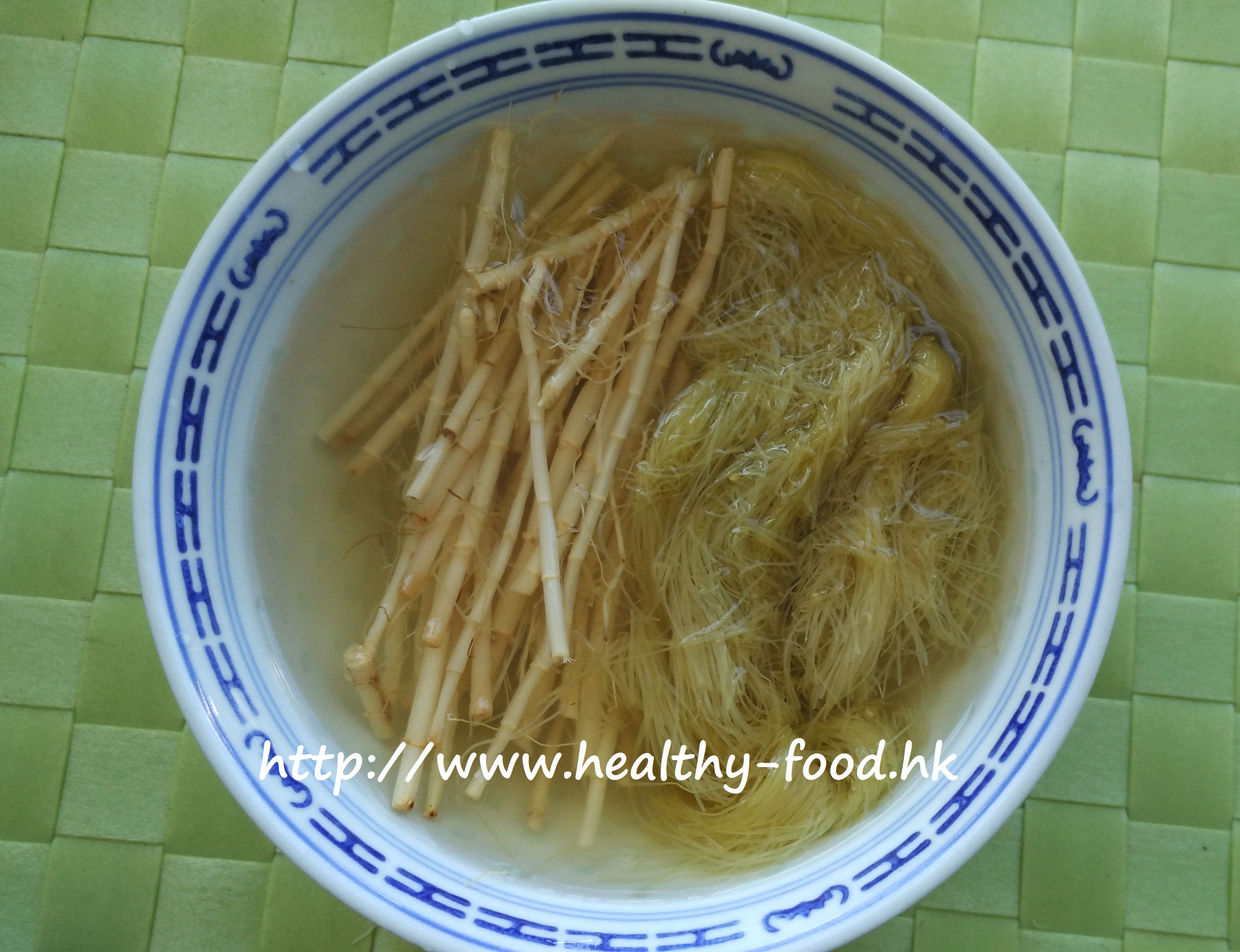
Why people make this tea
Corn silk — the fine threads bundled inside a fresh ear of corn — is one of those ingredients Bro Niu loves: inexpensive, easy to find, and genuinely multi-purpose. Alone, corn silk tea is traditionally associated with supporting urinary health (reducing burning, frequency and discomfort), easing water retention, supporting healthy blood sugar and blood pressure, and even aiding weight management. Paired with fresh cogongrass root (a cooling, blood-calming herb used throughout southern Chinese cooking), the combination becomes more potent in its traditional role of clearing heat-dampness and supporting kidney-urinary function. The brew is naturally clean and slightly sweet — you will not taste any bitterness. It makes a sensible daily drink for those with high blood pressure, diabetes, cardiovascular concerns or urinary discomfort, and is popular as a general summer wellness tea.
Who it suits / who should be cautious
- Suitable for most people, including pregnant women and young children (aged 3 and over).
- People with frequent night urination should avoid this tea, as its diuretic effect may worsen the condition.
- Can be consumed regularly — Bro Niu suggests 3–5 consecutive servings.
Why these ingredients (the food-therapy logic)
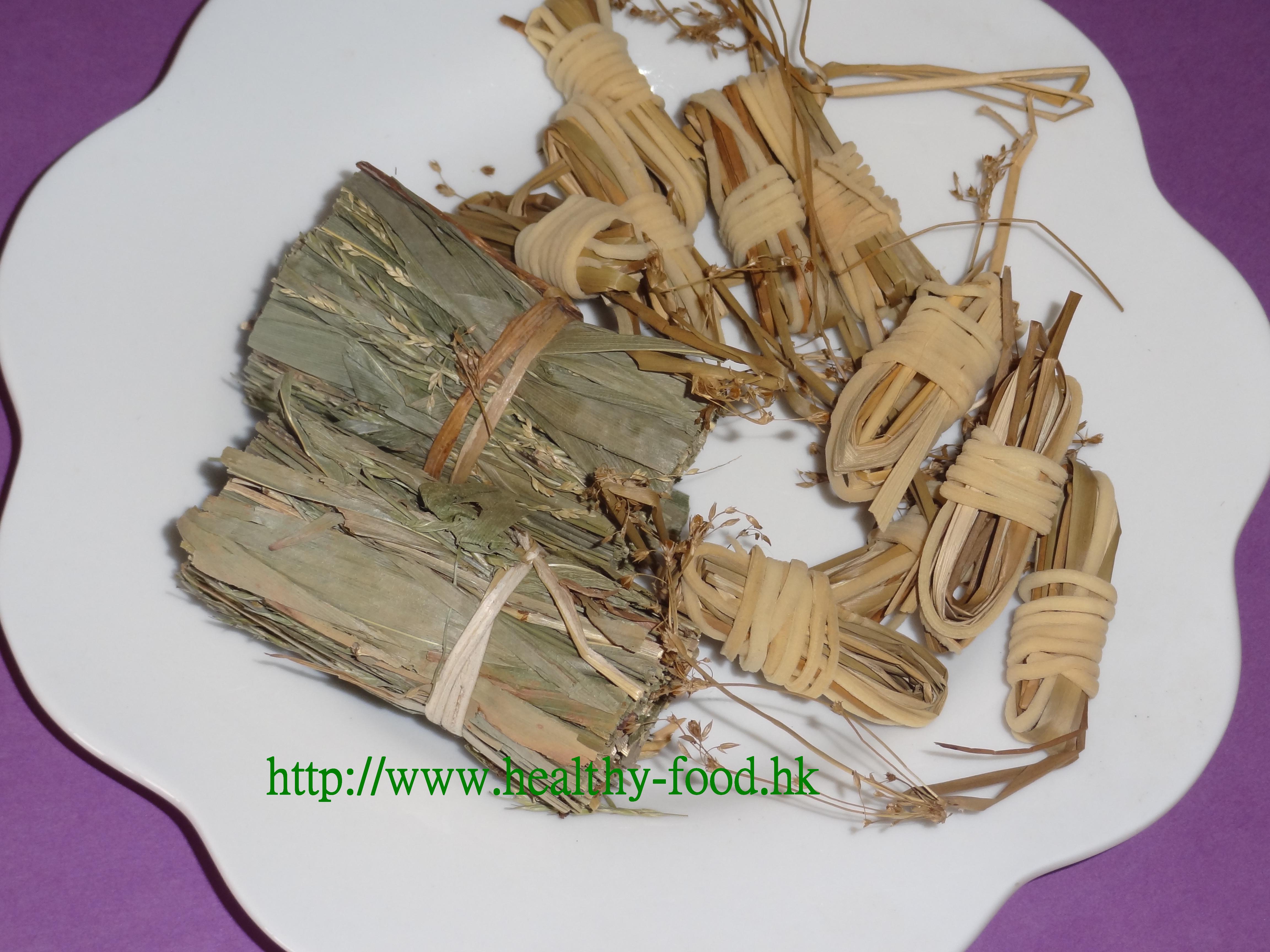
- Fresh cogongrass root (xian mao gen, Imperata cylindrica): A cooling herb associated with clearing blood heat, stopping bleeding (including blood in the urine) and supporting kidney-urinary health. Best used fresh; dried versions are available at Chinese herb shops.
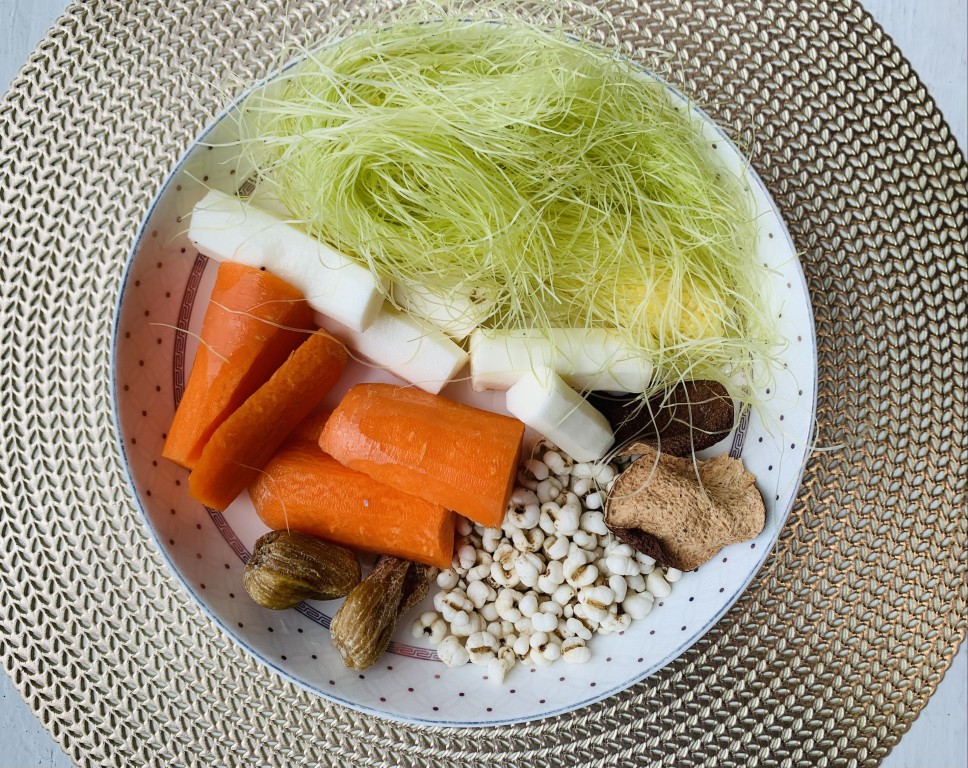
- Corn silk (su mi xu): The fine silky threads from inside the fresh corn husk; in Chinese food therapy these are associated with diuresis (promoting urine flow), reducing water retention, supporting blood pressure and blood sugar, and clearing dampness-heat from the urinary system.
Ingredients (2–3 bowls)
| Ingredient | Amount | Notes |
|---|---|---|
| Fresh cogongrass root | 1 bundle (approx. 100–150 g) | Wash well, cut into sections |
| Corn silk | 75 g (2 liang) | Rinse; use the threads from fresh corn, or dried corn silk |
Method
- Wash the cogongrass root thoroughly and cut into sections.
- Rinse the corn silk to remove any debris.
- Combine both ingredients in a pot with 5 bowls (about 1.2 L) of water.
- Bring to a boil, then reduce heat and simmer for 30 minutes until reduced to 2–3 bowls.
- Drink warm, divided across the day. Drink 3–5 consecutive servings for best effect.
Bro Niu’s tips
- This brew is naturally sweet and clean — no sugar needed. It is not bitter in the least.
- The tea is suitable for all ages. Young children (3 and above) can drink it. Pregnant women can also drink it.
- Do not drink this cold from the fridge — it is a warming-natured food-therapy drink that works best at room temperature or warm.
- Corn silk can also be used to cook corn silk congee (with small millet / xiao mi) — an especially useful preparation for people managing blood sugar.
- Fresh cogongrass root is available at Chinese or Asian grocers; if unavailable, dried versions from Chinese herb shops also work.
Community questions answered (selected)
-
Q (Namnam, pregnant): I am 8 weeks pregnant and feeling very hot and dry. Can I drink corn silk water? How much should I use? Bro Niu: You can cook corn cob (the core), corn silk and a few water chestnuts together — this is a gentle way to clear heat during pregnancy. About 5 bowls of water cooked down to 2 bowls is right. You can also try infusing American ginseng slices with chrysanthemum for a light, qi-nourishing drink.
-
Q (娜莉): Can someone who has had kidney stones drink this tea? Does it help prevent them? Bro Niu: Yes, this tea is suitable after kidney stone treatment and also helps with prevention. Most importantly, drink plenty of water every day. Also, avoid eating high-oxalate vegetables (like spinach) and tofu in the same meal, as they can contribute to calcium-oxalate stones.
-
Q (Wing): My husband has had diabetes for several years and recently was found to have protein in his urine. Would this tea help? Bro Niu: This tea is suitable. You can also try cooking corn silk congee with millet as a regular food-therapy dish. Alongside it, soups with hairy gourd, winter melon or water duck are helpful for managing both blood sugar and protein urine.
Published August 9, 2017 · Adapted and translated for Nourilo from a traditional home-kitchen recipe. Approx. 3 min read.