Rice & Staples
Single-Bulb Black Garlic (Home Rice-Cooker Method)
traditionally associated with antioxidant support, healthy blood pressure and cholesterol, improved sleep, and immune function
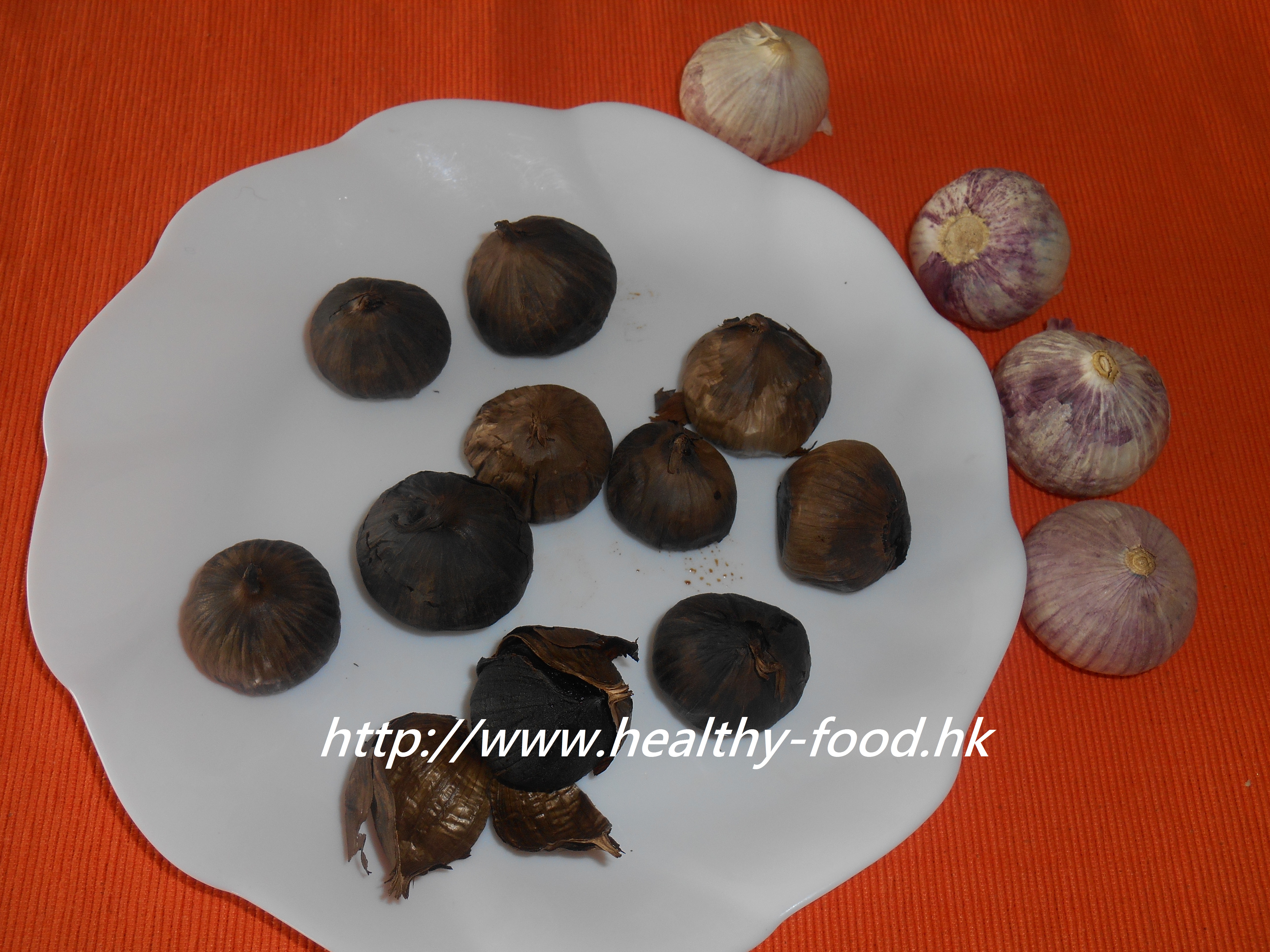
Why people make this
Black garlic has captured attention in both Asia and the West as a fermented food with a genuinely interesting nutritional profile. The fermentation process does something remarkable: it breaks down the sharp, pungent allicin of raw garlic into more stable sulphur compounds, and in the process the garlic turns completely black, becomes soft and sticky, and develops a sweet-tangy flavour reminiscent of dried fruit or balsamic vinegar. There is no lingering garlic breath. Research suggests the allicin-related compounds in black garlic may be four times more concentrated than in raw garlic, alongside higher levels of antioxidants. Traditional food therapy associates regular consumption with supporting healthy blood pressure, blood lipids, and blood sugar; protecting the liver; supporting immunity; improving sleep quality; and relieving constipation. Bro Niu notes that unlike raw garlic, black garlic does not cause internal heat (shang huo) or irritate the stomach.
Who it suits / who should be cautious
- Adults looking for a convenient daily functional food to complement a healthy diet.
- Suitable for those managing or wishing to support healthy blood pressure, cholesterol, and blood sugar levels.
- Adults: 1–2 cloves twice daily.
- Children: at most half to one clove per day; not recommended for young children.
- Those with yin deficiency and excess heat (including lupus or similar autoimmune conditions) should avoid.
- Those with eyes that are very red or produce excessive discharge should also avoid.
- Please see a doctor if you have any serious or uncontrolled chronic condition.
Why it works (the food-therapy logic)
- Single-bulb garlic (du zi suan): Considered more potent than segmented garlic bulbs; the solo structure concentrates the beneficial compounds.
- Fermentation (12+ days at low heat): Transforms raw allicin into more bioavailable and stable antioxidant sulphur compounds; removes pungency and stomach-irritating properties; the resulting black garlic is considered neutral rather than hot in nature.
How to make it (rice cooker method)
| Equipment / Ingredient | Notes |
|---|---|
| Single-bulb garlic | At least 500 g; firm, plump bulbs |
| Rice cooker | Any model with a ‘keep warm’ setting |
| Bamboo rack + bamboo mats | To create airflow and prevent scorching |
Method
- Select the largest, firmest, most plump single-bulb garlic you can find. Do not wash them.
- Place a small bamboo rack inside the rice cooker pot. Lay two bamboo mats on the rack.
- Place the garlic cloves one by one in a single layer on the bamboo mats. Add another two bamboo mats on top and then another layer of garlic — continue layering until all the garlic is loaded.
- Set the rice cooker to ‘keep warm’ only (do NOT use the cook setting — only the gentle warmth of the keep-warm function).
- Leave on keep-warm continuously for a minimum of 12 days without opening frequently.
- After 12 days, check: the garlic should have turned completely black. If so, the fermentation is successful.
- Remove the garlic and air-dry for approximately 4–5 days until the outer skin is dry and papery.
- Store in a glass jar. The black garlic is ready to eat — no cooking needed.
Buying ready-made: If you do not have a spare rice cooker, ready-made single-bulb black garlic is available at organic food shops, Chinese pharmacies, and online Asian health retailers. The texture is soft, sticky, and sweet — no garlic odour after eating.
Bro Niu’s tips
If you have a spare rice cooker that is not being used for cooking, this is a great way to put it to use. The keep-warm temperature — not the full cooking heat — is what triggers the slow Maillard reaction that ferments the garlic. An alternative method used commercially involves a high-humidity fermentation chamber at 60–90 days; the rice cooker method is the home-friendly shortcut. Store finished black garlic in a cool, dry place or the refrigerator.
Community questions answered (selected)
-
Q (San Lam): My 13-month-old has eczema — can he eat black garlic, and how much? Bro Niu: Black garlic can be given to young children with eczema to help strengthen the constitution, but for very young children, limit it to half to one clove per day at most. Note that black garlic does not have a specific therapeutic effect on eczema itself.
-
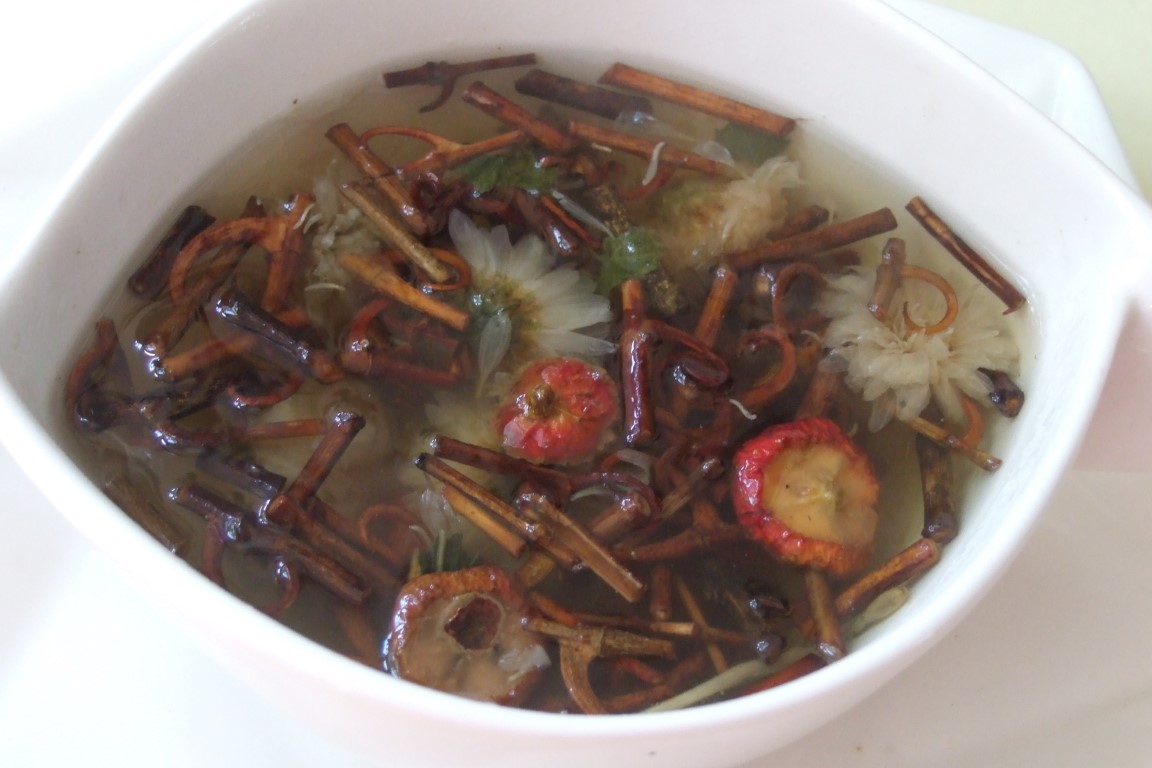
Q (beha): I have high cholesterol and high blood lipids. What food-therapy approaches would help? Bro Niu: You can get du zhong leaf tea from a Chinese herb shop or flower tea shop. Take one tablespoon of du zhong leaf tea and one tablespoon of hawthorn (shan zha) together as a daily tea — both are slightly warming and not cooling. Focus on eating more vegetables and less meat as a foundation.
-
Q (琪): I have lupus — can I eat black garlic? What soups suit my condition? Bro Niu: Lupus involves yin deficiency and excess heat, and black garlic is not suitable. Better options include zi bei tian kui (5 qian) and jin yin hua (3 qian) as a tea; sugar cane, water chestnuts, and carrot as a sweet soup; or bai hua she she cao (1 liang) with mi zao (2 pieces) as a daily brew.
Published February 25, 2015 · Adapted and translated for Nourilo from a traditional home-kitchen recipe. Approx. 4 min read.