Herbal & Flower Teas
Fresh Dendrobium, Reed Root & Ophiopogon Tea
supports fluid production and throat comfort; traditionally associated with clearing liver and gallbladder heat and relieving a bitter, dry sensation in the mouth
Why people make this tea
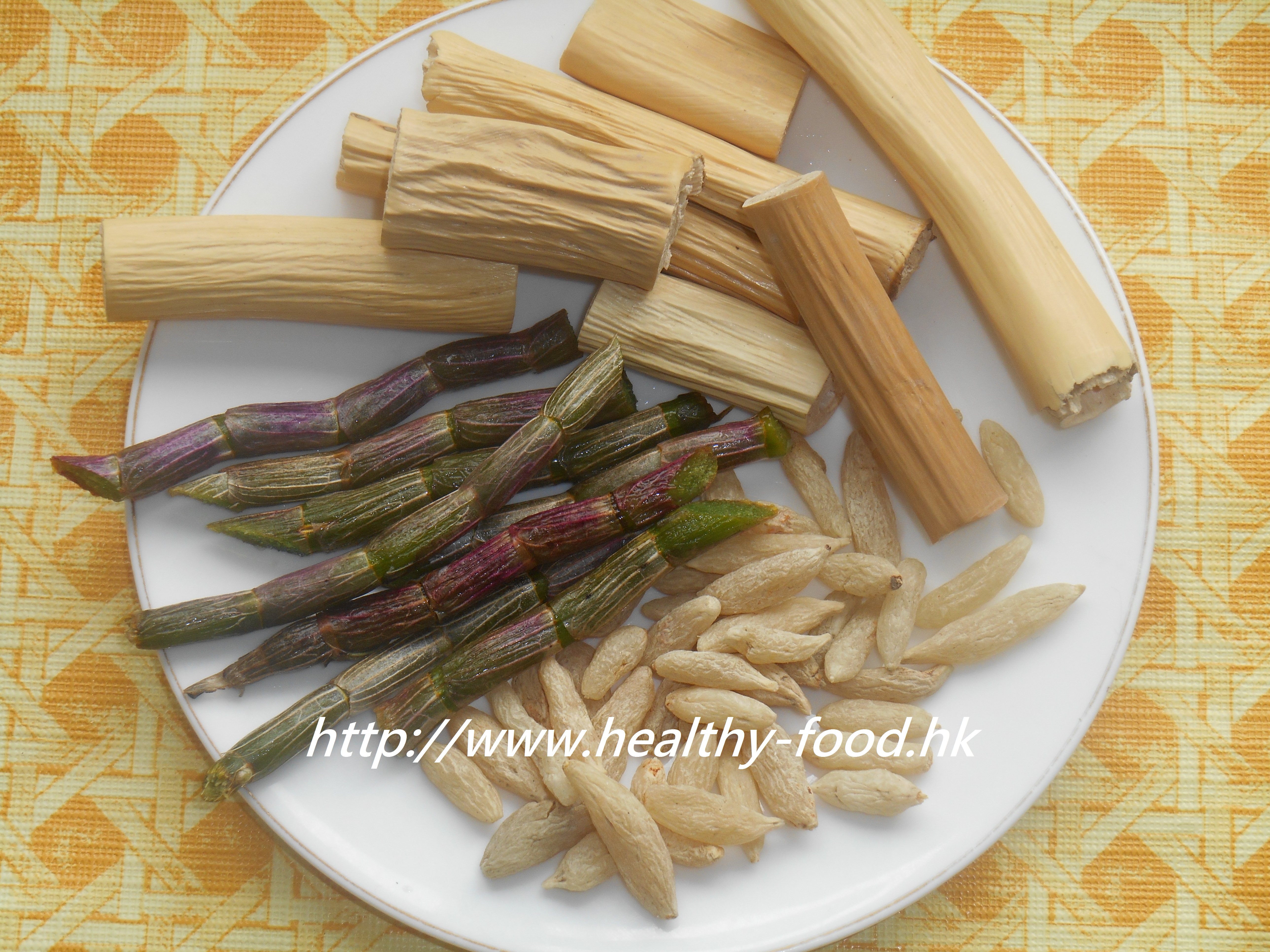
A bitter taste in the mouth — especially on waking — is one of the most common oral complaints Bro Niu receives questions about. In traditional food therapy it is often linked to excess heat in the liver and gallbladder, or to a shortage of fluids following a fever or illness. This simple herbal tea uses three classic ingredients to gently nourish and cool the body. It is particularly popular among parents whose children have recovered from a fever but still seem listless, dry-mouthed, and reluctant to eat. Bro Niu notes that fresh dendrobium orchid stem is the stand-out ingredient here — look for the purple, thicker variety at Chinese herb shops or Asian grocers for the best quality.
Who it suits / who should be cautious
- Suitable for adults and children with a dry, bitter mouth, especially following a cold or fever
- Can be given to young children whose appetite has not returned after illness
- Generally considered a cooling, nourishing tea — those who tend toward cold constitution (always feeling chilly, with watery stools) should use in moderation
- If fresh dendrobium is unavailable, substitute 9 g (3 qian) dried dendrobium; alternatively, one-quarter of a luo han guo (monk fruit) works as a substitute
Why these ingredients (the food-therapy logic)
- Fresh dendrobium orchid stem (xian shi hu): One of the premier yin-nourishing herbs in traditional food medicine; associated with generating fluids, nourishing the stomach, and clearing heat without being harsh. The purple, thick-stemmed variety is considered highest quality.
- Reed root (lu gen): A cooling herb from the hollow root of common reed; traditionally used to clear lung and stomach heat, relieve thirst, and encourage the production of body fluids.
- Ophiopogon root (mai dong): A sweet, slightly cooling herb classically paired with reed root; associated with nourishing the lungs and stomach and alleviating dryness.
- Rock sugar (bing tang): Added at the end purely for palatability; neutral in temperature, it does not counteract the cooling effect of the other ingredients.
Ingredients (2 cups)
| Ingredient | Amount | Notes |
|---|---|---|
| Fresh dendrobium stem | ~75 g | Soaked, rinsed, cut into 3–4 cm sections |
| Reed root | ~40 g | Rinsed |
| Ophiopogon root | ~9 g | Rinsed |
| Rock sugar | a small amount | Added at the end |
| Water | 6 bowls (~1.2 L) |
Method
- Soak and rinse all ingredients. Cut the fresh dendrobium stems into 3–4 cm sections.
- Place all ingredients except the rock sugar into a pot with 6 bowls of water.
- Bring to a boil, then reduce to a medium-low simmer for 45 minutes.
- Add a small amount of rock sugar and stir until dissolved.
- Serve warm. Suitable for all ages.
Bro Niu’s tips
This tea is gentle and nourishing. It works well for children who have recently recovered from a cold or fever and are still showing poor appetite, low energy, or an oral dryness. If you cannot find fresh dendrobium, dried dendrobium (3 qian) works — it still nourishes the stomach and benefits the eyes. Fresh dendrobium is available at Chinese or Asian grocers and herb shops, or online; look for thick, purple stems, which are considered the best grade.
For those who take it as a daily supplement, dendrobium powder dissolved in warm water (especially the霍山 huo shan variety) is effective too — taken on an empty stomach before meals is said to be ideal.
Community questions answered (selected)
-
Q (anonymous): I wake up every morning with a dry, bitter mouth. Could this be liver heat? Is lack of sleep a factor? Bro Niu: You may well have some liver heat. Are you regularly staying up late and not getting enough sleep? Good sleep is the foundation — eat less spicy and fried food too. Try brewing American ginseng (hua qi shen) with chrysanthemum flowers as a daily tea; adding dendrobium powder makes it even more effective.
-
Q (anonymous, on behalf of daughter, age 3): My daughter’s tongue coat is often thick and white. She has been dry-coughing in the mornings. Can she drink this tea? Bro Niu: Yes, brew this tea for your daughter. Drink 2 doses — if you see improvement, continue for another 2. It helps nourish the stomach and generate fluids.
-
Q (janice): My 2-year-old had bad breath last week. He saw a Chinese medicine doctor and improved, then got a fever the next day. Now the bad breath is back — what soup or tea is suitable? Bro Niu: You can brew this reed root and dendrobium tea for him. If you cannot find fresh dendrobium, substitute one-quarter of a luo han guo (monk fruit).
Published August 11, 2018 · Adapted and translated for Nourilo from a traditional home-kitchen recipe. Approx. 4 min read.