Soups
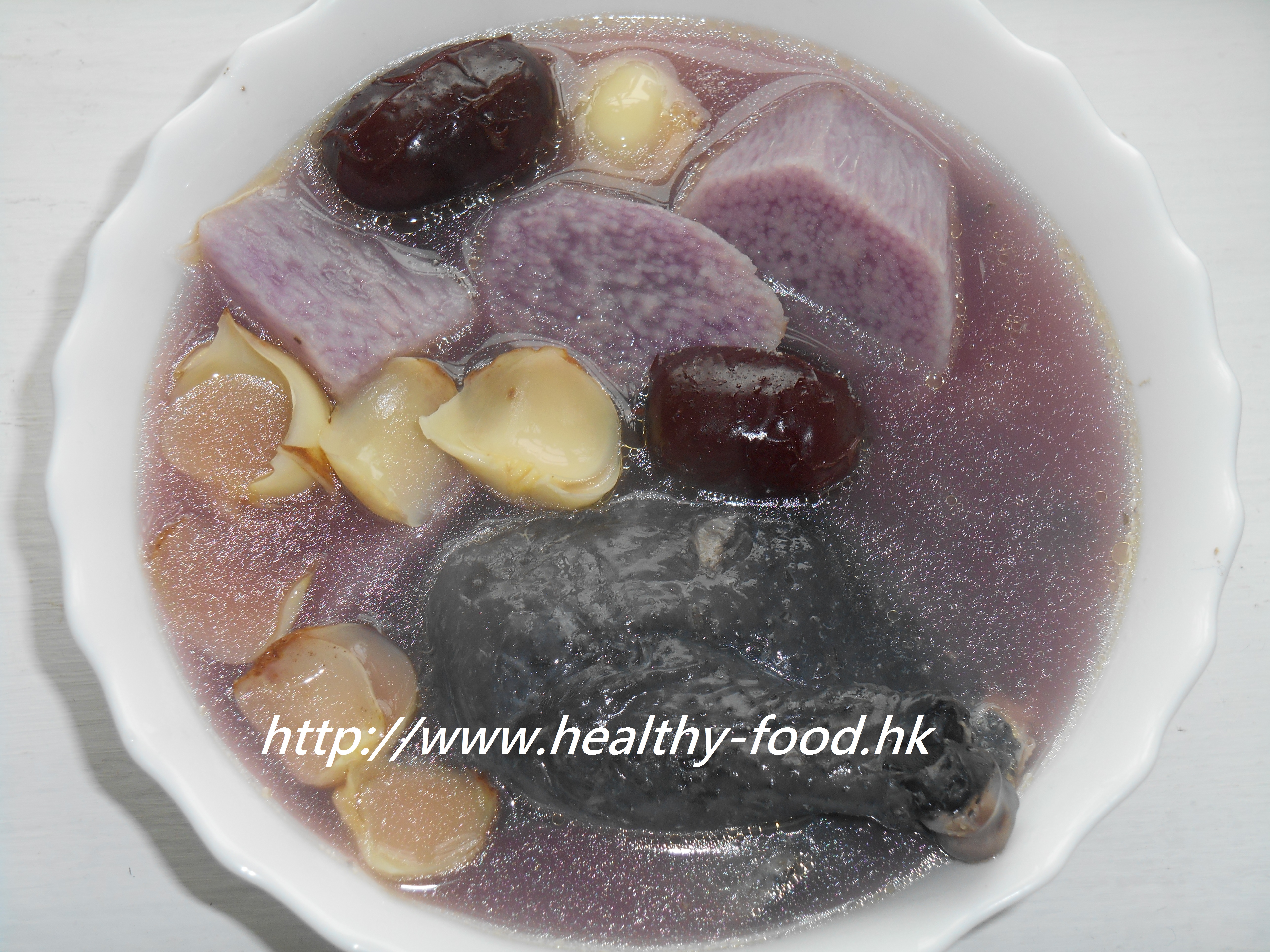
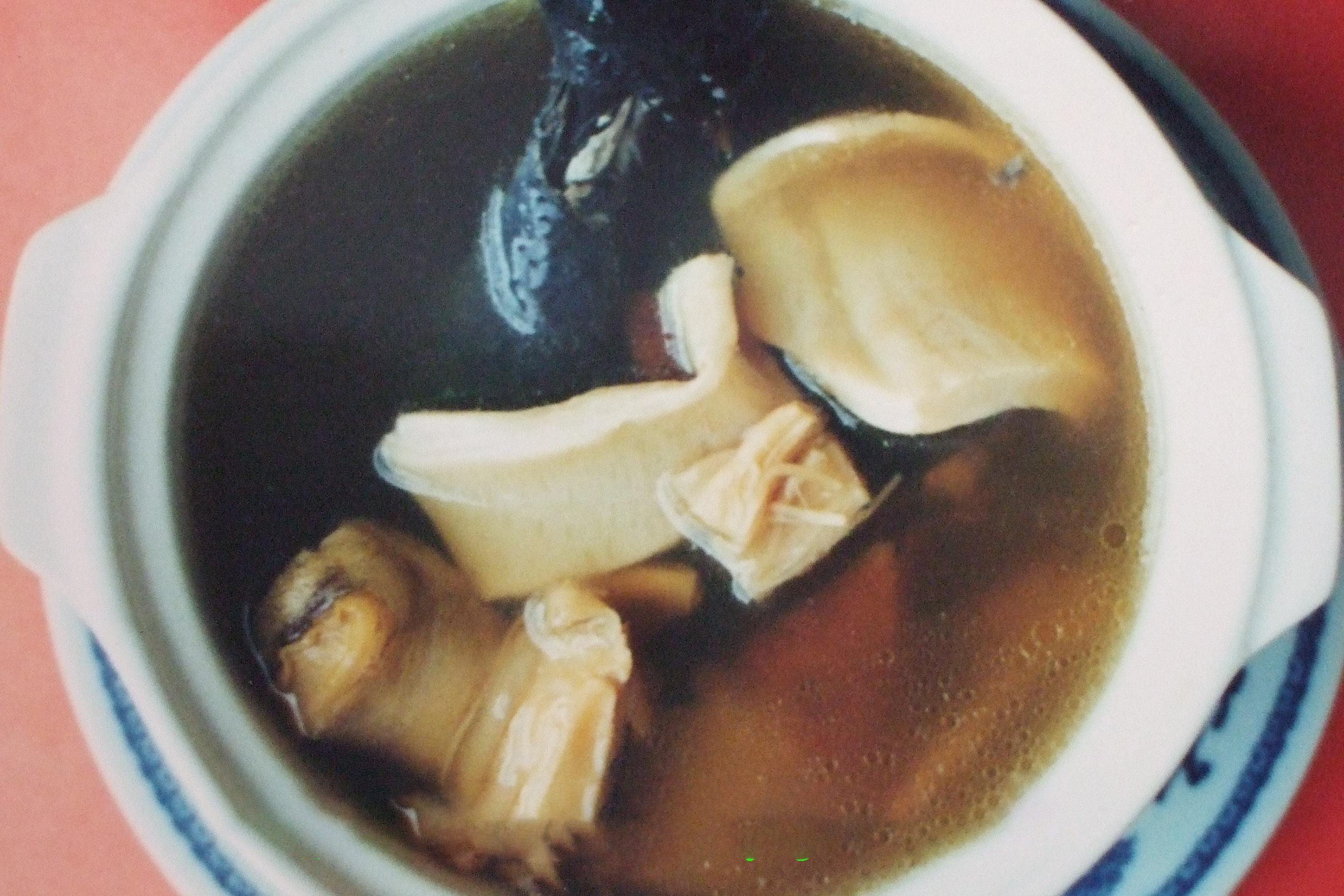
Glehnia Root, Solomon's Seal, Abalone and Silkie Chicken Soup
traditionally used to calm the mind and nourish yin in cases of restlessness and anxious feelings
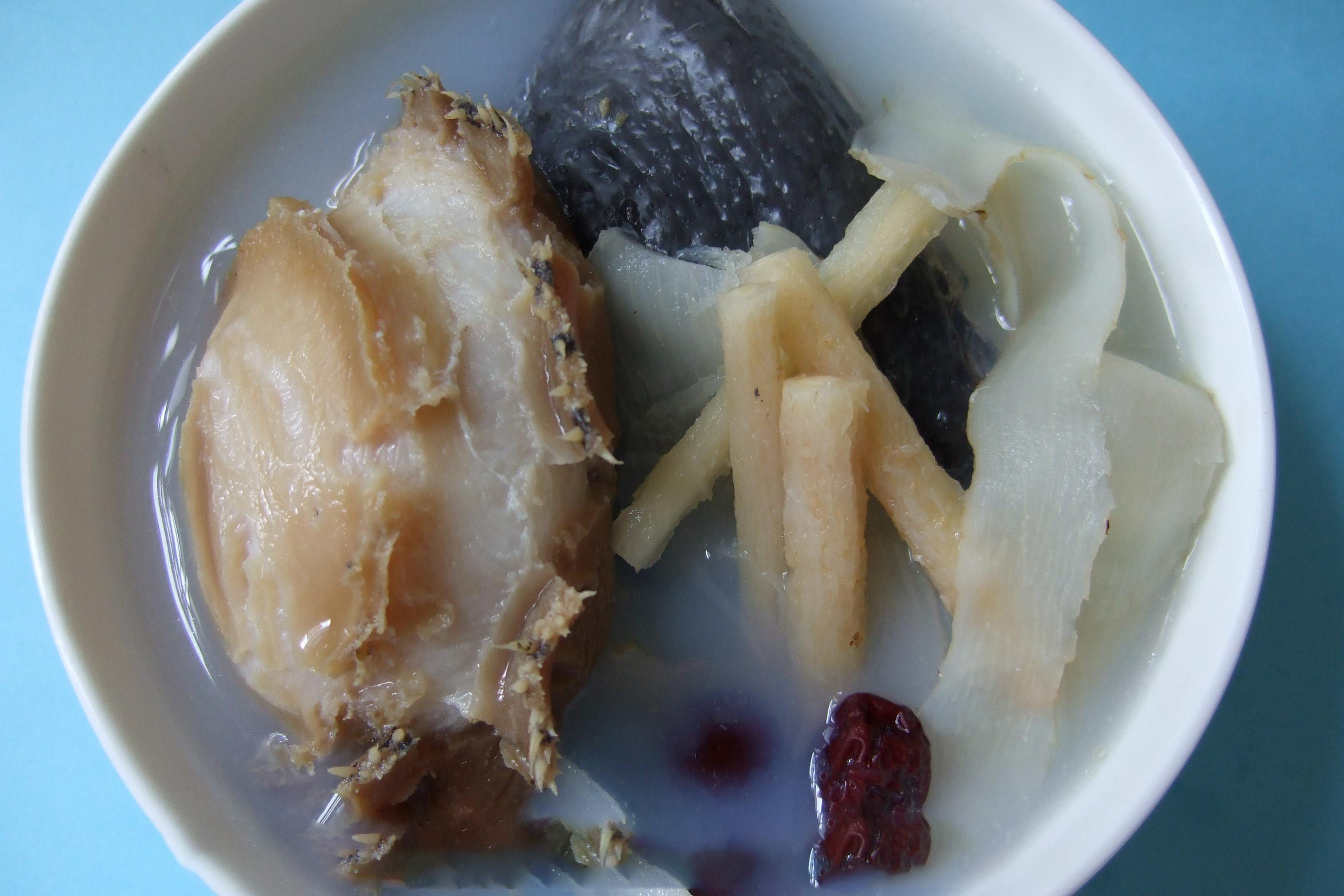
Why people make this soup
Most people experience some worry and tension — that is a natural part of life. But when restlessness, disturbed sleep, dry mouth, and a feeling of heat in the palms and chest seem to linger without obvious cause, Chinese food therapy points to a pattern known as “yin deficiency with rising fire.” This soup was designed for exactly that situation. Glehnia root and Solomon’s seal are two of the most trusted yin-nourishing herbs in Cantonese kitchens; together with abalone, which is associated with calming and nourishing the liver in traditional use, and silkie chicken, the result is a clear, delicate soup that is both genuinely delicious and deeply soothing.
Who it suits / who should be cautious
- Suits those experiencing lingering restlessness, dry mouth, night sweats, a sensation of warmth in the body, or unsettled feelings tied to a yin-deficient constitution
- Also suitable for people with diabetes (the soup is low in fat and not heating)
- Fine for post-caesarean women after about one month
- Those with a weak spleen and stomach who find rich soups heavy can still drink the broth and skip the abalone; fresh yam (huai shan) can be added to make it easier to digest
- People with active colds or excess phlegm should wait until recovered
Why these ingredients (the food-therapy logic)
- Glehnia root (sha shen): Traditionally used to nourish lung and stomach yin, relieve dryness, and calm the mind; particularly associated with dry-heat patterns
- Solomon’s seal (yu zhu): A gentle yin tonic that moistens without causing dampness; traditionally associated with relieving thirst, reducing mild fever from deficiency, and calming agitation
- Abalone (bao yu): In traditional use, considered to nourish the liver and calm the spirit; also supports eye health; works synergistically with the herbs to deepen yin nourishment
- Silkie chicken (wu ji): A classic nourishing ingredient, darker and leaner than regular chicken; associated with building blood and yin
- Red dates (hong zao): Support and calm; add sweetness and help nourish the blood
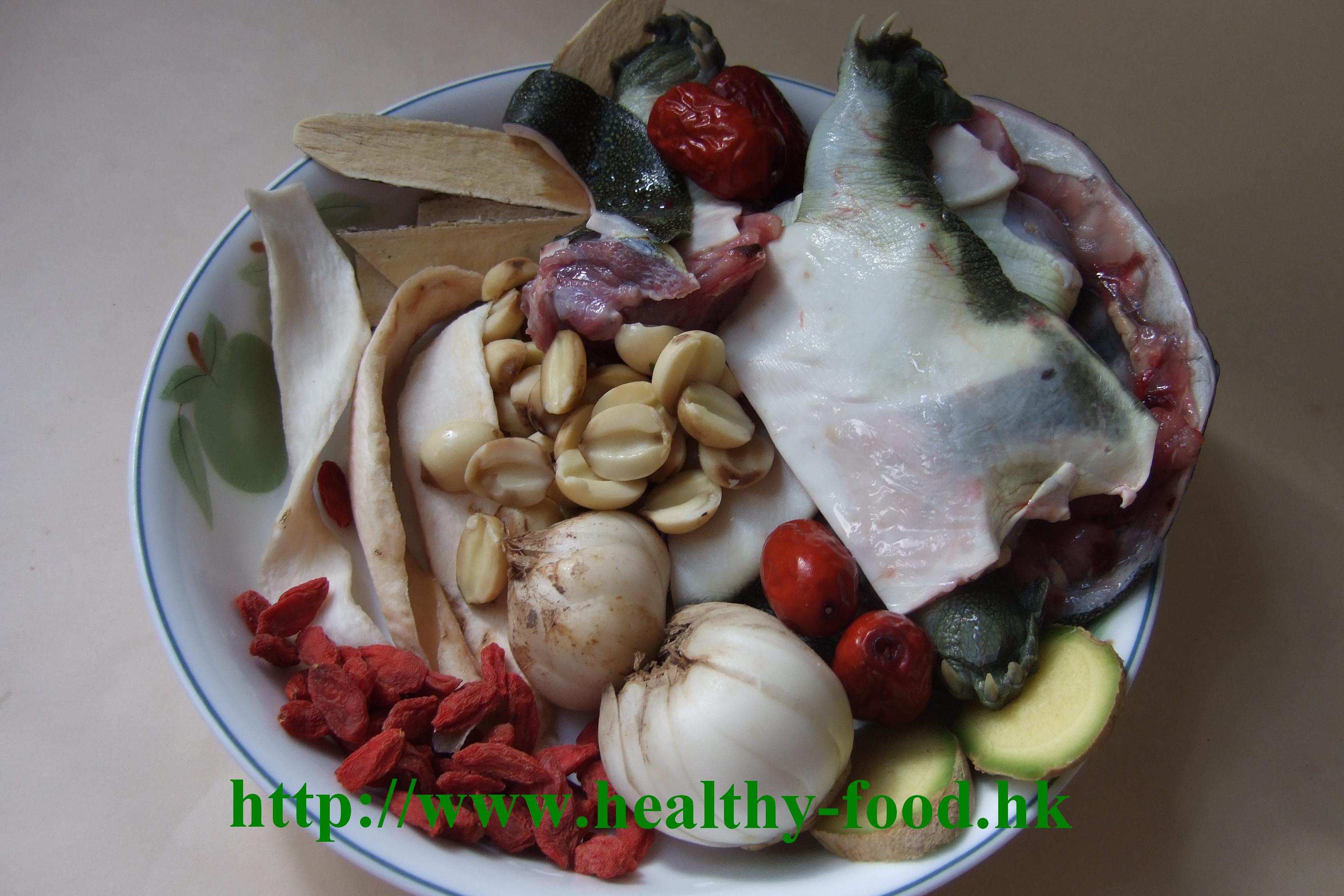
Ingredients (4 bowls)
| Ingredient | Amount | Notes |
|---|---|---|
| Glehnia root | ~19 g | Soak 30 min, rinse |
| Solomon’s seal | ~19 g | Soak 30 min, rinse |
| Green-edged abalone | 1 whole | Clean thoroughly; trim intestinal end; blanch briefly with 2–3 ginger slices |
| Silkie chicken | half a bird | Rinse, blanch in boiling water |
| Fresh ginger | 2 slices | |
| Red dates | 6 pieces | Rinse |
Method
- Soak glehnia root, Solomon’s seal, and red dates in water for about 30 minutes; discard the soaking water and rinse.
- Clean the abalone: cut away the intestinal end, scrub the edges lightly with a brush if desired, and blanch briefly in boiling water with 2–3 ginger slices until the water turns cloudy. Lift out and set aside. Keep the abalone whole — cutting it before cooking will make it tough.
- Clean and blanch the silkie chicken pieces; discard the blanching water.
- Place all ingredients in a pot with 8 bowls of water. Bring to a boil over high heat, then reduce heat and simmer gently for 3 hours until roughly 4 bowls remain.
- Remove the abalone, slice it, and serve alongside the soup and other solid ingredients.
Bro Niu’s tips
Always cook the abalone whole and only slice it after the soup is ready — cooking it in pieces makes it rubbery. This soup is clear and nourishing, and the whole family can enjoy it. It is also one of the friendlier soups for people managing diabetes. Fresh or frozen abalone both work well; if using dried abalone, soak it for several days in advance.
Community questions answered (selected)
-
Q (reader): Can this soup be made with dried abalone? Bro Niu: Yes, both fresh and dried abalone work. Dried abalone just needs a proper soaking beforehand.
-
Q (reader): My stomach is not strong — will the abalone be hard to digest? What can I substitute? Bro Niu: If digestion is weak, drink the soup and leave the abalone. You can substitute dried conch (xiang luo gan) and add some fresh yam to support the stomach.
-
Q (Y930): I am just over a month post-caesarean — can I drink this soup? Bro Niu: Yes, after about one month postpartum this soup is suitable.
Published May 7, 2010 · Adapted and translated for Nourilo from a traditional home-kitchen recipe. Approx. 3 min read.