Soups
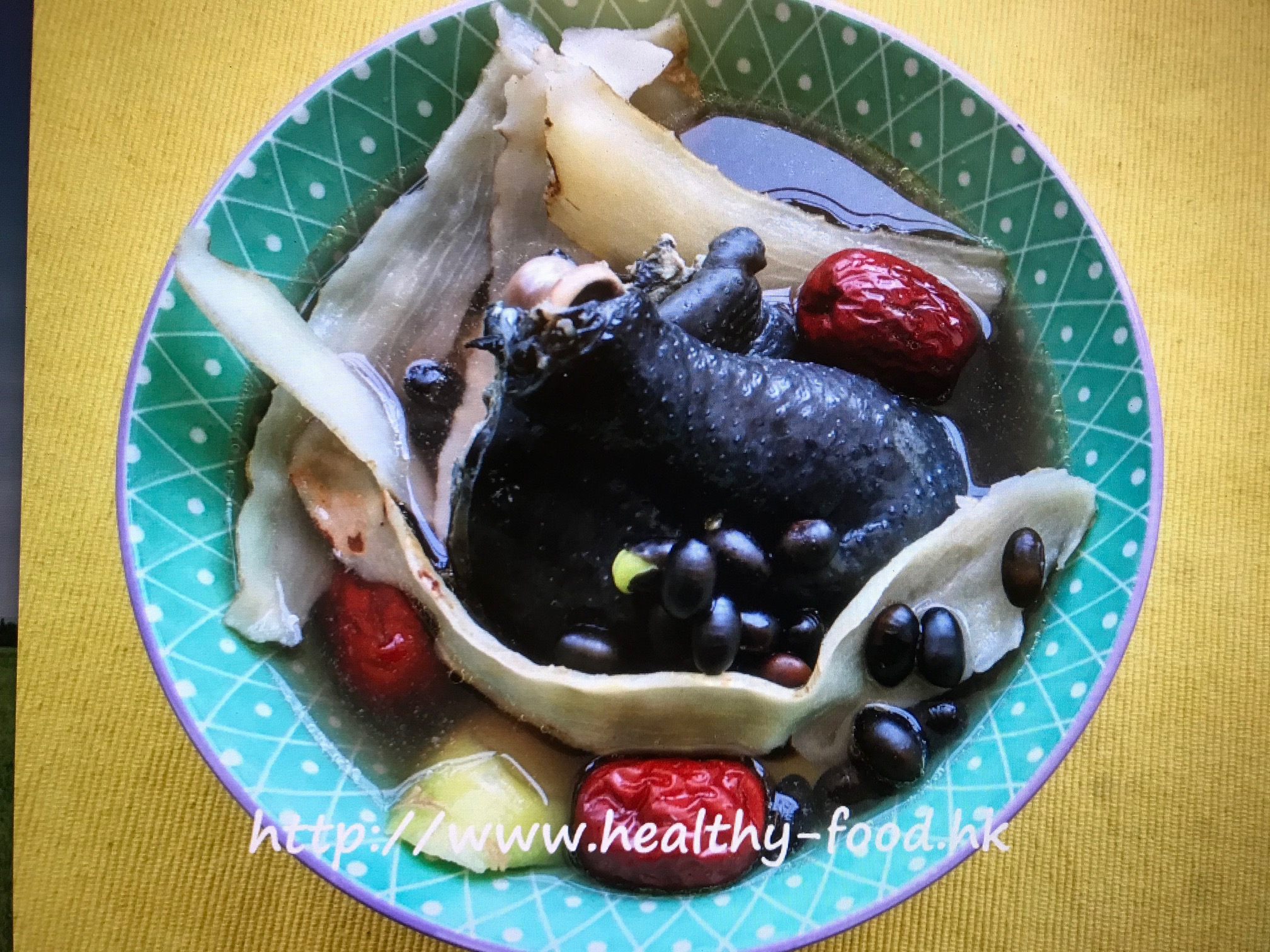
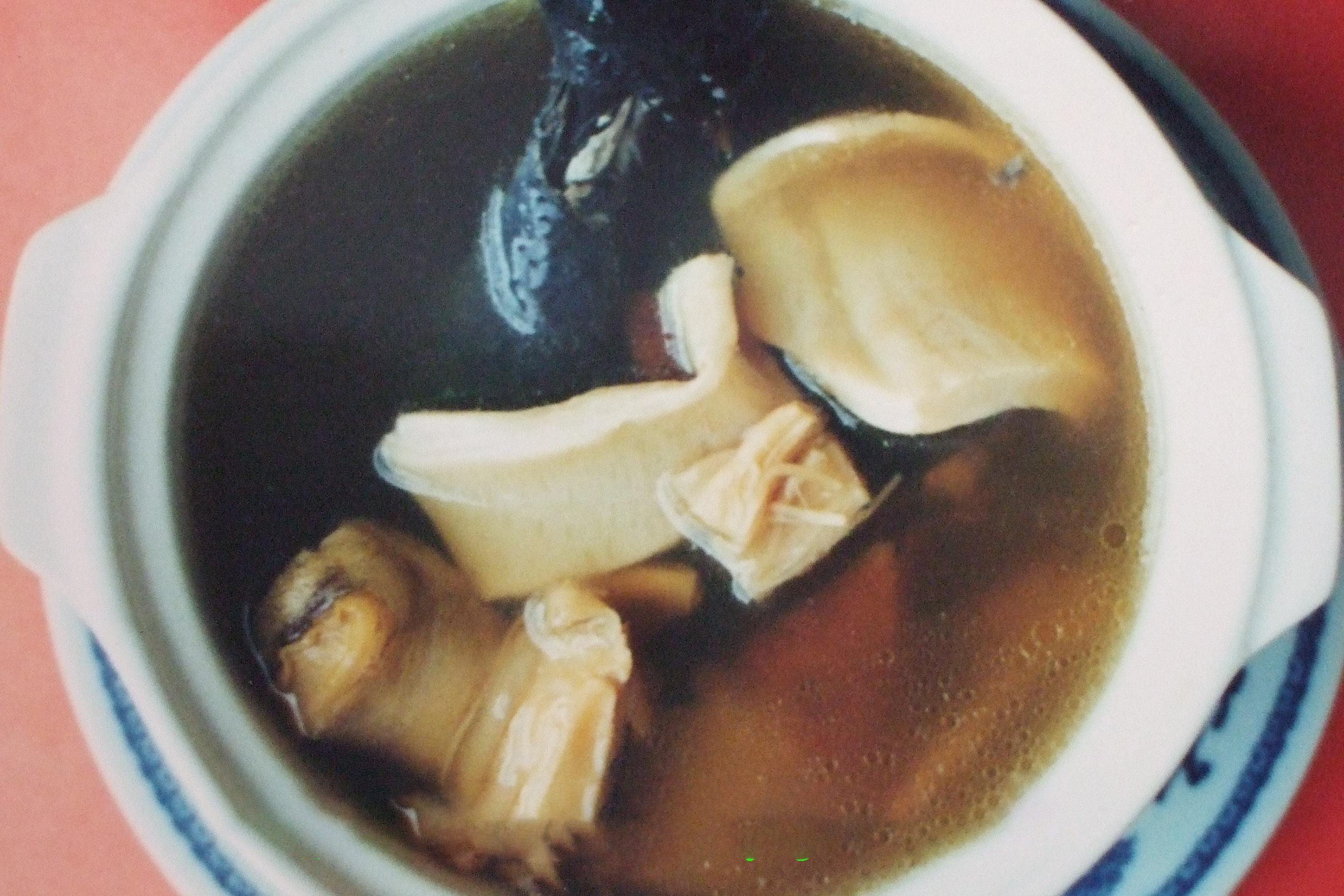
Fish Maw, Sea Snail & Silkie Chicken Stew
traditionally associated with nourishing essence, supporting vitality, and skin health
Why people make this soup
Among the prized delicacies of Chinese cuisine — abalone, sea cucumber, shark fin, and fish maw — fish maw stands out for its remarkable collagen content. Modern research backs what traditional practitioners have long observed: high-collagen foods tend to be deeply nourishing for the skin, joints, and connective tissues. Bro Niu combines fish maw with sea snail (valued for its yin-nourishing, lung-moistening properties) and silkie chicken (known for its liver- and kidney-supporting qualities) in a slow, gentle double-boil that draws out maximum nourishment. The result is a richly satisfying soup that makes an excellent restorative after illness, physical depletion, or major life events like childbirth.
Who it suits / who should be cautious
- Suitable for adults recovering from illness, weakness after surgery or childbirth, or anyone feeling run-down
- Also beneficial for those with irregular periods, fertility concerns, or general fatigue (traditional indication)
- Avoid during active cold, flu, or if you have a thick white coating on the tongue (sign of dampness — clear that first)
- Those with heavy dampness: strengthen the spleen first with foods like poria (fu ling), white atractylodes (bai zhu), and hyacinth bean coat (bian dou yi)
- If you have uterine polyps: eat fish maw in moderation; avoid swallow’s nest and snow jelly
Why these ingredients (the food-therapy logic)
- Fish maw (hua jiao): Collagen-rich swim bladder of large fish; traditionally associated with tonifying kidney essence, nourishing the sinews, and reducing bruising and swelling
- Sea snail (hai luo): Valued for nourishing yin, clearing heat, and moistening the lungs — a mild, cooling complement to the richness of fish maw
- Dried scallop (jiang yao zhu): Adds deep umami and is traditionally considered to tonify yin and support kidney function
- Silkie chicken (zhu si ji): Dark-fleshed, low-fat bird especially prized in Chinese food therapy for nourishing the liver and kidneys, replenishing blood, and clearing deficiency heat
- Red dates (hong zao): Warm, sweet, and supportive of blood and qi; they soften the overall flavour of the broth
Ingredients (4 bowls)
| Ingredient | Amount | Notes |
|---|---|---|
| Rehydrated fish maw | ~150 g | Soak overnight in water, then blanch with ginger — see tips |
| Sea snail meat | ~150 g | Fresh or frozen; blanch briefly before use |
| Dried scallop | 3 pieces | Soak in water to soften |
| Silkie chicken | 1 whole bird | Joint into pieces, blanch in boiling water |
| Fresh ginger | 3 slices | Helps neutralise any fishiness |
| Red dates | 6 pieces | Pitted |
Method
- Blanch the fish maw and sea snail meat in boiling water briefly; drain and rinse.
- Soak the dried scallops in a little water until soft, about 30 minutes.
- Joint the silkie chicken into large pieces and blanch in boiling water for 2 minutes; drain.
- Place all ingredients into a double-boiler pot (炖盅). Pour in 4 bowls (about 1 litre) of freshly boiled water.
- Set the pot inside your steamer or electric double-boiler. Stew for approximately 3 hours.
- Serve directly from the pot — eat the soup along with the chicken and fish maw.
Bro Niu’s tips
Rehydrating fish maw takes a little patience but is straightforward: soak it in plain water overnight, then bring a pot of water to the boil with 3 ginger slices, turn off the heat, and steep the soaked fish maw in the hot water for 2 hours. Check with a chopstick — it should pass through easily when fully rehydrated. If not, steep in fresh hot water once more. Rehydrated fish maw can be portioned and frozen for future use. If possible, buy male fish maw (花胶公) — female fish maw (花胶乸) loses a lot of its gelatinous quality during soaking. If you don’t have a double-boiler, place a folded towel under the pot inside your steamer to stop it rattling. An electric slow-cooker or digital double-boiler is a convenient alternative.
Community questions answered (selected)
-
Q (chan): Does sea snail raise cholesterol? And is a double-boiler the same as steaming? Bro Niu: Sea snail actually contains much less cholesterol than squid or cuttlefish — it’s quite manageable in normal portions. As for cooking: steaming (zheng) means uncovered food sitting above water; double-boiling (dun) means a lidded pot sitting in boiling water — the steam surrounds and gently heats the pot, and nothing evaporates. For home use, an electric double-boiler is very convenient — just set the timer and walk away.
-
Q (Sarah): Can I use dried sea snail instead of fresh? How much? Bro Niu: Yes, use about 75 g (2 liang) of dried sea snail. American dried conch tends to be particularly good quality — very flavourful and lower in pollutants.
-
Q (Polly hui): I still have the tail end of a cold — can I drink this soup? Bro Niu: It’s best to wait until you have fully recovered. During an active cold, rich nourishing soups can inadvertently strengthen whatever is causing the illness, and a weakened digestive system struggles with such rich ingredients anyway.
Published April 30, 2010 · Adapted and translated for Nourilo from a traditional home-kitchen recipe. Approx. 4 min read.