Soups
Angelica, Astragalus and Lamb Soup
Traditionally used to warm the limbs and support qi and blood in those with a cold constitution
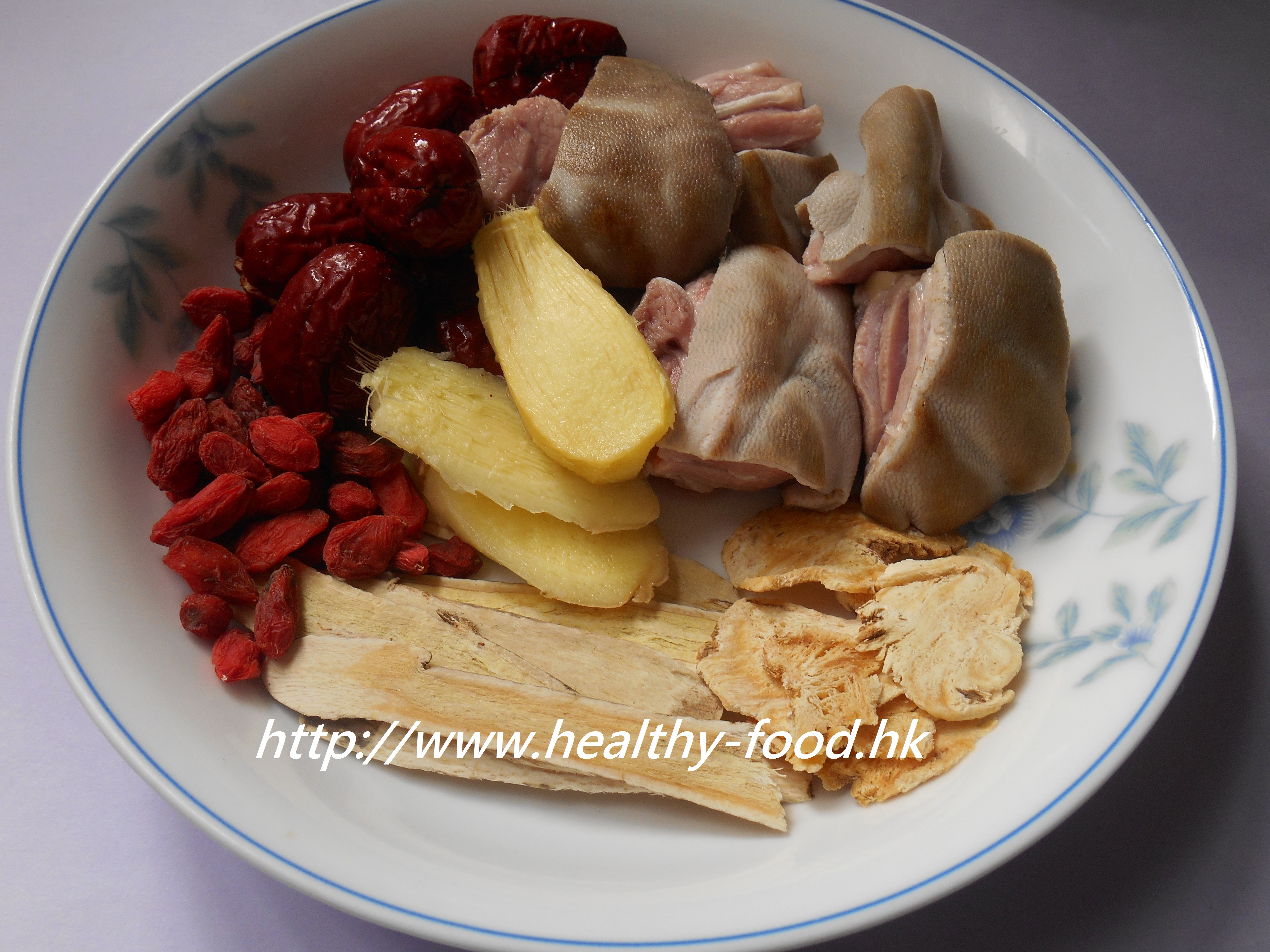
Why people make this soup
When temperatures drop, some people seem to feel it far more acutely than others — particularly women after a period, when blood is already somewhat depleted. Chronically cold hands and feet, especially at night when it is hard to warm up and fall asleep, are a common complaint that Chinese food therapy addresses through warming and blood-nourishing recipes. This soup brings together three warming powerhouses: angelica root (dang gui), astragalus (bei qi), and lamb — all traditionally considered warming foods that support circulation, nourish blood, and strengthen the body’s internal warmth. It is a wholesome soup the whole family can enjoy together.
Who it suits / who should be cautious
- Women with chronically cold hands and feet, particularly around or after menstruation
- Anyone with a generally cold constitution, low energy, or pallor associated with blood deficiency
- Suitable for the whole family, including men and children
- Caution: Pregnant women may use this soup, but use only angelica head (dang gui tou), not the whole root or the tail end (gui wei), as the tail is more activating. Ask your herbalist to specify this when purchasing
- Those with an active cold, fever, or signs of heat should avoid this soup until fully recovered
Why these ingredients (the food-therapy logic)
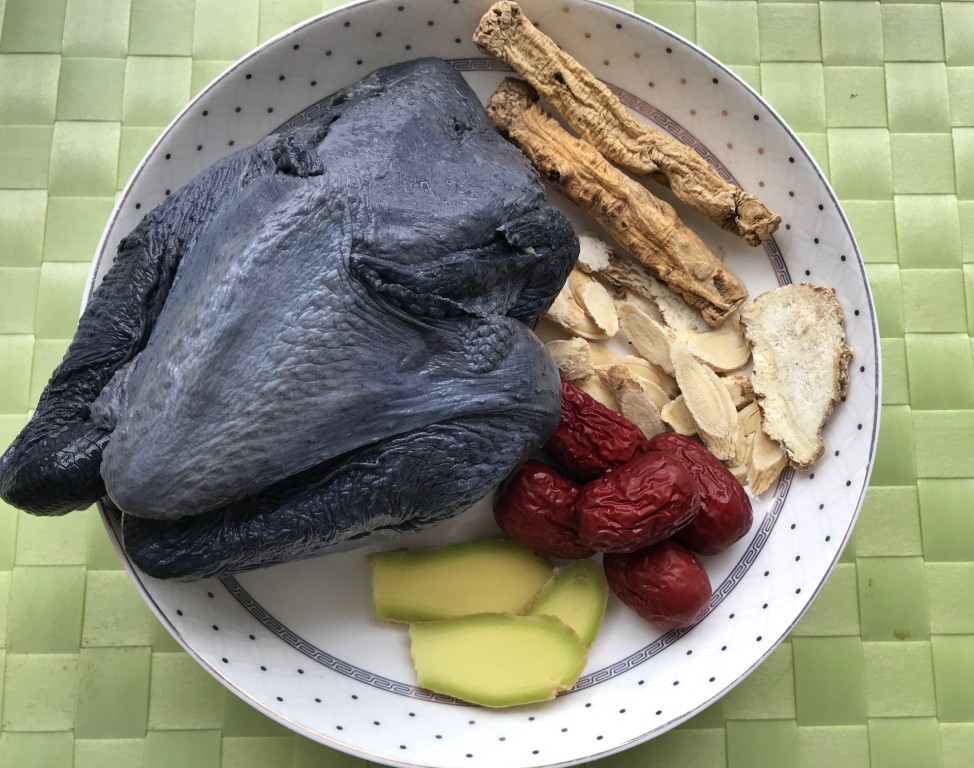
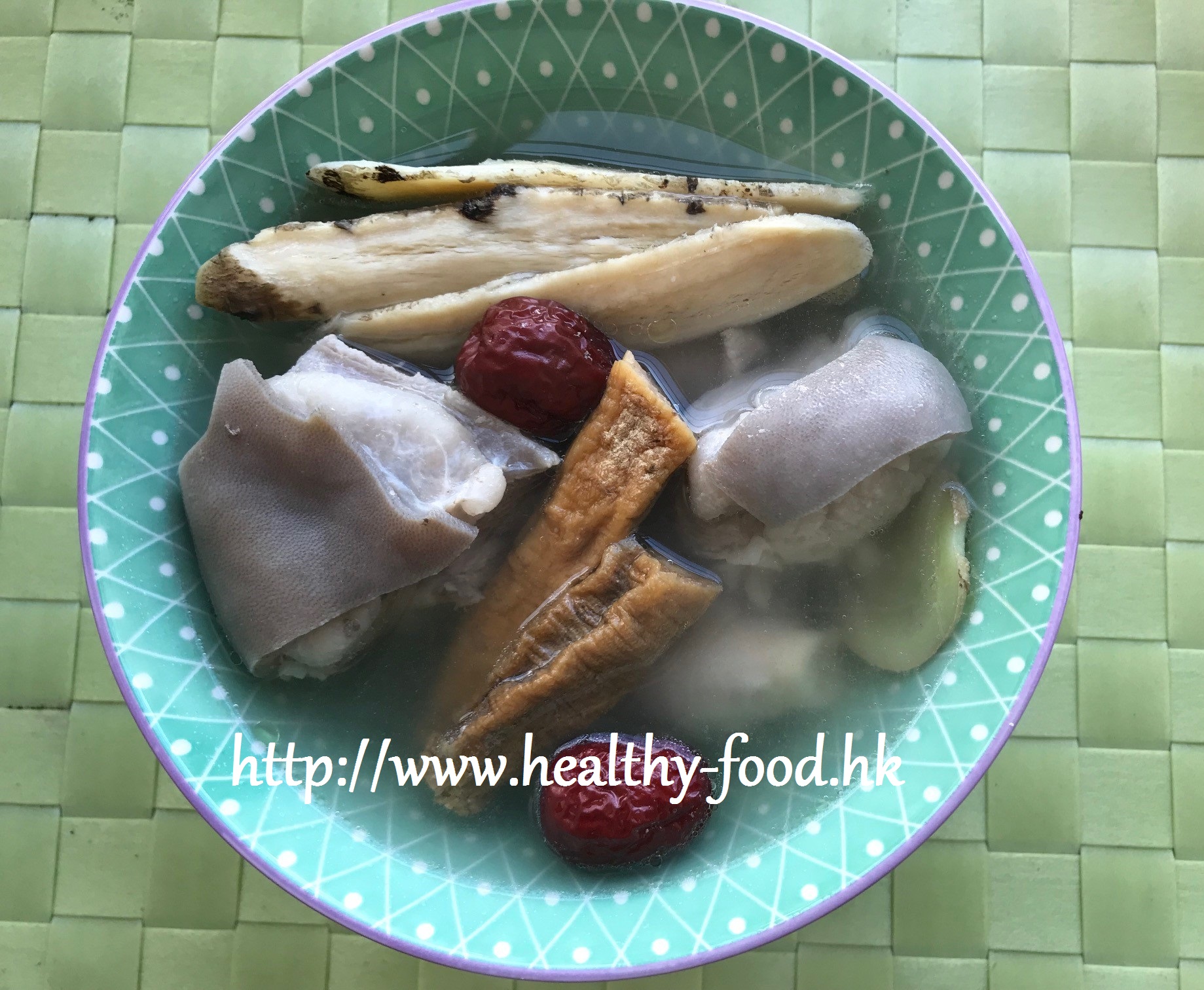
- Angelica root (dang gui): One of the most important herbs in Chinese medicine for women’s health; traditionally associated with nourishing and moving blood, supporting circulation and warming the uterus
- Astragalus root (bei qi): Tonifies qi, supports the body’s defensive energy, and pairs beautifully with angelica to nourish both qi and blood together
- Lamb (yang rou): Considered one of the warmest meats in Chinese food therapy; traditionally used to tonify kidney yang and warm the body from within — particularly helpful in winter
- Red dates (hong zao): Naturally sweet and warming; traditionally said to nourish blood and calm the spirit
- Fresh ginger (sheng jiang): Disperses cold, warms the stomach, and helps neutralize any gamey aroma from the lamb
Ingredients (4–5 bowls, whole family)
| Ingredient | Amount | Notes |
|---|---|---|
| Angelica root (dang gui) | 3 qian (~11 g) | Rinse and soak briefly |
| Astragalus root (bei qi) | 5 qian (~19 g) | Rinse and soak briefly |
| Fresh ginger | 3 slices | |
| Red dates, pitted | 6 pieces | |
| Lamb | 1 jin (~600 g) | Blanched |
Method
- Blanch the lamb in boiling water to remove impurities; drain and rinse.
- Rinse and briefly soak the angelica and astragalus.
- Remove the pits from the red dates.
- Place all ingredients in a pot with 10 bowls of water.
- Bring to a boil, then reduce heat and simmer gently for about 2 hours until the liquid reduces to 4–5 bowls.
- The whole family can drink this soup together. Can be made once or twice a week.
Bro Niu’s tips
A few words about choosing your lamb: lamb belly (yang nan) is fattier and better suited to braising with bamboo shoots or dried tofu skin. For soups, lamb leg or lamb neck is better — the neck in particular is the most tender cut because that muscle is constantly moving, though it tends to cost more than leg. Black grass-fed lamb (hei cao yang) has the least gamey smell and works well for both soups and braised dishes.
If you would like to add rice wine or Shaoxing wine to reduce the gamey aroma, that is perfectly fine.
Community questions answered (selected)
-
Q (chan): My husband’s back — especially the lower back — feels ice cold, though his arms and legs are normal. What might cause this? Bro Niu: This sounds like kidney yang deficiency concentrated in the lower back. Try this soup with an extra 5 qian of codonopsis root (dang shen) added in. Useful for cold limbs or a cold lower back — 2 to 3 servings per week for two weeks and see how it goes.
-
Q (羊羊): My husband lost a lot of weight quickly through dieting — mainly vegetables and fruits — and now his hands and feet are always ice cold, almost as if the cold has gone all the way through him. Is there a food therapy approach? Bro Niu: Rapid weight loss, especially on a very cold or restrictive diet, can deplete yang energy and leave the body in a cold state. Try adding some quality cinnamon powder (rou gui fen) to oatmeal or a warm drink to gently warm kidney yang. Pork stomach soup with salted vegetables and peppercorns also warms the stomach. This lamb soup would also be excellent for him.
-
Q (Ceci): Can I make a warming lamb soup using radish instead of the herbs if someone has uterine fibroids? Bro Niu: A lamb and radish soup does have a warming and tonifying effect. However, on the day you eat radish, avoid taking qi-tonifying herbal medicines, as radish can counteract their effects.
Published November 24, 2014 · Adapted and translated for Nourilo from a traditional home-kitchen recipe. Approx. 4 min read.