Herbal & Flower Teas
American Ginseng and Goji Tea
Traditionally used to clear the liver, brighten the eyes, and ease fatigue
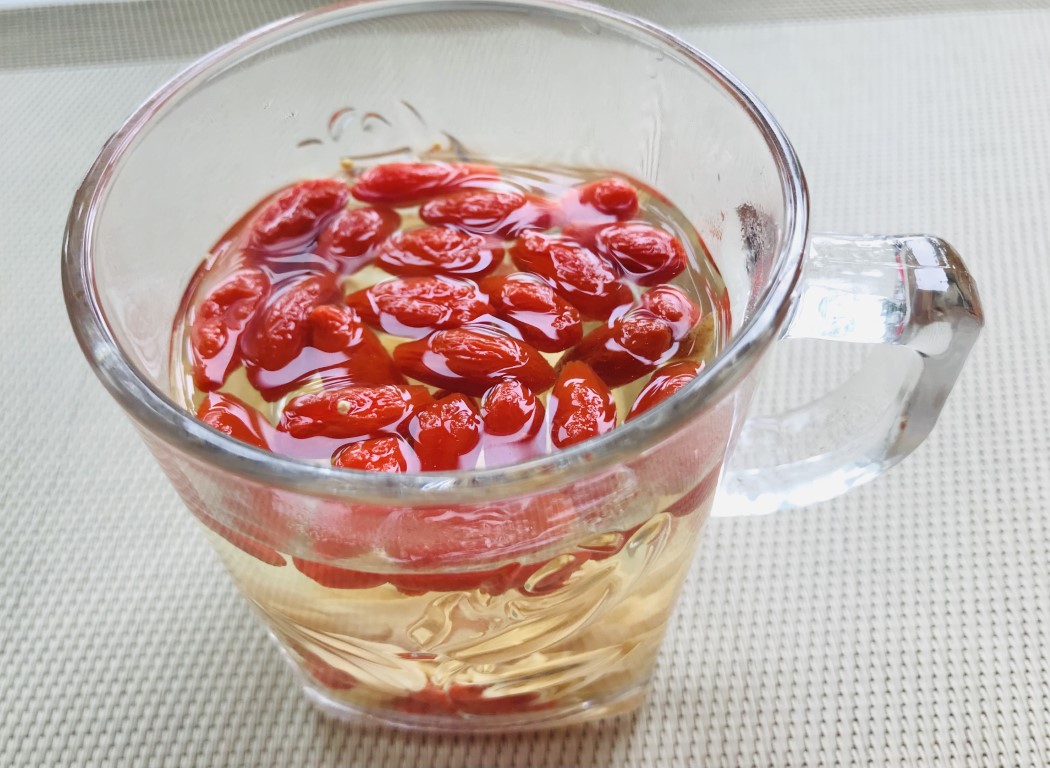
Why people make this tea
A friend from overseas gave Bro Niu a jar of American ginseng slices, noting they are traditionally associated with supporting qi and nourishing yin — tonifying without being drying — and well suited to people who are stressed, often up late, and easily irritable. As Bro Niu recalls from a professor, good-quality American ginseng is something middle-aged and older folks can enjoy regularly as a tea, traditionally associated with graceful aging and a sharp mind. Add the goji he keeps on hand — traditionally associated with protecting the eyes — and you get a cup that clears the liver, brightens the eyes, and helps you push back against fatigue.
Who it suits / who should be cautious
- Suits people who run a little hot from yin-deficiency, who are stressed, sleep-short, irritable, or feel eye-tired
- American ginseng is cooling in nature; if you have a cold-deficiency constitution or are unwell with a cold, go easy
Why these ingredients (the food-therapy logic)
- American ginseng (hua qi shen): traditionally supports qi and nourishes yin, calms the heart, eases restlessness, and helps with fatigue, without being drying
- Goji (gou qi zi): traditionally nourishes the liver and kidney and is associated with protecting the eyes
Ingredients (1 pot)
| Ingredient | Amount | Notes |
|---|---|---|
| American ginseng slices | 2 tsp | quality from US/Canada preferred |
| Goji berries | 2 tsp |
Method
- Put the American ginseng and goji in a teapot.
- Rinse once with boiling water and pour it off.
- Refill with boiling water and steep, covered, for 5 minutes.
- Drink, refilling until the tea runs pale.
Bro Niu’s tips
American ginseng from the US and Canada tends to be best quality. Some sellers pass off water-ginseng (shui shen) as the real thing — a genuine slice tastes sweet and quickly makes the mouth water; a slightly bitter, fishy slice that doesn’t is likely a fake, so buy from a reputable shop. This tea traditionally suits people with excess deficiency-heat or yin-deficiency fire, clearing the heart and easing restlessness and fatigue.
Community questions answered (selected)
- Q (anonymous): I’m a hepatitis B carrier and feel unwell lately — a bit dizzy, dizzy on standing, eye-tired, short of breath, tongue with teeth marks, sleepy, dull ache in the right abdomen. Can I drink schisandra tea long-term, or astragalus water? Bro Niu: People with poor liver health tire easily, and with weak qi and blood you get dizziness and blurry eyes. Try 3 qian dang shen or tai zi shen, 3 qian mai dong, 3 qian schisandra (wu wei zi), and 4 slices licorice in 5 bowls of water down to 2, 3 batches; if you respond, rest 2 days then repeat.
- Q (anonymous): What does “rest 2 days then repeat” mean? And can I drink schisandra-and-date tea or schisandra-and-mulberry tea every day? Bro Niu: Resting 2 days lets the body do its own work — don’t rely entirely on herbs or food therapy. Same for schisandra tea: take 3 to 4 batches, pause to let the body work, then resume; stop once symptoms improve.
- Q (anonymous): Can I drink astragalus-apple water? I’ve tired of the sour schisandra taste. Bro Niu: Astragalus (bei qi) supports qi; pair it with apple and a few goji, simmered as a tea. Adding tangerine peel helps with bloating.
Published November 4, 2024 · Adapted and translated for Nourilo from a traditional home-kitchen recipe. Approx. 3 min read.