Soups
Two-Ginseng, Solomon's Seal, and Fresh Lily Bulb Soup (Er Can Yu Zhu Xian Bai He Tang)
traditionally associated with boosting qi, generating fluids, and moistening dryness in the throat and lungs
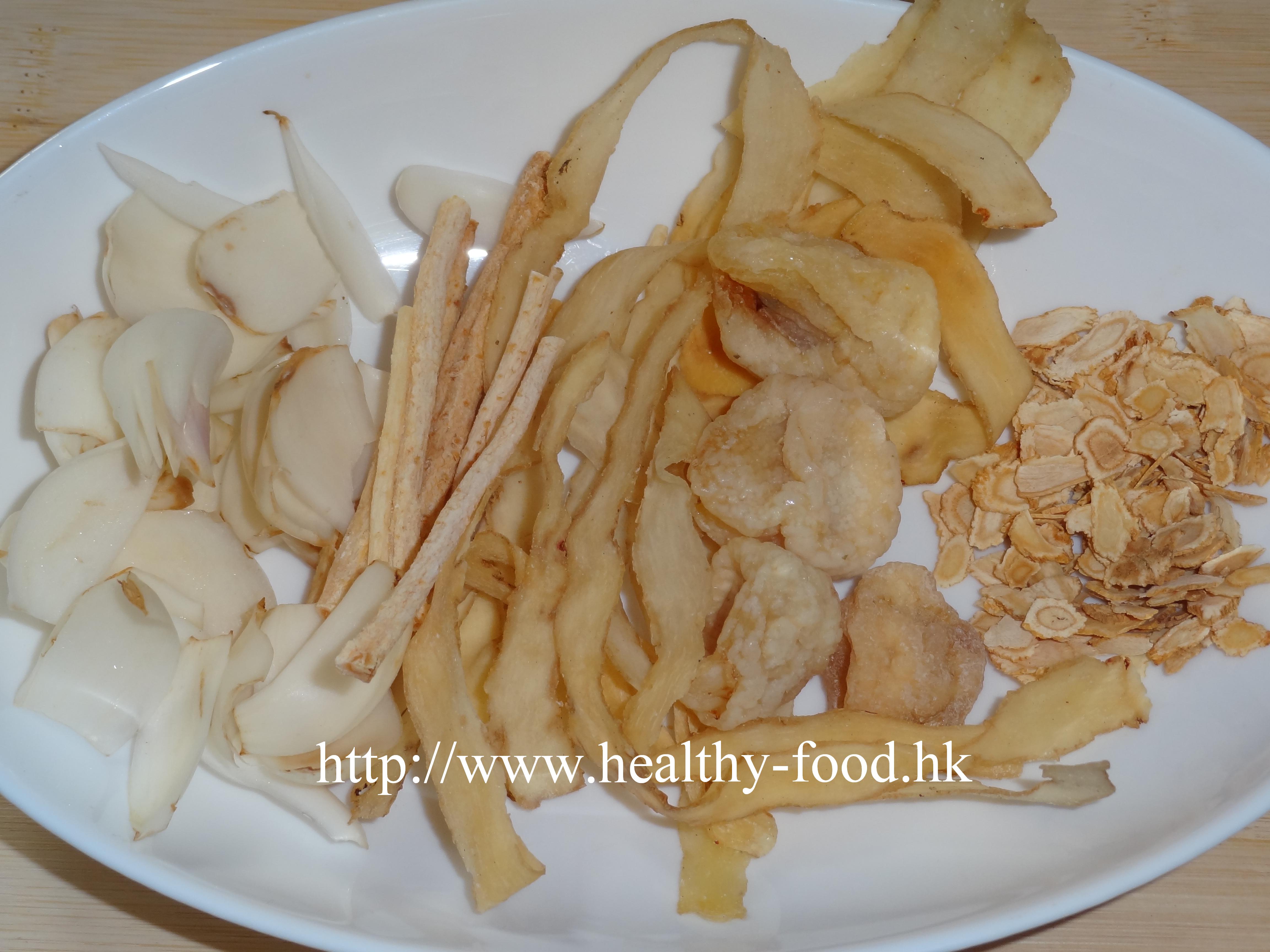
Why people make this soup
When work gets relentless, sleep becomes irregular, and the weather turns dry — the body starts showing the strain. A dry, scratchy throat that is worse at night, a thirst that water alone does not seem to quench, a sense of mild heat from within, or a persistent low-energy feeling despite sleeping: traditional Chinese food therapy labels this as “yin deficiency” — the body’s cooling, moistening reserves running low. This soup was a go-to for Bro Niu during a particularly busy stretch of his own life, and it addresses that feeling head-on. American ginseng is the star of the show: unlike the warming ginsengs from Asia, American ginseng is cooling in nature, which makes it perfect for supplementing qi while simultaneously supporting yin and fluid production.
Together with Adenophora (which moistens the lungs and throat), Solomon’s Seal (which nourishes the stomach and skin), lily bulb (calming and lung-supporting), and figs (gently lubricating and sweet), this is a soup that soothes from the inside out.
Who it suits / who should be cautious
- Suitable for most of the family — adults, children (in moderation), and the elderly
- Particularly helpful during autumn when dry weather depletes body fluids
- Those with chronic dry throat, post-illness dry cough, or a tendency toward low-grade heat sensations will find it most relevant
- Do not drink during active colds or flu with fever — this soup would not be appropriate when the body is fighting an external pathogen
- Can be drunk during menstruation with no concern
- For those with cold hands and feet: add astragalus (bei qi) and cinnamon twig (gui zhi) each 3 qian to make it more warming without losing its moistening quality
Why these ingredients (the food-therapy logic)
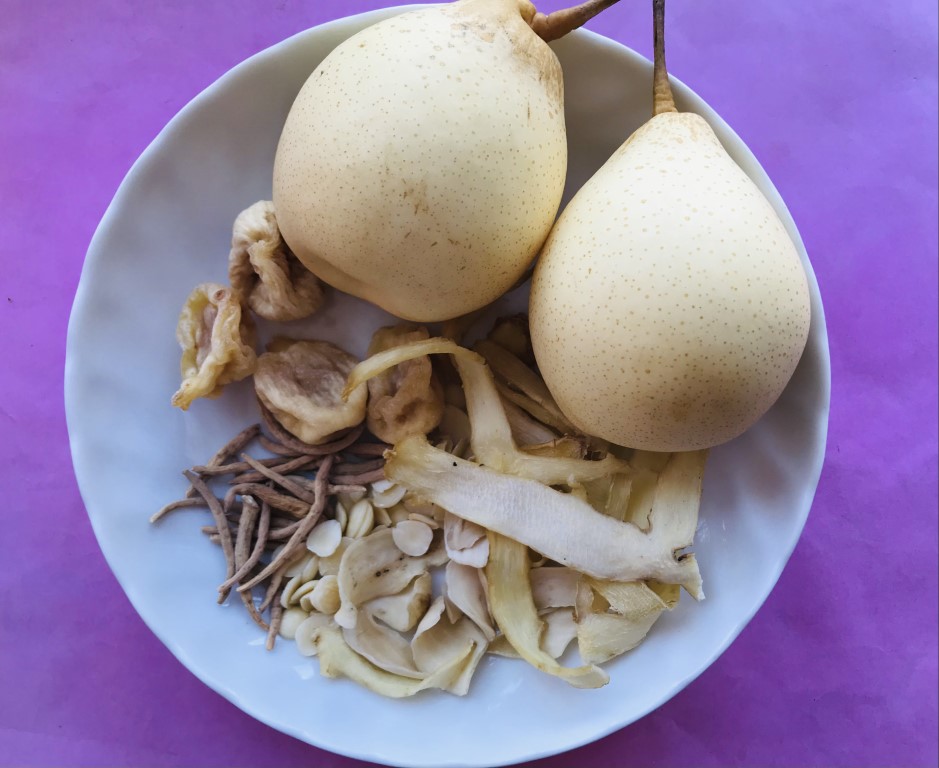
- American ginseng (hua qi shen): Uniquely cooling among ginsengs; associated with boosting qi and generating body fluids simultaneously; considered appropriate for those who “run warm” or who develop heat symptoms when taking other ginsengs — it is added last to preserve its more delicate properties
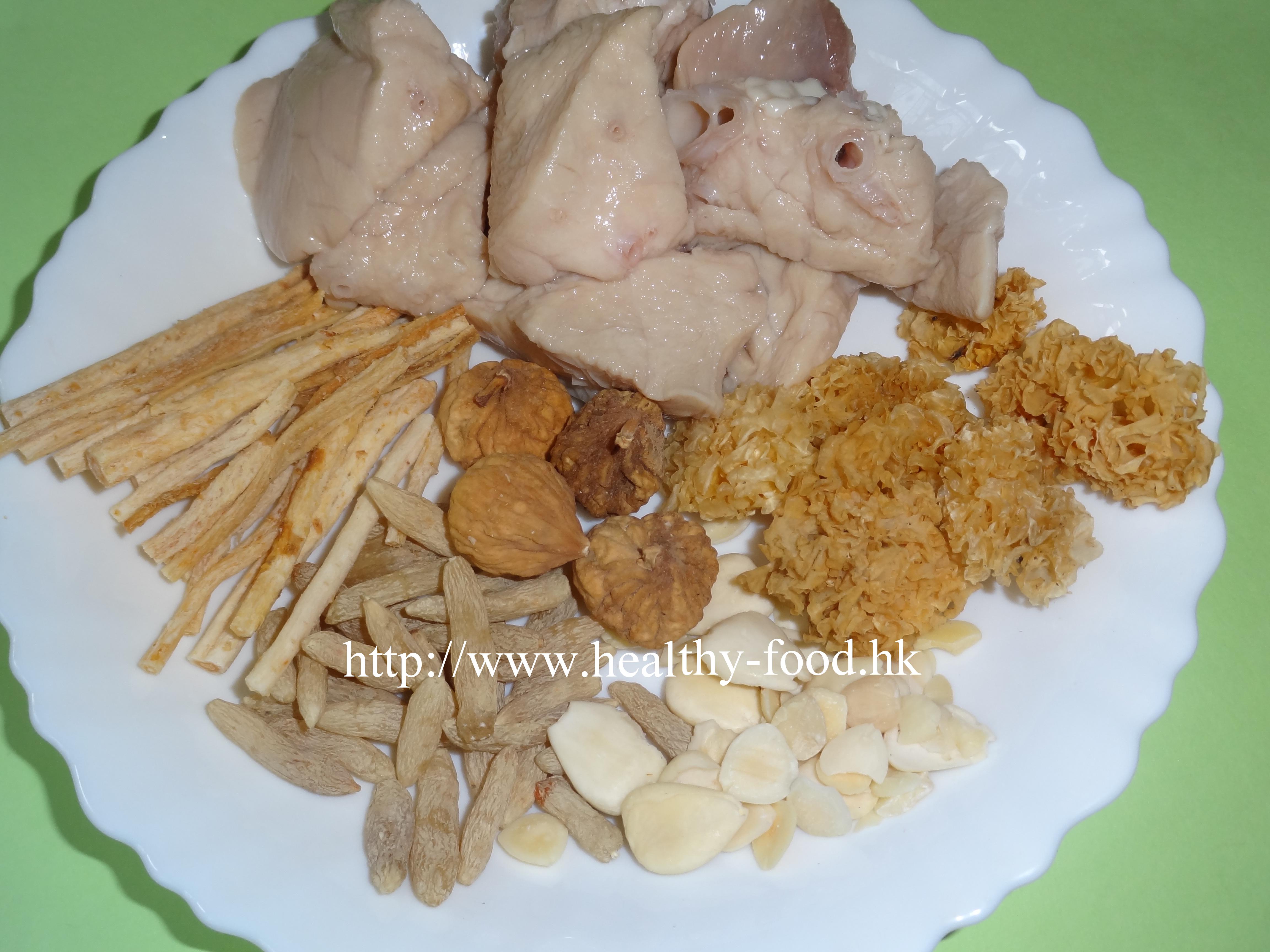
- Adenophora / North glehnia (sha shen / bei sha shen): Sweet and slightly cool; closely associated with moistening the lungs and throat, and clearing residual dryness after illness
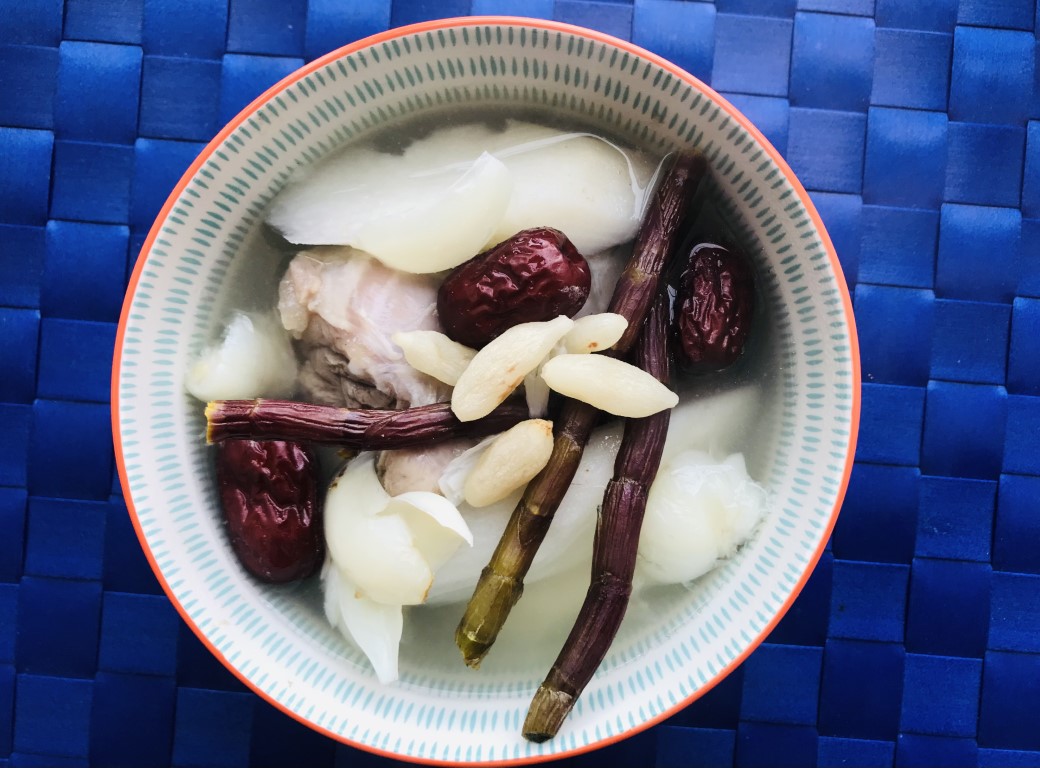
- Solomon’s Seal rhizome (yu zhu): Sweet and neutral; traditionally used to nourish stomach yin and moisten the skin; also supports the lungs; soak before use as some batches may have been treated with sulfur
- Fresh lily bulb (xian bai he): Sweet and slightly cooling; calming to the heart and lungs, helpful for mild anxiety and dry cough; fresh is soft and fragrant, but dried works equally well
- Dried figs (wu hua guo): Gentle, naturally sweet, and moistening to the throat and digestive tract
Ingredients (3 bowls)
| Ingredient | Amount | Notes |
|---|---|---|
| American ginseng slices | 3 qian (~11 g) | Add in the last 5 minutes of cooking |
| Adenophora root | 5 qian (~19 g) | Rinse; soak 20 min if a sulfur smell is detected |
| Solomon’s Seal rhizome | 4 qian (~15 g) | Rinse; soak 20–30 min, discard soaking water |
| Fresh lily bulb | 2 liang (~75 g) | Or 1 liang dried; separate petals and rinse |
| Dried figs | 4 pieces | Rinse and slice |
| Water | 6 bowls |
Method
- Rinse Adenophora, Solomon’s Seal, lily bulb (if dried), and figs. If using dried herbs, soak for 20–30 minutes and discard soaking water to remove any residual sulfur. If using fresh lily bulb, simply rinse the separated petals.
- Place Adenophora, Solomon’s Seal, fresh or dried lily bulb, and figs into a pot with 6 bowls of water.
- Bring to a boil, then reduce to a gentle simmer. Cook for approximately 1 hour, until reduced to about 3 bowls.
- Add the American ginseng slices in the final 5 minutes of cooking. Do not add them too early, as prolonged heat diminishes their more delicate properties.
- Turn off heat and allow to steep for another 2–3 minutes.
- Serve as a sweet broth (add a little rock sugar if desired) or as a savory soup by cooking with lean pork from the start.
Bro Niu’s tips
One practical tip from Bro Niu: Solomon’s Seal (yu zhu) and Adenophora are among the herbs most likely to have been treated with sulfur to prevent insect damage during storage. If you notice an acidic or sour smell, soak them in several changes of water for a full hour before cooking. Even better, seek out sulfur-free (wu liu huang) varieties at reputable herb shops, or ask for sea Solomon’s Seal (hai yu zhu) which does not have the sulfur problem. This soup is a good staple to rotate through your family’s kitchen two to three times a week when the weather is dry — children can drink a small amount (half a bowl) a couple of times a week.
Community questions answered (selected)
-
Q (anonymous): How many times per week should I drink this to see results? Can drinking it long-term make my body too cold? Bro Niu: Three doses per week for two weeks — if you see improvement, you can stop. This soup is mildly cooling, but it is designed for people whose body fluids are insufficient, so for that purpose it is appropriate. If you feel it is too cooling after a few weeks, simply reduce to twice a week or add a warming herb like astragalus.
-
Q (carmen): I just finished chemotherapy — is this soup appropriate for me? Bro Niu: Yes, after chemotherapy this soup is suitable. You can add 3 qian of royal sun mushroom (ji song rong / Agaricus blazei) to the pot as well — it has traditionally been associated with supporting immune function.
-
Q (Day): Does this soup suit someone with cold hands and feet? Bro Niu: For cold hands and feet, you can add bei qi (astragalus) and gui zhi (cinnamon twig) each 3 qian to the same pot. That makes it more warming without losing the moistening benefit.
Published September 16, 2012 · Adapted and translated for Nourilo from a traditional home-kitchen recipe. Approx. 5 min read.