Soups
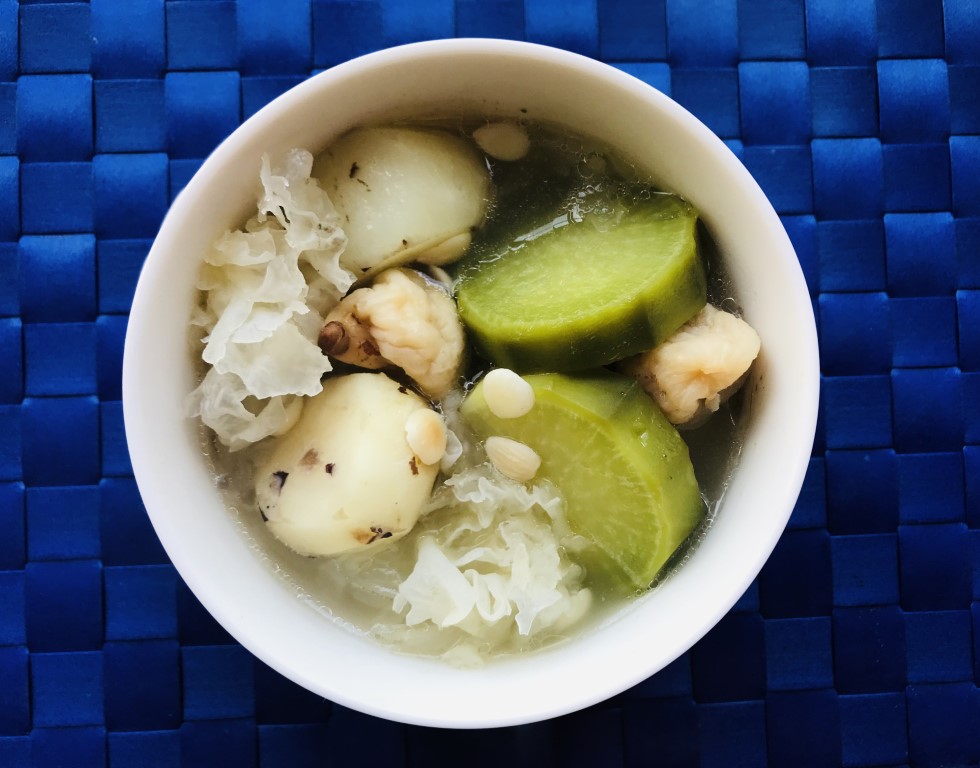
Glehnia Root, Ophiopogon, Snow Fungus, Almond and Pig Lung Soup
Traditionally associated with nourishing the lungs, moistening dryness, calming chronic cough, and supporting recovery from respiratory illness
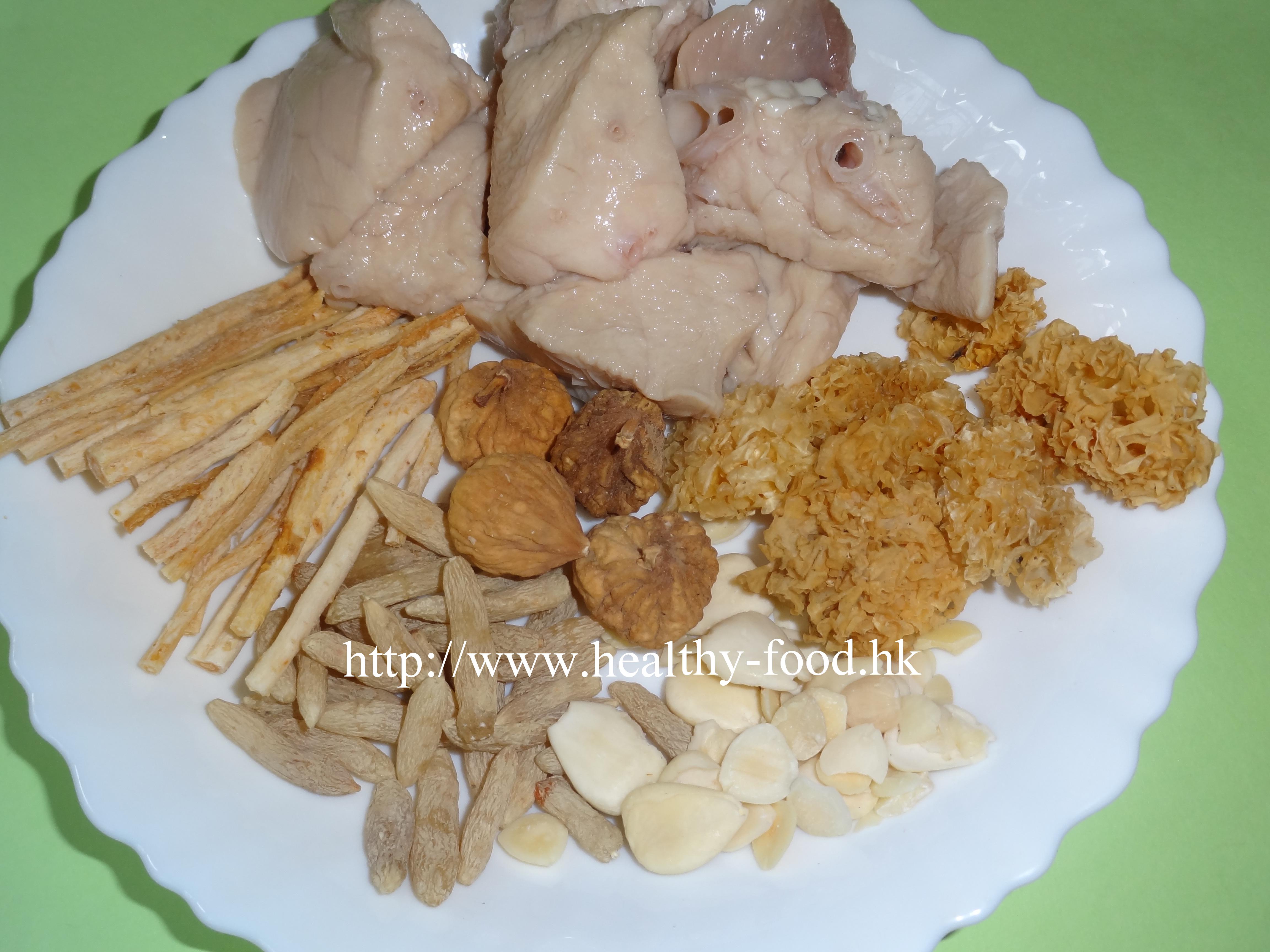
Why people make this soup
Whether it is a lingering bronchitis, a cough left over after a respiratory illness, tuberculosis, or emphysema — when the lungs have been under strain for a long time, Chinese food therapy points toward a specific approach: nourish the yin, moisten the dryness, and restore what was depleted. Bro Niu found a beautifully cleaned pig lung at the market one day and used it as the centrepiece for this soup, pairing it with the classic Cantonese lung-nourishing combination of glehnia root, ophiopogon, and snow fungus. The result is a gentle, subtly sweet soup with a comforting quality — the kind of soup that feels genuinely restorative after a period of respiratory struggle.
Who it suits / who should be cautious
- Particularly well suited for people with a lingering dry cough, scant phlegm, dry throat, mild flushed cheeks, night sweating, or a sensation of breathlessness after prolonged respiratory illness
- Also beneficial for people with chronic bronchitis, post-tuberculosis recovery, or emphysema
- Suitable for the whole family as a gentle wellness soup
- If your cough currently has thick yellow phlegm, start with a clearing approach first (for example, fresh houttuynia herb soup), and use this nourishing soup once the phlegm becomes clear or white
- Children without fever can drink this soup; those currently on antibiotics can also have it
Why these ingredients (the food-therapy logic)
- Glehnia root (sha shen): Gently nourishes and moistens the lungs and stomach; reduces dryness-related cough; widely used in Cantonese food therapy for the respiratory system
- Ophiopogon (mai dong / Ophiopogon japonicus): Moistens the lungs and clears residual heat; calms an irritated, dry cough; also nourishes the heart
- South and north apricot kernels (nan bei xing): South (sweet) apricot soothes and moistens; north (bitter) apricot has a mild cough-calming and mild respiratory-relaxing effect; used together they complement each other
- Snow fungus (xue er / Tremella fuciformis): Nourishes the yin and moistens the lungs; has a gelatinous, hydrating quality that supports the delicate mucous membranes of the airways
- Dried figs (wu hua guo): Gently nourishes, lubricates the airways, and adds sweetness to the broth
- Pig lung (zhu fei): In Chinese food therapy, the principle of “like nourishes like” is often applied; pig lung is traditionally used in soups for lung-related conditions; it is also high in protein and iron
Ingredients (4 bowls)
| Ingredient | Amount | Notes |
|---|---|---|
| Glehnia root (sha shen) | ~19 g (5 qian) | Rinse |
| Ophiopogon (mai dong) | ~19 g (5 qian) | Rinse |
| South and north apricot kernels (nan bei xing) | ~38 g (1 liang) total | Mix of sweet and bitter apricot |
| Snow fungus (xue er) | ~8 g (2 qian) | Soak to soften, remove tough base |
| Dried figs (wu hua guo) | 4 pieces | |
| Pig lung (zhu fei) | half a lung | See prep notes below |
| Lean pork (shou rou) | a small amount | Optional — can substitute for pig lung |
| Water | 8 bowls | Reduces to about 4 bowls |
Method
- Preparing the pig lung: cut the lung into large chunks. To clean thoroughly, fill the lung with water through the trachea opening and squeeze it out repeatedly until the water runs clear. Alternatively, rinse the pieces under running water. Blanch the cleaned pieces in boiling water for a couple of minutes, drain, and rinse again.
- Soak the snow fungus in cold water until soft (about 20 minutes). Remove and discard the tough yellow base.
- Rinse all the other dried ingredients.
- Combine all ingredients in a pot with 8 bowls of cold water.
- Bring to a boil, then reduce to a medium-low simmer.
- Cook for about 2 hours until the liquid reduces to roughly 4 bowls.
- Serve the soup and eat the cooked ingredients alongside.
Bro Niu’s tips
This is a soup suitable for regular family use, not just for those who are unwell. If pig lung is unavailable or you prefer not to use it, lean pork is a perfectly suitable substitute — the flavour will be lighter but the nourishing herbs still carry the main therapeutic intent. For people with active thick yellow phlegm, the approach is different: use fresh houttuynia herb (yu xing cao) simmered with south and north apricot kernels and a small amount of licorice root first, over several days, until the phlegm shifts from yellow to clear; then transition to this nourishing soup. Red dates: remove the pits before adding to the soup. Bro Niu recommends removing the pits to prevent any additional heat.
Community questions answered (selected)
-
Q (Cherry): My child has bronchitis and is currently on antibiotics. Can they drink this soup? Bro Niu: If the child does not have a fever, this soup is suitable. They can drink it alongside antibiotics.
-
Q (MissKo): I have been coughing for a week and the doctor said my lungs look “inflamed” (lung flower). I have yellow phlegm. Can I drink the glehnia, ophiopogon and snow fungus soup? Bro Niu: Yellow phlegm indicates active inflammation. Start first with a soup of fresh houttuynia herb (yu xing cao, 2 liang), south and north apricot kernels (1 liang), and a little licorice root, cooked in 4 bowls of water down to 2. Take this for three days. Once the phlegm shifts to white or clear, you can then move to the nourishing glehnia and ophiopogon soup — using lean pork instead of pig lung is also fine.
-
Q (anonymous): My family member has pneumonia and has been in hospital. What can be prepared for after discharge to help the lungs recover? Bro Niu: After discharge, a suitable approach is fresh houttuynia herb (yu xing cao) simmered with lean pork to help with any residual inflammation. Once stable, support lung strength with a soup of glehnia root, ophiopogon, snow fungus, lily bulb, south and north apricot kernels, and red dates cooked with lean pork — drink regularly to build lung resilience.
Published June 27, 2012 · Adapted and translated for Nourilo from a traditional home-kitchen recipe. Approx. 5 min read.