Congee & Porridge
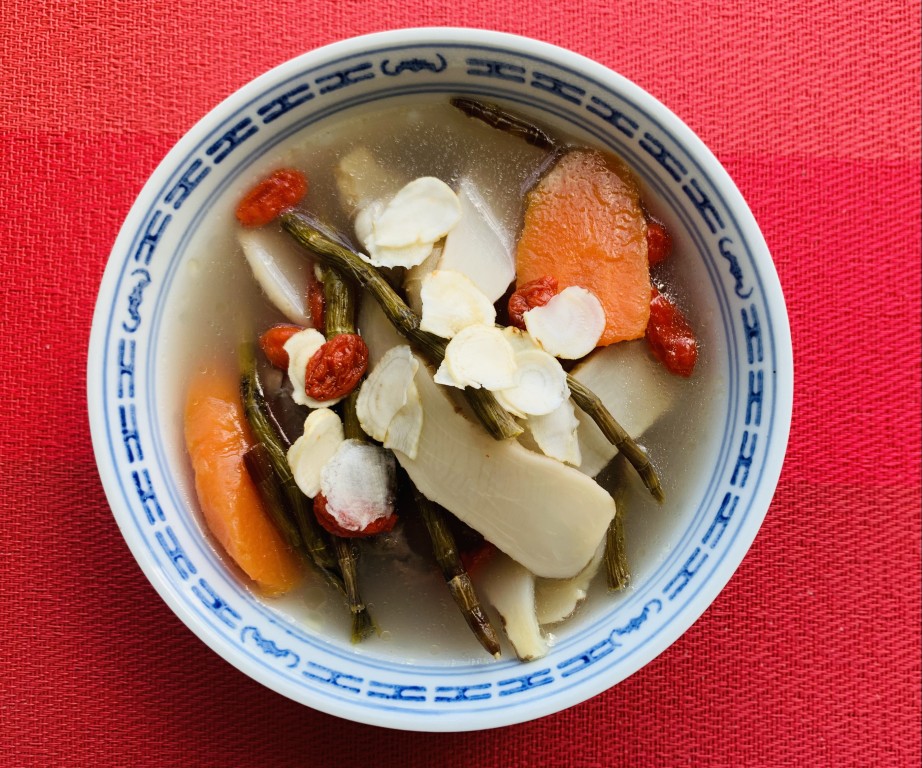
Mai Dong, Sha Shen and American Ginseng Congee
Traditionally nourishes the lungs and supports qi during seasonal nasal sensitivity
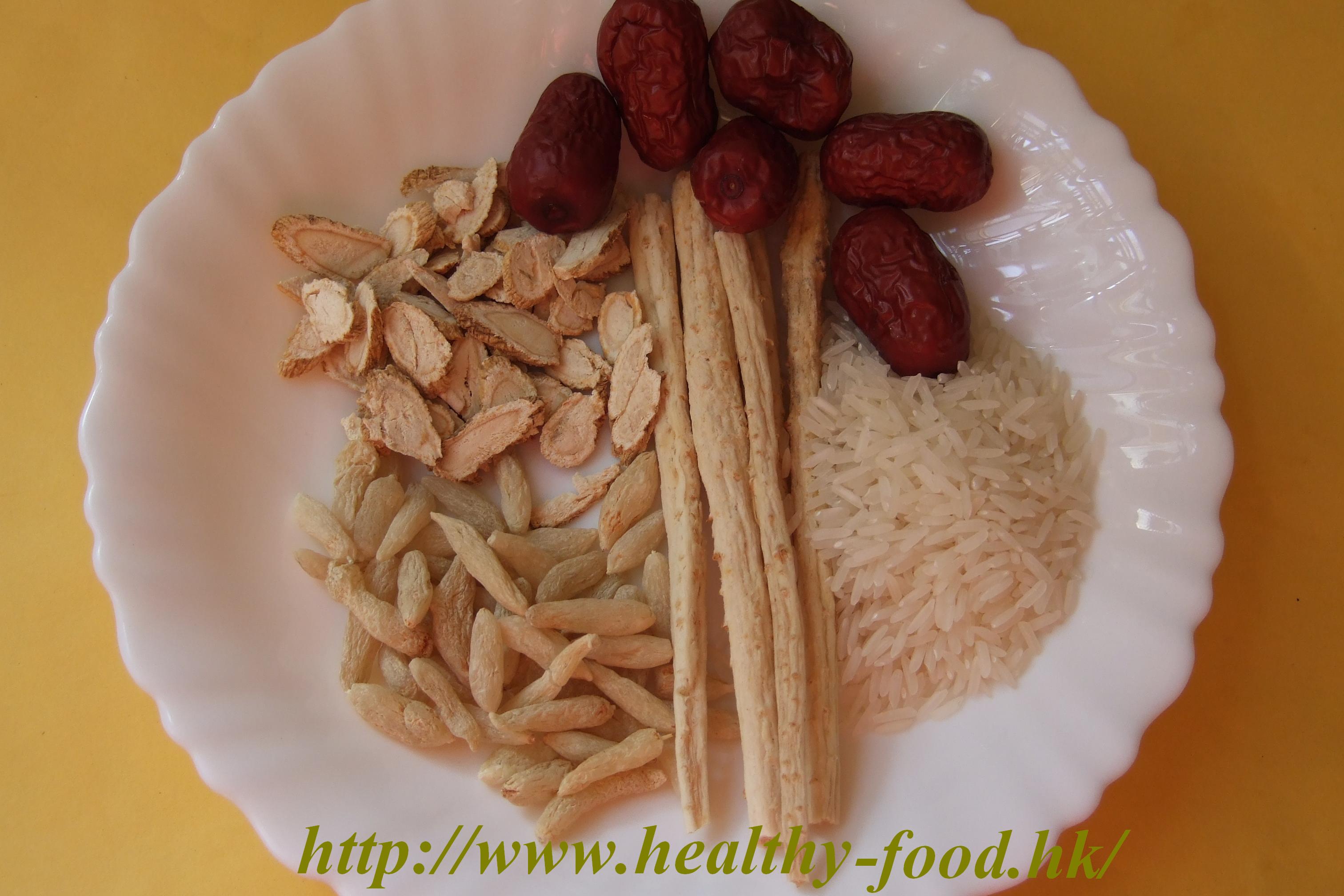
Why people make this congee
When the seasons turn, plenty of folks find their nose gets dry, stuffy and over-reactive. In traditional Chinese food therapy, allergic-type nasal symptoms are tied to the lungs, spleen and kidneys not moving qi smoothly. This congee leans on three gentle herbs to moisten the lungs and quietly support qi, and it is aimed at the warm, dry constitution rather than the cold, watery type.
Who it suits / who should be cautious
- Suits people whose constitution runs warm and dry, with a dry throat and a stuffy, irritated nose at the change of seasons; suits qi-weak and spleen-weak types.
- Not suitable during an active cold or fever. Bro Niu notes that during a cold one should not take tonifying herbs. (American ginseng is gentle, but small children should not take ginseng regularly.)
Why these ingredients (the food-therapy logic)
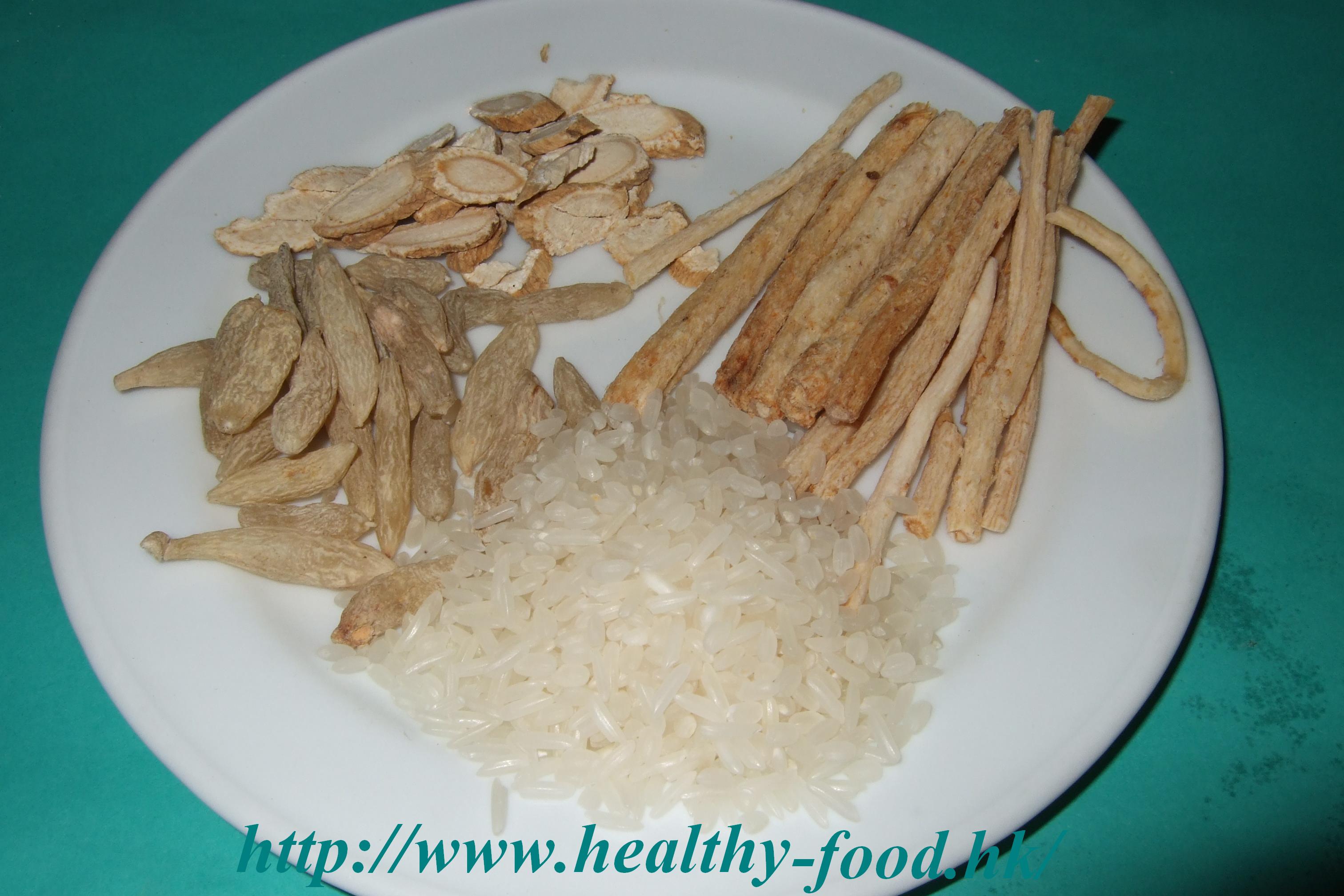
- Mai dong (dwarf lilyturf): traditionally used to moisten the lungs and soothe a dry throat.
- Sha shen (glehnia root): associated with nourishing yin and easing dryness in the airways.
- Hua qi shen (American ginseng): traditionally said to support qi while generating fluids; it contains volatile oils, so add it thinly sliced near the end.
- Hong zao (red dates): added to round out the flavour and support the spleen.
Ingredients (2–3 bowls)
| Ingredient | Amount | Notes |
|---|---|---|
| Mai dong (dwarf lilyturf) | ~11 g (3 qian) | rinse |
| Sha shen (glehnia root) | ~11 g (3 qian) | rinse |
| American ginseng (hua qi shen) | ~11 g (3 qian) | slice thin, add near the end |
| Red dates (hong zao) | 6 | |
| White rice | ~75 g (2 liang) | rinse |
Method
- Rinse all the ingredients. Set the thinly sliced American ginseng aside to add later.
- Add the rice, mai dong, sha shen and red dates to a pot with water and simmer into a moderately thick congee.
- Add the sliced American ginseng near the end and let it steep briefly so the volatile oils are kept. Eat as desired.
Bro Niu’s tips
This congee is gentle on the bronchi and the lining of the airways. If you cannot get American ginseng, you can swap in tai zi shen (about 11 g); if you have neither, add some snow fungus instead. Remember: skip it while you have a cold.
Community questions answered (selected)
- Q (Lisa): I am 30 weeks pregnant with hay-fever nasal sensitivity, dry mouth and congestion — can a pregnant woman take this mai dong, sha shen, American ginseng and red date rice congee? Can bei qi (astragalus) or dang shen replace the American ginseng? Bro Niu: You can take this mai dong two-ginseng congee; it is fine during pregnancy. Bei qi and dang shen are not suitable as substitutes for American ginseng here.
- Q (anonymous reader): In this two-ginseng congee, is the American ginseng added first or at the end? Bro Niu: You have reminded me — American ginseng contains volatile oils, so it is best sliced thin and added at the end. Thanks for the prompt.
- Q (Rita Yuen): Is it all right to leave out the sha shen? Bro Niu: Try using about 15 g of bei qi (astragalus) instead. Bei qi supports the spleen and qi and helps lift the body’s resistance.
Published November 10, 2010 · Adapted and translated for Nourilo from a traditional home-kitchen recipe. Approx. 3 min read.