Soups
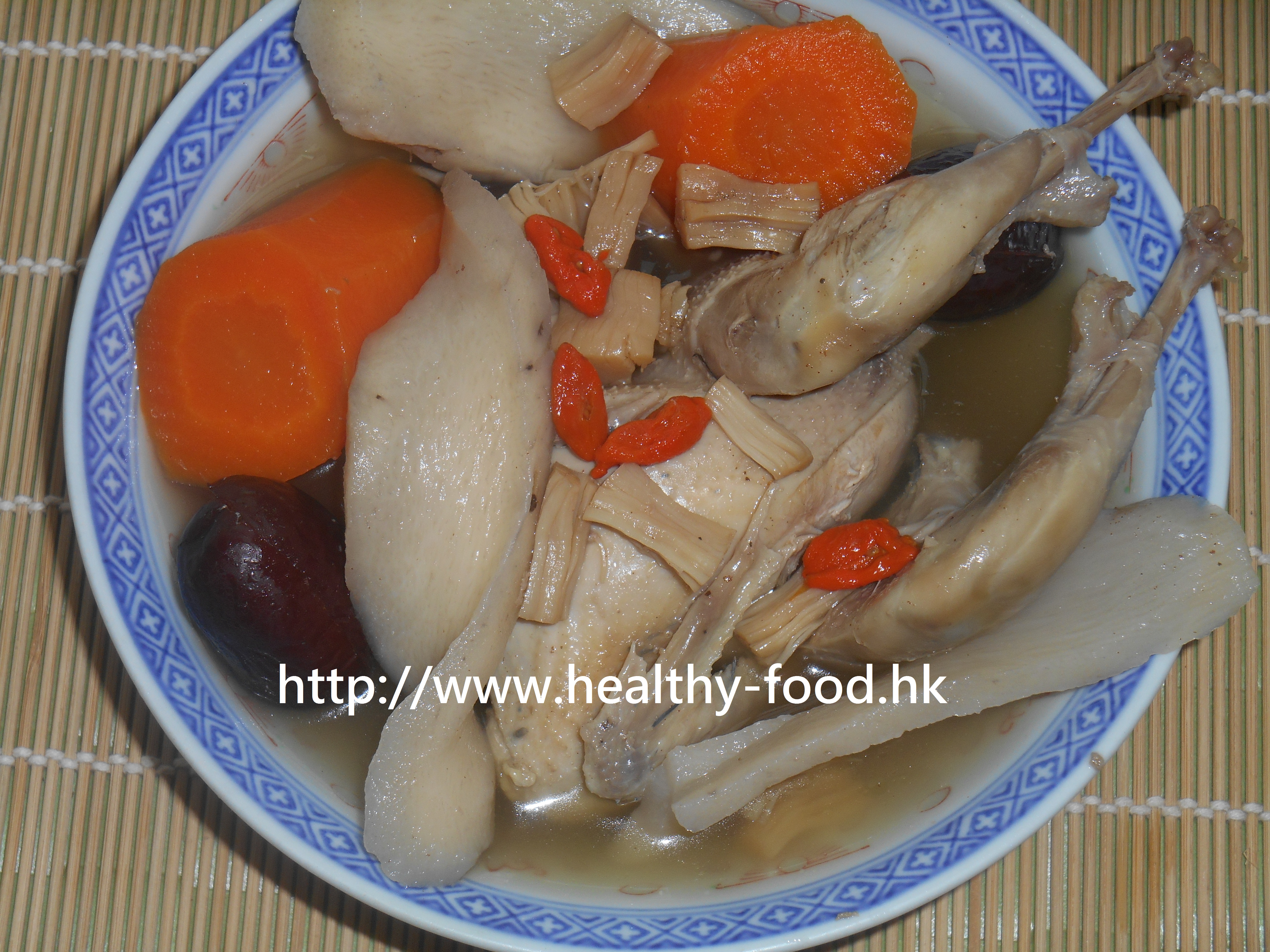
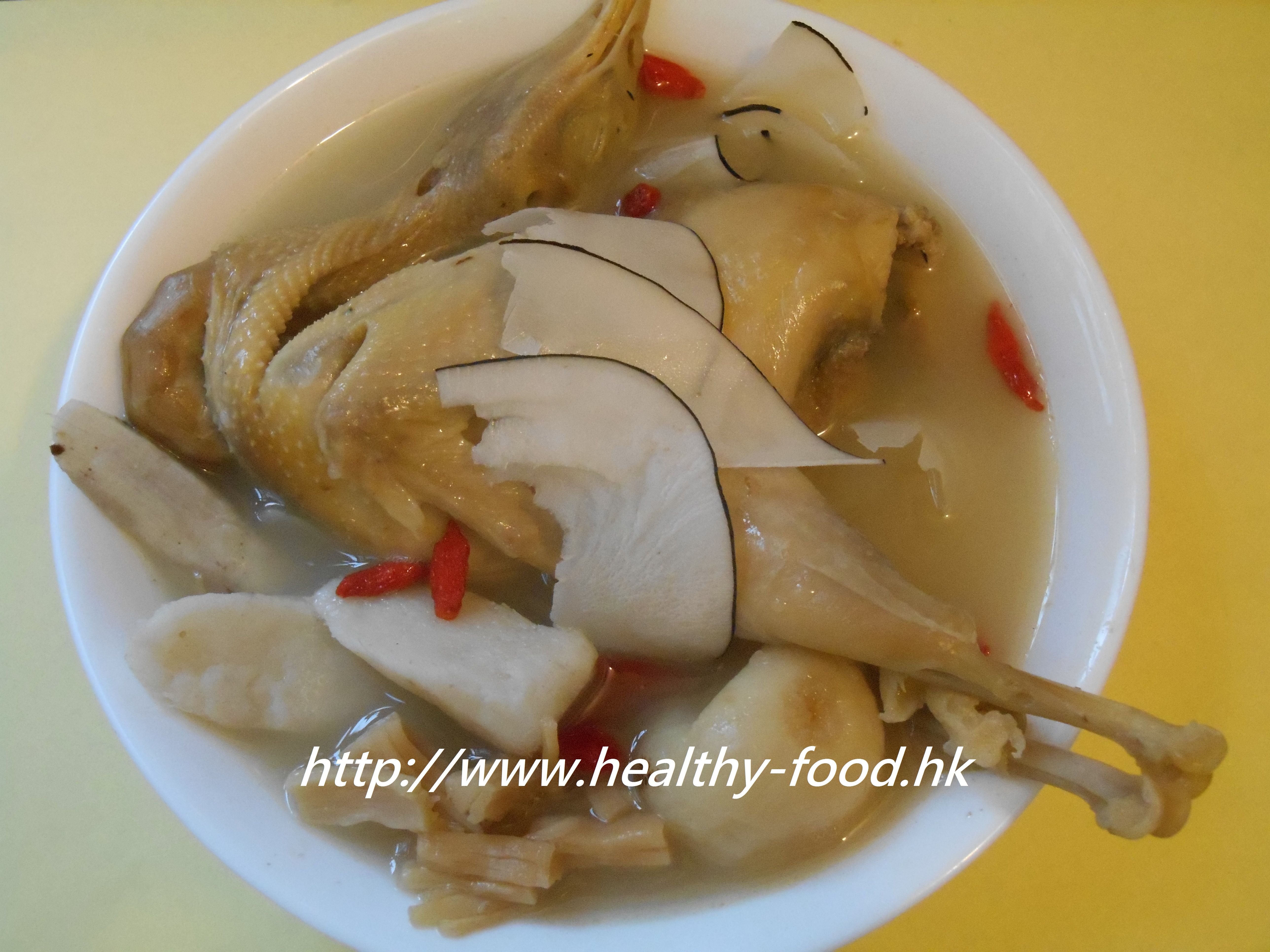
Chinese Yam, Wolfberry, African Sea Coconut and Partridge Soup (Huai Shan Qi Zi Hai Di Ye Zhe Gu Tang)
Traditionally associated with nourishing lung qi, reducing phlegm, and relieving persistent cough
Why people make this soup
Anyone who has dealt with a nagging cough that just won’t quit, or lungs that feel weak and prone to phlegm, knows how draining it can be. In Cantonese food-therapy tradition, this soup is a trusted remedy for that kind of lingering respiratory trouble. What makes it special is the African sea coconut — a rare ingredient that has become increasingly expensive precisely because it works so well. Bro Niu wants to warn you upfront: the market is flooded with imitations. The genuine article (from the Seychelles, Lodoicea maldivica) is snow-white in colour, has a visible dark brown edge, shows distinct fruit-flesh texturing, and comes in large, irregular “dog-tooth” shaped pieces. The price reflects this — genuine African sea coconut costs considerably more than the pale Southeast Asian substitutes, which are smooth-edged, lack the fruit texture, and have no meaningful phlegm-clearing effect.
Paired with Chinese yam, wolfberries, and the lean, sweet-tasting partridge, this is a soup the whole family can enjoy.
Who it suits / who should be cautious
- Well suited to those with weak lungs, frequent coughing, excess phlegm, or general low energy — children, adults, and elderly alike can drink it.
- Do not drink nourishing tonic soups like this during an active cold or flu — wait until the illness has passed before resuming.
- If partridge is not available, frozen quail or a small silkie chicken work well as substitutes.
Why these ingredients (the food-therapy logic)
- African sea coconut (fei zhou hai di ye): The genuine Seychelles variety is considered one of the most effective food-therapy ingredients for dissolving phlegm and supporting lung moisture. Bro Niu emphasises: only authentic African sea coconut has these properties — Southeast Asian imitations do not.
- Chinese yam (huai shan): A gentle tonic for the lungs, spleen, and kidneys. Traditionally used to strengthen overall constitution and aid the digestion of nutrients.
- Wolfberries / goji berries (gou qi zi): Rich in antioxidants and widely used in Chinese cooking; traditionally associated with nourishing the liver and brightening the eyes, and supportive of general vitality.
- Dried figs (wu hua guo): Mildly sweet and moistening; traditionally used to soothe the throat and add gentle sweetness to broth.
- Partridge (zhe gu): A lean, flavourful bird that is prized in Cantonese cooking as a lung-nourishing protein. It produces a clean, sweet broth.
Ingredients (3–4 bowls)
| Ingredient | Amount | Notes |
|---|---|---|
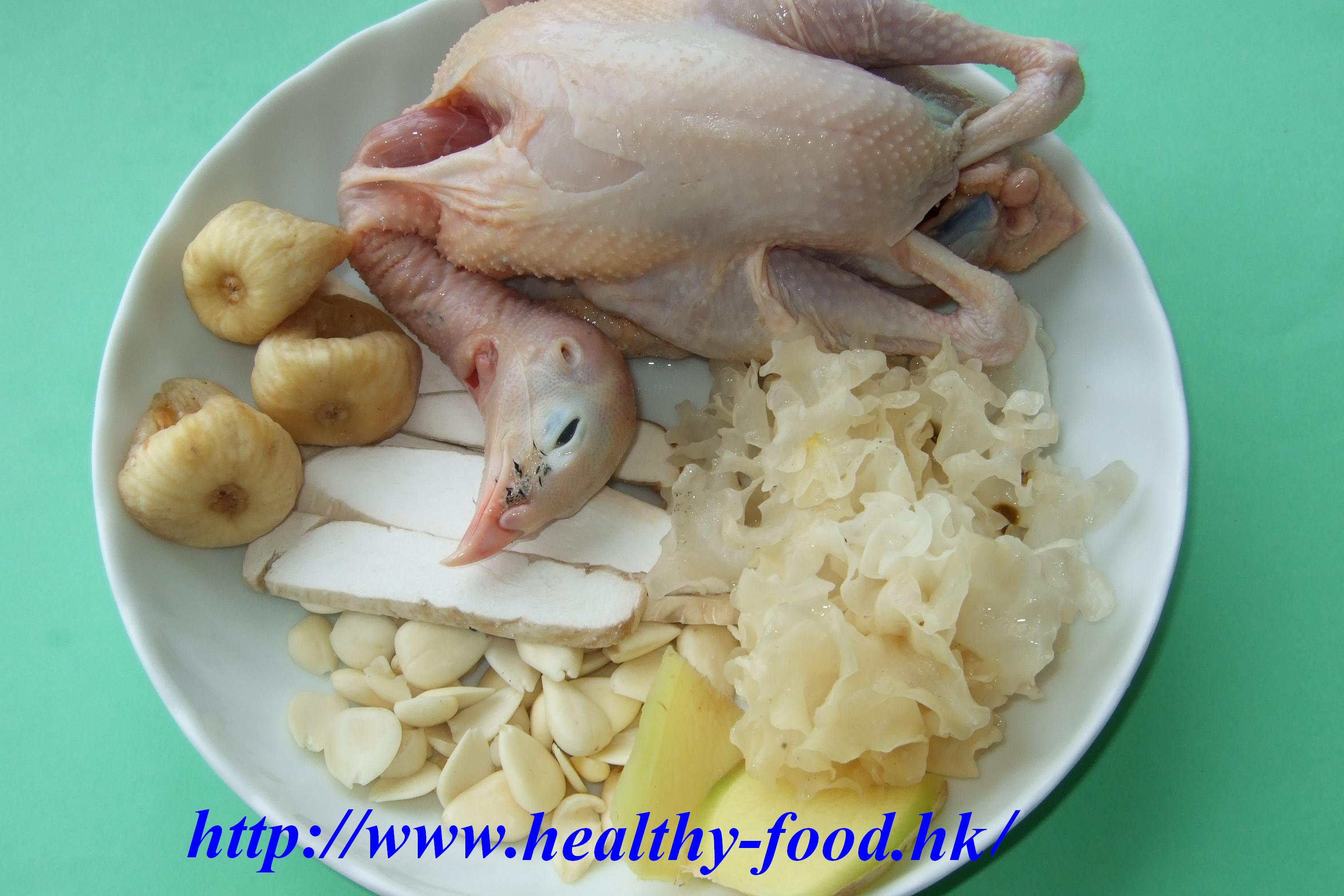
| Chinese yam (huai shan) | ~38 g (1 liang) | Dried slices |
| Wolfberries (gou qi zi) | ~11 g (3 qian) | |
| Authentic African sea coconut | ~8 g (2 qian) | Must be genuine Seychelles variety |
| Dried figs (wu hua guo) | 4 pieces | |
| Fresh ginger | 2 slices | |
| Partridge (whole) | 1 bird | Substitute: frozen quail or small silkie chicken |
| Water | ~2 litres (8 bowls) |
Method
- Soak and rinse the huai shan, gou qi zi, and African sea coconut slices briefly in cold water.
- Gut and clean the partridge thoroughly. Blanch in boiling water for 2–3 minutes to remove impurities, then drain.
- Place all ingredients into a pot with 8 bowls of water. Bring to a boil, then reduce to a gentle simmer.
- Simmer for approximately 1.5 hours (90 minutes). The soup is ready when it has turned golden and fragrant.
- Serve the soup and eat the partridge alongside — both the broth and the meat are enjoyed together.
Bro Niu’s tips
- This soup is sweet, fresh, and pleasant to drink — suitable for the whole family from young children to the elderly. Regular consumption may help build overall constitution and keep the skin moist and radiant.
- When buying African sea coconut, compare prices: authentic product runs roughly 150–175 HKD per liang (approximately 37 g), while imitation product is only 20–30 HKD per liang. The difference in appearance is clear once you know what to look for.
- If partridge is out of season or unavailable, a small silkie chicken (wu ji) is an excellent substitute.
- Adding a few dried scallops (yao zhu) to the pot will enhance the umami depth of the broth — a worthwhile addition.
Community questions answered (selected)
-
Q (Man): Can an 18-month-old baby drink African sea coconut soup? Bro Niu: Yes, young children can drink this soup. African sea coconut — also known as double coconut — is a food ingredient; its phlegm-clearing and lung-supporting properties make it a helpful addition to a child’s diet in normal amounts.
-
Q (anonymous reader): Is genuine African sea coconut suitable for all types of cough, or only dry cough and sensitive airways? Can healthy people use it to maintain lung health? Bro Niu: Genuine African sea coconut is beneficial for any type of cough. It can also be used regularly by healthy people to nourish and support the lungs even when there is no cough present.
-
Q (BangChan): Can fresh sea coconut be used as a substitute for African sea coconut? Bro Niu: What is sold as “fresh sea coconut” is actually the fruit of a Southeast Asian palm tree — it has no phlegm-clearing or cough-relieving properties. It is a completely different ingredient.
Published March 15, 2014 · Adapted and translated for Nourilo from a traditional home-kitchen recipe. Approx. 4 min read.