Home-Style Dishes
Chinese Yam, Fresh Dendrobium and Fish Maw Double-Boiled Stew
traditionally associated with nourishing yin, supporting digestion, and aiding recovery from illness or surgery
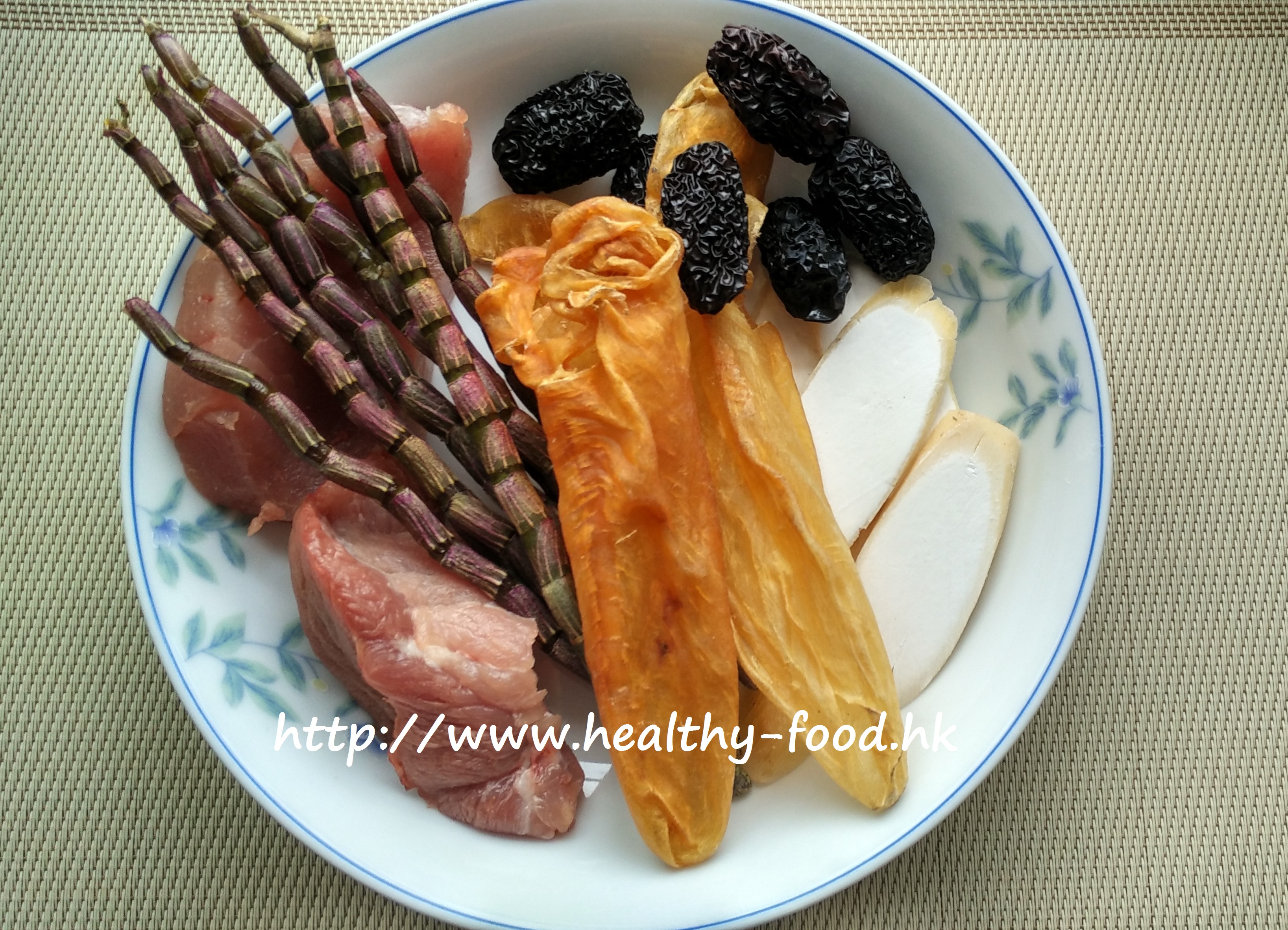
Why people make this stew
Fresh dendrobium orchid stems have a long history in Chinese food therapy and are prized for their ability to nourish yin, generate fluids and support clear eyesight. Fresh dendrobium is available at Chinese or Asian grocers and specialist herb shops. When combined with fish maw and Chinese yam in a double-boiled stew, it creates something genuinely nourishing and restorative.
This combination is traditionally considered both clearing and nourishing — neither too cooling nor too warming — which is exactly what you want around the time of surgery, when the body needs support without being taxed. Traditional food therapy associates this stew with clearing metabolic toxins, supporting the blood, helping the body adapt to the stress of surgery, and promoting wound healing from within.
Who it suits / who should be cautious
- Suitable for most adults and children, and for all general constitutions
- Traditionally recommended both before and after surgery
- Good for those who tend to have a dry mouth, mild thirst, or digestive fatigue
- Those with an active cold, fever or external illness should not take this until they recover
- Fish maw is rich and slightly heavy on digestion — do not consume too much in one sitting; small, regular portions are better
Why these ingredients (the food-therapy logic)
- Fresh dendrobium (xian shi hu): One of the most valued yin-nourishing herbs in Chinese medicine. Fresh stems are traditionally associated with clearing internal heat, generating body fluids, supporting digestion and eye health, and purifying the blood. Slightly tapping or crushing the stem before cooking helps release more of its beneficial compounds.
- Chinese yam (huai shan): Gentle, neutral and widely used. Traditionally associated with supporting the spleen and stomach, aiding nutrient absorption and building stamina.
- Fish maw (hua jiao): The dried swim bladder of large fish, rich in collagen-type proteins. Traditionally associated with nourishing the body’s vital essence, supporting recovery and promoting healthy skin and tissue.
- South red dates (nan zao): Milder and less heating than regular red dates; traditionally associated with nourishing the blood and calming the spirit.
- Lean pork: Provides readily absorbed protein and depth of flavour.
Ingredients (2–3 servings)
| Ingredient | Amount | Notes |
|---|---|---|
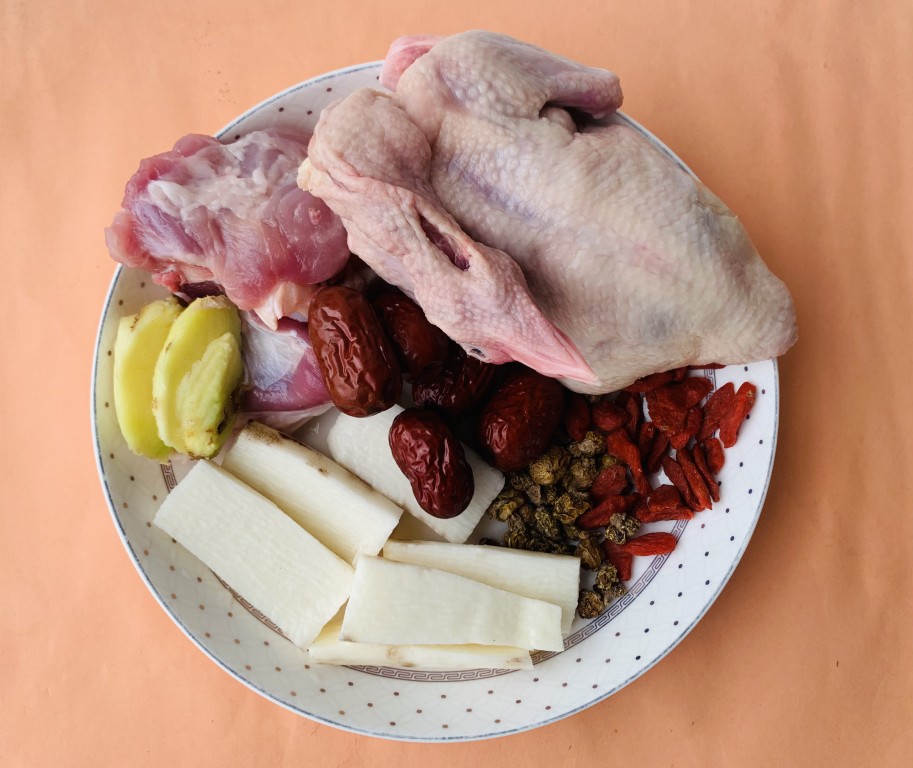
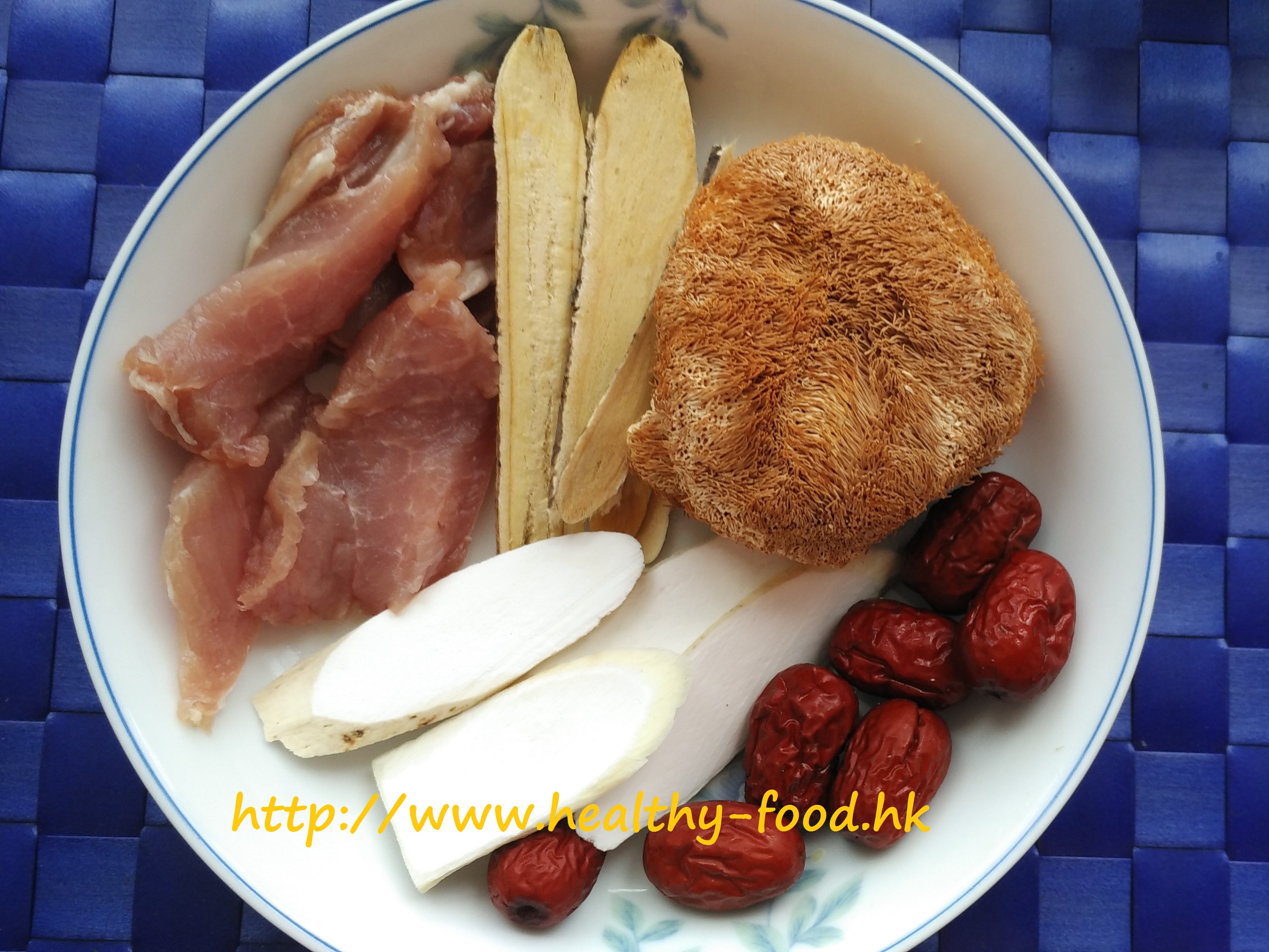
| Dried Chinese yam (huai shan) | 38 g | Soak briefly before use |
| Fresh dendrobium stems (xian shi hu) | 75 g | Rinse; lightly tap or crush to help release flavour |
| South red dates (nan zao) | 6 pieces | Or substitute 6 pitted red dates |
| Lean pork | 150–200 g | Sliced, briefly blanched |
| Rehydrated fish maw (hua jiao) | 112 g | Pre-soak to rehydrate; blanch with ginger water to remove odour |
| Water | 3 bowls (approx. 750 ml) |
Method
- Soak and rinse the Chinese yam. Rinse the fresh dendrobium stems, then lightly tap or crush them — this helps more flavour and nutrients to release during cooking.
- Slice the lean pork and briefly blanch in boiling water. Drain.
- If the fish maw is not yet soaked, rehydrate it in cold water, then blanch in ginger-infused water to remove any odour. Drain.
- Place all ingredients into a stewing pot (dun zhong). Add 3 bowls of water.
- Place the stewing pot inside a larger pot of water and double-boil for 3 hours.
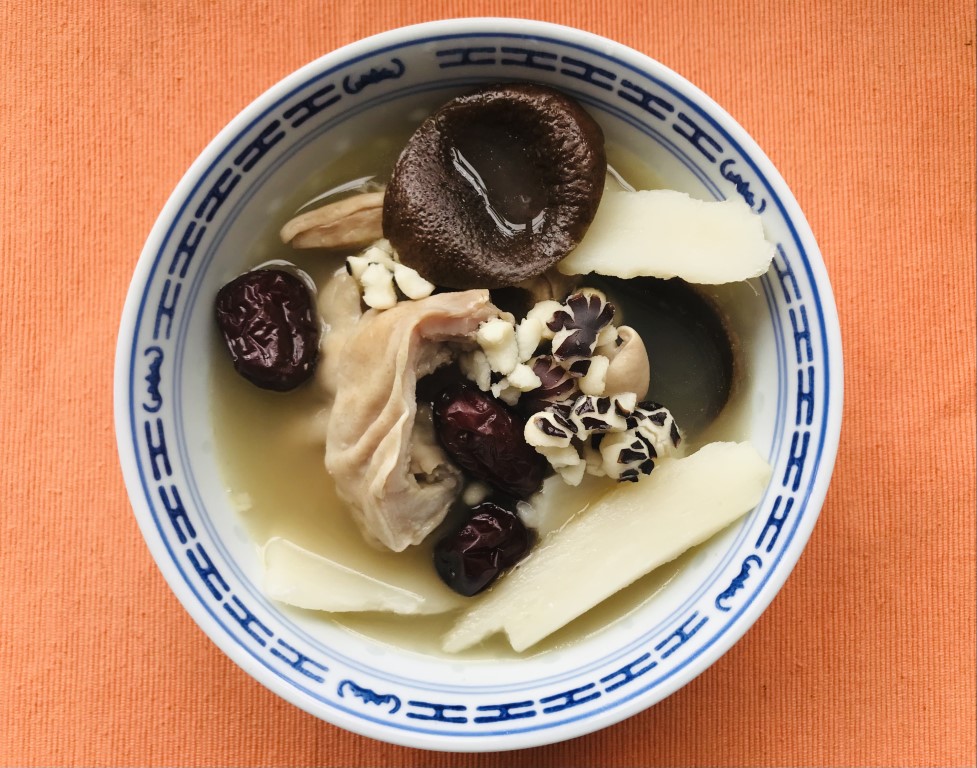
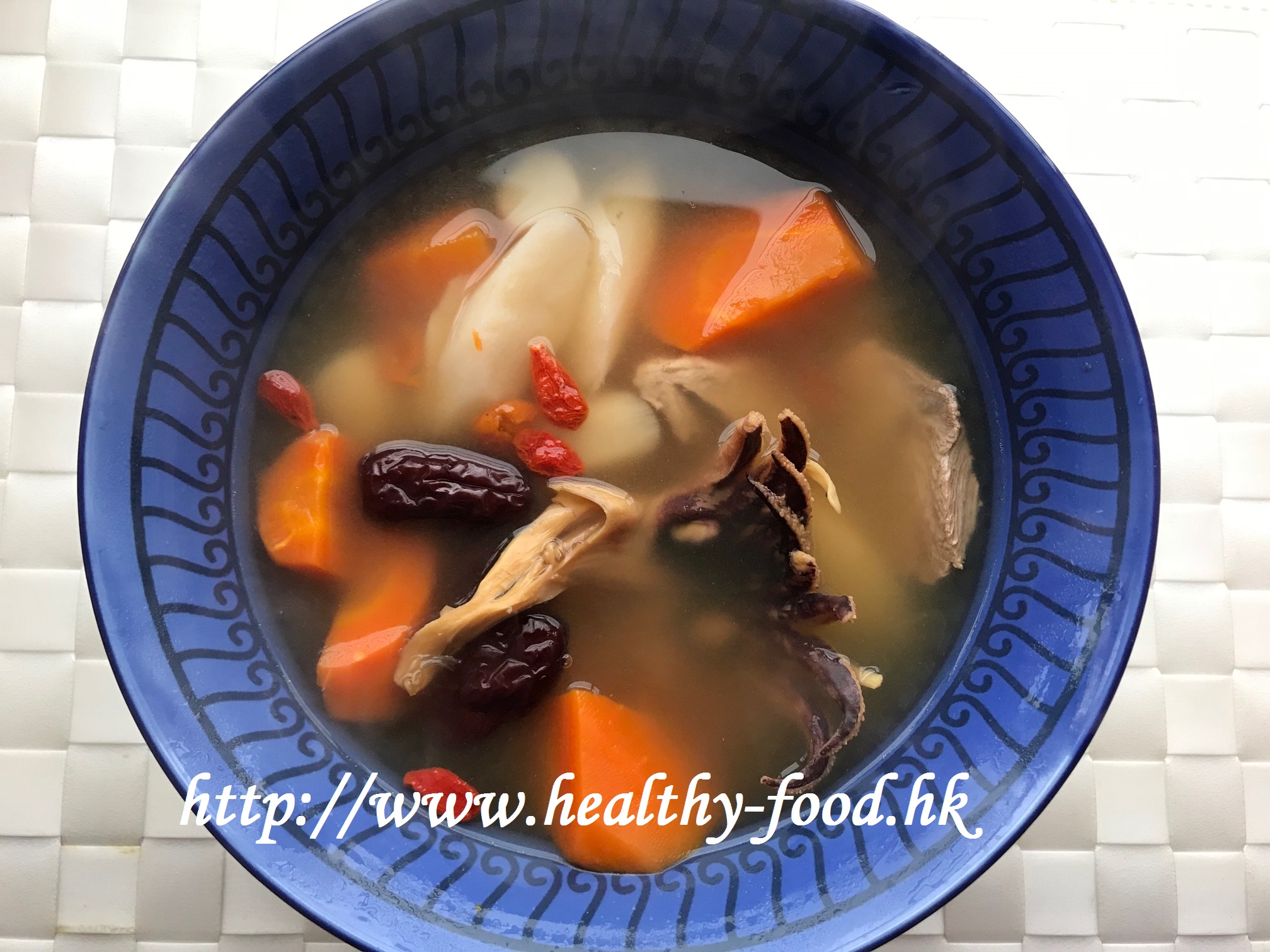
- Serve; both the broth and the ingredients are eaten.
Bro Niu’s tips
Make sure to lightly tap the dendrobium stems before cooking so that more of their goodness comes out, and enjoy eating the stems along with the broth — they have a pleasantly sticky, mildly sweet texture. This stew is neutral in temperature — neither warming nor cooling — so it is well tolerated by all ages and constitutions. Those who drink it regularly find it supports digestive comfort, metabolism and general stamina. If you cannot find south red dates (nan zao), regular red dates (pitted) work fine.
Community questions answered (selected)
-
Q (reader): My friend had a bone fracture surgery. Can she drink this stew? Should I add astragalus (bei qi) and dang gui? Bro Niu: If her wound is still painful, a soup with tian qi (notoginseng) and ji xue teng would be better; once pain has settled, this stew is suitable. You can also add bei qi 3 qian and dang gui to help recovery.
-
Q (reader): Can this stew be given to a pregnant woman in the later stages and postpartum? Bro Niu: Yes, this stew is suitable from the later stages of pregnancy and from the second week postpartum onward.
-
Q (reader): If I cannot find south red dates (nan zao), what can I use instead? Bro Niu: You can substitute with regular red dates (hong zao, pitted) or even jujube dates (ye zao). Both work well.
Published November 24, 2017 · Adapted and translated for Nourilo from a traditional home-kitchen recipe. Approx. 4 min read.