Home-Style Dishes
Stir-Fried Eel with Bean Sprouts and Three-Colour Sweet Peppers
Traditionally used to warm the stomach, strengthen tendons and bones, and support those with body fatigue or anaemia
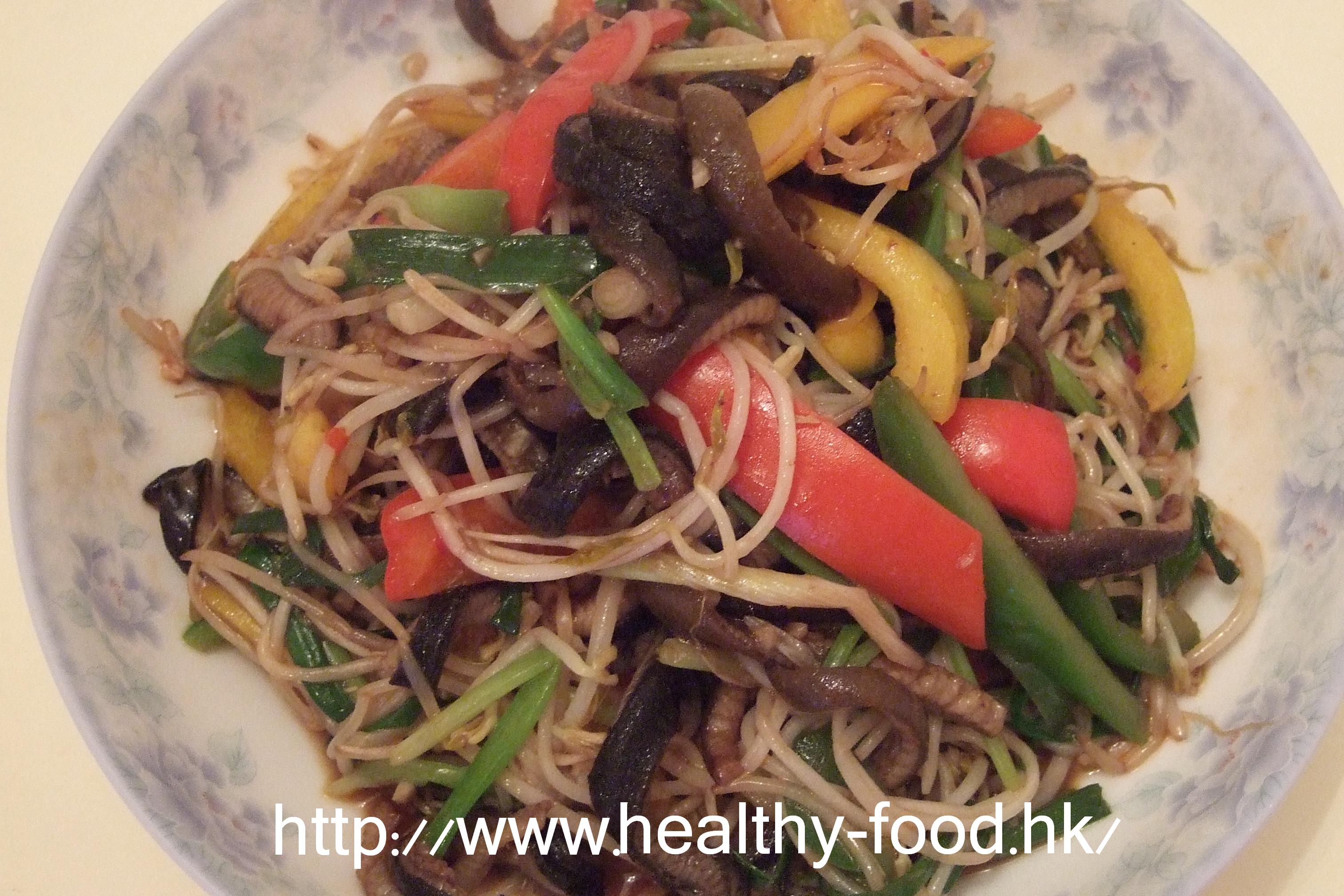
Why people make this dish
Eel (huang shan, the freshwater eel common in Cantonese cooking) has a long reputation as one of the most deeply nourishing meats available: warming, blood-building, and associated with strengthening the tendons, joints, and bones. This stir-fry pairs it with organic bean sprouts and three-colour sweet peppers — a combination that adds colour, crunch, and extra nourishment while keeping the dish light and accessible. For people who feel constantly fatigued, whose legs feel weak, or who are managing anaemia or the physical decline that can come with ageing, eel is a food worth knowing. The sweet peppers add a brightness of flavour and a generous dose of vitamin C; the bean sprouts add crunch and balance the dish.
Who it suits / who should be cautious
- Suitable for those who feel body fatigue, weakness in the legs and lower limbs, or achy and stiff joints and tendons.
- May be useful for those with mild anaemia, dizziness, or palpitations linked to blood deficiency.
- Suitable for men and women, young and old.
- People with active skin conditions (eczema, psoriasis, chronic skin rashes) should avoid eel — it is traditionally considered a food that may aggravate such conditions.
- Eel is highly blood-building but should not be eaten in excessive amounts, as it may stir up internal wind in those with predisposed conditions.
- CRITICAL: Only ever cook live eel. Once dead, the eel’s flesh rapidly produces toxic histamine compounds. Purchase live from a fish counter and have it prepared there.
Why these ingredients (the food-therapy logic)
- Fresh eel (huang shan): One of the most tonifying meats in Cantonese food tradition; warm in nature, excellent for building blood and qi. Traditionally associated with nourishing the liver and kidneys, strengthening tendons and bones, and dispelling wind-damp from the joints. Its warming nature also benefits the stomach and helps dispel cold.
- Organic bean sprouts (ya cai): Light and refreshing; supports the spleen and stomach and counterbalances the heaviness of eel. Organic bean sprouts have a fresher, crisper quality that works especially well in this dish.
- Three-colour sweet peppers: Add colour, sweetness, and a good amount of vitamin C and antioxidants. The red, yellow, and green combination makes the dish visually appealing and nutritionally well-rounded.
- Garlic and ginger: Both warm and pungent; garlic helps dispel cold and supports immune function; ginger aids circulation, warms the stomach, and neutralises any remaining fishiness from the eel.
Ingredients (2–3 servings)
| Ingredient | Amount | Notes |
|---|---|---|
| Live fresh eel (huang shan) | 450 g (12 liang) | Must be live; have fish monger clean and cut |
| Organic bean sprouts (ya cai) | 75 g (2 liang) | |
| Sweet peppers (red, yellow, green) | Half of each | Washed and cut into strips |
| Garlic, minced | To taste | |
| Fresh ginger, minced | To taste | |
| Spring onion, cut into sections | To taste | |
| Cooking wine | A splash | |
| Light soy sauce, salt, sugar, sesame oil | To taste | For seasoning |
| Cooking oil | As needed |
Method
- Have the fish monger blanch and clean the eel, then cut it into shreds (si). Rinse at home.
- Wash the sweet peppers and cut into thin strips. Rinse the bean sprouts.
- Heat oil in a wok until hot. Add minced ginger and garlic; stir-fry until fragrant.
- Add the eel shreds and stir-fry over high heat until lightly coloured and fragrant.
- Add the sweet pepper strips and bean sprouts.
- Add a splash of cooking wine, then season with light soy sauce, a pinch of salt, and a little sugar.
- Add the spring onion sections.
- Toss everything together over high heat for approximately 10 minutes in total, until the eel is cooked through and the vegetables are just tender.
- Finish with a drizzle of sesame oil. Serve immediately.
Bro Niu’s tips
- The most important rule with eel: always buy live. Dead eel is genuinely dangerous — the flesh produces toxic compounds quickly after death. This is not exaggeration.
- Eel is a powerfully blood-building food. However, eating it in excess may stir up “internal wind” (nei feng) in predisposed individuals — meaning it should be consumed a few times a week at most, not daily.
- Those with skin conditions such as eczema or chronic rashes should avoid eel entirely.
- The sweet peppers can be varied — red peppers have the highest vitamin C content.
- Organic bean sprouts are crunchier and taste fresher than non-organic; worth the small extra cost for this dish.
Published October 10, 2012 · Adapted and translated for Nourilo from a traditional home-kitchen recipe. Approx. 4 min read.