Tonic Drinks & Waters
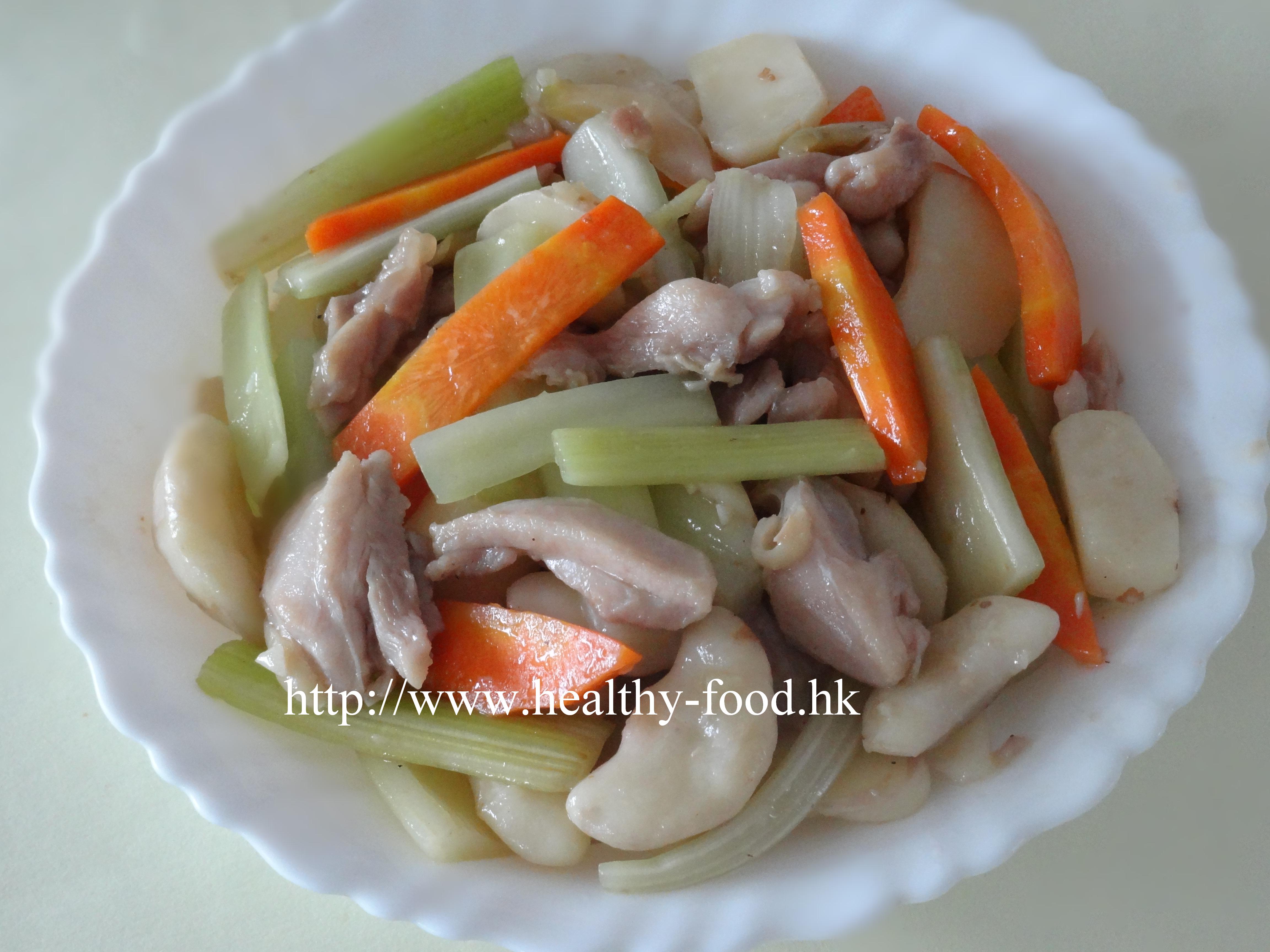
Water Bamboo with Carrot, Black Fungus and Snow Peas
traditionally supports healthy blood pressure and cholesterol levels
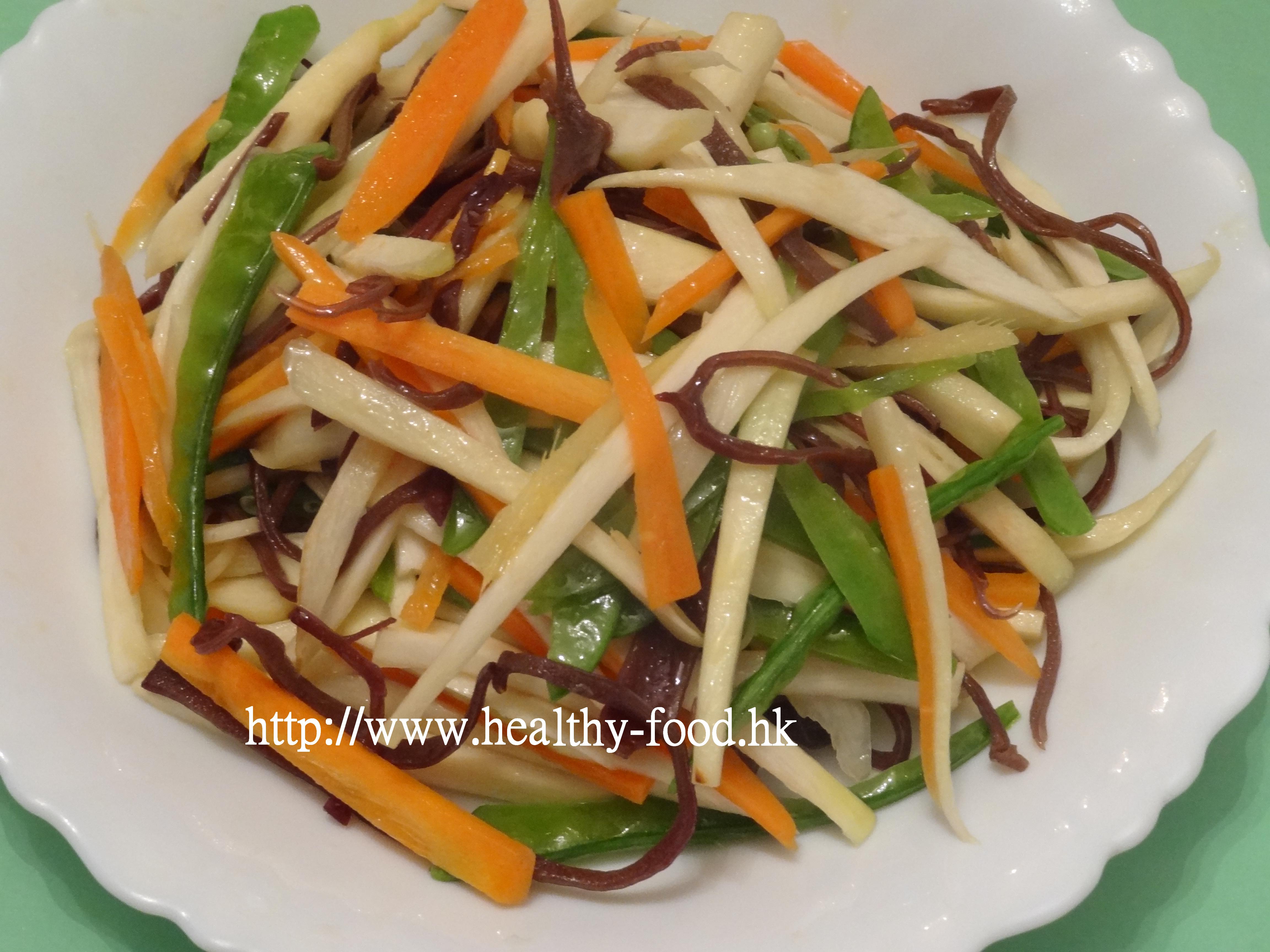
Why people make this dish
Jiao bai — water bamboo or Manchurian wild rice shoots — is a beloved vegetable in southern China, though less common in Cantonese kitchens where it has an old reputation as a “stimulating food.” Bro Niu says that reputation is worth setting aside: the tender shoots are genuinely nutritious, rich in protein, B vitamins, niacin, and easily absorbed minerals like calcium, iron, and phosphorus. Traditional Chinese food therapy describes jiao bai as sweet and cooling — it is associated with clearing heat, easing thirst, supporting healthy blood pressure, and promoting comfortable digestion. This simple stir-fry pairs it with black fungus, carrot, and snow peas for a dish that is crisp, light, and appropriate for the whole family.
Who it suits / who should be cautious
- Suits: people looking to support healthy blood pressure, cholesterol, or blood lipid levels; those who enjoy light, vegetable-forward home cooking
- Cautions: jiao bai is cooling in nature — those with a cold or deficient digestive constitution should include a generous pinch of ginger and garlic (already in this recipe); people with kidney disease or urinary tract stones should avoid large amounts, as jiao bai contains insoluble calcium oxalate
Why these ingredients (the food-therapy logic)
- Water bamboo / jiao bai (茭白): Sweet and cooling; traditionally associated with clearing heat, relieving thirst, supporting healthy blood pressure, and aiding lactation when combined with tongcao and pig’s trotter. Also contains an alcohol-cleansing compound that may help the body process alcohol.
- Black fungus (hei mu er, Auricularia auricula-judae): Often called “the blood’s street-cleaner” in Chinese food therapy; associated with supporting healthy blood viscosity, cholesterol management, and cardiovascular wellness.
- Carrot (hong luo bo): Rich in beta-carotene; traditionally considered nourishing to the liver and eyes.
- Snow peas (he dou): Light, sweet, and easy to digest; traditionally associated with supporting the spleen and stomach.
- Ginger and garlic: Warm the dish’s energy, counterbalancing the cooling nature of jiao bai; ginger is also a classic digestive aid.
Ingredients (2–3 servings as a side dish)
| Ingredient | Amount | Notes |
|---|---|---|
| Water bamboo (jiao bai) | 3 stalks | Remove green outer husks; slice into thin strips |
| Dried black fungus | Half a dried piece | Soak until soft; cut into fine strips |
| Carrot | 1 medium section | Peel; cut into fine strips |
| Snow peas | 75 g (~2.5 oz) | Remove tough string along edge; cut into strips |
| Fresh ginger, minced | 1 tsp | |
| Garlic, minced | 1 tsp | |
| Seasoning | to taste | Salt, light soy sauce, a little sesame oil |
Method
- Remove the green husks from the water bamboo and cut the white flesh into thin julienne strips. Set aside.
- Soak the dried black fungus in cold water until fully softened (30–60 minutes); trim off any tough base; cut into thin strips.
- Peel the carrot and cut into thin julienne strips.
- Remove the tough edge string from the snow peas; cut into strips.
- Heat a wok over high heat with a little oil. Add the minced ginger and garlic and stir-fry briefly until fragrant.
- Add all the vegetables and stir-fry briskly until tender-crisp and lightly aromatic.
- Season to taste, toss for a final minute, and serve immediately.
Bro Niu’s tips
The texture of water bamboo is best when it stays crisp — avoid overcooking. Because jiao bai has a cooling nature and contains calcium oxalate, always cook it with the ginger and garlic in this recipe, especially if your digestion tends to run cold. People with kidney stones or chronic kidney disease should limit how often they eat this vegetable. Note that cooking thoroughly does not fully break down the oxalate, so portion size matters.
Community questions answered (selected)
- Q (Elaine): Bro Niu, where can I buy water bamboo (jiao bai)? Bro Niu: Jiao bai is available at Chinese or Asian grocers and dried-goods stores. It is seasonal, so availability varies throughout the year — worth seeking out when you spot it.
Published April 16, 2013 · Adapted and translated for Nourilo from a traditional home-kitchen recipe. Approx. 3 min read.