Soups
Wampee Fruit and Leaf Soup
traditionally associated with supporting digestion, clearing phlegm, and seasonal wellness
Why people make this soup
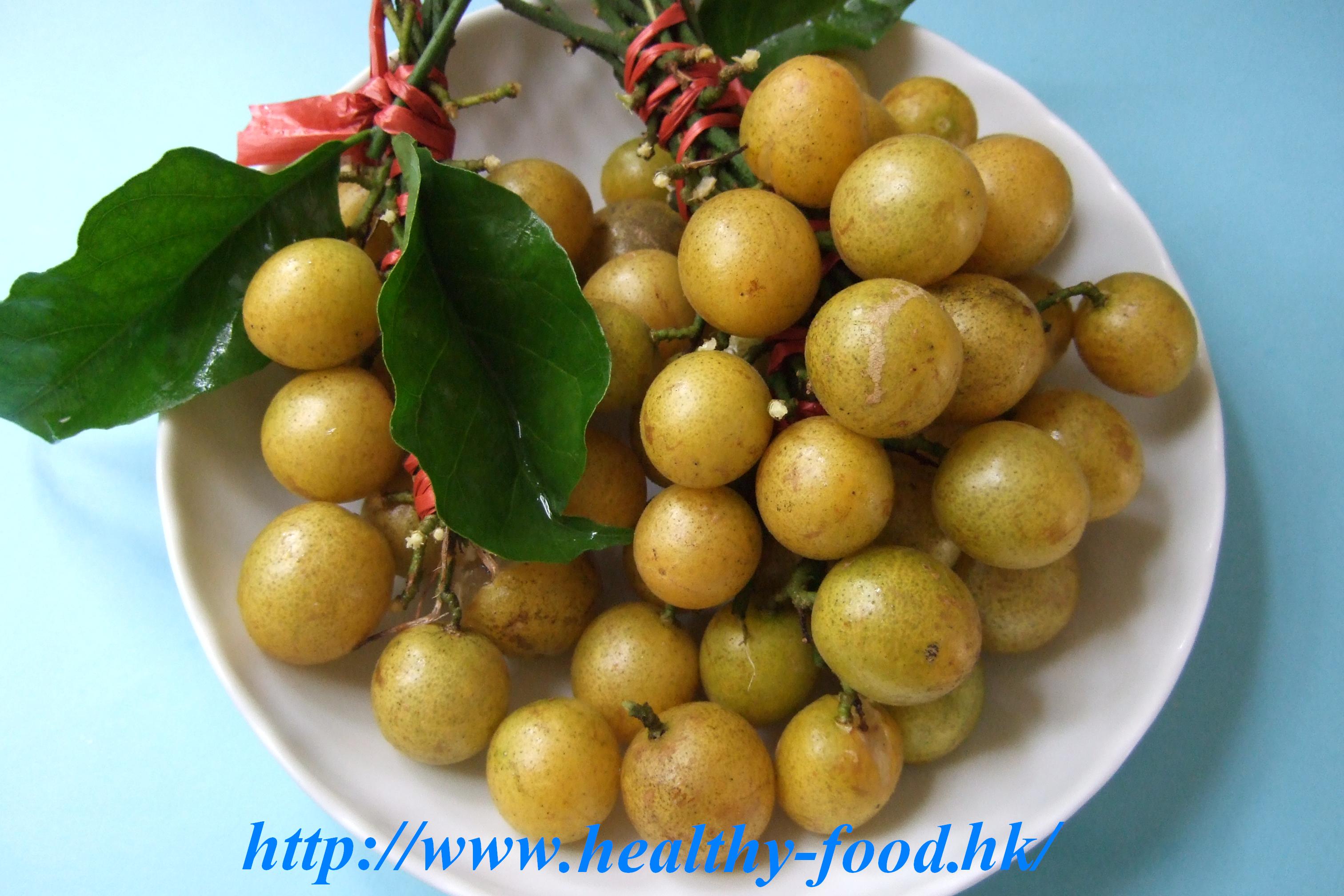
Wampee — known in Cantonese as 黄皮 (huang pi) — is a small citrus-family fruit that has been used in southern Chinese households for generations. When flu season arrives or the whole family feels a bit sluggish after heavy meals, many Cantonese grandmothers reach for both the fruit and its fragrant leaves to make a simple cleansing drink. Bro Niu has long appreciated how the leaves carry a distinctive, almost herby citrus scent that the fruit alone cannot deliver. Together they make a light, warming brew that feels both practical and comforting.
Who it suits / who should be cautious
- Suits people feeling bloated or heavy after eating, those dealing with sticky phlegm and a mild cough, and households wanting a gentle seasonal brew during cold and flu season.
- Those with a cold or fever should consult a doctor rather than relying on food-therapy drinks alone — please see a doctor if symptoms are severe or persistent.
- People with very weak, cold constitutions should drink in moderation as wampee fruit can be slightly cooling in larger quantities.
Why these ingredients (the food-therapy logic)
- Wampee fruit (huang pi / Clausena lansium): In traditional Cantonese food therapy, wampee is associated with moving stagnant qi in the stomach, helping the body process food more smoothly, and supporting the lungs during cough and phlegm conditions. The fruit is considered mildly warming.
- Wampee leaves (huang pi ye): The aromatic leaves are believed to carry similar but more potent properties than the fruit, and their fragrance is thought to help open the airways gently. They are sold at herbal stalls and flower markets and are the part of the plant that Bro Niu considers indispensable to this recipe.
Ingredients (2–3 bowls)
| Ingredient | Amount | Notes |
|---|---|---|
| Wampee fruit (huang pi) | about 20 pieces | Fresh preferred; dried may also be used |
| Wampee leaves (huang pi ye) | 10–15 fresh leaves | Fragrant variety; available at herbal stalls or flower stalls |
| Water | 4–5 bowls | Adjust to preferred strength |
Method
- Rinse the wampee fruit well under cold water. If using fresh fruit, leave whole or lightly crush to release flavour.
- Rinse the wampee leaves and tear into smaller pieces if large.
- Bring water to a boil in a pot, then add both the fruit and leaves.
- Reduce to a medium simmer and cook for about 25–30 minutes, until the liquid is fragrant and lightly coloured.
- Strain and serve warm. Drink 1–2 bowls per serving.
Bro Niu’s tips
Wampee leaves are the fragrant star of this brew — do not leave them out. You can find them at traditional herbal medicine stalls or flower markets. Fresh leaves give the best aroma, but if you can only find dried, they will still work. Drink warm rather than cold for best effect.
Community questions answered (selected)
-
Q (milk): I bought a bunch of wampee and they are quite sour. I would like to pickle them — do I leave the skin on, and how much salt should I use? Bro Niu: Rinse the wampee with cool boiled water, pat dry, then layer them in a glass jar with a thin sprinkle of coarse salt between each layer — about two layers should do. Leave the jar in a cool place. The fruit will release liquid and sit in its own brine. After about two months, they are ready. Take about 5 qian (roughly 18 g) at a time, add water, and steam — this is a traditional approach for phlegm and asthma coughs.
-
Q (shing503): My five-year-old has had a lingering cold for months and also has bad breath and a thick, slightly yellow tongue coat. Can I use wampee leaves and loquat leaves to make a drink for him? Bro Niu: The thick yellow tongue coat points to damp-heat in the spleen and stomach. For the bad breath and persistent cold, try a simple brew of half a jin of winter melon, one liang of hyacinth beans, and half a fresh lotus leaf, simmered in 5 bowls of water down to 2 bowls. Drink daily until the bad breath clears. When a cold lingers, avoid tonics — they can trap the pathogen inside. A soup of old yellow cucumber, adzuki beans, and job’s tears with lean pork is gentler and more appropriate. Because his tongue is slightly red, he may have a mild yin-deficiency tendency alongside the dampness, so focus on clearing dampness first. Please continue seeing a doctor as well.
-
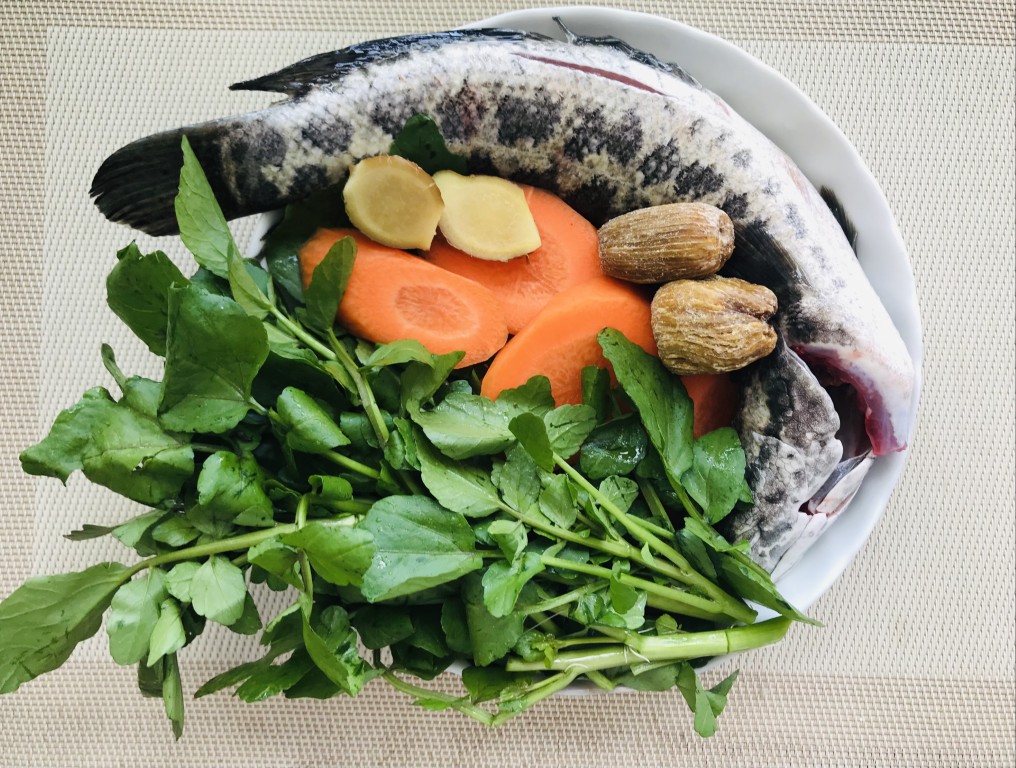
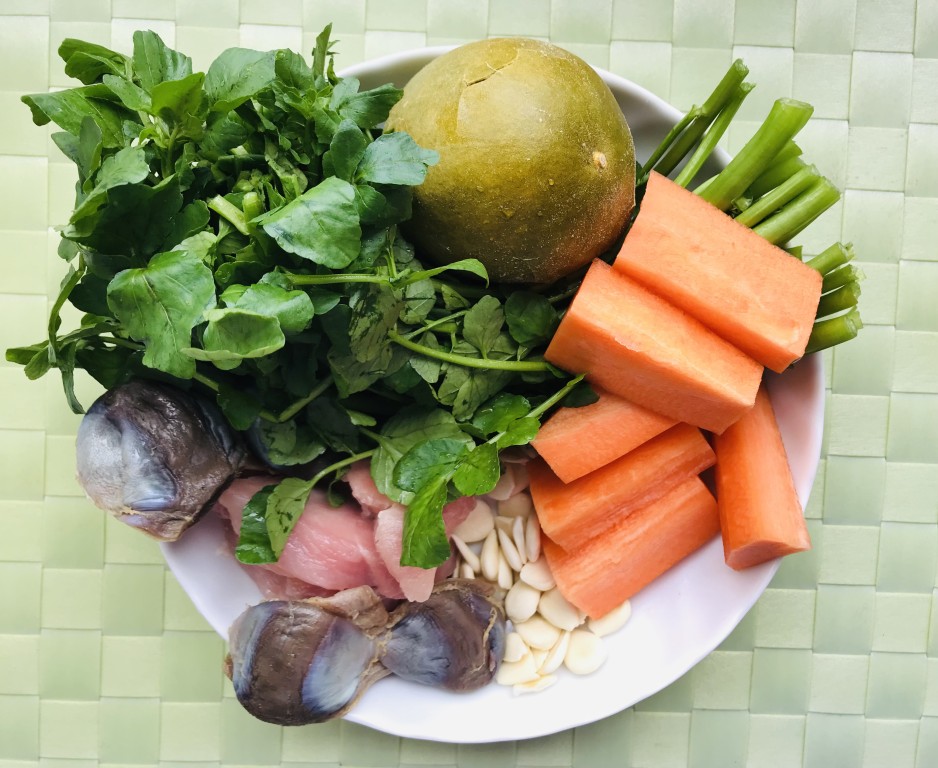
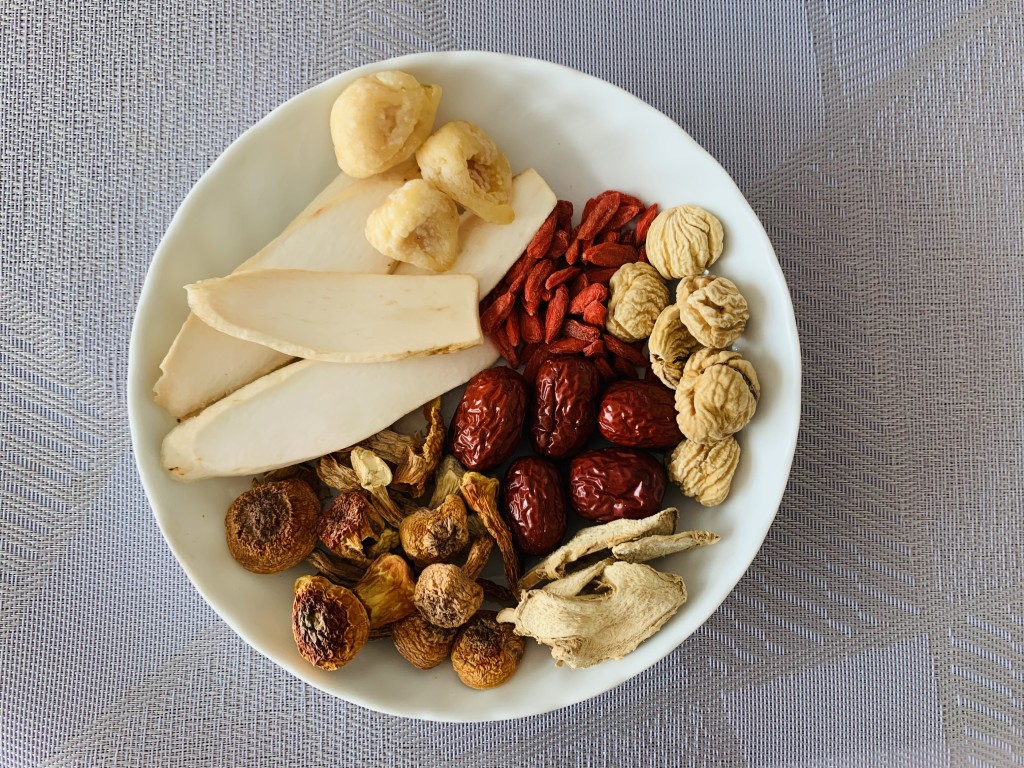
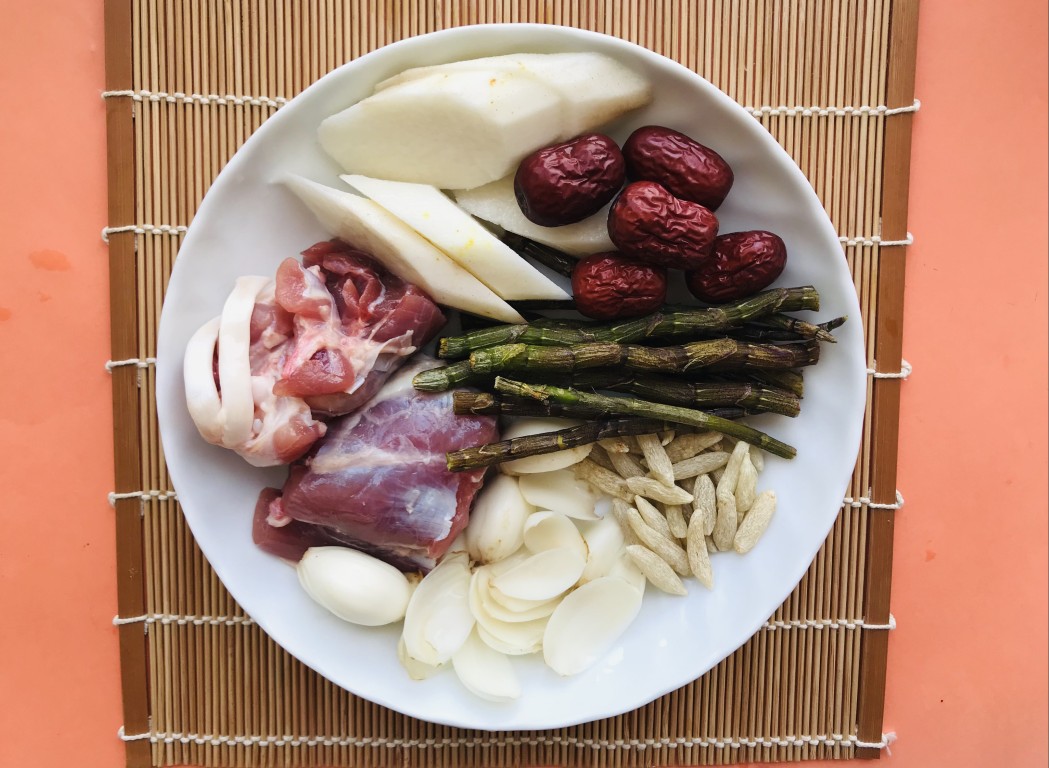
Q (jelloo): My partner works night shifts from 5 pm to 5 am and smokes. What mild soups or herbal drinks can I make for him? Bro Niu: For someone who smokes and works through the night, try rotating between watercress and snakehead fish soup, kudzu root with adzuki bean and hyacinth bean pork bone soup, or heartleaf houttuynia with job’s tears, fig, and lean pork soup. These are all mild and supportive. The houttuynia soup only needs 20 minutes of simmering; the other soups should cook for 2 to 3 hours.
Published June 15, 2010 · Adapted and translated for Nourilo from a traditional home-kitchen recipe. Approx. 4 min read.