Soups
Walnut and Polygonatum Intelligence-Nourishing Soup
traditionally used to nourish the heart and spleen and support mental clarity and calm
Why people make this broth
Managing hyperactivity and attention difficulties is a long journey, and Bro Niu has always emphasized that food therapy works best as a supportive companion alongside professional care — not a replacement. The goal here is not to “fix” a condition but to provide the body with nourishment that, in traditional Chinese thinking, is associated with calming scattered energy, supporting blood flow to the brain, and helping the heart and spleen work in better harmony.
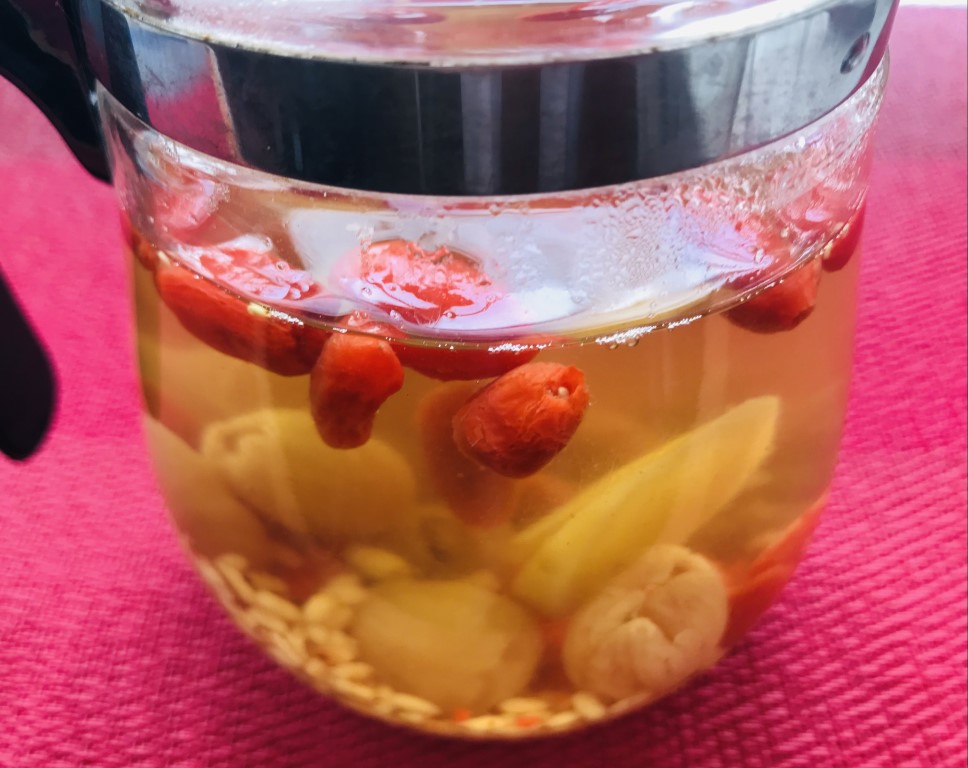
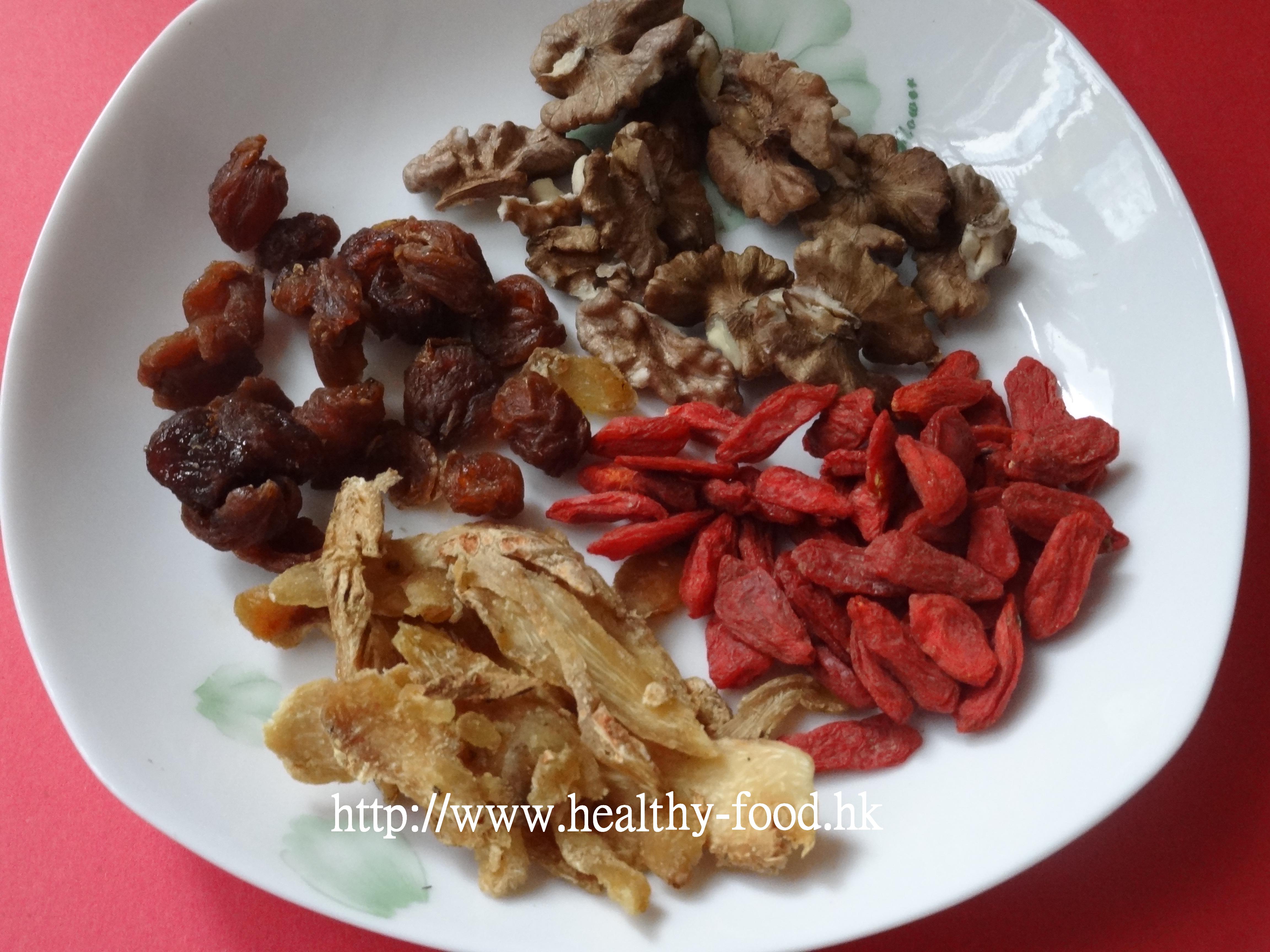
Walnuts have long been regarded in both Chinese and Western traditions as a brain-supporting food — their resemblance to the human brain is not lost on traditional herbalists. Combined with Solomon’s seal (which is gently tonifying and moistening without causing heat), longan flesh (for blood nourishment and heart calming), and goji berries (for liver and kidney support), this broth is mild, slightly sweet, and easy for children to accept. It can also be prepared as a sweet dessert by adding rock sugar.
Who it suits / who should be cautious
- Suitable for children and adults who experience scattered focus, poor memory, unsettled sleep, and a pale complexion
- Also beneficial for the elderly and anyone engaged in intensive mental work
- Not suitable when an active cold, flu, or fever is present — wait until fully recovered
- May add quail (2 birds) to the soup for a more substantial, nourishing version that supports all five organ systems
Why these ingredients (the food-therapy logic)
- Walnuts (he tao rou): Among the most widely recognized brain-nourishing foods in Chinese food therapy; also traditionally associated with warming the kidneys
- Polygonatum / Solomon’s seal (hai yu zhu): Belongs to the huangjing family; nature is sweet and neutral, not warming; traditionally associated with nourishing yin, calming the heart, and strengthening the spleen
- Longan flesh (yuan rou): Sweet and gently warming; traditionally associated with nourishing the blood and calming the heart and mind
- Goji berries (gou qi zi): Traditionally associated with supporting liver and kidney health, improving vision, and replenishing essence
Ingredients (2 bowls / 1–2 servings)
| Ingredient | Amount | Notes |
|---|---|---|
| Walnut kernels | 38 g (1 liang) | Rinse |
| Polygonatum / Solomon’s seal | 19 g (5 qian) | Rinse; mild, neutral taste |
| Longan flesh | 10 pieces | Rinse |
| Goji berries | 11 g (3 qian) | Rinse |
| Water | 5 bowls (~1 L) | Reduce to about 2 bowls |
| Rock sugar (optional) | To taste | Add at end for a dessert version |
Method
- Rinse all ingredients briefly.
- Combine in a pot with 5 bowls of water.
- Bring to a boil, then reduce heat and simmer gently for 1 hour until reduced to about 2 bowls.
- Serve the broth and encourage eating some of the solid ingredients.
- For a dessert version, add rock sugar and stir to dissolve before serving.
Bro Niu’s tips
This broth can also be cooked with 2 quail birds for a more substantial meal-style soup that nourishes all five organ systems more broadly. If your child is recovering from a cold, wait until fully well before starting. For children with ADHD tendencies, Bro Niu also suggests reducing foods with artificial colours, tomatoes, citrus fruits, and spicy condiments from the diet, as these are traditionally thought to aggravate internal heat and scatter mental energy. A small amount of coffee, interestingly, is noted in traditional texts to have a calming rather than stimulating effect in such children.
Community questions answered (selected)
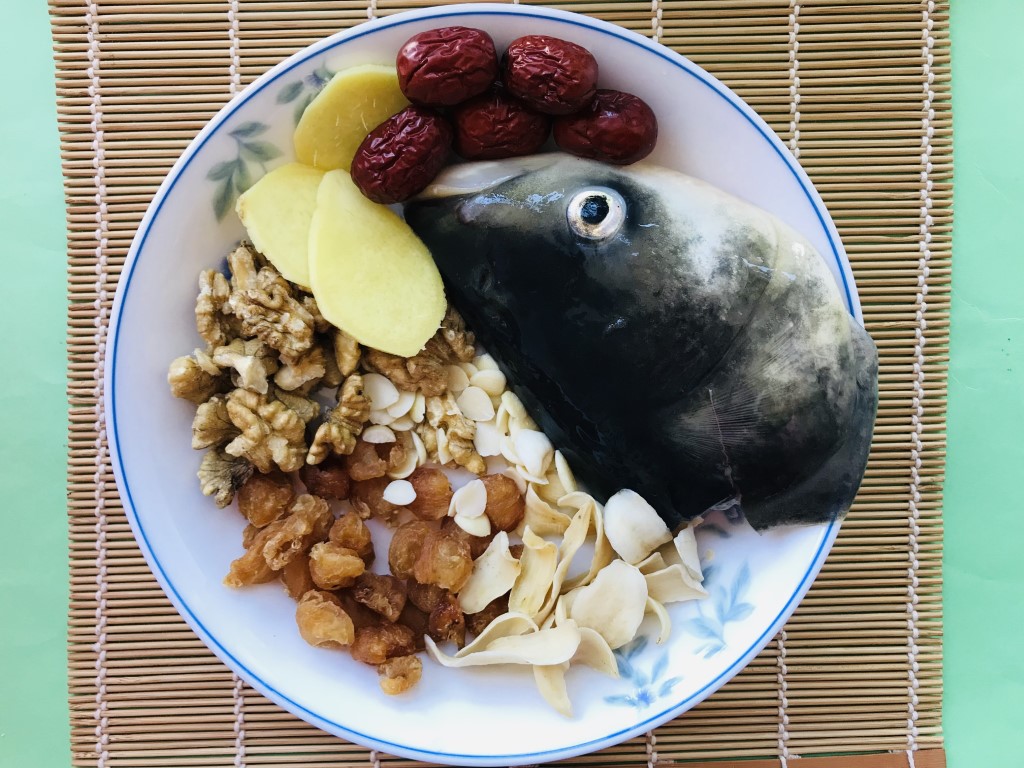
- Q (李太): My child is 5 years old and has autistic tendencies with hyperactivity and developmental delay. What foods and soups can help with brain development? Bro Niu: For children with these tendencies, focus on protein and phospholipid-rich foods: eggs, milk, lean meat, chicken liver, pork liver, tofu and bean products, walnuts, red dates. Limit tomatoes, apples, and citrus. Avoid artificial food colourings in drinks and snacks, and minimize chilli and pepper. You can regularly cook golden needle mushroom (jin zhen gu, also called enoki), walnuts, peanuts, and longan in a soup with quail or a large fish head — simmer for 1 hour, twice a week. The whole family can share it.
Published June 26, 2013 · Adapted and translated for Nourilo from a traditional home-kitchen recipe. Approx. 3 min read.