Herbal & Flower Teas
Two-Seed, Polygala and Albizzia Flower Tea (Er Ren Yuan Zhi He Huan Hua Cha)
traditionally used to calm the mind, ease insomnia, reduce anxiety, and support emotional balance
Why people make this tea
Urban life — long hours, constant connectivity, financial pressure, family demands — takes a toll on sleep quality. Research suggests that a large proportion of people in high-pressure cities like Hong Kong experience some form of chronic nervous tension or insomnia, and the downstream effects can be significant: irritability, poor concentration, foggy thinking, headaches, heart palpitations, and relationship strain. Some medical conditions — high blood pressure, heart disease, depression, hyperthyroidism, menopause — can also disturb sleep.
This five-herb blend has deep roots in traditional Chinese practice. Rather than sedating the body, it works in the logic of nourishing the heart and settling the spirit — a different framing from Western sleep aids, but one that many people find gentle and effective when used consistently.
Who it suits / who should be cautious
- Suited to those who have difficulty falling asleep, who dream frequently, or who feel anxious, easily startled, or emotionally unsettled.
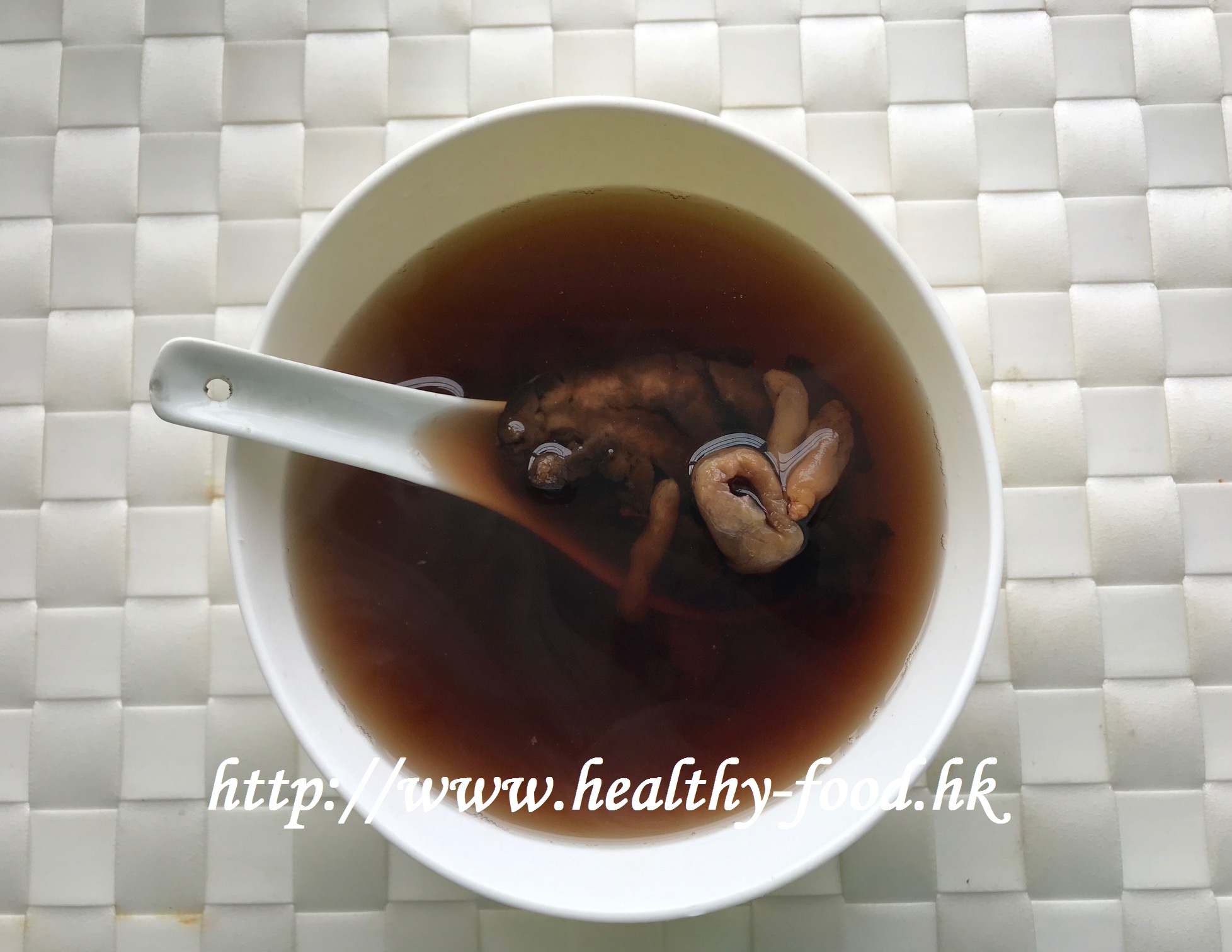
- The tea has a slightly medicinal, mildly sour flavour; rock sugar can be added for palatability.
- Pregnant women must not use this tea.
- This is a herbal decoction rather than a light everyday tea; use it as a targeted remedy rather than a daily drink.
Why these ingredients (the food-therapy logic)
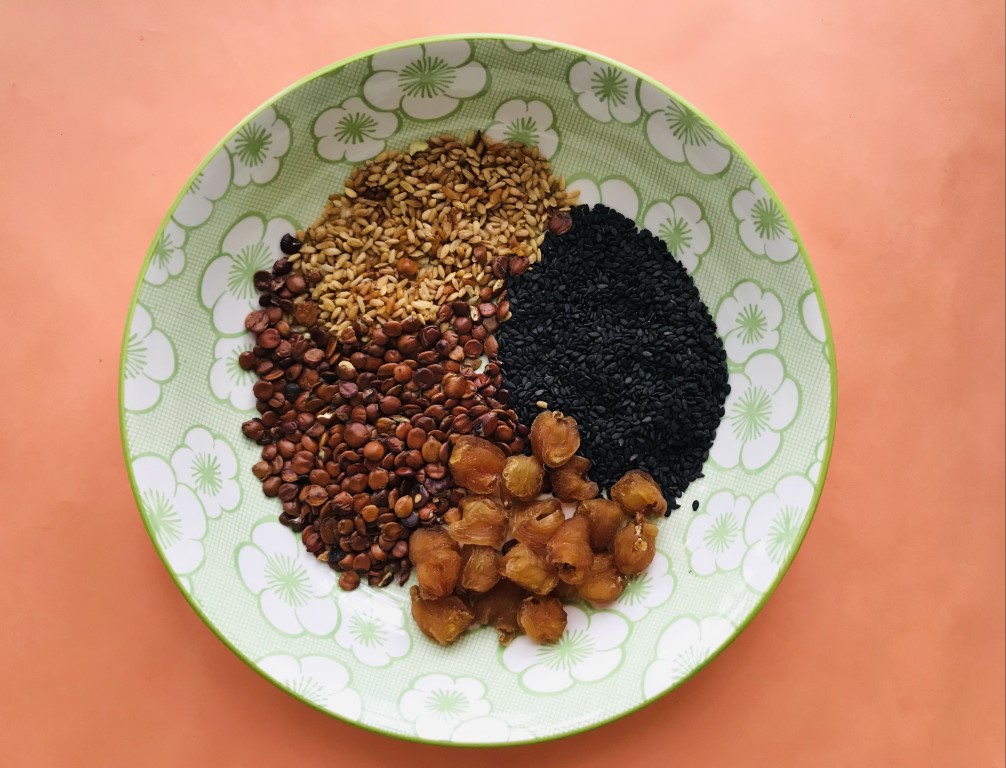
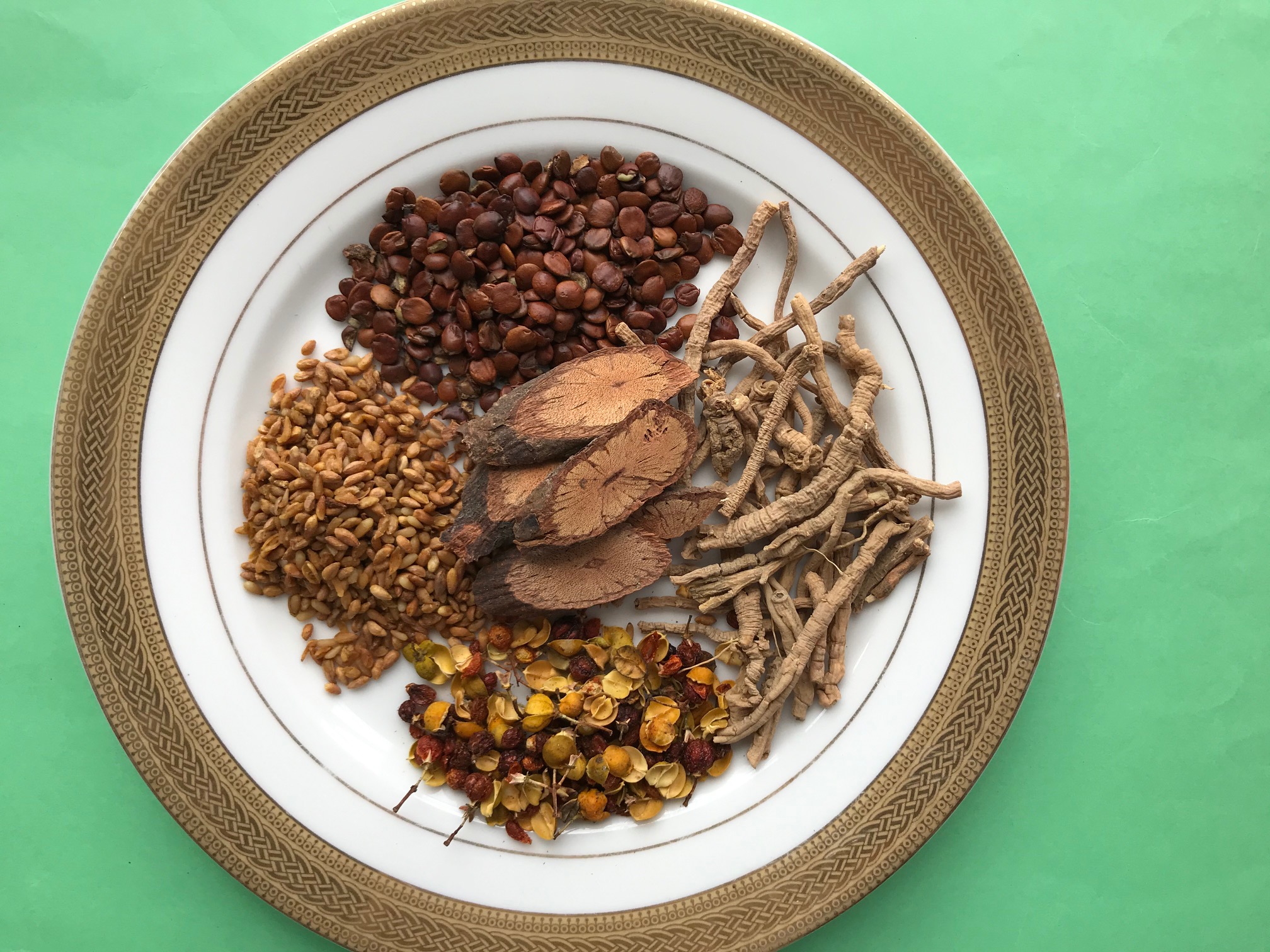
- Sour jujube seed (suan zao ren, Ziziphus spinosa): One of the most widely used herbs for insomnia in traditional Chinese practice; associated with nourishing heart blood, calming the spirit, and reducing night sweating.
- Arborvitae seed (bai zi ren, Platycladus orientalis): Traditionally used to nourish the heart and quiet the spirit; gentle and moisturising in character.
- Albizzia flower (he huan hua, Albizia julibrissin): Associated with regulating qi, lifting low mood, and calming the heart. The “happiness tree” flower in Chinese tradition.
- Polygala root (yuan zhi, Polygala tenuifolia): Traditionally used to open the orifices, calm the mind, and help the heart and kidney communicate — an old Chinese concept related to grounding anxious energy.
- Fleeceflower vine (ye jiao teng, Polygonum multiflorum stem): Used to help the heart and kidney energies interact harmoniously, calming the spirit and easing insomnia; different from the root (shou wu), which has separate uses.
Ingredients (2 bowls)
| Ingredient | Amount | Notes |
|---|---|---|
| Sour jujube seed (suan zao ren) | 3 qian (~11 g) | Soak and rinse |
| Arborvitae seed (bai zi ren) | 3 qian (~11 g) | Soak and rinse |
| Polygala root (yuan zhi) | 3 qian (~11 g) | Soak and rinse |
| Fleeceflower vine (ye jiao teng) | 5 qian (~19 g) | Soak and rinse |
| Albizzia flower (he huan hua) | 3 qian (~11 g) | Soak and rinse |
| Water | 5 bowls (~1.25 litres) | Reduces to 2 bowls |
Method
- Rinse all ingredients separately by soaking briefly and draining.
- Combine all herbs with 5 bowls of water in a pot.
- Bring to a boil, then reduce to a gentle simmer for about 1 hour, until the liquid reduces to approximately 2 bowls.
- Strain and drink. Rock sugar can be added to taste if the flavour is too medicinal.
Bro Niu’s tips
This tea will have a somewhat herbal, slightly sour flavour — especially noticeable from the sour jujube seeds. If it is too strong or tart, a small piece of rock sugar softens the taste. This blend is particularly well suited to people who feel emotionally constricted or prone to low mood alongside their sleep difficulties (what traditional practice would describe as liver qi stagnation). All ingredients are available at Chinese herb shops.
Community questions answered (selected)
-
Q (mayble): I tried cooking this tea today. It tastes a little spicy and sharp — is that normal? Can I add brown sugar? And after drinking it, my throat feels warm. Bro Niu: The tea should taste somewhat sour from the jujube seeds — not spicy. Try adding rock sugar rather than brown sugar. If your throat feels warm after drinking, that is worth noting — adjust the quantity or consult a herbalist if it continues.
-
Q (Na): Since giving birth, I catch colds very easily, and my doctor said my blood is deficient and I have residual wind. I feel very weak, but whenever I try to take tonics I get headaches and bloating. What food therapy can help? Bro Niu: After childbirth, when immunity is low and the body is depleted, you can try a patent formula called “Yu Ping Feng San” (Jade Screen Powder) — available as granules at major Chinese medicine shops. It is a classic formula for strengthening the protective qi and reducing susceptibility to colds. If bloating is a problem, add some dried tangerine peel (chen pi) to the drink when you dissolve the granules.
Published March 24, 2021 · Adapted and translated for Nourilo from a traditional home-kitchen recipe. Approx. 4 min read.