Congee & Porridge
Dendrobium, Polygonatum and Red Date Congee
Traditionally used to nourish stomach yin and ease burning discomfort
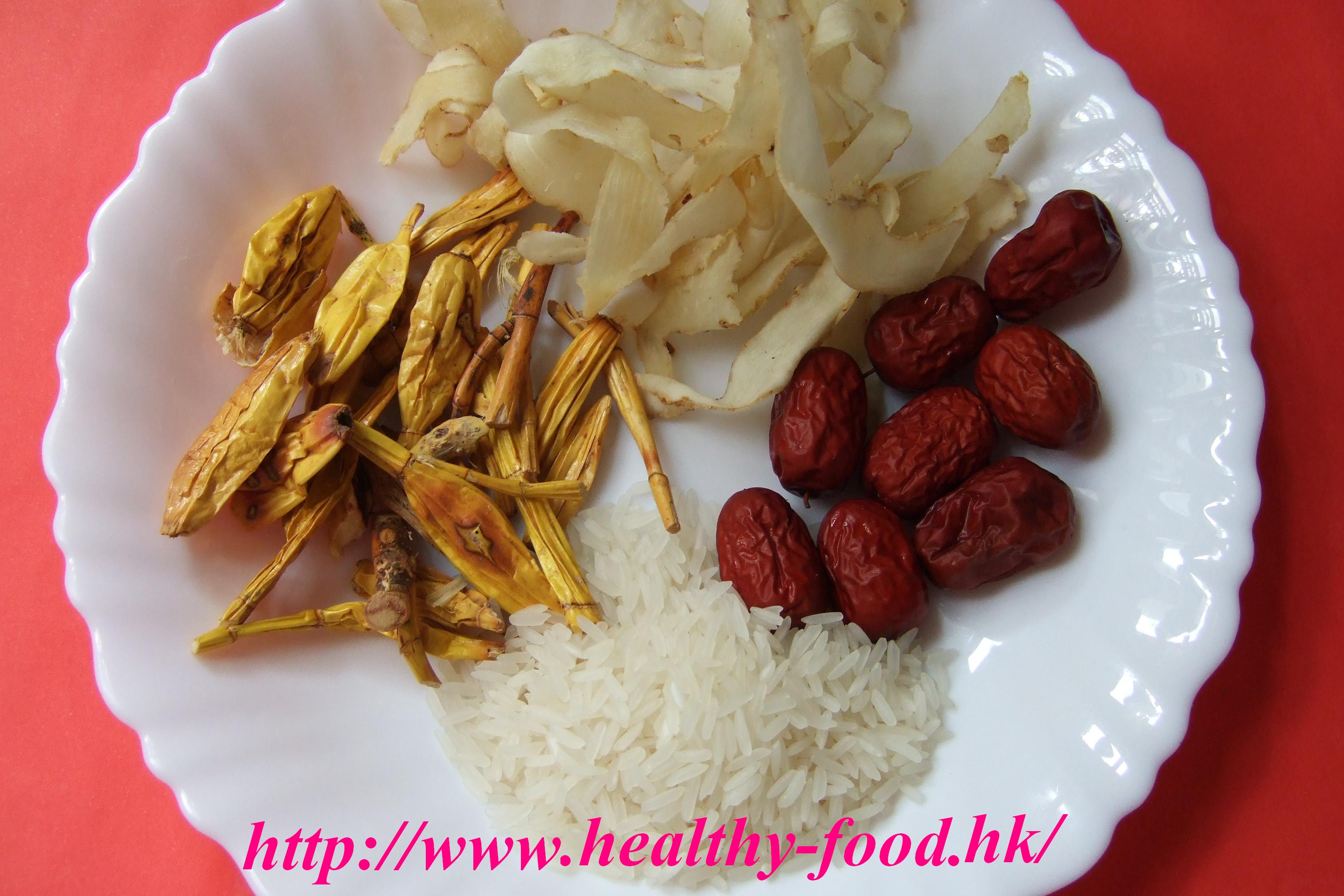
Why people make this congee
City life is fast, work hours are long, and plenty of people end up eating at all the wrong times — which is hard on the stomach over the years. In the traditional view, dendrobium (shi hu) is prized for nourishing “stomach yin” and clearing the kind of empty, low-grade heat that leaves you with a dry, thirsty, restless feeling. Bro Niu likes it because it is both gently cooling and quietly building at the same time. This congee is the comforting, everyday way to take it.
Who it suits / who should be cautious
- People with a burning, gnawing stomach discomfort that has no fixed timing but tends to feel worse on an empty stomach in the afternoon — a pattern traditionally read as “stomach heat with yin deficiency.”
- If you have low stomach acid, dendrobium suits you well; if your main problem is acid reflux, hold off on dendrobium until that settles and see a doctor for persistent reflux or any diagnosed ulcer.
Why these ingredients (the food-therapy logic)
- Dendrobium (shi hu): Traditionally used to nourish stomach yin, clear empty heat and relieve a dry, thirsty, irritable feeling.
- Solomon’s seal (yu zhu): Moistening and yin-nourishing, a classic partner for a dry, depleted stomach.
- Red dates (hong zao): Warm and sweetening, they round out the cooling herbs and support the spleen and stomach.
Ingredients (2–3 bowls)
| Ingredient | Amount | Notes |
|---|---|---|
| Dendrobium (jin chai / chuan type) | ~15 g | The inexpensive type works fine; slightly bitter |
| Solomon’s seal (yu zhu) | ~11 g | Rinse and soak |
| Red dates (hong zao) | 8 | Pitted |
| White rice | ~75 g | Rinse |
Method
- Rinse and soak the dendrobium, Solomon’s seal and rice; pit the red dates.
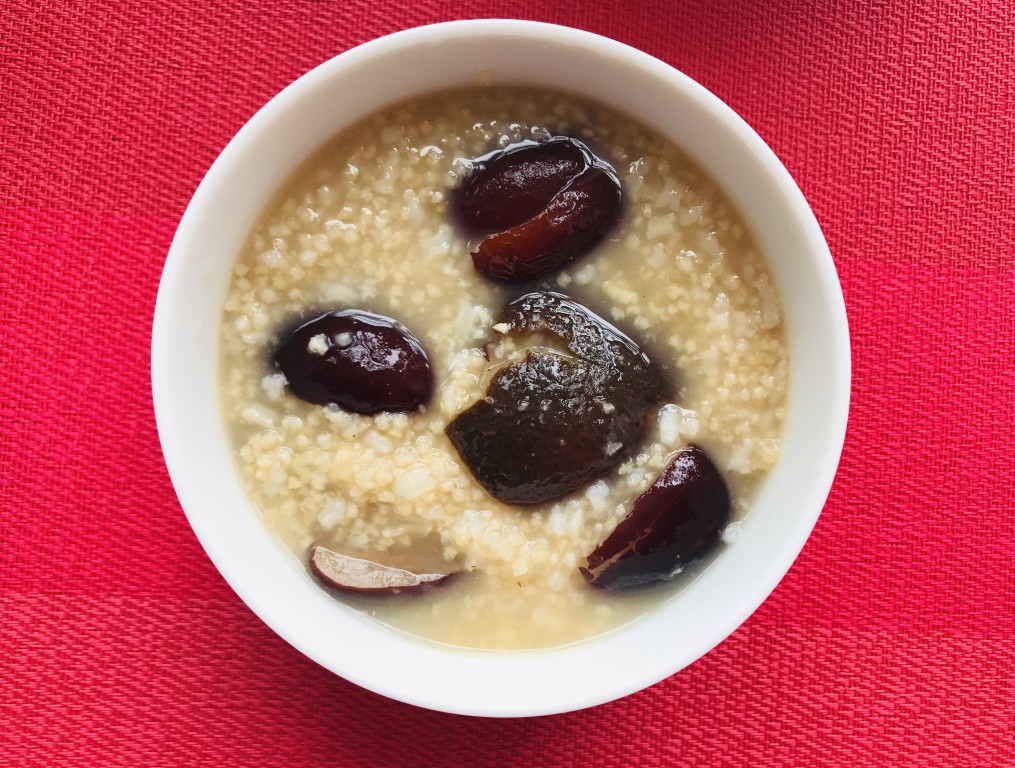
- Add everything to a pot with water and simmer into a smooth, moderately thick congee.
- Eat as much as you like. Take it for 7–10 days in a row for a gentle course.
Bro Niu’s tips
The cheap jin chai dendrobium costs only a few dollars per liang and is fine as an everyday soup ingredient — its one drawback is a slightly bitter taste. The pricier Huoshan dendrobium is sweet; because it is expensive, it is best ground to powder and eaten whole, which suits older folks, those with a weak constitution, people managing blood sugar, and anyone short on body fluids.
Community questions answered (selected)
-
Q (reader): I have acid reflux that often leaves my throat sore. A relative gave me some sun-dried cuttlefish — can I use the white cuttlebone, dry-roast it and grind it into a powder to drink in water? Bro Niu: Cuttlebone powder can help curb stomach acid. Grind it together with equal parts zhe bei mu (Fritillaria), dry-roast in a clean wok for 5 minutes to sterilise, mix and store in a glass jar. Take 2 teaspoons in warm water before meals, twice a day, for a week, and see if it improves.
-
Q (reader living abroad): I get an uneasy stomach when I’m tense. I can’t find jin chai dendrobium or Solomon’s seal where I live — only red dates. What can I use that’s available in a supermarket? Bro Niu: If you can’t get many herbs, a simple stomach-friendly congee is a few slices of fresh ginger, 8 red dates and one piece of dried tangerine peel (chen pi) cooked into congee — it helps move qi and settle the stomach. You can add dried scallop and lean pork too. Staying cheerful is one of the best ways to prevent and ease stomach trouble.
-
Q (Viola): What should I add to dendrobium water, and how long should I cook it, to make it suitable for someone with diabetes? Bro Niu: Pair dendrobium with about 38 g fresh Chinese yam (huai shan), 11 g goji berries (gou qi zi) and 11 g Solomon’s seal (yu zhu), plus 11 g mai dong, simmered together — this combination is traditionally associated with helping lower blood sugar.
Published July 6, 2010 · Adapted and translated for Nourilo from a traditional home-kitchen recipe. Approx. 3 min read.