Soups
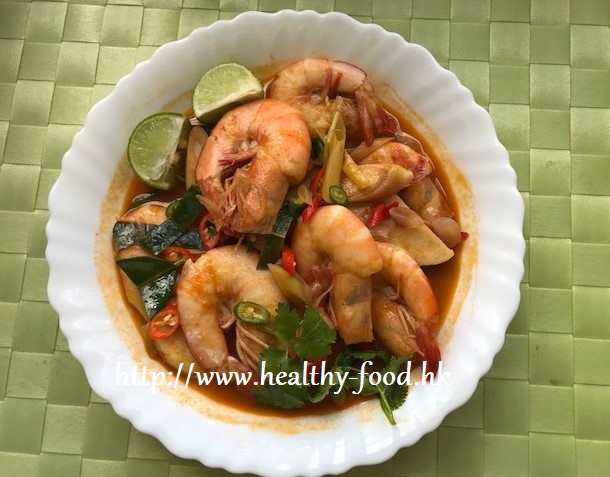
Tom Yum Shrimp Soup (Dong Yin Gong Xia Tang)
traditionally associated with warming the stomach, stimulating appetite, and supporting digestion
Why people make this soup
The name “tom yum kung” comes from Thai: tom means “to boil,” yum means “a spiced aromatic blend,” and kung means “shrimp.” The resulting soup — vivid red, richly fragrant, tangy with lime and lemongrass — is one of Southeast Asia’s most beloved soups. This recipe makes a satisfying home version using a ready-made tom yum paste, fresh aromatics, and prawns — refreshing, appetite-opening, and deeply satisfying.
In traditional Cantonese food-therapy thinking, a soup that warms the stomach and opens the appetite is said to benefit the spleen and stomach — supporting digestion and the body’s ability to absorb nutrients. Lemongrass, galangal, kaffir lime leaf, and chilli are all warming, aromatic ingredients with long histories in Southeast Asian and Chinese food traditions. This soup can be enjoyed hot in winter for warming comfort, or slightly cooled in summer to refresh and stimulate a flagging appetite. Either way, it works.
Who it suits / who should be cautious
- Suitable for anyone who wants an appetite-stimulating, warming, flavourful soup
- Excellent for those with low appetite in hot or humid weather
- Pregnant women may enjoy this in moderation — but should avoid excess spice
- Those with active inflammation or severe heat conditions should approach the chilli component with caution
Why these ingredients (the food-therapy logic)
- Lemongrass (xiang mao): Aromatic and warming; in traditional medicine associated with promoting digestion, relieving bloating, and clearing damp from the middle burner
- Galangal (nan jiang): Related to ginger; warming for the stomach; used in Chinese and Thai traditional medicine to ease stomach pain, nausea, and cold-type digestive complaints
- Kaffir lime leaf (ning meng ye): Aromatic and uplifting; supports qi circulation and the digestive system
- Bird’s eye chilli (zhi tian jiao): Stimulates circulation and digestion; used in TCM as a warming ingredient for cold-type stomach conditions
- Prawns (xia): In TCM, sweet and warming; support kidney yang; a good protein source
Ingredients (3–4 bowls)
| Ingredient | Amount | Notes |
|---|---|---|
| Large fresh sea prawns | 6 | Washed; antennae and legs trimmed; intestinal tract removed |
| Tomatoes | 2 medium | Washed and cut into chunks |
| Tom yum paste | Half a packet | Adjust to taste |
| Lemongrass | 2 stalks | Sliced into rounds |
| Kaffir lime leaves | 3 | Torn or scissor-cut |
| Galangal root | 1 small piece | Sliced |
| Bay leaves | 3 | Scissor-cut |
| Lime | 1 | Cut into wedges |
| Green and red bird’s eye chillies | 1 of each | Finely chopped |
| Tomato paste | 1 tablespoon | |
| Water | 7 bowls (~1.75 litres) |
Method
- Clean the prawns: trim the antennae and legs, and use a toothpick or knife tip to remove the intestinal tract along the back. Set aside.
- Slice the lemongrass into thin rounds. Tear or cut the kaffir lime leaves. Slice the galangal. Finely chop the chillies. Cut the lime into wedges. Cut the tomatoes into chunks.
- In a pot, combine the tom yum paste, aromatics (lemongrass, kaffir lime leaves, galangal, bay leaves), and tomato chunks with 7 bowls of water.
- Bring to a boil, then reduce heat and simmer for 30 minutes to allow the flavours to develop.
- Add the prawns, tomato paste, and a squeeze of lime. Cook until the prawns are just pink and cooked through — about 3–5 minutes. Do not overcook the prawns.
- Taste and adjust seasoning. Serve immediately.
Bro Niu’s tips
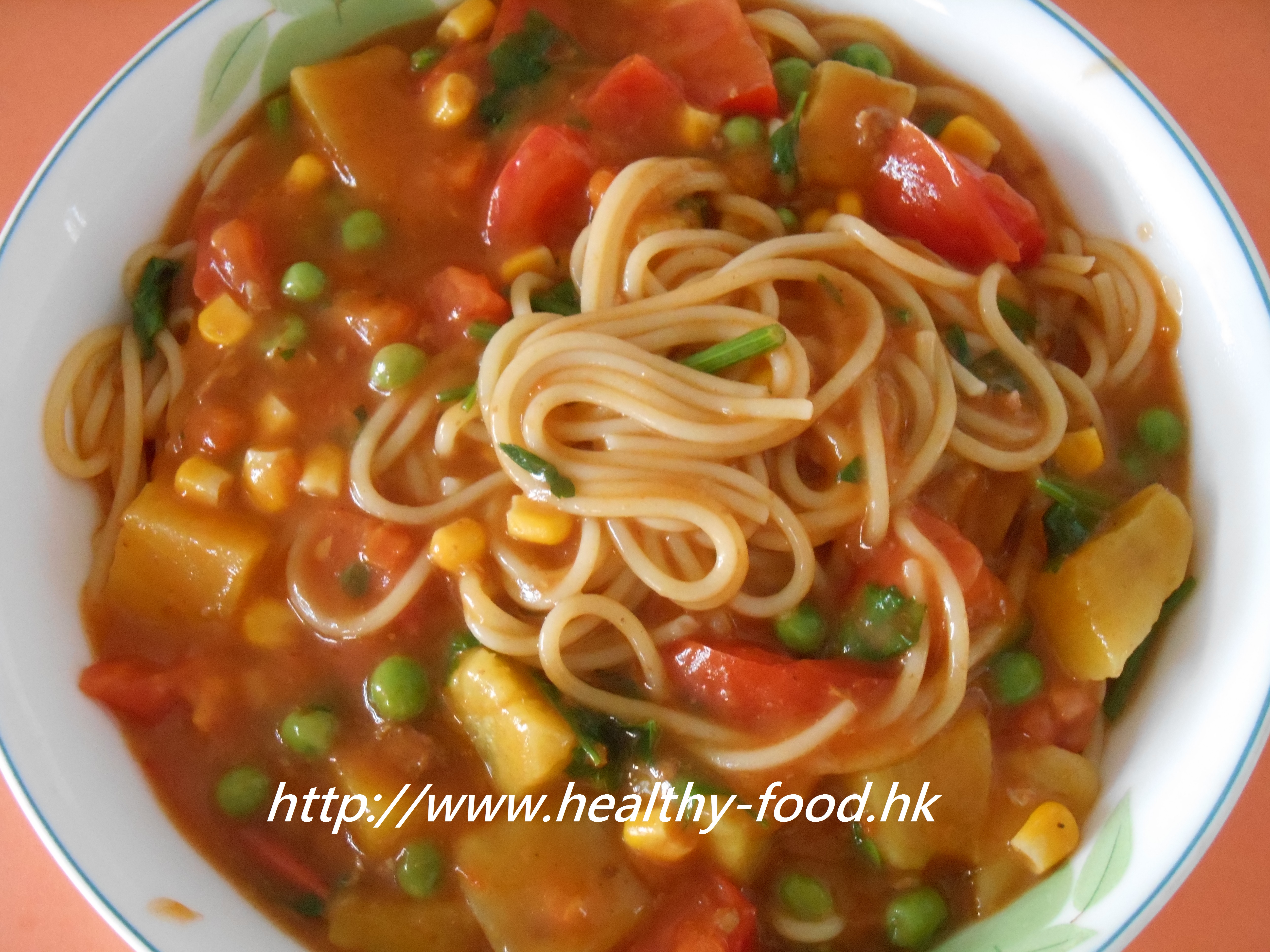
For a more intensely flavoured broth, simmer the prawn heads and shells together with the aromatics and paste. Once the stock is done, remove the heads and shells, then add the fresh prawn meat to cook just before serving. The result is a noticeably richer and more savoury soup. This soup pairs beautifully with rice noodles, flat rice noodles, or as Bro Niu first made it — over Italian pasta.
Community questions answered (selected)
-
Q (Wan): I love tom yum soup, but I notice it uses many aromatics like lemongrass. Is it safe during pregnancy? Bro Niu: Pregnant women can enjoy tom yum soup in moderate amounts — just don’t overdo it.
-
Q (fion): I’d like to make this for my husband who is recovering from a stroke — is this suitable? (He also has high blood pressure and high cholesterol.) Bro Niu: For stroke recovery, I’d recommend a different nourishing soup: fresh burdock root, dried shiitake, carrot, white radish with its tender top leaves, and fresh ginger, simmered with lean pork for 2 hours. This is the soup Bro Niu recommends for stroke patients — it also helps lower blood pressure and cholesterol.
Published July 29, 2018 · Adapted and translated for Nourilo from a traditional home-kitchen recipe. Approx. 4 min read.