Herbal & Flower Teas
Golden Monk Fruit and Licorice Tea
Traditionally associated with soothing a dry, irritated throat and supporting the lungs after excessive smoking or alcohol
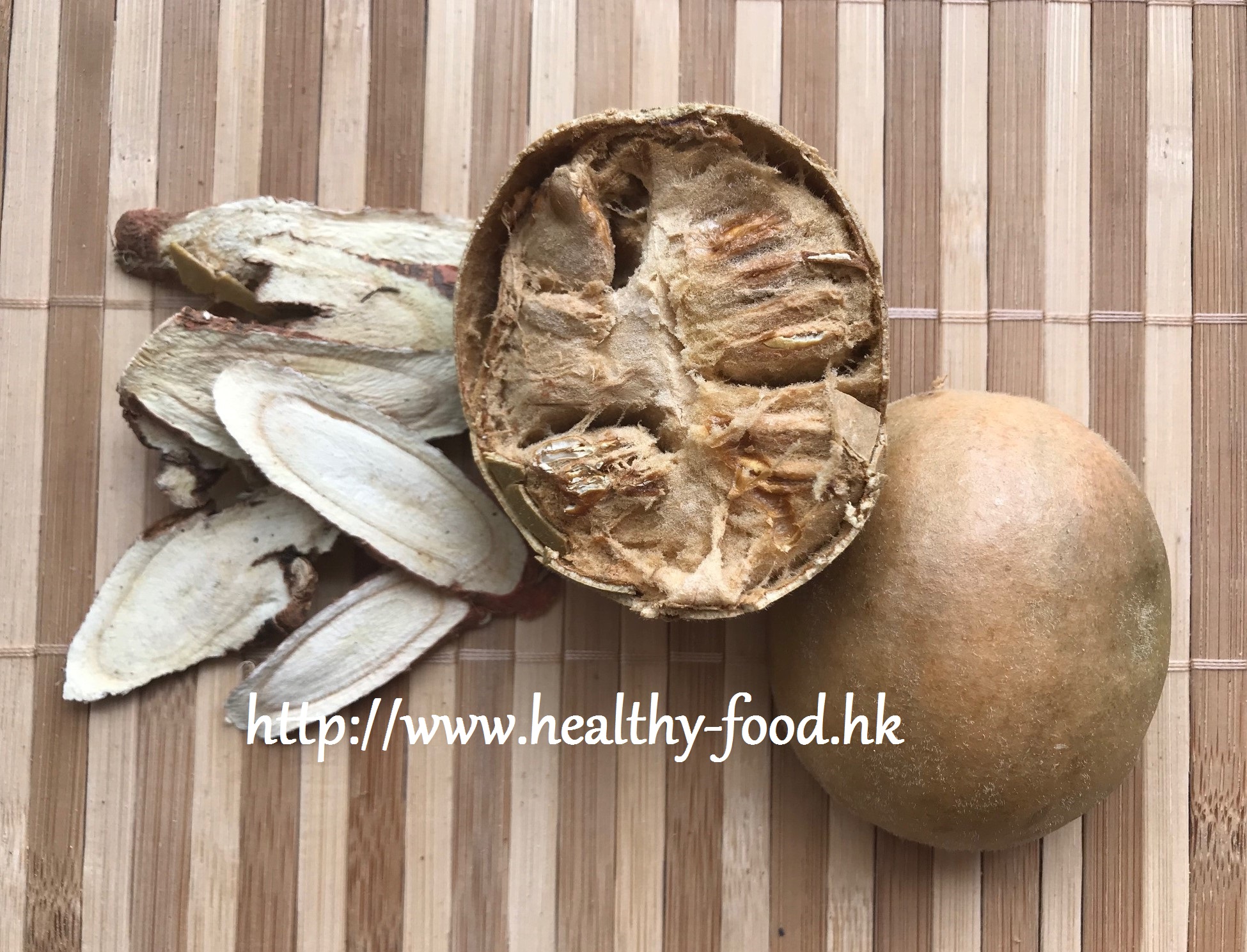
Why people make this tea
Everyone knows that smoking and heavy drinking damage health — but knowing and stopping are two different things. For people who smoke because of work pressures or stress, or who simply haven’t found the right moment to quit, this gentle tea offers a small measure of support in the meantime.
Research suggests that regular smokers die ten to twelve years earlier on average than non-smokers, and second-hand smoke carries its own risks. Chronic heavy drinking affects judgment, strains the liver, and can lead to cirrhosis and gastric bleeding over time. Bro Niu is honest about this: the best course of action is to smoke and drink less. But for those who struggle to stop, having a daily cup of this tea is at least something useful.
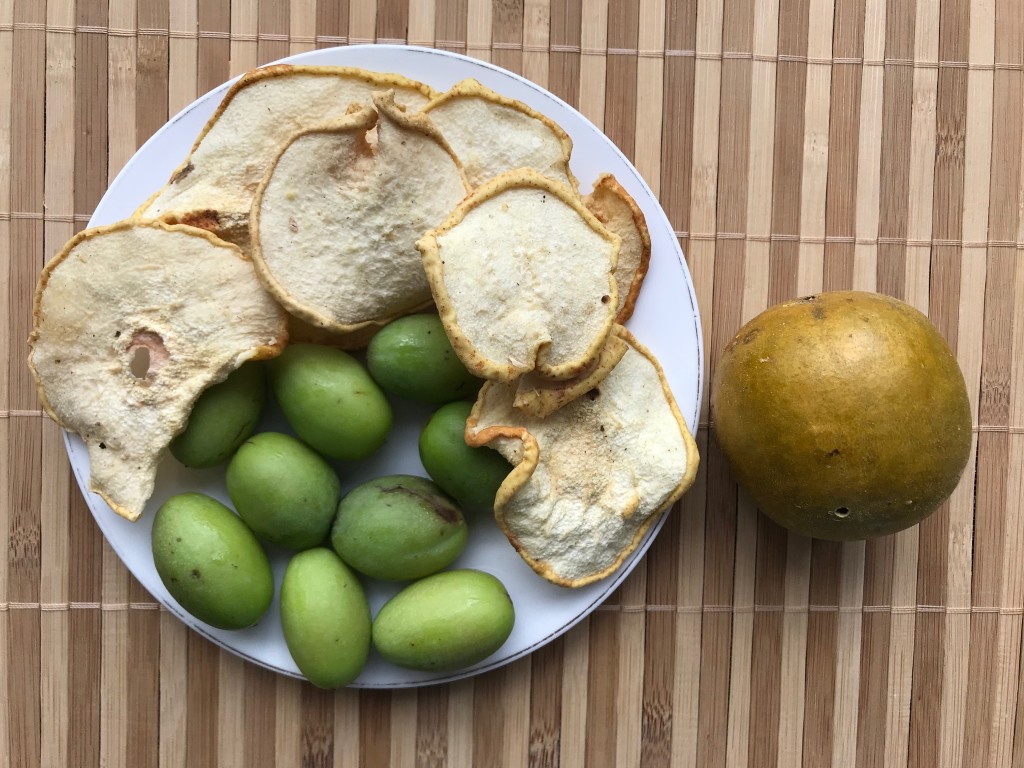
When smoking or drinking leads to a hoarse voice, dry throat, persistent thirst, or a dry cough, golden monk fruit is one of the most effective and pleasant food-therapy ingredients available. Unlike the traditional smoked version of monk fruit — which has a distinctive medicinal tang that some people find off-putting — golden monk fruit is prepared by low-temperature dehydration, making it sweeter and milder in both flavour and energetic quality. Its slightly cold nature is reduced, making it suitable for a wider range of people.
Who it suits / who should be cautious
- Suitable for adults, children, and the elderly; can be drunk hot or cold
- Particularly helpful for smokers, people exposed to second-hand smoke, and those who frequently drink alcohol
- Pregnant women: best avoided in the first trimester; suitable in moderate amounts from around 6 months
- Not suitable if you have a cold constitution (always feeling cold) without first modifying the recipe (see Bro Niu’s tips)
Why these ingredients (the food-therapy logic)
- Golden monk fruit (jin luo han guo): Monk fruit is one of the most respected throat and lung remedies in Cantonese food therapy. It is associated with clearing heat, dissolving phlegm, relieving cough, moistening the intestines, and generating fluids. The “golden” variety (low-temperature dehydrated) is considered gentler and more palatable than the traditionally smoked type.
- Licorice root (gan cao): A harmonising herb used across traditional medicine. Licorice is associated with clearing the lungs, relieving cough, and soothing the throat. It also helps moderate the effects of other ingredients in a formula.
Ingredients (3 cups / 1 day’s supply)
| Ingredient | Amount | Notes |
|---|---|---|
| Golden monk fruit | 1 whole fruit | Chopped into pieces |
| Licorice root (gan cao) | 1 qian (~3 g) | Available at Chinese herb shops |
| Water | 5 bowls |
Method
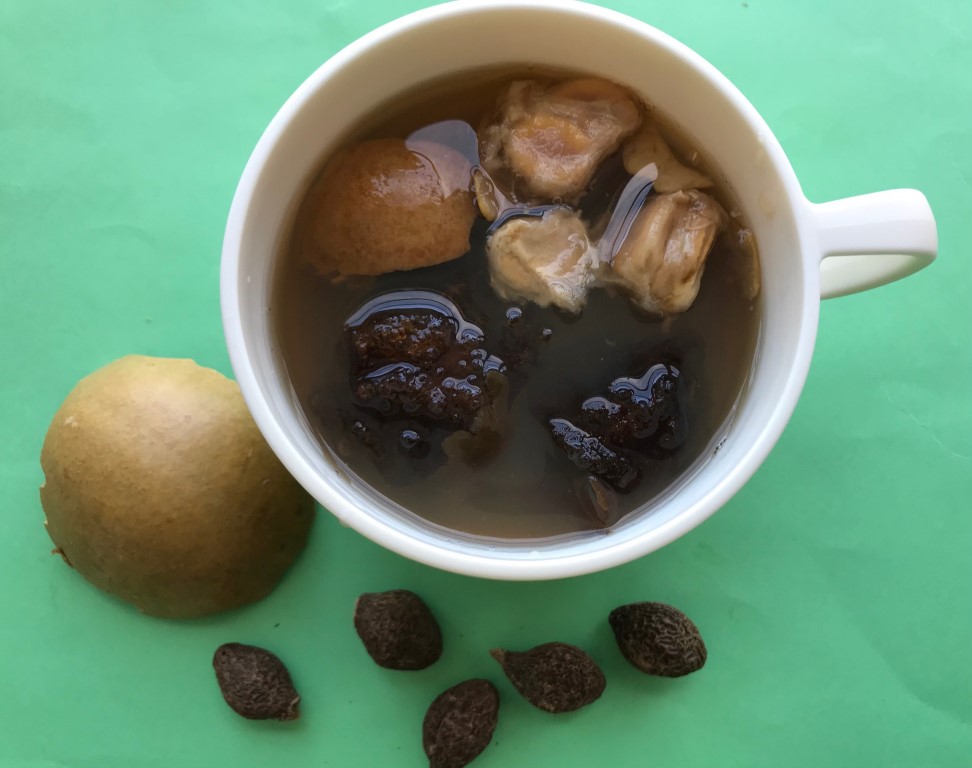
- Chop the golden monk fruit into pieces (it can be broken by hand — the shell is thin).
- Combine with licorice root in a pot with 5 bowls of water.
- Bring to a boil, then simmer for 20 minutes until the liquid reduces to about 3 bowls.
- Drink throughout the day. Can be served warm or cooled; both are suitable.
Bro Niu’s tips
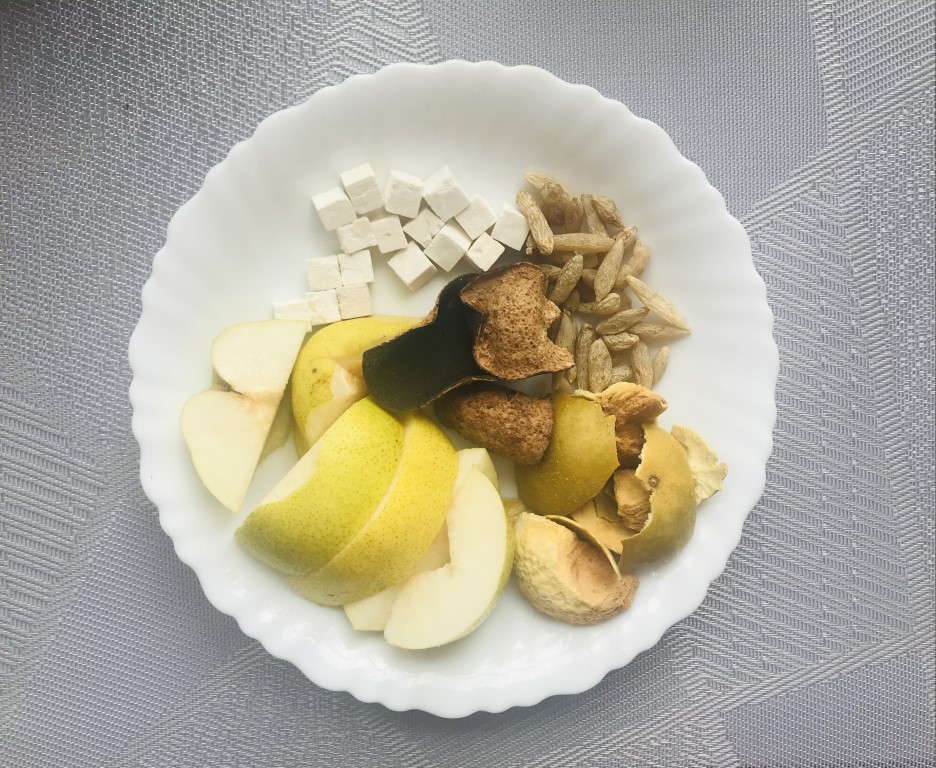
This tea is naturally sweet and pleasant — suitable for the whole family, young and old. It can be drunk warm or cold. For those with a colder constitution or stomach sensitivity, Bro Niu suggests using only one-sixth of the monk fruit rather than a whole one, and adding a piece of tangerine peel (chen pi) to warm and balance the formula.
Community questions answered (selected)
-
Q (JK): I smoke, my airways are often sensitive and I cough easily — but I also have a weak stomach that tends to run loose. Is this tea suitable daily, and are there other options? Bro Niu: Try a tea of 3 pieces of dark plum (wu mei), a small pinch of chrysanthemum (ju hua), and 5–6 slices of licorice (gan cao) steeped for 15 minutes. Drink for 3–4 consecutive days and see if the sensitive cough improves. For the monk fruit tea, use only one-sixth of a fruit, add 4 slices of licorice and 1 chopped piece of tangerine peel, and cook for 15 minutes — this is less cooling and good for smokers. The best thing though is still to find a way to quit; otherwise the lungs will weaken with age.
-
Q (匿名): What is the difference between licorice root (gan cao) and honey-prepared licorice (zhi gan cao)? Bro Niu: Raw licorice (sheng gan cao) clears heat, detoxifies, moistens the lungs, relieves cough, and moderates other herbs. Honey-prepared licorice (mi zhi gan cao) tonifies the middle and supports qi.
-
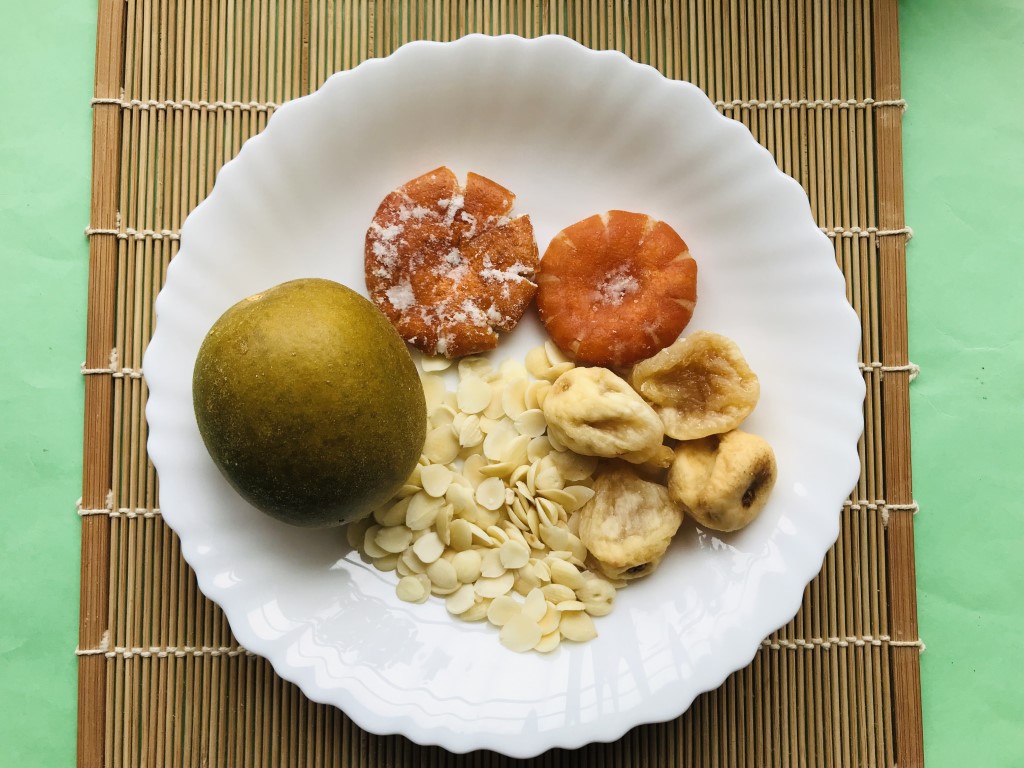
Q (Lala): Can I make the tea without the licorice, and just combine golden monk fruit with figs and goji berries instead? Bro Niu: Yes, golden monk fruit with goji berries and figs is a good combination — no problem at all.
Published December 16, 2018 · Adapted and translated for Nourilo from a traditional home-kitchen recipe. Approx. 4 min read.