Soups
Sand Ginseng, Jade Bamboo, Snow Lotus Seed and Partridge Soup
Traditionally used to moisten the lungs, nourish yin, and support skin radiance
Why people make this soup
Winter and early spring bring the highest rates of respiratory illness, and the dry indoor air and cold winds can leave both the lungs and skin feeling parched. This is the time of year when Bro Niu reaches for sha shen and yu zhu — the two most classic lung-moistening herbs in Cantonese soup-making — and pairs them with snow lotus seeds and a whole partridge. The result is a beautifully clear broth: gently sweet, not heavy, with a subtle herbal quality. Traditional food therapy associates it with moistening lung dryness, nourishing yin, and contributing to skin that looks fresh and hydrated.
Who it suits / who should be cautious
- Suitable for those with a dry constitution, dry cough, parched throat, or skin that lacks lustre.
- Suitable for people wanting gentle respiratory support during winter and spring.
- If you have a current cold or fever, wait until you have mostly recovered before drinking tonifying soups like this one.
- Add a few slices of ginger and six red dates if you tend to feel cold easily — this balances the mildly cooling herbs.
Why these ingredients (the food-therapy logic)
- Sand ginseng (sha shen): One of the best-known lung-yin tonics in Chinese herbalism; traditionally used to moisten the lungs, ease dry cough, and replenish fluids.
- Jade bamboo / Solomon’s seal (yu zhu): Gently nourishes yin and moistens dryness without being rich or cloying; supports both lung and stomach function.
- Snow lotus seeds (xue lian zi / zao jiao ren): The seeds of the soap tree (Gleditsia sinensis); in food therapy they are associated with expelling phlegm, supporting blood pressure, and having anti-ageing and skin-nourishing properties. They are also valued as a liver-toning and lung-moistening ingredient. Soak for 2–3 hours before cooking to soften them properly.
- Partridge (zhe gu): A lean, flavourful game bird used in Cantonese soups; considered nourishing without being drying, and associated with strengthening lung function.
- Red dates (hong zao): Tonify blood and qi; also help moderate the flavour of the herbal ingredients.
Ingredients (about 4 bowls)
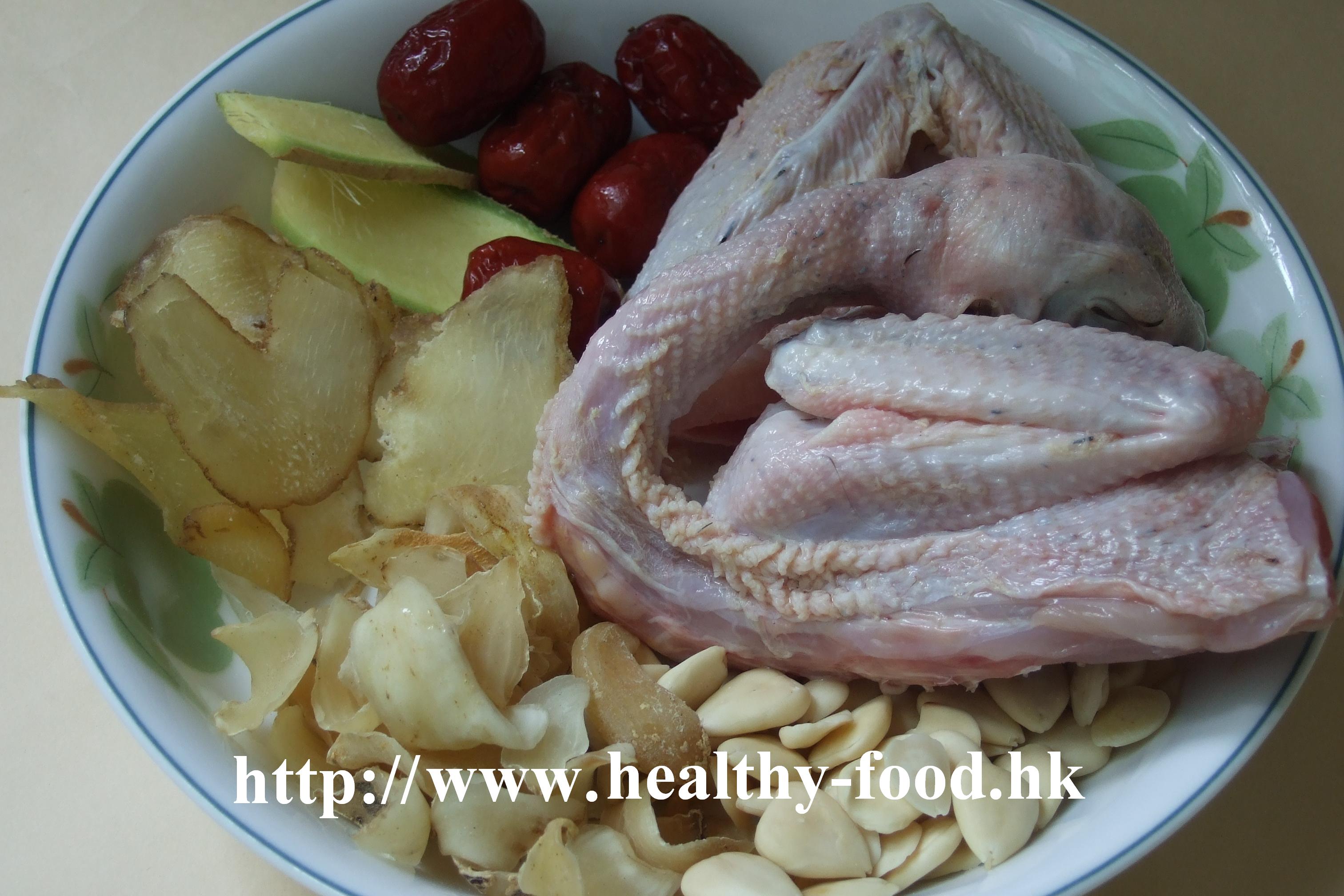
| Ingredient | Amount | Notes |
|---|---|---|
| Sand ginseng (sha shen) | 19 g | Rinse and soak briefly |
| Jade bamboo (yu zhu) | 11 g | Rinse and soak briefly |
| Snow lotus seeds (xue lian zi) | 19 g | Soak 2–3 hours before cooking |
| Fresh ginger | 2 slices | |
| Red dates, pitted | 6 pieces | |
| Partridge | 1 whole | Blanch before use |
| Water | 8 bowls (~1.6 L) |
Method
- Soak snow lotus seeds for 2–3 hours; they expand and soften, making them much easier to cook through.
- Blanch the partridge in boiling water briefly; drain and rinse.
- Pit the red dates.
- Rinse all remaining herbs briefly.
- Combine all ingredients in a pot with 8 bowls of water.
- Bring to a boil, then reduce to a gentle simmer for about 1.5 hours until the liquid reduces to approximately 4 bowls.
- Serve the broth and eat the partridge meat and lotus seeds.
Bro Niu’s tips
- Snow lotus seeds are actually the seeds of the Chinese soap tree (zao jiao) — they expand considerably when soaked, and soaking for 2–3 hours before cooking makes them much easier to eat.
- If partridge is difficult to find, a similar result can be achieved with quail or with a lean lean cut of pork.
- If you have a phlegmy or persistent cough after illness, Bro Niu recommends adding tiger milk mushroom (hu ru ling zhi), snow fungus (xue er), apricot kernels (nan bei xing), and dried figs to a partridge or quail soup — good for long-term lung strengthening.
Community questions answered (selected)
-
Q (Jie): After surgery, can I use partridge in a soup? I tend to get a sore throat from warming tonics. Bro Niu: Partridge can be paired with sha shen, yu zhu, snow fungus, and dried figs — this combination is nourishing yet moistening, so it should not cause dryness. If you tend to feel cold, add a few slices of ginger and six red dates.
-
Q (Grandma Ling): I have heard that sha shen should not be used in soup if you have a cold — is that true? Bro Niu: When you have a cold, it is best to limit any nourishing herbs, because any pathogens present can absorb the nutrients too. That said, if you do not yet have a fever and your body is not fully fighting an infection, one or two doses is generally fine.
Published March 29, 2019 · Adapted and translated for Nourilo from a traditional home-kitchen recipe. Approx. 4 min read.